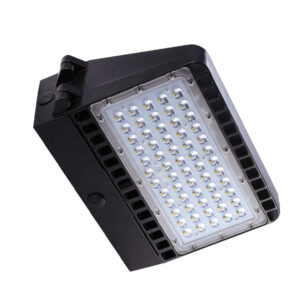
Understanding the Importance of Wired Motion Sensor Lights in Modern Lighting Projects
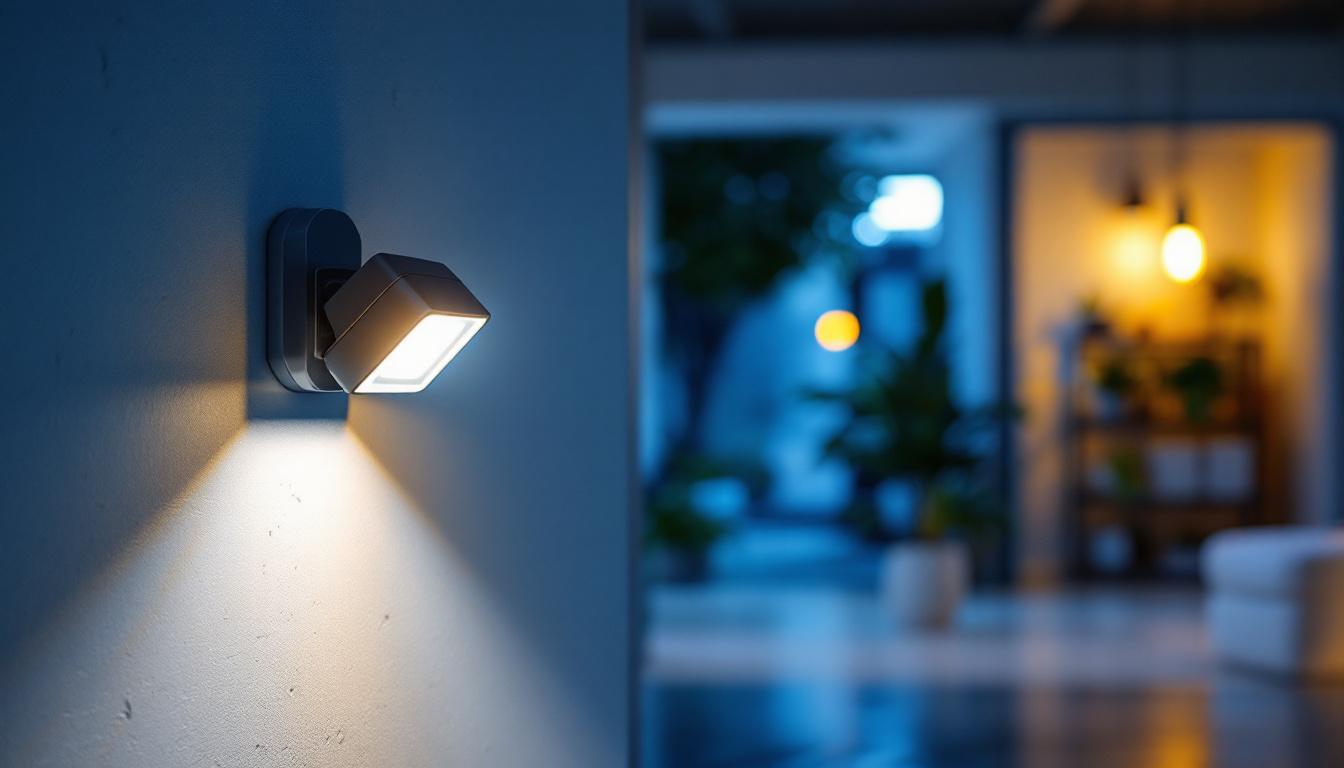
For lighting professionals, integrating motion sensor lights into projects has become a standard practice, especially in commercial, industrial, and residential settings that demand energy efficiency and enhanced security. Wired motion sensor lights offer a reliable solution by combining consistent power supply with intelligent activation, ensuring lights operate only when needed.
Unlike wireless or battery-operated sensors, wired systems provide uninterrupted performance, which is crucial for areas with high traffic or security concerns. The wired connection eliminates the risk of power loss due to battery depletion, making these systems a preferred choice for long-term installations.
Moreover, with increasing regulations around energy consumption and sustainability, wired motion sensor lighting not only contributes to reducing electricity bills but also supports compliance with green building standards. For lighting contractors, understanding the technical and practical aspects of these systems is essential to deliver superior results to clients.
In addition to their reliability, wired motion sensor lights often come with advanced features that enhance their functionality. Many modern systems are equipped with adjustable sensitivity settings, allowing users to customize the detection range and response time according to specific needs. This adaptability is particularly beneficial in environments such as parking lots, where varying levels of foot and vehicle traffic can occur throughout the day. Furthermore, some models integrate with smart home systems, enabling remote control and monitoring through mobile devices, which adds an extra layer of convenience and security for homeowners.
Furthermore, the installation of wired motion sensor lights can significantly improve safety in both residential and commercial spaces. By illuminating pathways, entryways, and other critical areas only when movement is detected, these lights deter potential intruders while providing visibility for occupants. This feature is especially advantageous in outdoor settings, where poorly lit areas can pose risks of accidents or security breaches. As urban areas continue to grow and evolve, the role of wired motion sensor lighting in enhancing safety and security will only become more pronounced, making it an essential consideration for any lighting design project.
Key Features and Specifications to Evaluate Before Installation
Sensor Detection Range and Angle
One of the most critical factors in selecting a wired motion sensor light is its detection range and angle. The sensor must cover the intended area effectively without triggering false alarms from irrelevant movements. Typically, detection ranges vary from 10 to 70 feet, and angles can span from 90 to 360 degrees depending on the sensor design.
Lighting professionals should assess the environment where the sensor will be installed—considering obstacles, traffic patterns, and the height of mounting points—to choose a sensor with appropriate sensitivity and coverage. For example, a parking lot might require a sensor with a broad detection angle and extended range, while a hallway may only need a narrow field of detection. Furthermore, some advanced sensors come equipped with adjustable sensitivity settings, allowing users to fine-tune the detection parameters based on specific needs, which can be particularly useful in areas with frequent pedestrian traffic or wildlife movement.
Light Output and Color Temperature
The lumens rating and color temperature of the light fixture are equally important. Brightness levels should align with the application’s requirements, balancing visibility and energy consumption. For security lighting, higher lumens (around 800 to 1500 lumens) are often necessary to illuminate large areas effectively.
Color temperature, measured in Kelvins (K), influences the ambiance and functionality of the space. Cooler temperatures (4000K to 6500K) provide crisp, daylight-like illumination suitable for outdoor security and commercial spaces, while warmer tones (2700K to 3000K) may be preferred for residential areas to create a welcoming atmosphere. Additionally, some modern fixtures offer adjustable color temperatures, allowing users to switch between warm and cool settings depending on the time of day or specific activities, enhancing both security and comfort in various settings.
Durability and Weather Resistance
Wired motion sensor lights installed outdoors must withstand various environmental conditions. Professionals should look for fixtures with high Ingress Protection (IP) ratings, typically IP65 or higher, which ensure resistance to dust, rain, and extreme temperatures.
Materials like die-cast aluminum housings and tempered glass lenses enhance durability and longevity. Additionally, corrosion-resistant finishes help maintain the fixture’s appearance and functionality over time, especially in coastal or industrial environments. It’s also worth considering the impact of UV exposure on outdoor fixtures; high-quality coatings can prevent fading and degradation, ensuring that the lights remain effective and visually appealing for years. Moreover, some manufacturers provide warranties that cover both performance and weather-related damage, offering peace of mind for those investing in outdoor lighting solutions.
Installation Best Practices for Optimal Performance
Proper Wiring and Power Supply Considerations
Ensuring a safe and secure electrical connection is fundamental. Lighting contractors must verify that the existing wiring infrastructure can support the new motion sensor light, considering voltage requirements and load capacity. Most wired motion sensor lights operate on standard line voltages (120V or 240V), but verifying compatibility prevents premature failures.
Using appropriate conduit and junction boxes protects wiring from physical damage and environmental exposure. Additionally, adhering to local electrical codes and standards is mandatory to guarantee safety and regulatory compliance.
Strategic Sensor Placement
Placement directly impacts the sensor’s effectiveness. Mounting the sensor at the recommended height—usually between 6 to 10 feet—optimizes detection while minimizing false triggers caused by small animals or moving foliage. Avoiding direct exposure to heat sources, reflective surfaces, or direct sunlight also reduces sensor malfunctions.
Lighting professionals should conduct a thorough site survey to identify the best locations that maximize coverage and functionality. In complex environments, multiple sensors may be necessary to eliminate blind spots and ensure seamless activation.
Adjusting Sensitivity and Timing Settings
Most wired motion sensor lights come with adjustable sensitivity and time-delay settings. Fine-tuning these parameters allows customization based on the specific use case. For instance, in a high-traffic area, reducing sensitivity can prevent constant triggering, while in security-sensitive zones, higher sensitivity ensures prompt activation.
Similarly, setting an appropriate delay time—how long the light stays on after motion is detected—balances energy savings with user convenience. Lighting contractors should test and adjust these settings during installation to achieve optimal performance.
Common Challenges and Troubleshooting Tips
False Triggers and Environmental Interference
False triggers are a frequent issue that can frustrate users and lead to unnecessary energy consumption. Causes include moving shadows, passing vehicles, animals, or environmental factors like wind-blown debris. To mitigate these, professionals can adjust sensor angles, sensitivity, or install physical barriers to limit detection zones.
Using sensors with advanced technologies, such as dual-technology sensors combining passive infrared (PIR) and microwave detection, can also reduce false activations by requiring two types of motion confirmation before triggering the light.
Sensor Malfunction and Power Issues
Wired systems are generally reliable, but wiring faults, loose connections, or power surges can cause sensor failures. Regular inspection and maintenance help identify issues early. Using surge protectors and ensuring proper grounding during installation protects the system from electrical damage.
If a sensor stops responding, verifying the wiring integrity and checking for blown fuses or tripped breakers is the first troubleshooting step. Replacing faulty components with manufacturer-approved parts ensures continued performance and warranty compliance.
Compatibility with Other Lighting Controls
In integrated lighting systems, motion sensor lights may need to work alongside timers, dimmers, or building automation controls. Compatibility issues can arise if devices are not designed to operate together, potentially causing flickering or failure to activate.
Lighting contractors should consult product specifications and, if necessary, collaborate with electrical engineers or system integrators to ensure seamless interoperability. Selecting sensors with built-in dimming capabilities or communication protocols compatible with the existing control system simplifies integration.
Energy Efficiency and Compliance Considerations
Meeting Energy Codes and Standards
Many jurisdictions enforce energy codes that mandate the use of occupancy sensors or motion-activated lighting in specific applications, such as commercial restrooms, corridors, and parking facilities. Wired motion sensor lights often help meet these requirements by automatically reducing energy consumption when spaces are unoccupied.
Lighting professionals must stay updated on local codes like ASHRAE 90.1, Title 24, or other regional standards to ensure their installations comply. Proper documentation and commissioning of sensor systems may be required during inspections.
Maximizing Energy Savings Through Smart Design
Beyond compliance, optimizing sensor placement, sensitivity, and timing can significantly enhance energy savings. Combining motion sensors with daylight harvesting controls—where lights dim or turn off based on natural light levels—further reduces electricity usage.
Implementing LED fixtures with motion sensors is another effective strategy. LEDs consume less power and have longer lifespans compared to traditional lighting, amplifying the benefits of motion-activated control. Lighting contractors should consider these factors when recommending solutions to clients focused on sustainability and cost efficiency.
Final Recommendations for Lighting Professionals
Wired motion sensor lights represent a vital component in modern lighting design, blending security, convenience, and energy efficiency. For lighting contractors, a thorough understanding of product specifications, installation best practices, and troubleshooting techniques is essential to deliver reliable, high-performance systems.
Prioritizing quality products with robust sensor technology, durable construction, and compatibility with existing electrical infrastructure ensures long-term client satisfaction. Regular training and staying informed about evolving standards and technologies empower professionals to provide cutting-edge solutions that meet diverse project demands.
Ultimately, meticulous planning, precise installation, and proactive maintenance form the foundation of successful wired motion sensor light deployments, reinforcing the contractor’s reputation as a trusted expert in the lighting industry.
Illuminate Your Projects with LumenWholesale
Ready to elevate your lighting projects with the best in wired motion sensor lights? Look no further than LumenWholesale, where we provide lighting professionals like you with top-quality, spec-grade lighting products at unbeatable wholesale prices. Say goodbye to inflated markups and hello to our extensive selection that meets the highest industry standards. Plus, with free shipping on bulk orders, you can trust that you’re getting premium lighting at the best value — without hidden fees or compromises. Don’t miss out on the perfect blend of quality, affordability, and convenience. Visit LumenWholesale today and experience Wholesale Lighting at the Best Value for your next project.