Understanding the Unique Challenges of Basement Lighting
Basements present a distinct set of challenges when it comes to lighting design and installation. Unlike above-ground spaces, basements often lack natural light sources, have lower ceilings, and may contain structural elements that limit fixture placement. For lighting contractors, recognizing these nuances is essential to delivering effective, safe, and aesthetically pleasing lighting solutions.
One of the primary hurdles is the absence of windows or minimal natural light, which means artificial lighting must compensate entirely for illumination. Additionally, basements frequently have lower ceiling heights, typically ranging from 7 to 8 feet, which restricts the use of bulky or hanging fixtures. Moisture and potential dampness also require careful selection of fixtures with appropriate ratings to prevent electrical hazards and ensure longevity. Furthermore, the presence of exposed beams, ductwork, and plumbing can complicate the installation process, making it crucial for contractors to plan meticulously to avoid conflicts with these structural elements.
Importance of Proper Illumination Levels
Basement lighting must be bright enough to make the space feel inviting and functional but also balanced to avoid glare or harsh shadows. According to lighting standards, general ambient lighting in basements should aim for approximately 30 to 50 foot-candles, depending on the room’s intended use. For example, a basement home office or workshop will require higher illumination levels compared to a casual family room or media space.
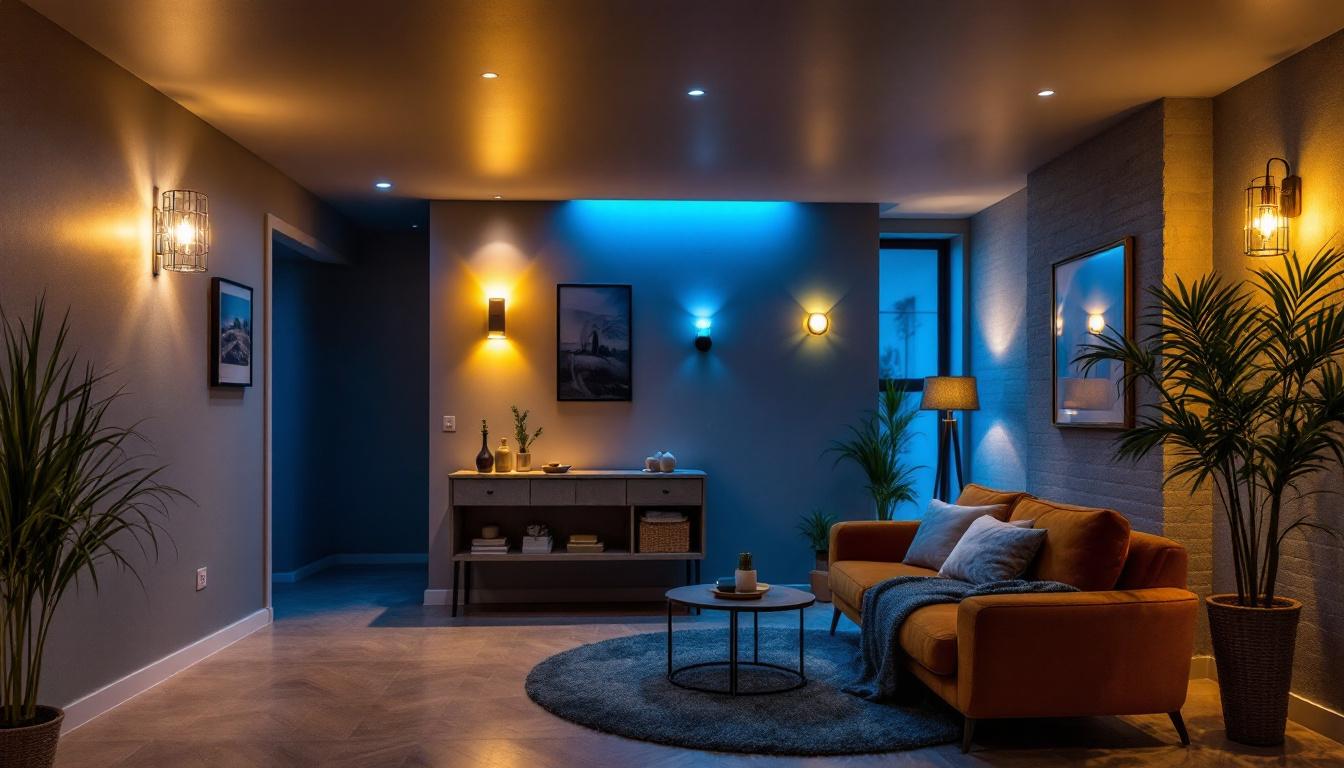
Contractors should also consider layering lighting—combining ambient, task, and accent lighting—to accommodate different activities and create visual interest. This layered approach enhances usability and can transform a typically dark basement into a vibrant, welcoming area. Incorporating dimmers can further enhance the versatility of the lighting scheme, allowing homeowners to adjust brightness levels based on the time of day or the specific mood they wish to create. Additionally, the use of LED fixtures not only provides energy efficiency but also offers a range of color temperatures, enabling a customized atmosphere that can adapt to various occasions, from cozy movie nights to lively gatherings.
Essential Lighting Types for Basement Installations
Choosing the right types of lighting fixtures is critical for basement projects. Each type serves a specific purpose and contributes to the overall lighting scheme.
Recessed Lighting: Maximizing Space and Uniformity
Recessed lights, often called can lights or downlights, are a staple in basement lighting due to their low profile and ability to distribute light evenly. They are ideal for low ceilings because they don’t intrude into the room’s vertical space. LED recessed fixtures are preferred for their energy efficiency, long lifespan, and low heat output.
When installing recessed lighting, contractors should space fixtures approximately 4 to 6 feet apart to avoid dark spots and ensure consistent illumination. Using adjustable trims can also help direct light to specific areas, enhancing functionality. Additionally, incorporating dimmable options can provide versatility, allowing homeowners to adjust the ambiance according to different activities, whether it’s a cozy movie night or a lively gathering with friends.
Track Lighting: Flexibility and Focus
Track lighting offers versatility by allowing multiple adjustable heads on a single track. This flexibility is valuable in basements where lighting needs may change over time or where accent lighting is desired to highlight artwork, architectural features, or shelving.
For contractors, selecting high-quality track systems with smooth adjustability and compatibility with LED bulbs is important. Proper placement along walls or ceilings can maximize the effectiveness of track lighting without cluttering the space. Furthermore, using a combination of different bulb types within the track can create unique lighting effects, such as using warmer tones for a relaxed atmosphere or cooler tones for a more vibrant, energetic feel, catering to the diverse needs of basement spaces.
Wall Sconces and Accent Lighting: Adding Depth and Warmth
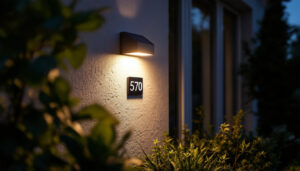
Wall sconces can add both ambient and accent lighting, softening the overall atmosphere and reducing the starkness often associated with basement spaces. They are particularly useful in hallways, stairwells, or as supplementary lighting in living areas.
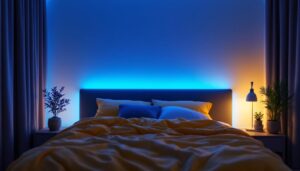
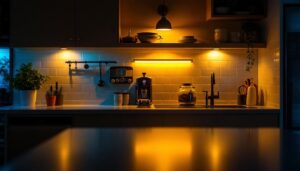
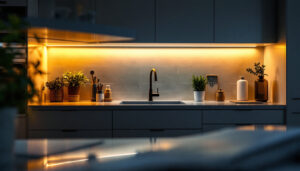
Accent lighting, such as LED strip lights under cabinets or along baseboards, can create visual interest and improve safety by illuminating pathways. Contractors should ensure these fixtures are rated for indoor use and installed with appropriate power sources and controls. Moreover, strategically placed wall sconces can also serve as decorative elements, enhancing the aesthetic appeal of the basement while providing necessary illumination. Choosing fixtures with dimming capabilities can further enhance the versatility of these lights, allowing for mood adjustments depending on the occasion.
Task Lighting: Enhancing Functionality
Task lighting is essential in basement areas designated for specific activities like laundry rooms, workshops, or home offices. Bright, focused light helps reduce eye strain and improves productivity.
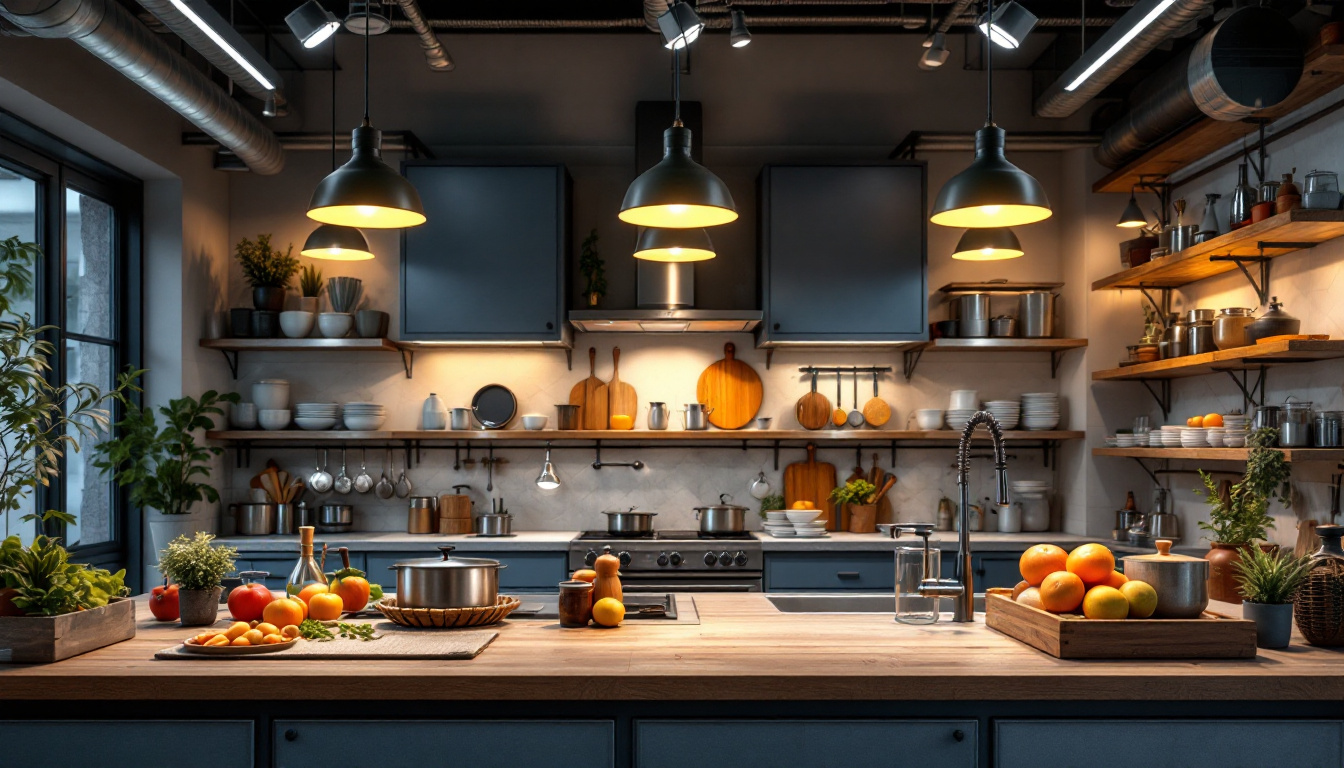
Contractors should recommend adjustable fixtures such as swing-arm lamps, under-cabinet lights, or directional track heads. Incorporating dimmable options allows users to customize lighting levels based on the task at hand. In addition, utilizing layered lighting techniques by combining task lighting with ambient and accent lighting can create a well-rounded environment that supports various activities while maintaining an inviting atmosphere. For instance, in a home office setup, a combination of a bright desk lamp and softer overhead lights can foster both concentration and comfort, making the space more conducive to productivity.
Technical Considerations for Basement Lighting Installations
Beyond fixture selection, several technical factors must be addressed to ensure a successful basement lighting project.
Electrical Load and Circuit Planning
Basements often have limited electrical circuits, so contractors must carefully plan load distribution to avoid overloads and ensure compliance with local electrical codes. LED lighting reduces power consumption significantly, allowing more fixtures on a single circuit without compromising safety.
It’s also advisable to install dedicated circuits for high-demand areas like workshops or entertainment centers. Proper labeling and documentation of circuits facilitate future maintenance and upgrades.
Moisture and Safety Ratings
Basements can be prone to moisture, especially in areas near sump pumps, laundry rooms, or unfinished sections. Lighting fixtures should have appropriate Ingress Protection (IP) ratings or be listed for damp or wet locations as required.
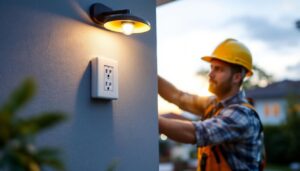
Contractors should also use GFCI-protected outlets and switches in areas susceptible to moisture to prevent electrical hazards. Ensuring all wiring methods and fixtures meet National Electrical Code (NEC) requirements is non-negotiable for safety and insurance compliance.
Control Systems and Energy Efficiency
Modern lighting controls enhance both functionality and energy savings. Installing dimmers, occupancy sensors, and smart lighting systems allows users to tailor lighting to their needs while reducing unnecessary energy consumption.
For example, motion sensors in storage areas or utility rooms ensure lights are on only when needed, extending bulb life and lowering electricity bills. Smart lighting integration also offers remote control and scheduling capabilities, appealing to tech-savvy homeowners.
Design Tips to Maximize Aesthetic Appeal and Comfort
Lighting contractors play a crucial role in shaping the ambiance of basement spaces. Thoughtful design choices can transform a basement from a dark, uninviting area into a comfortable and stylish extension of the home.
Color Temperature Selection
Choosing the right color temperature impacts the mood and perceived warmth of the space. Warmer color temperatures (2700K to 3000K) create a cozy, inviting feel suitable for living areas and entertainment rooms. Cooler temperatures (3500K to 4100K) are better for task-oriented spaces like workshops or laundry rooms, where clarity and focus are priorities.
Contractors should advise clients on the psychological effects of lighting color and recommend consistent color temperatures throughout connected spaces to avoid visual discomfort.
Using Reflective Surfaces and Light Colors
Basements often have darker walls and floors, which absorb light and make spaces feel smaller. Encouraging the use of light-colored paints, reflective finishes, and strategically placed mirrors can amplify lighting effectiveness.
Contractors can collaborate with interior designers or provide guidance on how lighting interacts with room finishes, ensuring the installed lighting complements the overall design scheme.
Layering and Zoning
Implementing lighting zones allows different areas of the basement to be illuminated independently, accommodating various activities and moods. For instance, a media zone might benefit from dimmable ambient lighting, while a bar area requires bright task lighting.
Layering ambient, task, and accent lighting creates depth and prevents the space from feeling flat or monotonous. Contractors should plan circuits and controls accordingly to support this flexibility.
Maintenance and Longevity Considerations
Basement lighting installations must be durable and easy to maintain, given the environment and potential access challenges.
Choosing Durable Fixtures and Bulbs
LED fixtures with robust housings and quality components tend to have longer lifespans and withstand basement conditions better than traditional incandescent or fluorescent options. Selecting fixtures with replaceable LED modules can simplify future maintenance.
Contractors should also consider fixture accessibility during installation, ensuring bulbs and components can be replaced without requiring extensive disassembly or ceiling access.
Regular Inspection and Cleaning
Basements can accumulate dust and humidity, which may degrade lighting performance over time. Scheduling periodic inspections to check for fixture integrity, wiring condition, and cleanliness helps maintain optimal lighting quality and safety.
Contractors can offer maintenance packages or educate clients on simple cleaning and inspection routines to prolong the life of their lighting systems.
Final Checklist for Lighting Contractors
To ensure a comprehensive and successful basement lighting project, contractors should use the following checklist as a guide:
- Assess basement layout and ceiling height to determine suitable fixture types and placement.
- Calculate required illumination levels based on room function and size.
- Select energy-efficient LED fixtures with appropriate ratings for damp or wet locations.
- Plan electrical circuits carefully to avoid overloads and comply with code.
- Incorporate layered lighting combining ambient, task, and accent fixtures.
- Choose color temperatures that enhance comfort and usability.
- Implement lighting controls such as dimmers, sensors, and smart systems.
- Coordinate with interior finishes to maximize light reflection and aesthetic appeal.
- Ensure fixture accessibility for maintenance and bulb replacement.
- Provide client education on operation and upkeep of the lighting system.
By following these guidelines, lighting contractors can deliver basement lighting solutions that are safe, efficient, and visually appealing, ultimately enhancing the value and enjoyment of these often-underutilized spaces.
Illuminate Your Basements with LumenWholesale
Ready to elevate your basement lighting projects with superior quality and value? Look no further than LumenWholesale. Our extensive range of spec-grade lighting products is designed to meet the unique challenges of basement environments, ensuring you deliver not just illumination, but also ambiance and safety. With unbeatable wholesale prices and the convenience of free shipping, LumenWholesale is your go-to source for lighting that combines quality, affordability, and hassle-free bulk buying. Take the next step in transforming those underutilized spaces into vibrant, welcoming areas. Discover the perfect lighting solutions for your next project at Wholesale Lighting at the Best Value.