Understanding UV Light Sanitizing and Its Importance in Modern Lighting
Ultraviolet (UV) light sanitizing has gained significant traction in various industries, especially in healthcare, commercial spaces, and residential applications. For lighting contractors, understanding the science and application of UV light is crucial to delivering effective and safe sanitizing solutions to clients.
UV light sanitizing utilizes specific wavelengths of ultraviolet radiation to inactivate microorganisms such as bacteria, viruses, and fungi. Unlike traditional chemical disinfectants, UV light offers a chemical-free, rapid, and environmentally friendly method for surface and air sterilization. This technology has become particularly relevant in the context of heightened awareness around hygiene and infection control.
Lighting contractors play a pivotal role in integrating UV sanitizing systems into existing or new lighting infrastructures. This requires a thorough knowledge of UV light types, safety protocols, and installation best practices to ensure optimal performance and user safety.
Moreover, the effectiveness of UV light sanitizing is heavily influenced by factors such as exposure time, intensity, and the distance from the surface being sanitized. For instance, UV-C light, which operates at a wavelength between 200 to 280 nanometers, is particularly effective at disrupting the DNA of pathogens, rendering them inactive. As a result, many facilities are now exploring the use of UV-C fixtures in high-touch areas like hospitals, schools, and public transportation to mitigate the spread of infectious diseases.
In addition to its application in sanitizing, UV light technology is also being harnessed for its benefits in enhancing indoor air quality. UV air purifiers, which utilize UV light to eliminate airborne pathogens, are becoming increasingly popular in residential and commercial settings. These systems not only help in reducing the transmission of airborne illnesses but also contribute to a healthier living environment by minimizing allergens and other pollutants. As awareness of indoor air quality continues to grow, lighting contractors must stay informed about the latest advancements in UV technology to provide clients with comprehensive solutions that address both sanitization and air quality needs.
Types of UV Light and Their Applications in Sanitizing
UV-A, UV-B, and UV-C: What Lighting Contractors Need to Know
UV light is categorized into three main types based on wavelength: UV-A (315-400 nm), UV-B (280-315 nm), and UV-C (100-280 nm). Among these, UV-C is the most effective for sanitizing purposes due to its germicidal properties.
UV-C light disrupts the DNA and RNA of microorganisms, preventing replication and effectively neutralizing pathogens. This makes it ideal for use in hospitals, laboratories, HVAC systems, and public spaces. However, UV-C light is also harmful to human skin and eyes, which necessitates careful consideration during installation and operation. In addition to its effectiveness against bacteria and viruses, UV-C light has been shown to inactivate a variety of pathogens, including fungi and spores, making it a versatile tool in the fight against infectious diseases. As such, it is increasingly being integrated into various sanitation protocols, especially in the wake of global health challenges.
Far UV-C: The Emerging Safe Alternative
Far UV-C (207-222 nm) is an emerging technology that offers germicidal benefits with reduced risk to human health. Studies suggest that far UV-C light does not penetrate the outer dead layer of human skin or the tear layer of the eyes, making it safer for occupied spaces. While still under evaluation in some respects, far UV-C lamps are becoming an attractive option for continuous sanitizing in environments like offices, schools, and public transit. This innovative approach not only addresses the safety concerns associated with traditional UV-C light but also opens the door for more widespread adoption in everyday settings. For instance, some researchers are exploring the use of far UV-C in air purification systems and surface disinfection units, aiming to create safer environments without the need for extensive downtime or evacuation procedures.
Key Considerations for Lighting Contractors When Installing UV Sanitizing Systems
Assessing the Environment and Client Needs
Before installation, lighting contractors must conduct a comprehensive assessment of the environment. Factors such as room size, surface materials, airflow, and occupancy patterns influence the effectiveness of UV sanitizing systems. For instance, UV light sanitizing is most effective on direct surfaces and in air ducts but has limited penetration through shadows or opaque materials.
Understanding client needs is equally important. Healthcare facilities may require high-intensity UV-C systems with strict safety interlocks, while commercial offices might benefit from far UV-C systems for continuous air and surface sanitization without disrupting daily activities.
Compliance with Safety Standards and Regulations
UV light, particularly UV-C, poses health risks if improperly used. Lighting contractors must adhere to industry safety standards such as those outlined by the Illuminating Engineering Society (IES), the American National Standards Institute (ANSI), and the Occupational Safety and Health Administration (OSHA). Proper signage, protective equipment, and automated shutoff mechanisms are essential components of safe UV system installations.
Additionally, contractors should stay informed about local regulations governing UV device usage and certification requirements. Ensuring compliance not only protects users but also mitigates liability risks.
Integration with Existing Lighting and Building Systems
Successful UV sanitizing installations often involve integration with existing lighting controls, HVAC systems, and building automation. For example, UV lamps installed in air ducts can be synchronized with ventilation schedules to maximize pathogen reduction while minimizing energy consumption.
Lighting contractors must collaborate with HVAC specialists and facility managers to design systems that complement overall building operations. This holistic approach enhances system efficiency and client satisfaction.
Installation Best Practices for UV Sanitizing Lighting
Proper Placement and Coverage
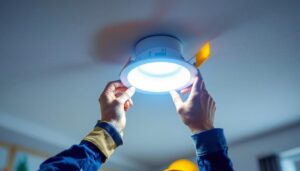
Effective UV sanitizing requires strategic placement of lamps to ensure maximum exposure to target surfaces or air streams. Contractors should avoid areas where UV light may be blocked or shadowed, as this reduces sanitizing efficacy. In rooms, ceiling-mounted UV-C units or mobile UV robots can be used to cover large surface areas.
For HVAC applications, lamps should be installed in accessible locations within ducts to facilitate maintenance and ensure unobstructed UV exposure to airflow.
Ensuring Electrical and Mechanical Compatibility
UV lamps have specific electrical requirements, including voltage, current, and ballast compatibility. Lighting contractors must verify that the building’s electrical infrastructure supports the UV system specifications. Additionally, mechanical mounting should be secure and vibration-resistant to prevent damage or misalignment of UV bulbs.
Proper wiring, grounding, and surge protection are critical to maintain system longevity and safety.
Commissioning and Testing
After installation, commissioning involves verifying that the UV system operates as intended. This includes measuring UV intensity at various points, checking safety interlocks, and confirming integration with building controls. Contractors should use calibrated UV meters to ensure lamps deliver the required germicidal dose.
Routine testing protocols should be established with clients to maintain system performance over time, including lamp replacement schedules and cleaning procedures.
Maintenance and Longevity of UV Sanitizing Systems
Regular Cleaning and Lamp Replacement
UV lamps accumulate dust and debris over time, which can significantly reduce their output. Regular cleaning of lamp surfaces and fixtures is essential to maintain sanitizing effectiveness. Lighting contractors should educate clients on proper cleaning techniques, using non-abrasive materials and avoiding moisture intrusion into electrical components.
Lamp life varies by technology but generally ranges from 8,000 to 12,000 hours. Contractors should recommend and schedule timely lamp replacements to ensure continuous germicidal performance.
Monitoring System Performance
Advanced UV systems may include sensors and monitoring software that track lamp intensity and operational status. Lighting contractors can offer maintenance contracts that include remote monitoring services, enabling proactive identification of performance issues and reducing downtime.
Encouraging clients to maintain logs of UV system usage and maintenance activities supports compliance and helps optimize sanitizing schedules.
Addressing Safety Concerns and Educating Clients
Personal Protective Equipment and Exposure Limits
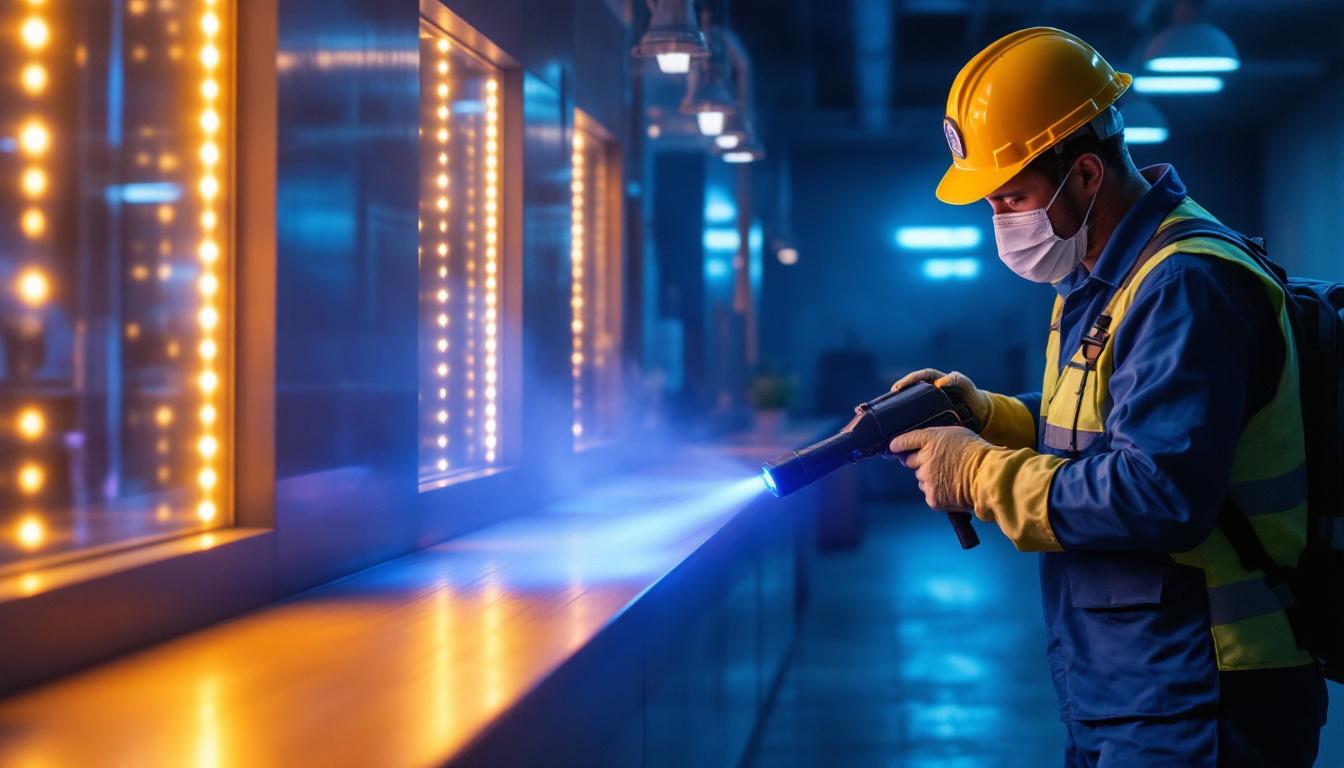
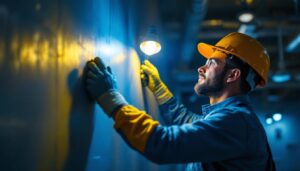
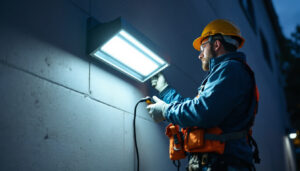
UV-C radiation can cause skin burns and eye injuries. During installation and maintenance, contractors must wear appropriate personal protective equipment (PPE), including UV-blocking goggles, gloves, and long-sleeved clothing. Clients should be informed about the dangers of direct exposure and instructed on safe operation procedures.
Establishing clear exposure limits and using automated shutoff systems or occupancy sensors can prevent accidental human exposure during UV lamp operation.
Client Training and Documentation
Providing comprehensive training to clients ensures they understand system functions, safety protocols, and maintenance requirements. Detailed documentation, including operation manuals, safety guidelines, and troubleshooting tips, empowers clients to manage their UV sanitizing systems effectively.
Lighting contractors who invest in client education build trust and foster long-term relationships.
Future Trends and Opportunities in UV Light Sanitizing
The UV sanitizing market continues to evolve with advancements in lamp technology, such as LED-based UV sources and far UV-C innovations. These developments promise increased energy efficiency, longer lifespans, and safer applications in occupied spaces.
Lighting contractors who stay abreast of emerging technologies and incorporate smart controls will be well-positioned to offer cutting-edge solutions that meet growing demand for hygienic environments. Additionally, expanding into integrated systems that combine UV sanitizing with air purification and IoT connectivity presents lucrative opportunities.
As awareness of infection control remains high, UV light sanitizing will remain a critical component of building health strategies, making expertise in this area invaluable for lighting contractors.
Conclusion
UV light sanitizing represents a powerful tool for enhancing hygiene and safety across diverse environments. For lighting contractors, mastering the best practices in UV system selection, installation, maintenance, and client education is essential to delivering effective and safe solutions.
By understanding the nuances of UV technology, adhering to safety standards, and integrating systems thoughtfully, contractors can provide valuable services that protect public health and meet the evolving needs of their clients. Embracing this expertise not only expands service offerings but also positions contractors as trusted partners in the pursuit of cleaner, healthier spaces.
Get Your UV Sanitizing Lighting Solutions from LumenWholesale
Ready to elevate your lighting projects with the best UV sanitizing solutions? Look no further than LumenWholesale, where we provide contractors with the highest quality, spec-grade lighting products at unbeatable wholesale prices. Our extensive selection is designed to meet the highest industry standards, ensuring you get reliable, high-performance lighting for every project. Plus, with free shipping on bulk orders, you can secure premium lighting at the best value — without hidden fees or compromises. Don’t miss out on the perfect blend of quality, affordability, and convenience. Visit LumenWholesale today for Wholesale Lighting at the Best Value and make your next project shine.