Understanding Programmable Timer Lights: A Foundation for Lighting Contractors
Programmable timer lights have become a cornerstone in modern lighting solutions, offering convenience, energy efficiency, and enhanced security. For lighting contractors, a deep understanding of these devices is essential to meet client expectations and deliver effective installations.
At their core, programmable timer lights allow users to set specific on and off schedules for lighting fixtures. This automation eliminates the need for manual operation, which is particularly valuable in both residential and commercial settings. Clients increasingly seek lighting contractors who can advise on the best timer options tailored to their unique needs.
Moreover, the integration of programmable timers with smart home systems has expanded their functionality. Lighting contractors must stay informed about compatibility with various platforms such as Wi-Fi, Zigbee, or Z-Wave to provide seamless user experiences. This connectivity not only allows for remote control via smartphones or tablets but also enables users to monitor their energy consumption, leading to more informed decisions about their lighting usage.
Types of Programmable Timer Lights
There are several varieties of programmable timer lights, each with distinct features and applications. Mechanical timers, which operate via physical dials, remain popular for their simplicity and affordability. However, digital timers offer greater precision and flexibility, often including multiple on/off settings per day and the ability to program different schedules for weekdays and weekends.
Advanced models now incorporate features like randomization to simulate occupancy, an important consideration for clients concerned about home security. Understanding these options enables contractors to recommend solutions that align with client priorities. Additionally, some timers now come equipped with daylight sensors that adjust lighting based on the natural light available, further enhancing energy savings and ensuring that spaces are well-lit when needed. This adaptability not only meets the aesthetic preferences of clients but also promotes sustainability, a growing concern in today’s environmentally conscious market.
Furthermore, the rise of app-controlled programmable timer lights means that clients can manage their lighting from virtually anywhere, adding a layer of convenience that appeals to tech-savvy homeowners and business operators alike. These apps often include features such as scheduling, dimming, and color-changing capabilities, allowing for a personalized lighting experience that can enhance mood and productivity. As a result, lighting contractors must familiarize themselves with these technologies to provide comprehensive solutions that cater to the evolving demands of their clientele.
Client Expectations: Energy Efficiency and Cost Savings
One of the primary reasons clients invest in programmable timer lights is to reduce energy consumption and lower utility bills. Lighting contractors should be prepared to discuss how timers contribute to these goals and quantify potential savings.
According to energy efficiency studies, lighting accounts for a significant portion of electricity usage in both residential and commercial buildings. By ensuring lights operate only when needed, programmable timers can reduce energy waste substantially. For example, a commercial office that uses timer-controlled lighting can cut lighting energy use by up to 30%, depending on occupancy patterns and existing control systems.
Clients expect lighting contractors not only to install these devices but also to educate them on best practices for maximizing energy savings. This includes advising on optimal scheduling, integrating timers with LED fixtures, and considering daylight sensors or motion detectors as complementary technologies. The integration of these elements not only enhances energy efficiency but also improves the overall user experience by ensuring that lighting is both functional and responsive to the environment.
Case Study: Commercial Energy Management
Consider a retail store that implemented programmable timer lights across its display and exterior lighting. By programming lights to turn off during non-business hours and adjusting schedules seasonally, the store reduced its lighting energy costs by nearly 25%. This example highlights the tangible benefits clients anticipate when hiring knowledgeable lighting contractors.
Additionally, the store reported an increase in customer satisfaction due to improved lighting conditions during operational hours. By strategically using programmable timers to create a welcoming atmosphere, the store was able to enhance product visibility and create a more inviting shopping experience. This not only contributed to energy savings but also positively impacted sales, demonstrating that energy efficiency measures can align with business goals. Furthermore, the store’s proactive approach to energy management positioned it as a leader in sustainability within the community, attracting eco-conscious consumers and enhancing its brand reputation.
Technical Proficiency: Installation and Troubleshooting
Clients expect lighting contractors to possess technical expertise not only in selecting the right programmable timer lights but also in their proper installation and maintenance. Incorrect installation can lead to malfunction, reduced lifespan, or safety hazards. A well-installed system not only enhances the aesthetic appeal of a space but also ensures that the lighting functions efficiently and safely, minimizing the risk of electrical fires or other hazards associated with poor wiring practices.
Lighting contractors must be adept at wiring timers according to manufacturer specifications and local electrical codes. This includes understanding load capacities, compatibility with different types of lighting (e.g., incandescent, fluorescent, LED), and ensuring proper grounding and surge protection. Additionally, staying updated on evolving electrical codes and industry standards is crucial, as regulations can change frequently. Knowledge of energy-efficient practices can also play a significant role, as clients increasingly prioritize sustainability in their lighting choices.
Furthermore, troubleshooting skills are critical. Clients often rely on contractors to diagnose issues such as timers failing to operate on schedule, flickering lights, or unexpected resets. Being able to quickly identify and resolve these problems enhances client trust and satisfaction. Effective troubleshooting not only involves technical know-how but also strong communication skills, as contractors must explain the issues and solutions clearly to clients. This transparency fosters a collaborative relationship, encouraging clients to seek the contractor’s expertise for future projects.
Integration with Smart Systems
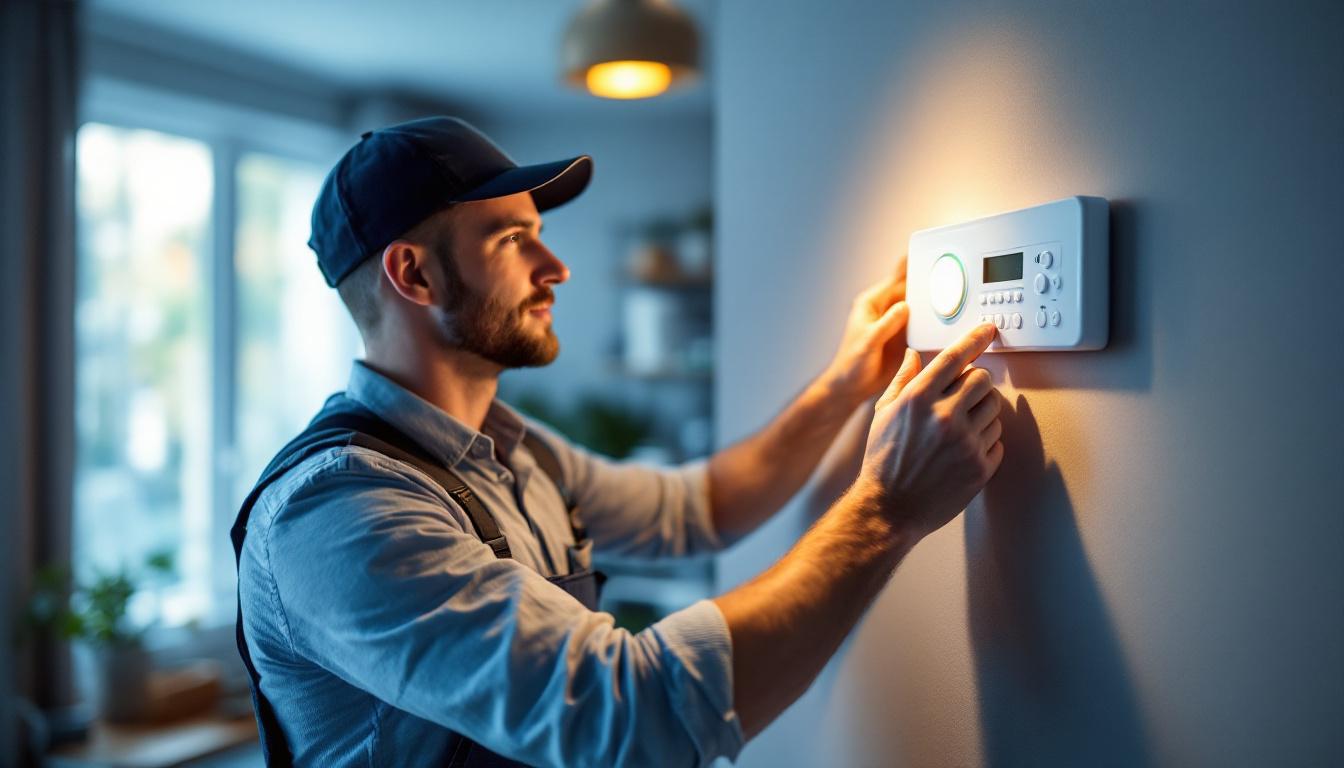
As smart home and building automation systems become more prevalent, lighting contractors should be proficient in integrating programmable timer lights with these platforms. This requires knowledge of communication protocols, app configuration, and network security considerations. Understanding how various smart devices communicate—whether through Wi-Fi, Zigbee, or Z-Wave—is essential for creating a cohesive and responsive lighting system. Moreover, contractors must be aware of potential compatibility issues that may arise when integrating different brands and technologies.
Clients expect seamless control over their lighting via smartphones or voice assistants, and contractors who can deliver this functionality differentiate themselves in a competitive market. The ability to set schedules, adjust brightness, and change colors with a simple voice command or a tap on an app not only enhances convenience but also elevates the overall user experience. Additionally, educating clients on the benefits of smart lighting—such as energy savings and enhanced security features—can lead to more informed purchasing decisions and increased satisfaction with the installed systems. As the demand for smart home solutions continues to grow, contractors who embrace these technologies will find themselves at the forefront of the industry, ready to meet the evolving needs of their clients.
Customization and Client-Centric Solutions
Every client has unique needs and preferences when it comes to lighting control. Lighting contractors are expected to provide customized solutions rather than one-size-fits-all products.
For residential clients, this might mean programming timers to accommodate irregular schedules, such as shift work or seasonal changes. For commercial clients, customization could involve integrating timers with occupancy sensors to optimize lighting based on real-time usage.
Effective communication during the consultation phase is essential. Contractors should ask detailed questions about the client’s daily routines, security concerns, and aesthetic preferences to recommend the most appropriate programmable timer lights and settings.
Enhancing Security Through Lighting Automation
Clients often view programmable timer lights as a security feature. Timed lighting can deter potential intruders by simulating occupancy, especially when combined with randomized on/off patterns. Lighting contractors should be able to explain these benefits and configure timers accordingly.
Additionally, exterior lighting controlled by timers can improve safety around entrances, walkways, and parking areas. Understanding these security applications allows contractors to position themselves as trusted advisors.
Regulatory Compliance and Industry Standards
Lighting contractors must be knowledgeable about relevant regulations and standards governing programmable timer lights. Compliance ensures installations are safe, reliable, and eligible for potential energy rebates or incentives.
For example, many regions have building codes that specify requirements for lighting controls in commercial buildings, including the use of timers or occupancy sensors. Familiarity with these codes enables contractors to guide clients through the permitting process and avoid costly rework.
Additionally, understanding certification programs such as ENERGY STAR or DLC (DesignLights Consortium) helps contractors recommend products that meet high efficiency and performance criteria, further enhancing client confidence.
Environmental Considerations
Clients are increasingly conscious of environmental impact. Lighting contractors who can articulate how programmable timer lights contribute to sustainability goals—by reducing energy consumption and carbon footprints—add value to their services.
Offering solutions that align with green building certifications or corporate social responsibility initiatives can open new business opportunities and strengthen client relationships.
Future Trends and Innovations in Programmable Timer Lighting
Staying ahead of industry trends is crucial for lighting contractors aiming to meet evolving client expectations. The programmable timer light market is rapidly advancing, driven by technological innovation and changing consumer demands.
Emerging trends include the integration of artificial intelligence to learn user habits and optimize lighting schedules automatically. Additionally, advancements in wireless communication and battery technology are expanding the versatility and ease of installation for timer lights.
Lighting contractors who invest in ongoing education and training on these developments will be better positioned to offer cutting-edge solutions that impress clients and foster long-term loyalty.
Smart Lighting Ecosystems
The future of programmable timer lights lies in their role within broader smart lighting ecosystems. These systems enable centralized control of multiple lighting zones, energy monitoring, and adaptive lighting based on environmental conditions.
Clients expect lighting contractors to understand these complex systems and provide integration services that maximize functionality and user convenience.
Conclusion: Meeting and Exceeding Client Expectations
Programmable timer lights represent a vital component of modern lighting solutions, offering benefits that range from energy savings to enhanced security and convenience. Lighting contractors are expected to possess comprehensive knowledge of these devices, including their types, installation requirements, customization options, and integration capabilities.
By staying informed about industry standards, emerging technologies, and client priorities, contractors can deliver tailored solutions that not only meet but exceed expectations. This expertise not only drives client satisfaction but also positions contractors as trusted professionals in a competitive marketplace.
Ultimately, understanding what clients expect regarding programmable timer lights enables lighting contractors to provide value-driven services that enhance both the functionality and sustainability of lighting installations.
Illuminate Your Projects with LumenWholesale
Ready to elevate your lighting installations with the latest programmable timer lights? At LumenWholesale, we provide lighting contractors like you with the highest quality, spec-grade lighting products at exceptional wholesale prices. Say goodbye to local distributor markups and hello to a vast selection of reliable, high-performance lighting that meets rigorous industry standards. With the added convenience of free shipping on bulk orders, you can ensure your projects shine with premium lighting solutions that promise both affordability and quality. Don’t compromise on your lighting needs—choose LumenWholesale for the best value in wholesale lighting. Wholesale Lighting at the Best Value.