Understanding LED Retrofit Trim: A Key to Modern Lighting
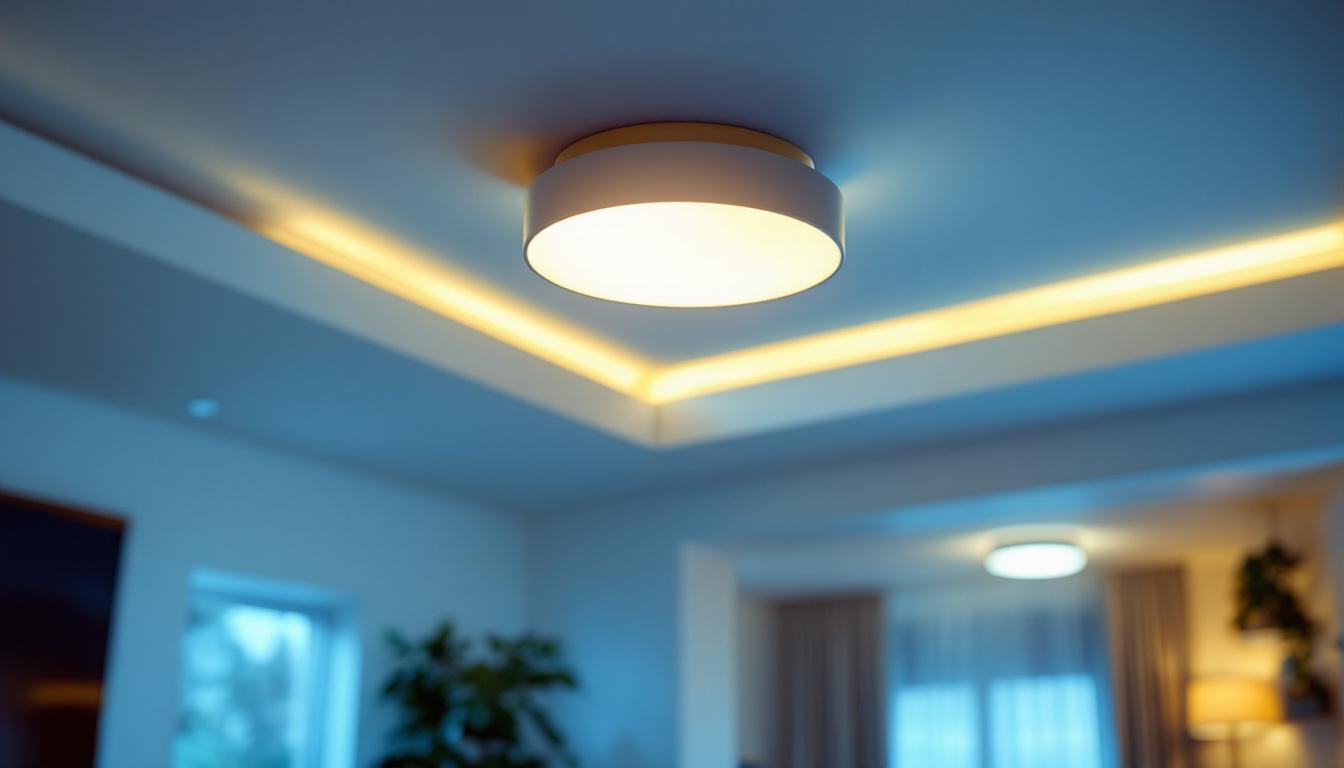
LED retrofit trims have become an essential component in the evolution of lighting solutions. For lighting contractors, understanding the nuances of LED retrofit trims is crucial to delivering efficient, cost-effective, and aesthetically pleasing lighting installations. These trims serve as the visible finishing element that houses the LED light source within recessed lighting fixtures, offering both functional and decorative benefits.
Unlike traditional incandescent or fluorescent trims, LED retrofit trims are designed to accommodate the unique characteristics of LED technology. They facilitate easy upgrades to existing lighting systems without the need for extensive rewiring or fixture replacement. This not only saves time and labor costs but also minimizes disruption to occupied spaces—a significant advantage in commercial and residential projects.
Moreover, LED retrofit trims are engineered to optimize light distribution, reduce glare, and enhance energy efficiency. Their compatibility with dimmers and smart controls further empowers contractors to tailor lighting environments to client needs, reinforcing the value proposition of LED retrofits in contemporary lighting design.
In addition to their practical advantages, LED retrofit trims come in a variety of styles and finishes, allowing for seamless integration into diverse interior designs. From sleek, modern aesthetics to more traditional appearances, these trims can be customized to match the decor of any space. This versatility not only enhances the visual appeal of a room but also allows homeowners and businesses to express their unique style through lighting choices. Furthermore, many LED trims are available with adjustable color temperatures, enabling users to switch between warm and cool light settings, which can significantly affect the ambiance of a room.
Another noteworthy aspect of LED retrofit trims is their environmental impact. By utilizing energy-efficient LED technology, these trims contribute to reduced energy consumption and lower utility bills, making them an eco-friendly option for conscientious consumers. Additionally, many manufacturers are now focusing on sustainable materials and production processes, further enhancing the green credentials of LED retrofit trims. As awareness of environmental issues continues to grow, the demand for such sustainable lighting solutions is likely to increase, positioning LED retrofit trims as a forward-thinking choice in the lighting industry.
Benefits of Using LED Retrofit Trims in Lighting Projects
Energy Efficiency and Cost Savings
One of the most compelling reasons to leverage LED retrofit trims is their remarkable energy efficiency. LEDs consume significantly less power compared to traditional lighting sources, often reducing energy use by up to 75%. This reduction translates directly into lower utility bills for clients, an attractive selling point for contractors aiming to provide long-term value.
Additionally, LED retrofit trims have a longer lifespan, typically lasting 25,000 to 50,000 hours, which decreases maintenance frequency and associated costs. For commercial clients, this longevity means fewer disruptions and reduced labor expenses over time.
Ease of Installation and Compatibility
LED retrofit trims are designed for straightforward installation into existing recessed housings. This plug-and-play approach eliminates the need for extensive electrical modifications, making upgrades faster and less labor-intensive. Contractors can retrofit older fixtures with minimal downtime, a critical factor in commercial and hospitality settings where lighting disruptions can impact operations.
Compatibility is another advantage. Many LED retrofit trims are engineered to fit standard housing sizes, such as 4-inch, 5-inch, and 6-inch cans, allowing contractors to stock fewer SKUs and streamline project planning. This versatility supports a wide range of applications, from residential kitchens to office spaces and retail environments.
Improved Lighting Quality and Design Flexibility
LED retrofit trims offer superior lighting quality compared to traditional options. They provide consistent color temperature, high color rendering index (CRI), and uniform light distribution, enhancing the visual appeal and functionality of spaces. High CRI values, often above 80 or even 90, ensure that colors appear natural and vibrant, which is particularly important in retail and hospitality settings.
Design flexibility is another benefit. LED trims come in various styles, finishes, and beam angles, allowing contractors to customize lighting schemes to client preferences and architectural requirements. Whether the goal is accent lighting, general illumination, or task lighting, LED retrofit trims can be tailored to achieve the desired ambiance and performance.
Selecting the Right LED Retrofit Trim for Your Projects
Assessing Fixture Compatibility and Housing Type
Before selecting an LED retrofit trim, contractors must evaluate the existing fixture housing. Compatibility is critical to ensure safe installation and optimal performance. Common housing types include remodel housings, new construction housings, and shallow or deep cans. Each type may require specific retrofit trims designed to fit securely and accommodate heat dissipation needs.
Understanding the housing’s dimensions, mounting style, and electrical connections helps avoid costly mistakes and ensures a seamless retrofit process. Many manufacturers provide compatibility charts and technical specifications to assist contractors in making informed choices.
Evaluating Lighting Performance Metrics
Key performance metrics such as lumen output, color temperature, beam angle, and dimming capability should guide trim selection. Lumen output determines brightness; selecting the appropriate level ensures spaces are well-lit without excessive energy consumption. Color temperature, measured in Kelvins, affects the mood and functionality of a space—warmer tones (2700K-3000K) create cozy environments, while cooler tones (3500K-5000K) are suited for task-oriented areas.
Beam angle influences light spread; narrow beams highlight specific areas, while wide beams provide general illumination. Dimming compatibility is essential for projects requiring adjustable lighting scenes, and contractors should verify that trims work with existing or planned dimmer switches.
Considering Aesthetics and Application Needs
The visual impact of LED retrofit trims cannot be overlooked. Contractors should consider the architectural style and client preferences when choosing trim finishes—options range from matte white and black to metallic and decorative designs. The trim’s shape, whether baffle, reflector, or eyeball, also affects glare control and light direction.
Application-specific requirements, such as wet location ratings for bathrooms or outdoor soffits, must be factored into the selection process. Ensuring that trims meet relevant safety and performance standards guarantees durability and client satisfaction.
Maximizing the Advantages of LED Retrofit Trims in Installation
Best Practices for Efficient Installation
Efficient installation practices can significantly enhance project outcomes. Contractors should begin by verifying that power is disconnected before starting work to ensure safety. Removing old trims carefully preserves the housing integrity, allowing for a smooth retrofit.
Proper alignment and secure mounting of the LED retrofit trim are crucial to avoid light leaks and ensure aesthetic appeal. Following manufacturer instructions regarding wiring connections and trim attachment methods reduces the risk of installation errors and product damage.
Addressing Thermal Management and Longevity
Although LED retrofit trims generate less heat than traditional bulbs, managing thermal conditions remains important to maintain performance and lifespan. Contractors should ensure that trims are compatible with the housing’s thermal design and that ventilation is adequate. Overheating can lead to premature failure and diminished light quality.
Using trims with integrated heat sinks or thermal management features can mitigate these risks. Educating clients about the importance of proper fixture maintenance further supports long-term lighting system reliability.
Incorporating Smart Controls and Energy Management
Integrating LED retrofit trims with smart lighting controls offers contractors an opportunity to deliver cutting-edge solutions. Compatibility with occupancy sensors, daylight harvesting systems, and programmable dimmers enhances energy savings and user convenience.
Smart controls enable dynamic lighting scenes and remote management, appealing to commercial clients seeking operational efficiencies and sustainability. Contractors should stay informed about emerging technologies and ensure that retrofit trims support these advanced features.
Case Studies: Successful LED Retrofit Trim Applications
Commercial Office Upgrade
A mid-sized office building underwent a lighting retrofit to improve energy efficiency and employee comfort. By replacing outdated fluorescent trims with high-CRI LED retrofit trims featuring adjustable beam angles, the contractor enhanced light quality and reduced energy consumption by over 60%. The retrofit was completed with minimal disruption, thanks to the trims’ compatibility with existing housings.
The client reported improved employee satisfaction and a noticeable decrease in utility expenses. This project exemplifies how LED retrofit trims can deliver tangible benefits in commercial environments.
Hospitality Lighting Enhancement
In a boutique hotel, the lighting contractor leveraged LED retrofit trims with warm color temperatures and decorative finishes to create inviting guest spaces. The trims’ dimmable features allowed for customizable ambiance in guest rooms and public areas, aligning with the hotel’s brand identity.
Energy savings and reduced maintenance demands contributed to operational efficiencies, while the aesthetic upgrade elevated the overall guest experience. This case highlights the versatility of LED retrofit trims in hospitality applications.
Residential Kitchen Renovation
A residential kitchen remodel incorporated LED retrofit trims to replace outdated recessed lighting. The contractor selected trims with narrow beam angles and high CRI to enhance task lighting and color accuracy for cooking and food preparation.
The retrofit trims’ ease of installation allowed the project to stay on schedule, and the homeowner appreciated the improved lighting quality and lower energy bills. This scenario demonstrates how LED retrofit trims can be effectively utilized in residential settings.
Future Trends and Innovations in LED Retrofit Trims
The LED retrofit trim market continues to evolve, driven by advances in materials, optics, and smart technology integration. Emerging trends include ultra-thin trims designed for minimalistic aesthetics, enhanced thermal management systems, and improved compatibility with wireless control platforms.
Lighting contractors should monitor these developments to maintain a competitive edge and meet increasing client demands for sustainability and customization. The integration of human-centric lighting features, which adjust color temperature and intensity based on circadian rhythms, is also gaining traction, offering new opportunities for health-focused lighting solutions.
Staying informed about regulatory changes and incentive programs related to energy-efficient lighting can further empower contractors to advocate for LED retrofit trims in their projects, maximizing benefits for clients and the environment alike.
Conclusion: Leveraging LED Retrofit Trims for Superior Lighting Solutions
LED retrofit trims represent a powerful tool for lighting contractors aiming to deliver superior lighting solutions that combine energy efficiency, aesthetic appeal, and ease of installation. By understanding the technical specifications, application requirements, and emerging trends, contractors can select and install retrofit trims that meet diverse client needs and project demands.
Embracing LED retrofit trims not only enhances project outcomes but also positions contractors as leaders in sustainable and innovative lighting practices. As the lighting industry continues to advance, leveraging these trims effectively will remain a cornerstone of successful lighting design and installation.
Get Your Premium LED Retrofit Trims at LumenWholesale
Ready to elevate your lighting projects with the best LED retrofit trims on the market? Look no further than LumenWholesale, where we provide contractors with superior, spec-grade lighting products at unbeatable wholesale prices. Our extensive selection is designed to meet the highest industry standards, ensuring you deliver reliable and high-performance lighting solutions every time. Plus, with free shipping on bulk orders, you can enjoy premium quality without hidden fees or compromises. Don’t miss out on the perfect blend of quality, affordability, and convenience. Visit LumenWholesale now to take advantage of Wholesale Lighting at the Best Value and transform your lighting installations today.