Introduction: The Shift from Fluorescent to LED Lighting
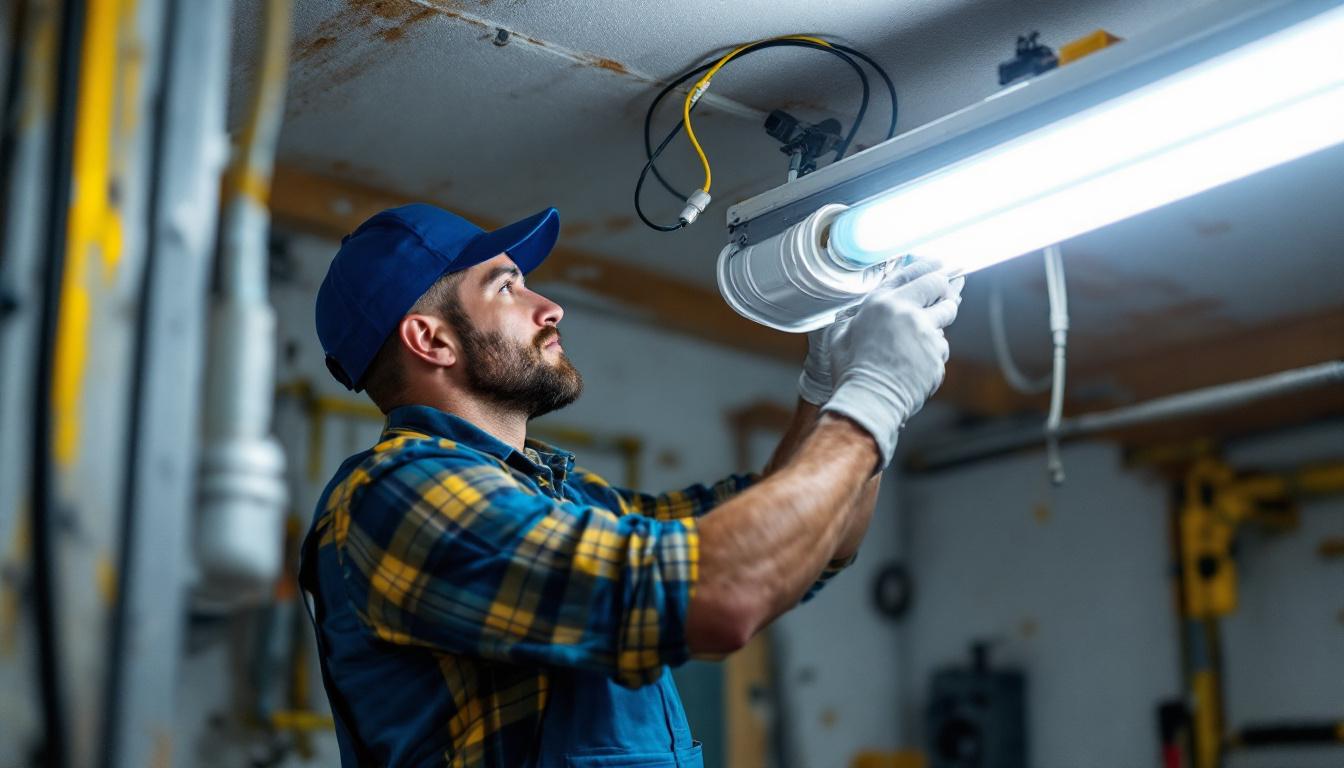
Lighting technology has evolved rapidly over recent years, with LED (Light Emitting Diode) lighting emerging as the preferred choice for energy efficiency, longevity, and environmental benefits. For lighting contractors, understanding how to rewire fluorescent fixtures for LED retrofits is an essential skill that can expand service offerings and increase client satisfaction.
Fluorescent lighting, once the industry standard for commercial and residential applications, is gradually being phased out due to its energy consumption and maintenance costs. LEDs offer superior performance and reduced operational expenses, making them a smart upgrade. However, the process of converting existing fluorescent fixtures to LED requires more than simply swapping out bulbs—it involves rewiring and ensuring compatibility with LED drivers and power supplies.
One of the key advantages of LED lighting is its remarkable energy efficiency. LEDs consume up to 75% less energy than traditional fluorescent bulbs, which not only leads to significant cost savings on electricity bills but also contributes to a reduced carbon footprint. This is particularly important in an era where sustainability is a priority for many businesses and homeowners alike. Furthermore, the longevity of LED lights—often lasting up to 25,000 hours or more—means that they require far less frequent replacement, reducing waste and the environmental impact associated with the disposal of old bulbs.
Moreover, the adaptability of LED technology allows for a wide range of applications and designs. From dimmable options to smart lighting systems that can be controlled via mobile devices, the versatility of LEDs opens up new possibilities for creating customized lighting solutions tailored to specific needs. As lighting contractors become adept at retrofitting existing fixtures, they can also educate clients about the benefits of smart lighting controls, which can enhance energy savings and improve the overall functionality of a space. This knowledge not only positions contractors as experts in the field but also fosters trust and long-term relationships with clients looking to modernize their lighting systems.
Understanding Fluorescent and LED Lighting Systems
Fluorescent Lighting Basics
Fluorescent lights operate by passing an electric current through mercury vapor, which produces ultraviolet light that excites phosphor coating inside the tube, emitting visible light. These fixtures rely on ballasts to regulate the current and provide the necessary voltage to start and sustain the lamp.
Ballasts can be magnetic or electronic, and their presence is critical to the operation of fluorescent tubes. However, ballasts also contribute to energy loss and can be a source of failure, leading to increased maintenance. Magnetic ballasts are typically heavier and less efficient, while electronic ballasts provide a flicker-free operation and can improve energy efficiency by up to 30%. Despite these advantages, the lifespan of fluorescent tubes is still limited, often requiring replacement every 7 to 15 months, depending on usage and environmental conditions.
LED Lighting Fundamentals
LEDs generate light through electroluminescence, where electrons recombine with electron holes within a semiconductor material, releasing energy in the form of photons. This process is highly efficient and produces less heat compared to fluorescent lighting. As a result, LEDs can last significantly longer, often exceeding 25,000 hours of use, which translates to years of maintenance-free operation in many applications.
LED fixtures typically include drivers that convert AC power to the appropriate DC voltage and current required by the LED chips. Unlike fluorescent ballasts, LED drivers are designed for the specific electrical characteristics of LEDs, ensuring stable operation and longer lifespan. This adaptability allows for a wide range of applications, from residential lighting to complex commercial installations, where dimming capabilities and color temperature adjustments can enhance the ambiance and functionality of a space.
Key Differences Impacting Retrofitting
The fundamental differences between fluorescent and LED systems mean that retrofitting is not a simple plug-and-play process. Fluorescent ballasts are incompatible with LED tubes unless specifically designed for such use. Moreover, the wiring configuration must be adapted to bypass or remove the ballast, ensuring the LED receives the correct voltage and current. This can involve rewiring fixtures and ensuring compatibility with existing electrical systems, which may require the expertise of a qualified electrician.
Additionally, the physical dimensions of LED replacements can differ from their fluorescent counterparts, necessitating adjustments to fixture housings or even complete replacements in some cases. Furthermore, while the initial investment in LED technology may be higher, the long-term savings on energy bills and reduced maintenance costs often justify the transition. Many businesses and homeowners are now considering the environmental benefits as well, as LED lighting reduces carbon footprints and contributes to sustainability goals, making it an increasingly attractive option in modern lighting design.
Why Rewire Fluorescent Fixtures for LED?
Energy Efficiency and Cost Savings
One of the most compelling reasons to rewire fluorescent fixtures for LED is the significant reduction in energy consumption. LEDs use approximately 50-70% less energy than fluorescent lamps, translating to lower utility bills and reduced carbon footprint.
For lighting contractors, offering rewiring services can help clients realize these savings while positioning themselves as experts in sustainable lighting solutions.
Improved Reliability and Maintenance
Fluorescent ballasts and tubes have limited lifespans and are prone to flickering, buzzing, and failure. LEDs, on the other hand, can last up to 50,000 hours or more, reducing maintenance frequency and costs.
Rewiring to LED eliminates ballast-related issues, resulting in more reliable lighting systems and increased customer satisfaction.
Compliance with Regulations and Incentives
Many regions have regulations phasing out inefficient lighting technologies and promoting energy-efficient alternatives. Additionally, utility companies often provide rebates and incentives for upgrading to LED lighting.
By offering professional rewiring services, contractors can help clients navigate these regulations and take advantage of available incentives, enhancing project value.
Preparing for the Rewiring Process
Assessment and Planning
Before beginning any rewiring project, a thorough assessment of the existing fluorescent fixtures is essential. This includes identifying the type of ballast (magnetic or electronic), fixture condition, wiring layout, and compatibility with LED tubes.
Planning should also consider the type of LED retrofit product to be installed—whether direct wire (ballast bypass), plug-and-play (ballast compatible), or hybrid solutions. Direct wire options typically require rewiring but offer the best energy savings and reliability.
Tools and Safety Equipment
Rewiring fluorescent fixtures requires specific tools and safety precautions. Essential tools include wire strippers, voltage testers, screwdrivers, wire nuts, electrical tape, and multimeters. Contractors should also have access to proper personal protective equipment (PPE) such as insulated gloves and safety glasses.
Ensuring power is disconnected before starting work is critical to prevent electrical hazards.
Step-by-Step Guide to Rewiring Fluorescent Fixtures for LED
Step 1: Power Off and Verify
Turn off the power supply at the circuit breaker and use a voltage tester to confirm that the fixture is de-energized. This step is vital to ensure safety throughout the rewiring process.
Step 2: Remove Fluorescent Tubes and Ballast
Carefully remove the fluorescent tubes from the fixture. Then, open the fixture housing to access the ballast and wiring. Disconnect and remove the ballast, taking note of the wiring connections for reference.
Step 3: Identify and Label Wires
Identify the line (live), neutral, and ground wires within the fixture. Labeling these wires helps prevent confusion during rewiring and ensures correct connections.
Step 4: Rewire for Direct Wire LED Tubes
For direct wire LED tubes, the ballast is bypassed entirely. Connect the line wire directly to the socket’s live terminal and the neutral wire to the socket’s neutral terminal. Some LED tubes require single-ended power, meaning only one end of the tube is powered, so verify the wiring instructions provided by the LED manufacturer.
Ensure all connections are secure and insulated properly with wire nuts or connectors.
Step 5: Install LED Tubes and Test
Install the LED tubes according to manufacturer specifications. Restore power and test the fixture to confirm proper operation. Check for flickering, buzzing, or dimming, which may indicate wiring issues.
Step 6: Finalize Installation
Once functionality is confirmed, close the fixture housing securely. Clean the workspace and dispose of fluorescent tubes and ballast components according to local regulations, as they may contain hazardous materials such as mercury.
Common Challenges and Troubleshooting Tips
Compatibility Issues
Not all LED tubes are compatible with every fluorescent fixture. Using the wrong type can cause flickering or failure. It’s important to select LED tubes designed for ballast bypass or plug-and-play applications based on the rewiring approach.
Wiring Confusion
Fluorescent fixtures can have complex wiring configurations, especially in multi-lamp setups. Contractors should carefully document wiring before removal and consult wiring diagrams to avoid errors.
Electrical Code Compliance
Rewiring must comply with local electrical codes and standards. This includes proper grounding, wire gauge, and securing connections. Contractors should stay updated on code changes and ensure all work passes inspection.
Best Practices for Lighting Contractors
Stay Informed on Product Innovations
The LED lighting market is continually evolving, with new products offering improved efficiency and ease of installation. Contractors should regularly review manufacturer updates and training opportunities to stay competitive.
Educate Clients on Benefits and Options
Clients may be unaware of the advantages of rewiring fluorescent fixtures for LED or the different retrofit options available. Providing clear information and cost-benefit analyses can facilitate decision-making and build trust.
Offer Comprehensive Services
Beyond rewiring, contractors can provide additional services such as lighting design consultation, energy audits, and maintenance plans. This holistic approach can increase project value and client loyalty.
Environmental and Economic Impact of LED Retrofits
Transitioning from fluorescent to LED lighting significantly reduces energy consumption, which in turn lowers greenhouse gas emissions associated with electricity generation. According to energy studies, LED lighting can cut lighting-related energy use by more than half in commercial buildings.
From an economic perspective, although the initial investment in LED retrofits may be higher than simply replacing fluorescent tubes, the long-term savings in energy and maintenance costs provide a compelling return on investment. Lighting contractors who master the rewiring process can leverage these benefits to attract environmentally conscious and cost-savvy clients.
Conclusion: Mastering LED Retrofits for Future-Proof Lighting Solutions
For lighting contractors, rewiring fluorescent fixtures for LED is more than a technical task—it represents an opportunity to lead in the transition toward sustainable, efficient lighting. By understanding the electrical differences, adhering to safety and code requirements, and applying best practices, contractors can deliver high-quality retrofits that satisfy client needs and regulatory demands.
Embracing this expertise not only enhances professional reputation but also contributes to broader energy conservation goals, positioning contractors as key players in the evolving lighting industry.
Get Your Premium Lighting Supplies at LumenWholesale
Ready to take your lighting projects to the next level? LumenWholesale is your trusted partner for all your LED retrofit needs. With our extensive selection of top-quality, spec-grade lighting products, you can ensure every rewiring project shines with excellence. Say goodbye to local distributor markups and hello to unbeatable wholesale prices, backed by the convenience of free shipping on bulk orders. Don’t compromise on quality or value—choose LumenWholesale for reliable, high-performance lighting that meets the highest industry standards. Wholesale Lighting at the Best Value is just a click away. Elevate your service offerings and delight your clients with the best in the business.