Introduction to Gas Lighting in Residential Settings
Gas lighting, once a staple in urban streets and homes before the widespread adoption of electricity, has seen a niche resurgence in recent years. While electric lighting dominates the market due to convenience and technological advancements, gas lights still hold a unique position, especially in the context of energy efficiency and aesthetic appeal. For lighting contractors, understanding the role of gas lights in modern residential applications is essential—not only to meet diverse client needs but also to offer solutions that blend tradition with sustainability.
In this article, we explore the fundamentals of gas lighting for houses, its energy efficiency benefits, installation considerations, and how it compares to contemporary lighting technologies. This comprehensive overview aims to equip lighting professionals with the knowledge needed to make informed recommendations and installations.
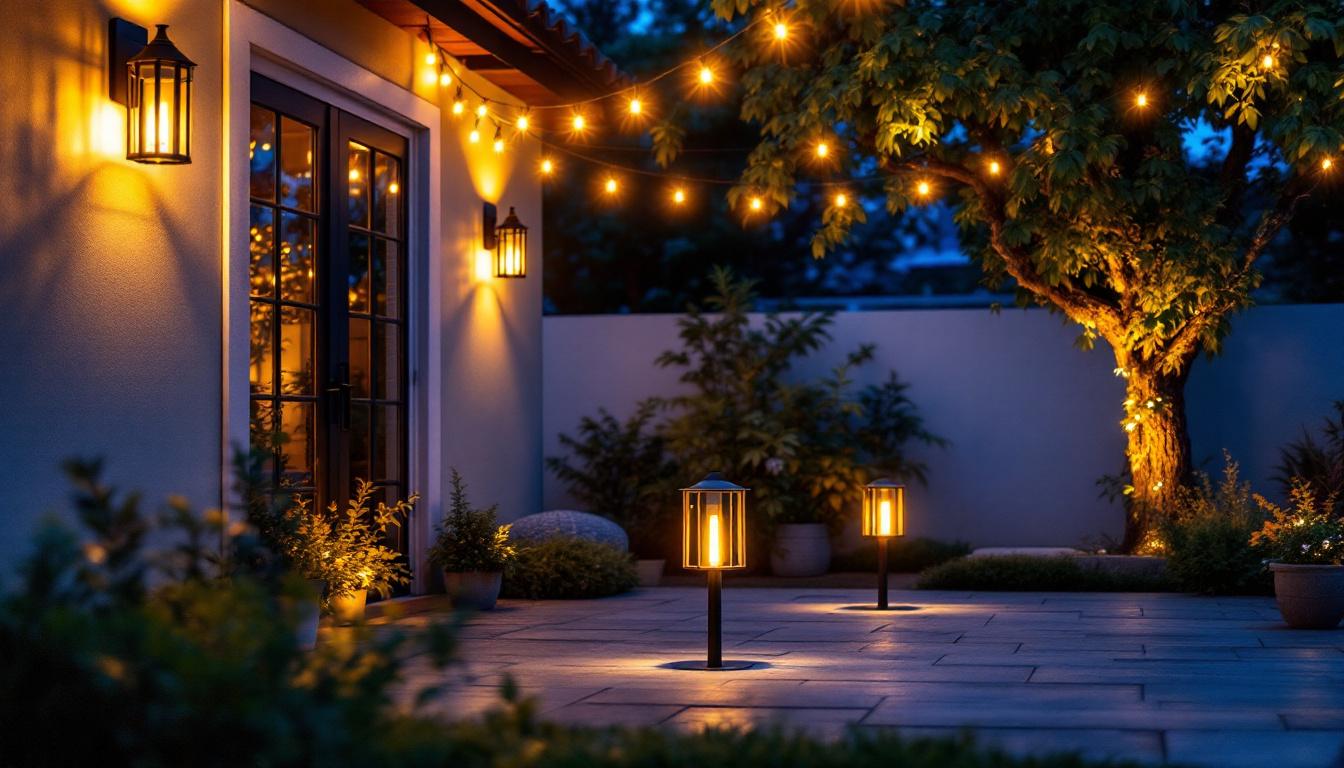
Gas lighting systems typically utilize natural gas or propane, which can be more efficient than traditional electric lighting in certain applications. The warm glow emitted from gas fixtures creates an inviting ambiance that electric lights often struggle to replicate. This characteristic makes gas lighting particularly appealing for outdoor spaces such as patios, gardens, and walkways, where homeowners wish to cultivate a cozy atmosphere for gatherings or relaxation. Moreover, the flickering flame of gas lights adds a dynamic element to the environment, enhancing the overall aesthetic appeal of a property.
Beyond aesthetics, gas lighting can also offer significant energy savings. With advancements in technology, modern gas fixtures are designed to maximize efficiency, often using less energy than their electric counterparts while providing comparable or superior illumination. Additionally, gas lights can function during power outages, ensuring that homes remain illuminated even when the grid fails. This reliability is particularly valuable in regions prone to severe weather or electrical disruptions. As homeowners increasingly seek energy-efficient solutions that align with sustainable living practices, gas lighting presents a compelling option that marries historical charm with modern-day functionality.
The Fundamentals of Gas Lighting
How Gas Lights Work
Gas lights operate by burning a fuel source—typically natural gas or propane—to produce light. The flame is usually enclosed within a glass fixture, which protects it from wind and enhances the diffusion of light. Unlike electric bulbs that rely on electrical current, gas lighting depends on combustion, which produces both light and heat. The combustion process not only illuminates spaces but also creates a cozy atmosphere, reminiscent of a bygone era.
This method of illumination predates electric lighting by over a century and was the primary source of street and indoor lighting in the 19th and early 20th centuries. Today, gas lights are often used for their distinctive warm glow and vintage charm. Their flickering flames can evoke a sense of nostalgia, transporting us back to a time when life moved at a slower pace. Many people appreciate the aesthetic value of gas lighting, which can add character to both indoor and outdoor settings, making them a popular choice for restaurants, gardens, and historic districts.
Types of Gas Lighting Fixtures for Homes
Gas lighting fixtures for residential use come in several styles, ranging from wall-mounted lanterns and chandeliers to freestanding post lamps. Many designs mimic historical aesthetics, featuring ornate metalwork and glass panels that enhance their classic appeal. Modern versions may incorporate safety features such as automatic shutoff valves and electronic ignition systems. These advancements not only improve safety but also make gas lighting more user-friendly, allowing homeowners to enjoy the beauty of gas lights without the hassle of traditional lighting methods.
For lighting contractors, selecting the appropriate fixture involves considering the architectural style of the home, the intended ambiance, and the practical aspects of installation and maintenance. Additionally, the choice of gas lighting can influence energy efficiency and cost-effectiveness, as gas can be a more economical option in certain regions. Homeowners might also explore the possibility of integrating gas lighting with smart home technology, allowing for enhanced control over brightness and flame height, thus marrying classic charm with modern convenience. This blend of old and new can create a unique lighting experience that caters to both aesthetic desires and functional needs.
Energy Efficiency and Environmental Impact
Comparing Gas Lighting to Electric Alternatives
One of the most critical considerations for lighting contractors today is energy efficiency. Gas lighting can be surprisingly efficient in certain contexts, particularly when used outdoors or in spaces where electric wiring is impractical or costly to install. The combustion of natural gas produces a steady, warm light without the energy losses associated with electrical transmission. This characteristic makes gas lighting particularly appealing for outdoor venues, such as parks and gardens, where the ambiance of a soft, flickering flame can create a welcoming atmosphere for gatherings and events.
However, it’s important to note that gas lighting emits carbon dioxide and other combustion byproducts, which contribute to greenhouse gas emissions. In contrast, electric lighting powered by renewable energy sources offers a cleaner environmental profile. The shift towards solar panels and wind energy has made electric lighting not only more sustainable but also increasingly cost-effective over time. Nonetheless, in regions where electricity generation relies heavily on fossil fuels, gas lighting may sometimes present a comparable or even lower carbon footprint. This nuanced perspective underscores the importance of considering local energy sources and environmental policies when making lighting decisions.
Operational Costs and Efficiency Metrics
From an operational standpoint, gas lights can be cost-effective due to the relatively low price of natural gas compared to electricity in some markets. The efficiency of gas lights is often measured in lumens per cubic foot of gas consumed, and modern fixtures have improved this ratio through better burner designs and reflective surfaces. Additionally, gas lighting systems often require less maintenance than their electric counterparts, as they are less susceptible to issues like bulb burnout or electrical failures, which can lead to costly repairs and replacements.
Lighting contractors should evaluate local fuel costs, availability, and client preferences when recommending gas lighting solutions. Furthermore, the aesthetic appeal of gas lights, with their vintage charm and soft glow, can add significant value to outdoor spaces, making them a popular choice for restaurants and event venues looking to enhance their ambiance. Additionally, integrating gas lights with smart control systems can optimize usage and reduce waste, further enhancing energy efficiency. These systems can include timers and sensors that adjust lighting based on occupancy or ambient light levels, ensuring that gas lights are only in use when needed, thus maximizing both cost savings and environmental benefits.
Installation and Maintenance Considerations
Safety and Compliance Standards
Installing gas lighting requires strict adherence to safety codes and regulations. Proper ventilation, secure gas line connections, and leak detection are paramount to prevent hazards such as gas leaks and fire risks. Lighting contractors must be well-versed in local building codes and standards governing gas appliance installations.
Routine inspections and maintenance are also essential to ensure safe operation. This includes checking for corrosion, cleaning burner components, and verifying the integrity of gas lines and valves.
Integration with Modern Home Systems
Modern gas lighting can be integrated with home automation systems, allowing homeowners to control lighting remotely or on schedules. Electronic ignition systems reduce the need for manual lighting and enhance safety by providing automatic shutoff in case of flame failure.
Lighting contractors should consider these technological advancements when designing and installing gas lighting systems, as they significantly improve user experience and operational efficiency.
Aesthetic and Functional Benefits of Gas Lighting
Creating Ambiance and Enhancing Architectural Features
Gas lighting offers a unique ambiance characterized by a soft, flickering glow that is difficult to replicate with electric lights. This quality makes gas lights particularly appealing for historic homes, period restorations, and outdoor spaces such as patios and gardens.
The warm color temperature of gas flames complements traditional building materials like brick, stone, and wood, enhancing the overall aesthetic. For lighting contractors, emphasizing these visual and atmospheric benefits can be a key selling point when consulting with clients.
Durability and Longevity
Gas lighting fixtures are often constructed from durable materials such as brass, copper, and wrought iron, which age gracefully and require minimal replacement. Unlike electric bulbs that need periodic changing, gas flames burn continuously with proper fuel supply, reducing maintenance frequency.
This durability can translate into long-term cost savings for homeowners, making gas lighting an attractive option for those seeking both style and substance.
Challenges and Limitations
Environmental Concerns and Regulatory Trends
Despite their charm and efficiency in certain contexts, gas lights face increasing scrutiny due to environmental concerns. Many municipalities are implementing stricter regulations on fossil fuel usage in residential areas, which may limit the adoption of new gas lighting installations.
Lighting contractors should stay informed about evolving policies and be prepared to advise clients on compliant and sustainable lighting options.
Competition from LED and Other Technologies
LED lighting technology has revolutionized the lighting industry by offering exceptional energy efficiency, longevity, and versatility. LEDs can mimic the warm glow of gas flames through advanced color rendering and flicker effects, providing a safer and more environmentally friendly alternative.
While gas lighting maintains a niche appeal, contractors must balance client desires for authenticity with practical considerations such as energy consumption and regulatory compliance.
Conclusion: Gas Lighting as a Strategic Option for Lighting Contractors
Gas lighting for houses remains a relevant and intriguing option within the broader landscape of residential lighting. For lighting contractors, mastering the technical, aesthetic, and regulatory aspects of gas lighting can open doors to specialized projects and discerning clientele.
By understanding the energy efficiency profile, installation requirements, and unique benefits of gas lights, contractors can provide comprehensive guidance that aligns with client goals and modern sustainability standards. Whether used to enhance historic properties or create distinctive outdoor environments, gas lighting continues to offer a blend of tradition and efficiency that deserves a place in the energy-conscious lighting professional’s toolkit.
Illuminate Your Projects with LumenWholesale
Ready to elevate your lighting projects with the charm of gas lights and the assurance of energy efficiency? Look no further than LumenWholesale for a vast selection of spec-grade lighting products that promise quality and affordability. Our commitment to providing contractors with superior lighting solutions at wholesale prices means you can bring tradition and modernity together without breaking the bank. Enjoy the convenience of free shipping on bulk orders and discover the best value in lighting—just a click away. Visit LumenWholesale now and light up your next project with confidence.