Understanding the Importance of Motion Sensor Porch Lights
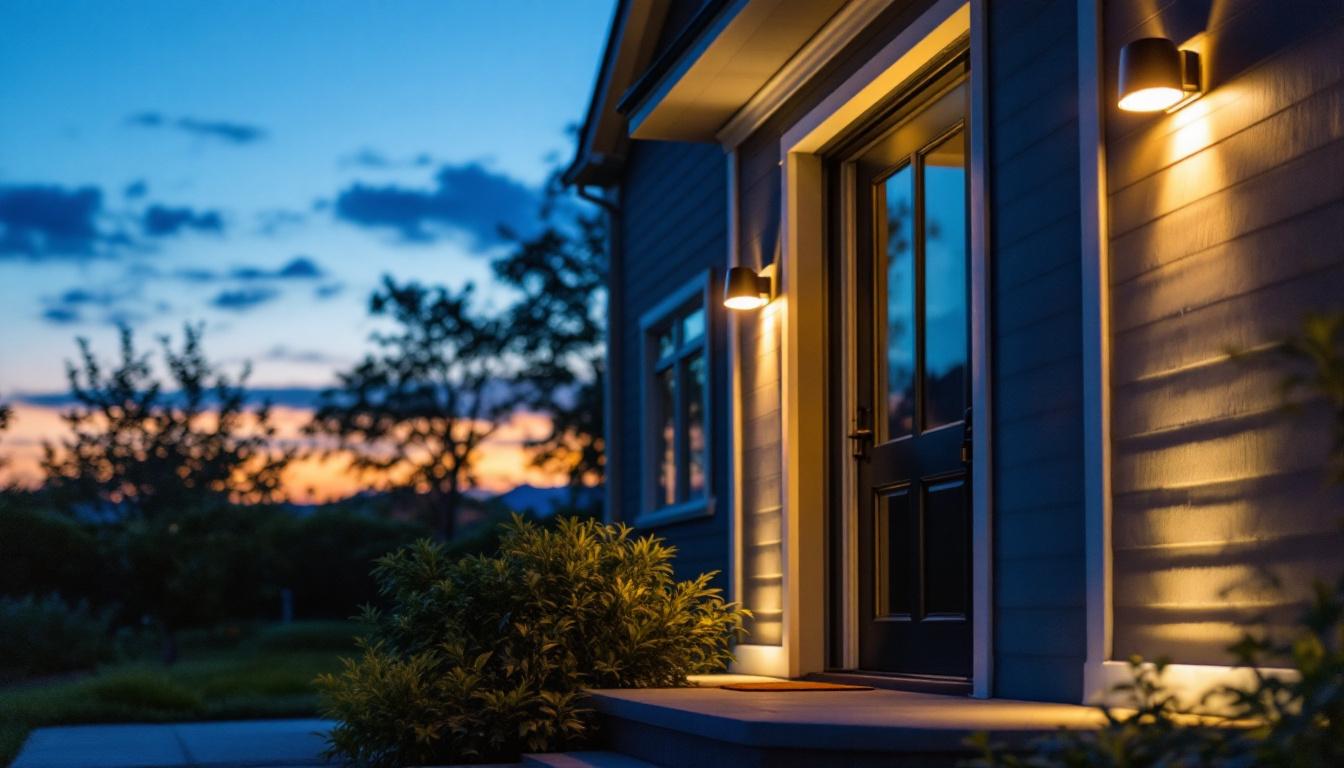
Motion sensor porch lights have become an essential feature in residential and commercial lighting designs. For lighting contractors, these fixtures offer a blend of security, convenience, and energy efficiency that traditional lighting solutions often lack. The integration of motion sensors into porch lighting systems not only enhances safety by deterring intruders but also provides homeowners with hands-free illumination when approaching their front doors. This instant lighting can be particularly beneficial for families with children or elderly members, as it reduces the risk of accidents in low-light conditions.
From a contractor’s perspective, understanding the nuances of motion sensor technology is critical to delivering installations that meet client expectations and comply with local electrical codes. As the demand for smart home features grows, motion sensor porch lights are increasingly sought after for their ability to integrate with broader home automation systems, making them a valuable addition to any lighting contractor’s portfolio. Furthermore, modern motion sensors come equipped with adjustable sensitivity settings and timers, allowing homeowners to customize their lighting experience based on their specific needs and preferences. This adaptability not only enhances user satisfaction but also promotes energy conservation, as lights can be programmed to turn off automatically after a set period of inactivity.
In addition to their practical benefits, motion sensor porch lights can also enhance the aesthetic appeal of a property. With a variety of designs available, from sleek and modern to classic and ornate, these fixtures can complement the architectural style of any home. Moreover, the strategic placement of motion sensor lights can highlight pathways, gardens, or architectural features, creating an inviting atmosphere while ensuring safety. As lighting technology continues to evolve, contractors are presented with the opportunity to educate clients on the latest advancements, such as solar-powered motion sensor lights, which offer an eco-friendly alternative that reduces reliance on grid electricity while still providing reliable illumination.
Key Features and Technologies in Motion Sensor Porch Lights
Types of Motion Sensors
There are primarily two types of motion sensors used in porch lights: passive infrared (PIR) sensors and microwave sensors. PIR sensors detect heat signatures emitted by humans or animals, making them highly effective for outdoor lighting applications. They are generally more energy-efficient and less prone to false triggers caused by moving objects like tree branches. This reliability makes them a popular choice for residential settings, where homeowners want to ensure that their lights activate only when necessary, thus enhancing security without unnecessary energy consumption.
Microwave sensors emit microwave pulses and measure the reflection off moving objects. While they can detect motion through certain materials and over longer distances, they are more susceptible to false alarms caused by environmental factors such as rain or wind. Lighting contractors should evaluate the installation environment carefully to select the most appropriate sensor type. For instance, in open areas with minimal obstructions, microwave sensors can provide extensive coverage, but in more confined spaces, the risk of false triggers may outweigh their benefits.
Adjustable Sensitivity and Range
Modern motion sensor porch lights often come with adjustable sensitivity settings, allowing contractors to fine-tune the detection range and angle. This flexibility is crucial for minimizing false activations while ensuring the light responds promptly to legitimate motion events. For example, in densely populated neighborhoods, a narrower detection angle may prevent the light from turning on due to passersby on the sidewalk. This feature is particularly valuable for homeowners who may have pets that roam freely in the yard, as it helps to avoid unnecessary lighting activations that could disturb the household or neighbors.
Additionally, the detection range can vary widely—from as little as 10 feet to over 50 feet—depending on the sensor model. Contractors should consider the typical approach paths to the porch and any obstructions that might interfere with sensor performance when selecting and positioning these fixtures. Furthermore, some advanced models allow for customization of the duration that the light remains on after activation, providing homeowners with the ability to adjust settings based on their specific needs, whether for brief visits or longer stays.
Lighting Options and Energy Efficiency
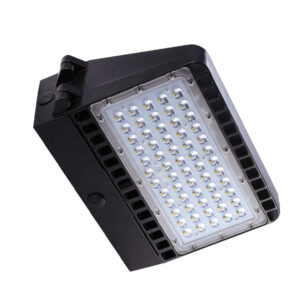
Most motion sensor porch lights utilize LED technology due to its longevity and low power consumption. LEDs offer superior brightness and color rendering compared to traditional incandescent or halogen bulbs, enhancing both security and curb appeal. Furthermore, LED fixtures often come with integrated sensors, simplifying installation and reducing the number of components. This integration not only streamlines the setup process but also minimizes potential points of failure, which can be particularly advantageous for homeowners looking for low-maintenance solutions.
Energy efficiency is a significant selling point for clients. Motion sensor lights reduce electricity usage by illuminating only when necessary, which can lead to substantial savings over time. Lighting contractors should be prepared to explain these benefits clearly to homeowners, emphasizing both environmental impact and cost-effectiveness. Additionally, many modern LED motion sensor lights are designed to withstand various weather conditions, ensuring that they remain functional and efficient throughout the seasons. This durability not only enhances the value of the investment but also contributes to the overall safety of the home, as reliable lighting can deter potential intruders and provide peace of mind for residents.
Best Practices for Installation and Configuration
Site Assessment and Placement
Before installation, a thorough site assessment is essential. Contractors should evaluate the porch layout, nearby vegetation, traffic patterns, and potential sources of interference. Proper placement of motion sensor lights is critical to their effectiveness. Sensors should be installed at a height that maximizes coverage while minimizing exposure to false triggers such as pets or passing vehicles.
For example, mounting a sensor too low may cause it to activate unnecessarily due to small animals, while placing it too high can reduce sensitivity to human movement. A height between 6 and 10 feet is typically recommended, but this can vary based on the sensor’s specifications and the property’s unique characteristics.
Wiring and Electrical Considerations
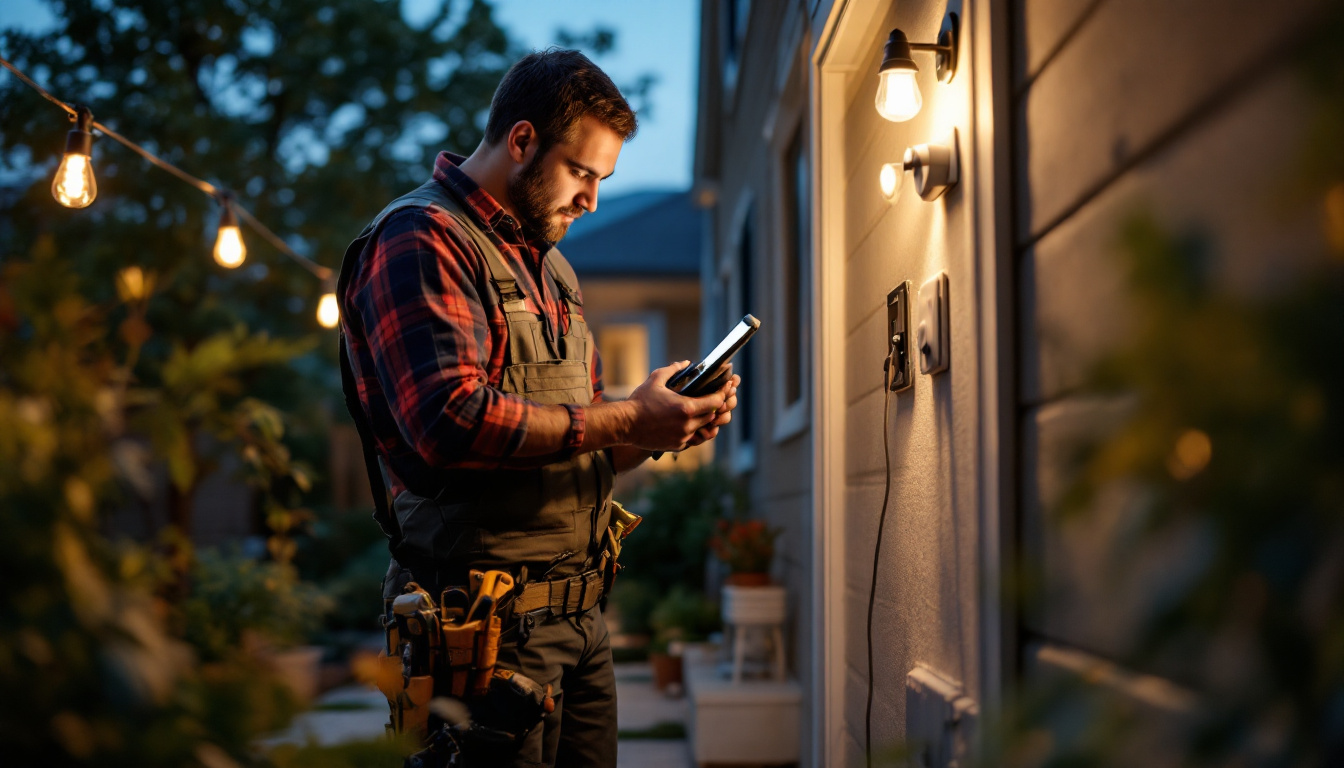
Lighting contractors must ensure that all wiring complies with the National Electrical Code (NEC) and local regulations. Motion sensor porch lights often require a dedicated circuit or integration into existing outdoor lighting circuits with appropriate surge protection. Weatherproof junction boxes and conduit are necessary to protect wiring from moisture and physical damage.
When installing fixtures with integrated sensors, contractors should verify compatibility with the home’s electrical system, including voltage and current ratings. For retrofit projects, it’s important to inspect existing wiring for wear or damage that could affect sensor performance or safety.
Programming and Testing
After installation, configuring the sensor’s settings is crucial for optimal operation. Contractors should adjust sensitivity, detection range, light duration, and ambient light thresholds to suit the client’s needs and the site conditions. Many sensors include a dusk-to-dawn feature that prevents the light from activating during daylight hours, conserving energy.
Testing the system thoroughly ensures that the light activates reliably when motion is detected and turns off after the preset time. Contractors should simulate typical approach scenarios and observe the sensor’s response from various angles and distances. Providing clients with a demonstration and basic operating instructions enhances customer satisfaction and reduces service calls.
Addressing Common Challenges and Client Concerns
Minimizing False Alarms
One of the most frequent issues with motion sensor porch lights is false alarms triggered by irrelevant motion such as passing cars, animals, or environmental factors like wind-blown debris. To mitigate this, contractors can recommend sensors with adjustable sensitivity and directional lenses that focus detection zones precisely.
In some cases, physical barriers such as shrubs or fencing can be strategically placed to block unwanted motion from the sensor’s field of view. Additionally, combining motion sensors with other security measures, such as video surveillance, can provide clients with a comprehensive solution that balances sensitivity with reliability.
Maintenance and Longevity
Clients often inquire about the maintenance requirements of motion sensor porch lights. Contractors should advise homeowners to periodically clean the sensor lenses to remove dirt, spider webs, or other obstructions that could impair detection. Checking for corrosion or damage to wiring and fixtures during routine home maintenance is also recommended.
LED-based motion sensor lights generally have a long lifespan, often exceeding 25,000 hours, reducing the frequency of bulb replacements. However, sensor components may require occasional recalibration or replacement over the years. Offering maintenance contracts or periodic inspection services can create additional revenue streams for contractors while ensuring client satisfaction.
Integrating with Smart Home Systems
As smart home technology becomes more prevalent, many clients seek motion sensor porch lights that can integrate with their existing automation platforms. Lighting contractors should familiarize themselves with popular protocols such as Zigbee, Z-Wave, and Wi-Fi-enabled devices to provide seamless integration options.
Smart motion sensor lights can be controlled remotely via smartphone apps, programmed to respond to specific triggers, or synchronized with other smart devices like doorbells and security cameras. Educating clients on these capabilities and offering installation services for smart lighting systems can position contractors as forward-thinking professionals in a competitive market.
Enhancing Client Relationships Through Expert Guidance
Lighting contractors who demonstrate expertise in motion sensor porch lights build trust and credibility with their clients. By providing detailed explanations of sensor technologies, installation best practices, and maintenance tips, contractors empower homeowners to make informed decisions that enhance their property’s safety and aesthetics.
Offering personalized consultations that consider the unique characteristics of each property helps contractors tailor solutions that maximize the benefits of motion sensor porch lighting. Additionally, staying current with industry trends and product innovations enables contractors to recommend the most effective and reliable products available.
Ultimately, a well-executed motion sensor porch light installation not only improves client satisfaction but also enhances the contractor’s reputation, leading to referrals and repeat business.
Conclusion
Motion sensor porch lights represent a vital component of modern outdoor lighting systems, combining security, convenience, and energy efficiency. For lighting contractors, mastering the selection, installation, and configuration of these fixtures is essential to delivering high-quality results that meet evolving client demands.
By understanding the different sensor technologies, adhering to best installation practices, addressing common challenges, and embracing smart home integration, contractors can position themselves as trusted experts in this growing market segment. Providing comprehensive advice and ongoing support ensures that clients enjoy the full benefits of motion sensor porch lighting for years to come.
Get Your Motion Sensor Porch Lights at LumenWholesale
Ready to elevate your lighting projects with the latest motion sensor porch lights? Look no further than LumenWholesale, where we provide lighting contractors with the highest quality, spec-grade lighting products at unbeatable wholesale prices. Our extensive selection is designed to meet the highest industry standards, ensuring you deliver reliable and high-performance lighting solutions to your clients. With LumenWholesale, bulk buying is a breeze, and with free shipping, you can enjoy premium lighting at the best value — without any hidden fees. Don’t compromise on quality or affordability. Discover wholesale lighting at the best value today and give your clients the safety, convenience, and energy efficiency they deserve with LumenWholesale.