Understanding Tugging Equipment and Its Role in Lighting Installation
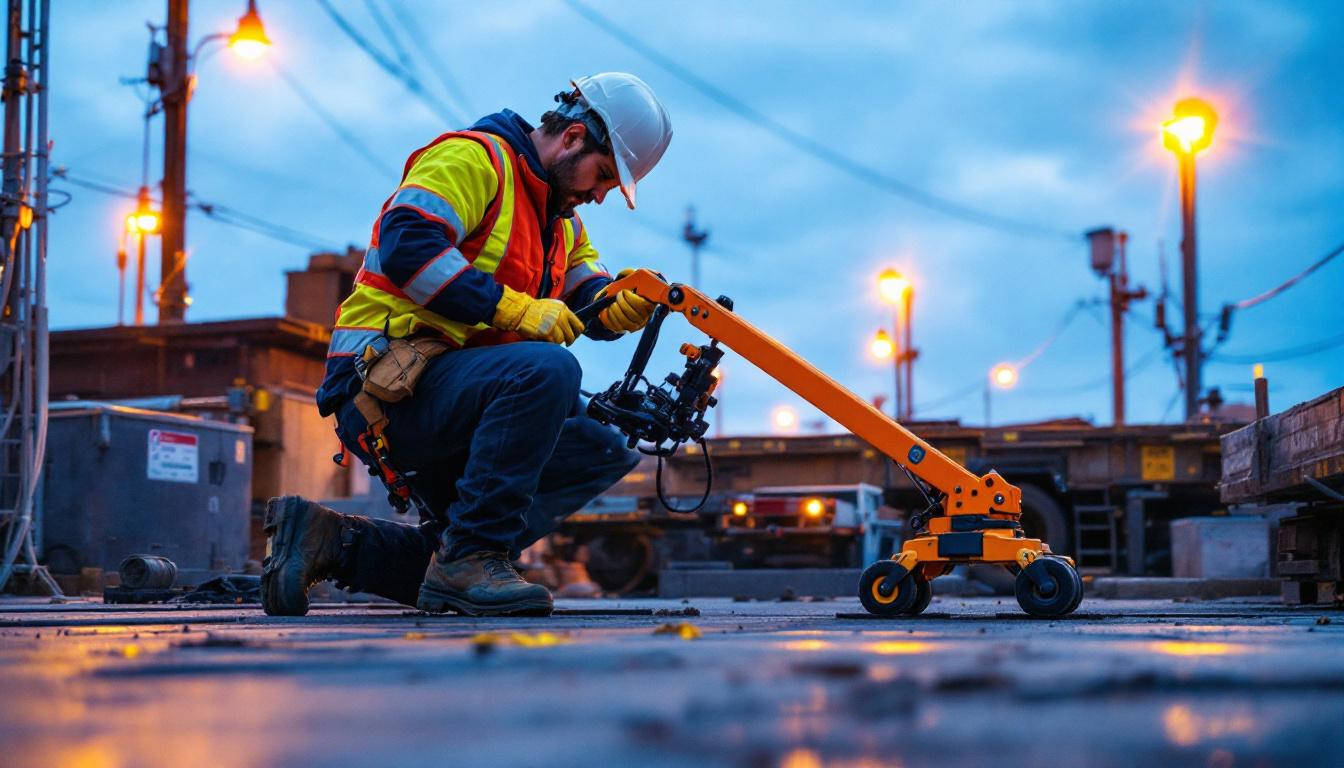
Lighting contractors frequently face the challenge of installing complex electrical wiring systems efficiently and safely. Tugging equipment, designed to pull cables through conduits and raceways, has become an indispensable tool in the lighting industry. This specialized equipment ranges from manual cable pullers to advanced hydraulic and pneumatic systems, all aimed at easing the physical strain on workers and ensuring precise cable placement.
At its core, tugging equipment facilitates the smooth installation of lighting cables by applying controlled force to pull wires through confined spaces. This process is critical when dealing with long cable runs, tight bends, or congested conduits commonly encountered in commercial and industrial lighting projects. By leveraging tugging equipment, contractors can significantly reduce manual labor, minimize the risk of cable damage, and improve overall installation speed.
Why Lighting Contractors Should Prioritize Tugging Equipment
For lighting contractors, the decision to invest in tugging equipment is not merely about convenience; it directly impacts project timelines, labor costs, and safety standards. Manual cable pulling is labor-intensive and prone to errors such as cable snags or insulation damage, which can lead to costly rework or system failures. Tugging equipment mitigates these risks by providing consistent pulling force and better control.
Moreover, tugging equipment enhances worker safety by reducing the physical demands associated with cable installation. This is particularly important in large-scale lighting projects where repetitive strain injuries can affect productivity and increase insurance costs. By adopting appropriate tugging tools, contractors demonstrate a commitment to workplace safety and operational excellence.
In addition to improving safety and efficiency, tugging equipment can also contribute to the longevity of the lighting installation. By ensuring that cables are pulled smoothly and without excessive force, the risk of wear and tear on the cables is significantly reduced. This is especially crucial in environments where cables may be subjected to environmental stressors, such as temperature fluctuations or exposure to moisture. Furthermore, many modern tugging systems come equipped with features that allow for real-time monitoring of cable tension, providing contractors with valuable data that can inform future installations and maintenance strategies.
Another important aspect of tugging equipment is its versatility. Many systems are designed to accommodate various cable types and sizes, making them suitable for a wide range of applications beyond just lighting installations. Whether it’s for telecommunications, data centers, or industrial machinery, the ability to efficiently pull cables through complex pathways can streamline operations across multiple sectors. As technology continues to advance, the integration of smart features and automation in tugging equipment is likely to further enhance its capabilities, making it an even more vital asset for lighting contractors and other professionals in the field.
Cost-Saving Benefits of Using Tugging Equipment in Lighting Projects
Investing in tugging equipment offers multiple avenues for cost reduction, making it a financially sound choice for lighting contractors. Below are some of the key ways tugging equipment can lower expenses:
1. Reduced Labor Costs and Increased Efficiency
One of the most immediate benefits of tugging equipment is the reduction in labor hours required for cable installation. Manual pulling often demands multiple workers and extended time to complete runs, especially in challenging conduit layouts. Tugging equipment streamlines this process by enabling fewer workers to accomplish the same task more quickly.
For example, hydraulic cable pullers can exert significant force with minimal operator input, allowing contractors to tackle longer and more complex cable runs without additional manpower. This efficiency translates into lower labor costs and the ability to take on more projects within the same timeframe. Furthermore, the speed of installation can lead to faster project completions, allowing contractors to invoice clients sooner and improve cash flow, which is crucial for maintaining a healthy business operation.
2. Minimizing Cable Damage and Material Waste
Cable damage during installation is a hidden cost that can escalate project budgets. Tugging equipment provides controlled tension and smooth pulling action, which reduces the likelihood of kinks, abrasions, or insulation breaks. Avoiding such damage means fewer cable replacements and less downtime caused by troubleshooting faulty wiring.
By preserving cable integrity, lighting contractors can optimize material usage and prevent unnecessary expenditures on replacement parts. This benefit is particularly valuable when working with high-quality or specialty cables that carry a premium price. Additionally, minimizing waste aligns with environmentally sustainable practices, which are increasingly important in today’s construction landscape. By reducing material waste, contractors not only save money but also contribute to a greener industry, appealing to eco-conscious clients and stakeholders.
3. Lower Insurance and Workers’ Compensation Costs
Workplace injuries related to manual cable pulling, such as strains and sprains, contribute to higher insurance premiums and workers’ compensation claims. Tugging equipment reduces the physical strain on employees, thereby decreasing the incidence of such injuries.
Contractors who invest in ergonomic tools and safety-focused equipment often benefit from lower insurance rates and improved employee morale. These factors contribute to long-term cost savings and a more sustainable business model. Moreover, a safer work environment enhances the company’s reputation, attracting skilled labor and potential clients who prioritize safety and professionalism in their project partners. This positive perception can lead to increased business opportunities and a competitive edge in the marketplace.
Types of Tugging Equipment and Their Applications in Lighting Installation
Choosing the right tugging equipment depends on the scale and complexity of lighting projects. Understanding the various types of equipment available helps contractors select tools that maximize efficiency and cost-effectiveness.
Manual Cable Pullers
Manual cable pullers are simple, portable devices suitable for smaller projects or tight spaces. They typically use a ratchet mechanism to incrementally pull cables through conduits. While labor-intensive, manual pullers are cost-effective for contractors handling occasional or less demanding installations.
These tools are best suited for residential lighting projects or short cable runs where the physical effort required is manageable without specialized machinery.
Hydraulic and Pneumatic Cable Pullers
For medium to large-scale lighting projects, hydraulic and pneumatic cable pullers offer superior power and control. These systems use fluid or air pressure to generate pulling force, enabling contractors to handle longer cable runs and heavier cables with ease.
Hydraulic pullers are particularly advantageous in commercial lighting installations where conduit layouts are complex and cable diameters are larger. Their precise force control minimizes cable damage and accelerates installation times.
Electric Cable Pullers
Electric cable pullers combine automation with portability, making them ideal for contractors seeking a balance between power and convenience. These machines are equipped with motors that provide consistent pulling speed and force, reducing manual intervention.
Electric pullers are versatile and can be used across a wide range of lighting projects, from office buildings to industrial facilities. Their ease of use and reliability make them a popular choice among professional lighting contractors.
Best Practices for Implementing Tugging Equipment in Lighting Projects
To maximize the cost-saving potential of tugging equipment, lighting contractors should adopt best practices that ensure safe and effective use.
Proper Training and Equipment Maintenance
Ensuring that workers are trained in the correct operation of tugging equipment is critical. Improper use can lead to equipment damage, cable failure, or workplace injuries. Training programs should cover equipment setup, force calibration, and emergency procedures.
Regular maintenance and inspection of tugging equipment also prevent unexpected breakdowns and extend tool lifespan. Contractors should establish maintenance schedules and keep detailed records to maintain equipment reliability.
Pre-Installation Planning and Site Assessment
Effective use of tugging equipment begins with thorough planning. Contractors should assess conduit layouts, cable types, and project specifications to determine the appropriate equipment and pulling techniques.
Pre-installation site surveys help identify potential obstacles such as sharp bends, conduit obstructions, or limited access points. Addressing these challenges in advance reduces installation delays and equipment strain.
Utilizing Lubricants and Cable Guides
Applying cable lubricants and using guides can significantly reduce friction during cable pulling. This practice not only protects cables from damage but also decreases the force required by tugging equipment, enhancing efficiency.
Lubricants should be compatible with cable materials and electrical standards to avoid compromising insulation or conductivity. Cable guides help maintain proper alignment within conduits, preventing snags and ensuring smooth cable runs.
Case Studies: Real-World Cost Reductions Through Tugging Equipment
Several lighting contractors have documented measurable cost savings by integrating tugging equipment into their workflows. These case studies highlight the practical benefits and return on investment.
Commercial Office Building Retrofit
A lighting contractor tasked with retrofitting an office building’s lighting system faced tight deadlines and complex conduit paths. By employing hydraulic cable pullers, the team reduced installation time by 30%, cutting labor costs significantly. Additionally, cable damage incidents dropped by 50%, saving material costs and minimizing rework.
Industrial Facility Expansion
During an industrial lighting upgrade, a contractor used electric cable pullers to manage extensive cable runs exceeding 300 feet. The equipment’s consistent pulling force eliminated the need for additional labor and reduced project duration by several days. The contractor reported a 20% overall cost reduction attributed to increased efficiency and fewer installation errors.
Residential Lighting Installation
Even in smaller-scale projects, manual tugging equipment proved beneficial. A contractor specializing in residential lighting installations found that using ratchet cable pullers improved installation speed and reduced worker fatigue. This translated into the ability to complete more jobs per week, boosting revenue without increasing labor costs.
Conclusion: Tugging Equipment as a Strategic Investment for Lighting Contractors
For lighting contractors aiming to optimize project costs while maintaining high-quality standards, tugging equipment represents a strategic investment. Beyond the immediate benefits of reduced labor and material expenses, these tools contribute to safer work environments and enhanced operational efficiency.
By selecting the appropriate type of tugging equipment, adhering to best practices, and integrating these tools into project workflows, lighting contractors can achieve significant cost savings and competitive advantages. Embracing tugging equipment is not just about modernizing installation techniques; it is about building a resilient, efficient, and profitable lighting contracting business.
Discover Unbeatable Value on Tugging Equipment with LumenWholesale
Ready to elevate your lighting installations while cutting costs? LumenWholesale is here to support your business with premium, spec-grade tugging equipment at wholesale prices that defy the market. Say goodbye to middleman markups and hello to a vast selection of reliable, high-performance lighting products that meet the highest industry standards. With the added convenience of free shipping on bulk orders, LumenWholesale ensures you get the best value without any hidden fees. Don’t compromise on quality or cost. Wholesale Lighting at the Best Value is just a click away. Experience the LumenWholesale difference today!