Understanding 1 LED Lights: What Lighting Contractors Need to Know
In the rapidly evolving world of lighting technology, LED lights have become the cornerstone of modern illumination solutions. Among the various types of LED configurations, the “1 LED light” setup is fundamental and widely used in numerous applications. For lighting contractors, understanding the nuances of 1 LED lights is essential to deliver efficient, reliable, and cost-effective lighting solutions to clients.
At its core, a 1 LED light refers to a single light-emitting diode used as a light source. Unlike traditional bulbs that rely on filaments or gas, LEDs produce light through electroluminescence, which offers superior energy efficiency and longevity. This basic unit can be integrated into larger arrays or used individually, depending on the lighting requirements.
Why Focus on 1 LED Lights?
While multi-LED arrays and advanced lighting systems often grab the spotlight, 1 LED lights remain the building blocks of these technologies. Lighting contractors frequently encounter scenarios where a single LED component is the most practical solution—whether for accent lighting, indicators, or compact fixtures. Mastering the characteristics of 1 LED lights ensures contractors can make informed decisions about product selection, installation, and maintenance.
One of the key advantages of 1 LED lights is their versatility in design and application. They can be seamlessly integrated into various fixtures, from simple desk lamps to intricate architectural lighting designs. Their small size allows for creative placements that can enhance the aesthetic appeal of a space while providing functional illumination. Furthermore, advancements in LED technology have led to the development of a wide range of color temperatures and brightness levels, enabling contractors to tailor lighting solutions to meet specific client needs and preferences.
Moreover, understanding the thermal management of 1 LED lights is crucial for ensuring their longevity and performance. LEDs generate heat, and if not properly managed, this can lead to reduced efficiency and a shorter lifespan. Contractors should be familiar with heat sinks and other cooling solutions that can be implemented to maintain optimal operating temperatures. By prioritizing thermal management, lighting professionals can enhance the reliability of their installations and provide clients with lighting solutions that stand the test of time.
Technical Characteristics and Performance Metrics
To work effectively with 1 LED lights, contractors must grasp the key technical specifications that define their performance. These metrics influence everything from energy consumption to light quality and durability.
Luminous Intensity and Brightness
Luminous intensity, measured in candelas (cd), describes the amount of light emitted in a particular direction. For 1 LED lights, this value varies significantly based on the diode’s size, type, and manufacturing quality. Contractors should evaluate the luminous intensity to ensure the LED meets the brightness requirements of the intended application.
Brightness perception also depends on the viewing angle, which is the spread of light emitted. Narrow viewing angles concentrate light in a tight beam, ideal for spotlights or indicators. Wider angles provide more diffuse illumination, suitable for general lighting purposes. Understanding the interplay between luminous intensity and viewing angle is crucial for achieving the desired lighting effect, especially in environments where ambient light levels can vary dramatically, such as in galleries or retail spaces.
Color Temperature and Rendering
Color temperature, expressed in Kelvins (K), defines the hue of the light emitted by the LED. For 1 LED lights, available color temperatures range from warm white (around 2700K) to cool white (up to 6500K) and even beyond into specialized colors for decorative or signaling uses. The choice of color temperature can significantly affect the mood and functionality of a space, influencing everything from productivity in office environments to relaxation in residential settings.
Color rendering index (CRI) is another critical factor, indicating how accurately the light reveals colors compared to natural light. High CRI LEDs (above 80) are preferred in settings where color fidelity is important, such as retail or hospitality environments. Additionally, some LEDs offer adjustable color temperatures, allowing users to customize the lighting according to the time of day or specific activities, enhancing both aesthetics and comfort.
Power Consumption and Efficiency
One of the primary advantages of 1 LED lights is their low power consumption. Typically, these LEDs operate at low wattages, often between 0.1 to 1 watt per diode, making them highly energy-efficient. Lighting contractors should consider the luminous efficacy, measured in lumens per watt (lm/W), to assess how effectively the LED converts electrical power into visible light.
High-efficiency LEDs reduce operational costs and contribute to sustainability goals, which are increasingly demanded by clients and regulatory bodies. Furthermore, the longevity of LEDs, often exceeding 25,000 hours of use, means less frequent replacements, which not only lowers maintenance costs but also reduces waste. As energy efficiency becomes a focal point in building design and renovation, understanding these metrics will empower contractors to make informed decisions that align with both client expectations and environmental standards.
Applications and Installation Considerations
1 LED lights are versatile and find applications across a broad spectrum of lighting projects. Understanding where and how to deploy them optimally is crucial for lighting contractors aiming to deliver value and performance.
Common Use Cases
Single LED lights are frequently used in indicator lights on control panels, signage illumination, decorative fixtures, and task lighting. Their compact size allows integration into tight spaces where traditional bulbs would be impractical.
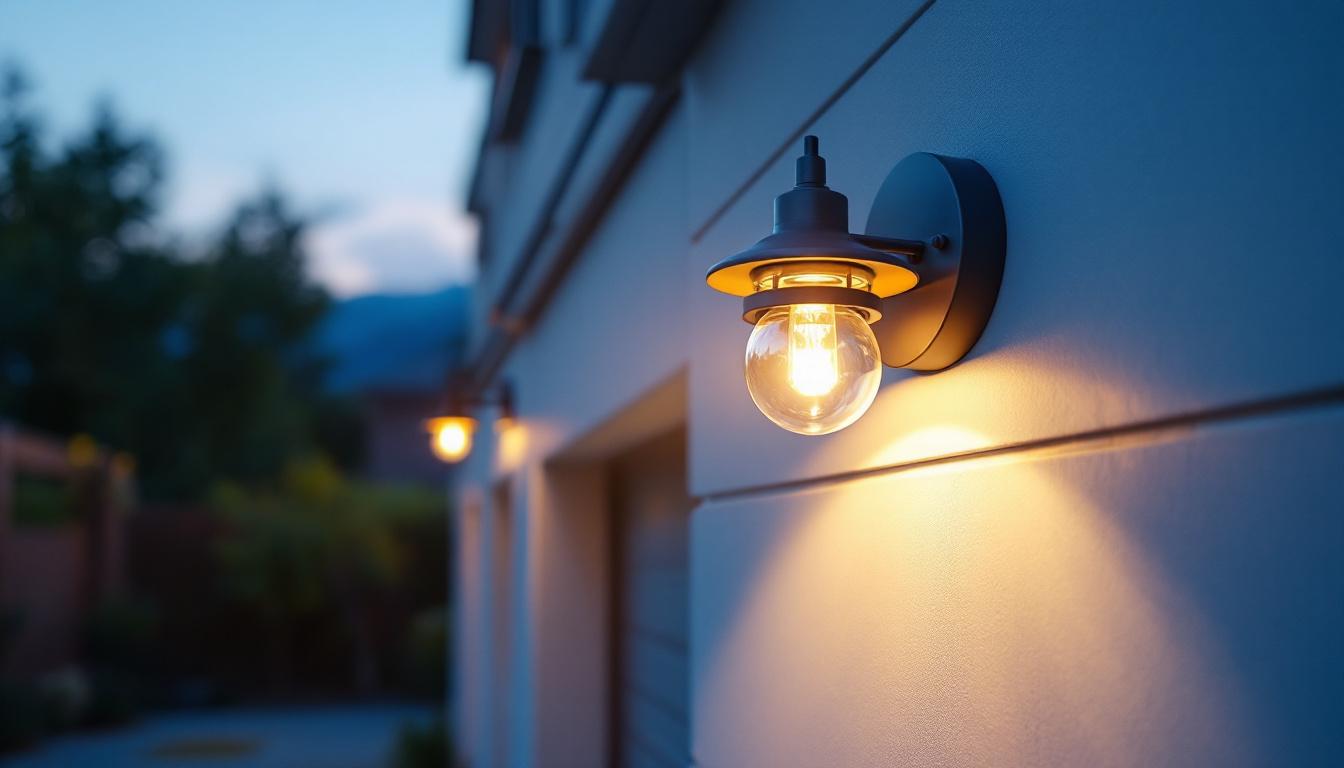
In architectural lighting, 1 LED lights can serve as accent lights to highlight features or create visual interest. They are also popular in landscape lighting due to their durability and low heat emission.
Installation Best Practices
When installing 1 LED lights, contractors must pay attention to power supply compatibility. LEDs require a constant current driver to prevent damage and ensure consistent performance. Using the correct driver specifications is vital to avoid flickering or premature failure.
Thermal management is another critical factor. Although 1 LED lights generate less heat than traditional bulbs, inadequate heat dissipation can degrade the diode’s lifespan. Proper heat sinks or mounting surfaces should be incorporated into the fixture design.
Additionally, polarity must be observed during installation, as LEDs are diodes that allow current flow in only one direction. Reversing polarity can prevent the LED from lighting or cause damage.
Maintenance and Troubleshooting Tips for Lighting Contractors
Ensuring the longevity and reliability of 1 LED lights requires routine maintenance and the ability to diagnose common issues quickly. Lighting contractors who master these skills can reduce callbacks and enhance client satisfaction.
Common Issues and Solutions
One frequent problem is flickering, often caused by incompatible or failing drivers. Replacing the driver with one that matches the LED’s specifications usually resolves this issue.
Another challenge is dimming incompatibility. Not all 1 LED lights are designed to work with dimmers, and using incompatible dimmers can cause flickering or reduced lifespan. Contractors should verify dimmer compatibility before installation.
LEDs may also fail prematurely due to overheating. Inspecting heat sinks and ensuring proper ventilation can prevent this problem.
Routine Maintenance Practices
Regular cleaning of LED fixtures helps maintain optimal light output, especially in dusty or outdoor environments. Using soft, dry cloths or mild cleaning agents prevents damage to the LED lens or housing.
Periodic inspections of electrical connections and drivers ensure system integrity. Loose connections can cause intermittent operation or complete failure.
Regulatory Compliance and Industry Standards
Lighting contractors must navigate a complex landscape of regulations and standards to ensure their installations are safe, efficient, and compliant.
Energy Efficiency Regulations
Many jurisdictions enforce minimum energy performance standards for lighting products, including LEDs. Compliance with these standards is essential to avoid penalties and meet client expectations for sustainability.
Contractors should source 1 LED lights that are certified by recognized bodies such as ENERGY STAR or equivalent programs, which guarantee verified performance and efficiency.
Safety and Quality Standards
Electrical safety standards, including UL, CE, and RoHS certifications, ensure that LED products meet stringent quality and environmental requirements. Using certified products protects contractors from liability and enhances the overall quality of installations.
Additionally, understanding local building codes related to lighting installations helps contractors avoid costly rework and ensures the safety of occupants.
Future Trends in 1 LED Lighting for Contractors
As LED technology continues to advance, lighting contractors should stay informed about emerging trends that could impact their work.
Smart LED Integration
Integration of 1 LED lights with smart control systems is becoming increasingly common. These systems allow for remote dimming, color tuning, and scheduling, offering clients enhanced flexibility and energy savings.
Contractors who are proficient in installing and configuring smart LED systems will find new opportunities in both residential and commercial markets.
Advancements in LED Materials and Design
Innovations in semiconductor materials and LED packaging are leading to brighter, more efficient, and longer-lasting 1 LED lights. These improvements reduce maintenance needs and improve overall lighting quality.
Keeping abreast of these developments enables contractors to recommend cutting-edge solutions that deliver superior value.
Conclusion
For lighting contractors, a solid understanding of 1 LED lights is indispensable. From technical specifications and installation practices to maintenance and regulatory compliance, mastering this foundational component empowers contractors to deliver high-quality lighting solutions tailored to diverse client needs.
By focusing on the details that matter—such as luminous intensity, color temperature, power efficiency, and proper installation—contractors can optimize performance and longevity. Staying informed about industry standards and emerging trends further positions contractors as trusted experts in the competitive lighting market.
Ultimately, the humble 1 LED light is more than just a single diode; it is a gateway to innovative, sustainable, and effective lighting design.
Illuminate Your Projects with LumenWholesale
Ready to elevate your lighting projects with the efficiency and innovation of 1 LED lights? At LumenWholesale, we provide lighting contractors like you with the highest quality, spec-grade LED products at unbeatable wholesale prices. Say goodbye to local distributor markups and hello to a vast selection of lighting solutions that meet rigorous industry standards. With free shipping on bulk orders, you can trust that you’re getting premium lighting at the best value — no hidden fees, no compromises. Don’t miss out on the perfect combination of quality, affordability, and convenience. Discover wholesale lighting at the best value today and light up your next project with confidence.