Introduction to Modern LED Lighting
As the lighting industry continues to evolve, LED technology has firmly established itself as the cornerstone of modern illumination solutions. For lighting contractors, understanding the nuances of LED lighting is not just beneficial—it’s essential. LEDs offer unparalleled energy efficiency, longevity, and design flexibility, making them the preferred choice for residential, commercial, and industrial projects alike.
Modern LED lights have transcended their early limitations of harsh light and limited color options. Today’s LEDs provide a broad spectrum of color temperatures, dimming capabilities, and smart controls that integrate seamlessly with building management systems. This handbook aims to equip lighting contractors with comprehensive knowledge about LED technology, installation best practices, and emerging trends to ensure projects meet client expectations while maximizing performance and sustainability.
One of the most significant advancements in LED technology is the development of tunable white lighting, which allows users to adjust the color temperature of the light throughout the day. This feature not only enhances the ambiance of a space but also supports circadian rhythms, promoting better health and productivity among occupants. Additionally, the integration of smart technology has led to the rise of connected lighting systems that can be controlled via smartphones or voice-activated devices, offering unprecedented convenience and customization for users. This shift towards intelligent lighting solutions is reshaping how spaces are illuminated and utilized, making it crucial for contractors to stay informed about the latest innovations.
Furthermore, the environmental impact of LED lighting cannot be overstated. With a significantly lower carbon footprint compared to traditional incandescent and fluorescent lighting, LEDs contribute to sustainability efforts by reducing energy consumption and waste. Many municipalities and organizations are now prioritizing energy-efficient lighting solutions in their projects, often incentivized by rebates and grants. Understanding these environmental benefits, along with the economic advantages of LEDs, empowers contractors to advocate for their use in various applications, ultimately leading to smarter, greener building practices.
Why LEDs Are the Future of Lighting
Energy Efficiency and Cost Savings
One of the most compelling reasons for the widespread adoption of LED lighting is its superior energy efficiency. LEDs consume up to 80% less electricity than traditional incandescent bulbs and about 50% less than fluorescent lighting. This efficiency translates into significant cost savings on energy bills, which is a key selling point for contractors presenting solutions to clients.
Moreover, LEDs have a longer lifespan—often exceeding 50,000 hours—reducing maintenance and replacement costs. For commercial buildings, this means fewer disruptions and lower operational expenses over time, which can be a decisive factor in project planning and budgeting. The durability of LEDs also means they are less prone to breakage, making them an ideal choice for high-traffic areas where lighting fixtures are at risk of damage. This resilience not only enhances safety but also minimizes the need for frequent replacements, further contributing to long-term savings.
Environmental Impact and Sustainability
With increasing regulatory pressure and consumer demand for sustainable solutions, LEDs offer an environmentally responsible lighting option. Unlike fluorescent lamps, LEDs do not contain mercury or other hazardous materials, making disposal safer and more straightforward. Additionally, their reduced energy consumption contributes to lower greenhouse gas emissions. The shift to LED technology can significantly reduce the carbon footprint of both residential and commercial spaces, aligning with global efforts to combat climate change.
Lighting contractors who emphasize sustainability in their proposals can leverage LED technology to meet green building certifications such as LEED or WELL. This alignment with environmental standards not only benefits the planet but also enhances the reputation and marketability of contractors’ services. Furthermore, as more municipalities adopt stringent energy efficiency regulations, the transition to LEDs can help businesses comply with these mandates, avoiding potential fines and enhancing their corporate social responsibility profile. By integrating smart lighting solutions with LEDs, contractors can also offer clients the ability to control energy usage in real-time, further optimizing efficiency and sustainability in their lighting systems.
Key Features of Modern LED Lighting
Color Temperature and Quality
Modern LEDs come in a wide range of color temperatures, typically measured in Kelvins (K), allowing contractors to tailor lighting to specific environments. Warm white (2700K–3000K) creates cozy, inviting atmospheres ideal for residential and hospitality settings, while cool white (4000K–5000K) enhances focus and visibility, suitable for offices and retail spaces.
Beyond color temperature, the Color Rendering Index (CRI) is crucial for assessing how accurately a light source reveals colors compared to natural light. High CRI LEDs (above 80, with premium options exceeding 90) are essential for applications where color fidelity is critical, such as art galleries, medical facilities, and fashion retail. Furthermore, the introduction of tunable white LEDs allows users to adjust both the color temperature and intensity throughout the day, mimicking natural daylight patterns. This feature not only enhances aesthetic appeal but also contributes to improved well-being and productivity in workspaces, aligning with the growing trend of biophilic design.
Dimming and Smart Controls
Advancements in LED driver technology have made dimming more reliable and versatile than ever. Lighting contractors should be familiar with various dimming protocols, including 0-10V, DALI, and DMX, to meet diverse client needs. Proper integration of dimming controls can enhance ambiance, reduce energy usage, and extend LED lifespan. Additionally, the ability to create lighting scenes tailored to specific activities—such as reading, entertaining, or working—adds a layer of customization that clients increasingly expect in modern installations.
Smart lighting systems that connect LEDs to wireless networks enable remote control, scheduling, and automation. These systems can integrate with sensors to adjust lighting based on occupancy or daylight availability, optimizing energy efficiency. Contractors knowledgeable in smart controls can offer cutting-edge solutions that appeal to tech-savvy clients and commercial enterprises. Moreover, the integration of voice-activated assistants and mobile applications allows users to control their lighting with simple commands, enhancing convenience and accessibility. As smart home technology continues to evolve, the demand for adaptable and user-friendly lighting solutions is likely to grow, presenting exciting opportunities for contractors to innovate and expand their service offerings.
Installation Best Practices for LED Lighting
Understanding Electrical Requirements
LEDs operate on low voltage DC power, which necessitates the use of compatible drivers or power supplies. Lighting contractors must ensure that the drivers match the LED specifications in terms of voltage and current to prevent premature failure or flickering.
Proper wiring and grounding are critical to safety and performance. Contractors should adhere to local electrical codes and manufacturer guidelines, paying close attention to heat dissipation and ventilation to maintain optimal operating temperatures. Overheating can degrade LED components and shorten their lifespan.
Fixture Selection and Placement
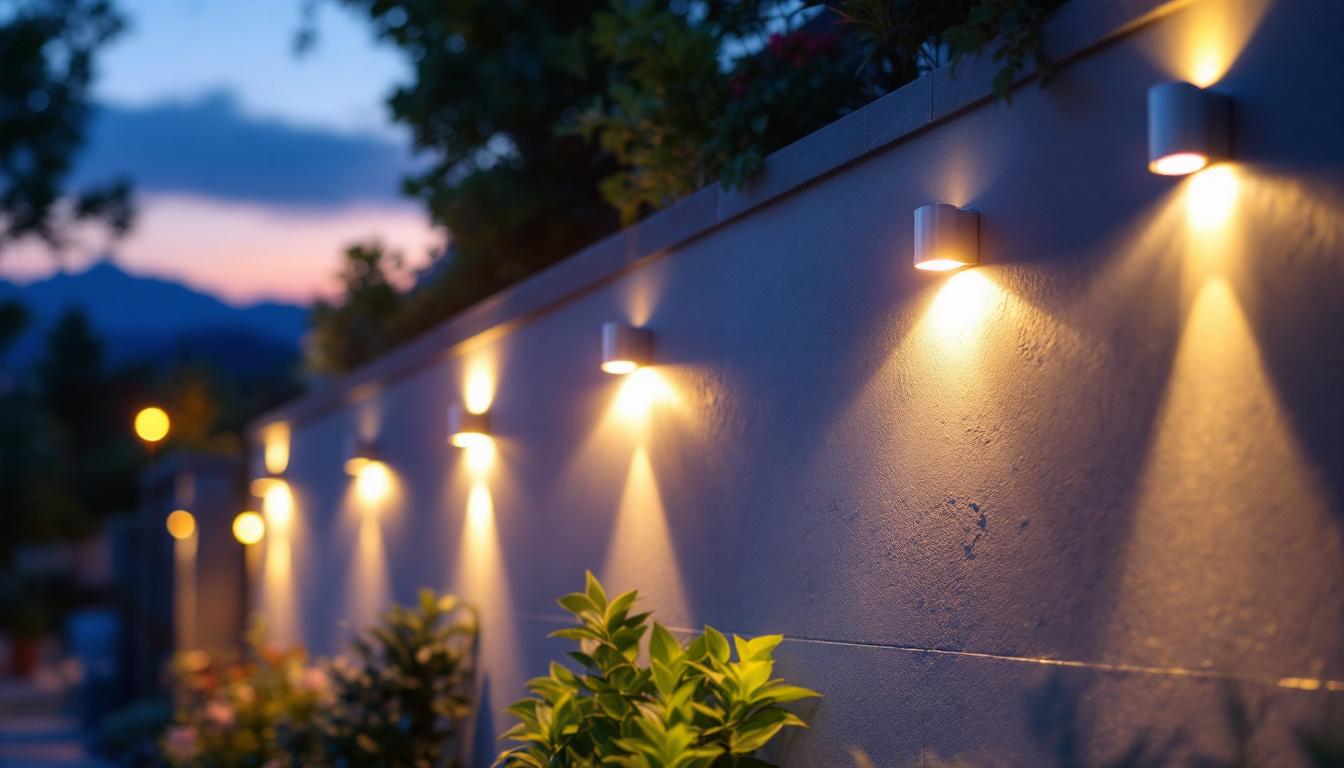
Choosing the right fixture is as important as selecting the LED itself. Contractors should evaluate factors such as beam angle, lens type, and IP rating to match the lighting application. For example, narrow beam angles are ideal for accent lighting, while wide angles suit general illumination.
Placement considerations include avoiding direct glare, minimizing shadows, and achieving uniform light distribution. Using lighting design software can assist contractors in planning layouts that maximize efficiency and aesthetic appeal. Additionally, modular LED fixtures offer flexibility for future upgrades or reconfigurations.
Testing and Quality Assurance
After installation, thorough testing ensures that the LED system performs as intended. Contractors should verify light output, color consistency, and dimming functionality. Using light meters and thermal cameras can help identify issues such as uneven illumination or hotspots.
Documenting test results and providing clients with maintenance guidelines enhances professionalism and client satisfaction. Establishing warranties and service agreements can further build trust and encourage repeat business.
Emerging Trends and Innovations in LED Lighting
Human-Centric Lighting
Human-centric lighting (HCL) focuses on adjusting light intensity and color temperature to support human circadian rhythms, improving well-being, productivity, and comfort. LEDs with tunable white capabilities allow lighting contractors to create dynamic environments that mimic natural daylight cycles.
Applications of HCL are growing in healthcare, education, and office spaces, where lighting impacts mood and alertness. Contractors who understand and implement HCL principles can differentiate their offerings and meet evolving client demands.
Integration with IoT and Building Automation
The Internet of Things (IoT) is transforming how lighting systems are managed. LED fixtures embedded with sensors and connectivity modules can communicate with other building systems, enabling predictive maintenance, energy analytics, and personalized lighting experiences.
Lighting contractors equipped with knowledge of IoT integration can collaborate with architects, engineers, and IT professionals to deliver comprehensive smart building solutions. This multidisciplinary approach enhances project value and future-proofs installations.
Advances in LED Materials and Design
Ongoing research in LED materials, such as the development of quantum dot technology and organic LEDs (OLEDs), promises even greater efficiency and design possibilities. OLED panels offer ultra-thin, flexible lighting surfaces that open new avenues for creative architectural lighting.
While these technologies are still emerging, staying informed allows lighting contractors to advise clients on cutting-edge options and plan for potential upgrades. Early adoption can position contractors as industry leaders and innovators.
Conclusion: Mastering Modern LED Lighting
For lighting contractors, mastering modern LED technology is a gateway to delivering superior lighting solutions that combine efficiency, aesthetics, and sustainability. This handbook has covered the essential aspects—from understanding LED benefits and features to best installation practices and emerging trends.
By embracing LED advancements and integrating smart controls and human-centric designs, contractors can meet the diverse needs of today’s clients while contributing to a greener future. Continuous education and adaptation to new technologies will ensure that lighting contractors remain competitive and relevant in an ever-evolving industry.
Illuminate Your Projects with LumenWholesale
Ready to elevate your lighting projects with the efficiency, aesthetics, and sustainability of modern LED technology? Look no further than LumenWholesale for all your lighting needs. We provide contractors with top-quality, spec-grade lighting products at unbeatable wholesale prices, ensuring you get the best value for your investment. Our extensive selection is designed to meet the highest industry standards, so you can deliver reliable, high-performance lighting solutions with confidence. Plus, with free shipping on bulk orders, you can enjoy premium lighting without hidden fees or compromises. Don’t miss out on the perfect blend of quality, affordability, and convenience. Visit LumenWholesale today and discover Wholesale Lighting at the Best Value for your next project.