Understanding the Role of Receptacles in Lighting Installations
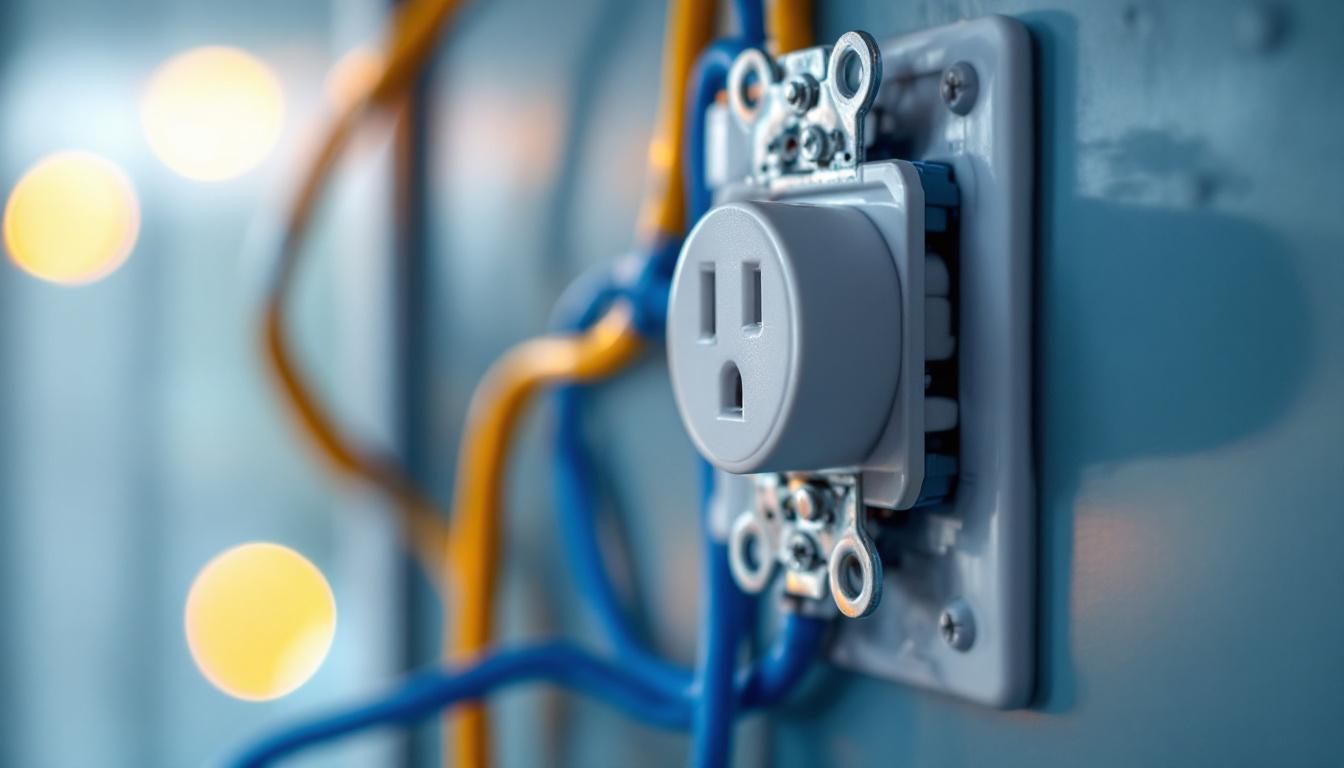
In the realm of electrical work, particularly lighting installations, the receptacle plays a pivotal role that often goes unnoticed. For lighting contractors, understanding the function and importance of receptacles is essential to ensure safety, efficiency, and compliance with electrical codes. A receptacle, commonly known as an electrical outlet, serves as the interface between the electrical wiring system and the lighting fixtures or devices.
Unlike the visible light fixtures themselves, receptacles are the critical connection points that facilitate power delivery. They are designed to provide a secure and reliable connection, enabling lighting equipment to operate safely and effectively. Without properly installed and maintained receptacles, lighting systems can suffer from intermittent power, increased risk of electrical faults, or even hazards such as electrical fires.
Moreover, receptacles come in various types and configurations, each tailored to specific applications and environments. For instance, GFCI (Ground Fault Circuit Interrupter) receptacles are essential in areas where moisture is present, such as kitchens and bathrooms, as they help prevent electrical shocks. Similarly, tamper-resistant receptacles are designed to enhance safety, particularly in homes with young children, by preventing the insertion of foreign objects. Understanding these variations allows contractors to select the appropriate receptacle for each installation, ensuring not only compliance with safety standards but also the longevity and reliability of the lighting system.
Additionally, the placement and accessibility of receptacles can significantly influence the functionality of a lighting installation. Strategic positioning of receptacles allows for optimal lighting design, enabling flexibility in fixture placement and reducing the need for extension cords, which can pose tripping hazards. Furthermore, with the advent of smart lighting technologies, receptacles that accommodate smart plugs or integrated control systems are becoming increasingly important. This evolution in receptacle technology not only enhances user convenience but also aligns with the growing trend towards energy efficiency and sustainability in lighting solutions.
Types of Receptacles Used in Lighting Installations
Standard Receptacles
Standard receptacles are the most common type found in residential and commercial lighting installations. These outlets provide a straightforward connection point for plug-in lighting devices such as lamps, portable fixtures, or temporary lighting solutions. They are typically rated for 15 or 20 amps and designed to handle standard voltage levels.
For lighting contractors, selecting the right standard receptacle involves considering the amperage requirements of the lighting load and the environment in which it will be installed. For example, damp or wet locations require receptacles with weather-resistant or ground-fault circuit interrupter (GFCI) features to ensure safety. Additionally, the placement of these receptacles is crucial; they should be easily accessible yet strategically positioned to avoid clutter and potential hazards in the space. Proper installation can enhance the functionality of the lighting setup and contribute to the overall aesthetic of the environment.
Specialized Receptacles for Lighting Systems
In more complex lighting installations, such as theatrical lighting, commercial displays, or outdoor architectural lighting, specialized receptacles come into play. These may include locking receptacles that prevent accidental disconnection or high-current receptacles designed for powerful lighting arrays.
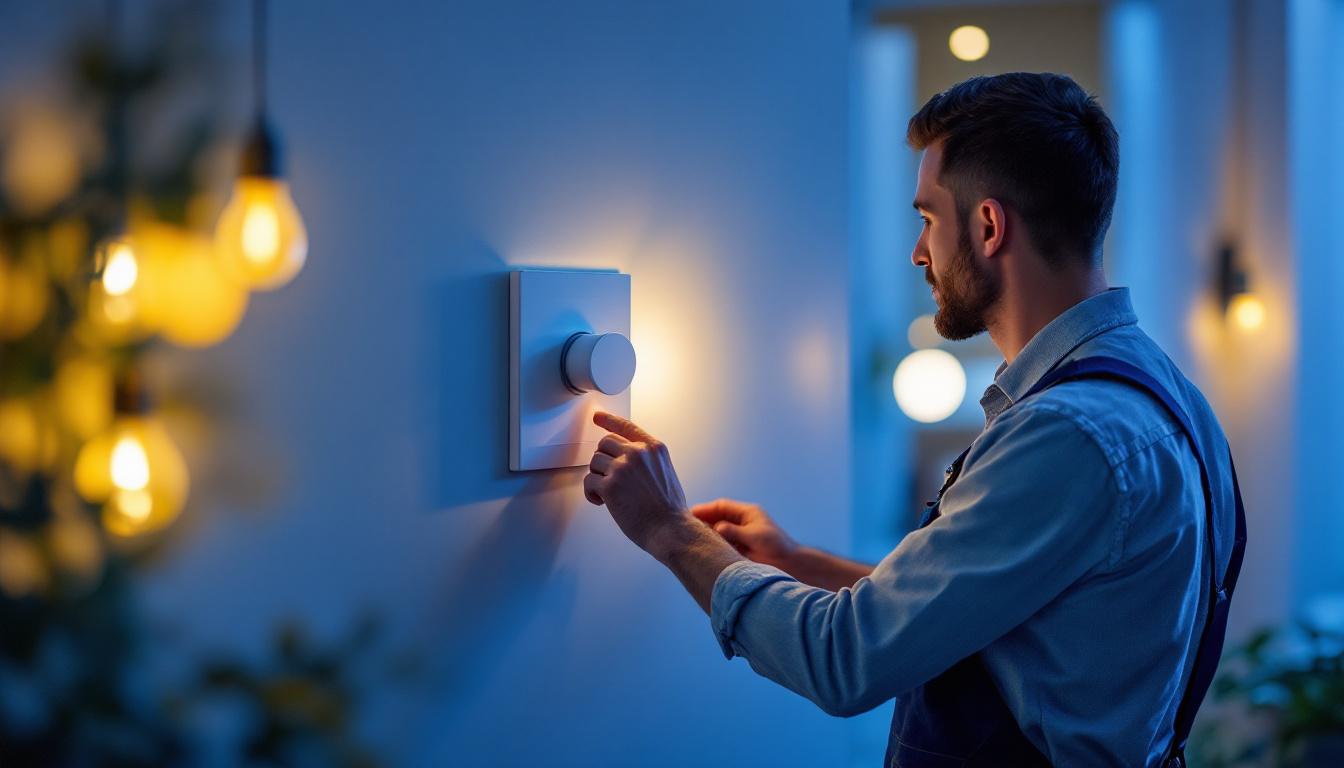
Using the correct specialized receptacle ensures that lighting systems maintain uninterrupted power and meet the operational demands of the installation. Lighting contractors must be familiar with these options to recommend and install the most appropriate receptacles for each project. Furthermore, understanding the specific requirements of different lighting technologies, such as LED or halogen, can influence the choice of receptacle. For instance, some advanced lighting systems may require receptacles that support dimming capabilities or integrate with smart home technology, allowing for enhanced control and energy efficiency. This knowledge not only aids in compliance with electrical codes but also enhances the user experience by providing flexibility and convenience in lighting management.
Why Receptacle Quality and Installation Matter
Ensuring Electrical Safety
One of the foremost reasons receptacles are critical in lighting installations is safety. Poor quality receptacles or improper installation can lead to loose connections, overheating, and electrical arcing. These conditions pose significant fire hazards and can endanger occupants and property.
Lighting contractors must adhere to strict installation standards, including torque specifications for terminal screws and proper grounding methods, to minimize risks. Using high-quality receptacles certified by recognized testing laboratories adds an additional layer of safety assurance.
Furthermore, it is essential to consider the environmental factors that can affect receptacle performance. For instance, receptacles installed in damp or wet locations must be rated for moisture resistance to prevent corrosion and electrical failure. Similarly, receptacles exposed to extreme temperatures or dust should be selected based on their durability and ability to withstand such conditions. By understanding the specific requirements of each installation site, contractors can ensure that the receptacles used will not only meet safety standards but also perform reliably over time.
Maintaining System Reliability
Receptacles also influence the reliability of lighting systems. A faulty or worn-out receptacle can cause flickering lights, intermittent power loss, or complete failure of the lighting fixture. Such issues not only disrupt the functionality but can also lead to costly downtime and maintenance efforts.
Regular inspection and timely replacement of receptacles, especially in high-use or harsh environments, help maintain consistent lighting performance. Lighting contractors should incorporate receptacle checks into routine maintenance schedules to prevent unexpected failures.
In addition to routine checks, utilizing advanced technologies such as smart receptacles can enhance both reliability and efficiency. These modern receptacles often come equipped with features like surge protection and energy monitoring, allowing for real-time tracking of power usage and potential issues. By integrating these smart solutions into lighting systems, contractors can not only improve the longevity of the receptacles but also provide valuable data that can inform future maintenance and energy-saving strategies.
Compliance with Electrical Codes and Standards
Electrical codes and standards set forth by national and local authorities establish the minimum requirements for receptacle installation in lighting systems. Compliance is not only a legal obligation but also a best practice that ensures safety and functionality.
For example, the National Electrical Code (NEC) specifies the placement, type, and protection mechanisms required for receptacles in various settings. Lighting contractors must stay up-to-date with these regulations to avoid violations that could result in fines, project delays, or unsafe installations.
Furthermore, adherence to standards often influences insurance coverage and liability considerations. Properly installed receptacles that meet code requirements can protect contractors and clients from potential legal and financial repercussions.
In addition to the NEC, local codes may impose additional requirements tailored to specific environmental conditions or building types. For instance, in areas prone to flooding, receptacles must be installed at a certain height to prevent water damage. Similarly, in commercial settings, the number of receptacles required may vary based on the intended use of the space, ensuring that there are enough outlets to safely accommodate electrical loads without overloading circuits.
Moreover, the integration of smart technology in lighting systems has introduced new challenges and considerations for compliance. As smart devices often require specific types of receptacles or wiring configurations, staying informed about evolving standards is crucial. This not only enhances the functionality of lighting systems but also ensures that installations remain safe and efficient, minimizing the risk of electrical fires or equipment failures that could arise from non-compliance.
Innovations in Receptacle Technology for Lighting
Smart Receptacles
Recent advancements have introduced smart receptacles that integrate with building automation and lighting control systems. These receptacles can provide remote on/off switching, energy monitoring, and scheduling capabilities, enhancing the efficiency and convenience of lighting installations.
For lighting contractors, incorporating smart receptacles offers opportunities to deliver value-added services to clients, such as energy savings and improved control over lighting environments. Understanding the compatibility and installation requirements of these devices is crucial for successful integration.
Enhanced Safety Features
Modern receptacles often include enhanced safety features like tamper resistance, arc-fault circuit interrupters (AFCI), and improved weatherproofing. These innovations address common electrical hazards and extend the lifespan of lighting installations.
Lighting contractors should evaluate these features when selecting receptacles, especially for installations in schools, healthcare facilities, or outdoor environments where safety concerns are paramount.
Best Practices for Lighting Contractors Regarding Receptacles
Proper Selection and Specification
Choosing the correct receptacle type, rating, and features based on the lighting load and environmental conditions is foundational. Contractors should consult manufacturer specifications and electrical codes to ensure compatibility and safety.
Meticulous Installation Techniques
Attention to detail during installation, including secure wiring connections, correct grounding, and adherence to torque requirements, prevents many common issues related to receptacles. Using proper tools and following manufacturer instructions are essential steps.
Routine Inspection and Maintenance
Regularly inspecting receptacles for signs of wear, damage, or corrosion helps identify problems before they escalate. Maintenance practices such as cleaning contacts and replacing faulty units contribute to long-term system reliability.
Documentation and Client Education
Providing clients with documentation on receptacle types, locations, and maintenance recommendations enhances transparency and supports ongoing safety. Educating clients about the importance of receptacles in their lighting systems fosters better care and timely reporting of issues.
Conclusion: The Indispensable Role of Receptacles in Lighting Installations
Receptacles are fundamental components in lighting installations that directly impact safety, reliability, and compliance. For lighting contractors, a thorough understanding of receptacle types, proper installation practices, and emerging technologies is vital to delivering high-quality lighting solutions.
By prioritizing receptacle quality and adherence to standards, contractors not only protect their clients and properties but also enhance the performance and longevity of lighting systems. As lighting technology continues to evolve, receptacles will remain a critical interface that demands expert attention and care.
Get Your Premium Lighting Receptacles at LumenWholesale
Ready to elevate your lighting installations with the highest quality receptacles? Look no further than LumenWholesale. Our extensive selection of spec-grade lighting products ensures you have access to the most reliable and high-performance options on the market. With unbeatable wholesale prices and the convenience of free shipping on bulk orders, we make it easy and cost-effective to stock up on the essentials for your next project. Don’t compromise on quality or value—choose LumenWholesale for all your lighting needs. Wholesale Lighting at the Best Value.