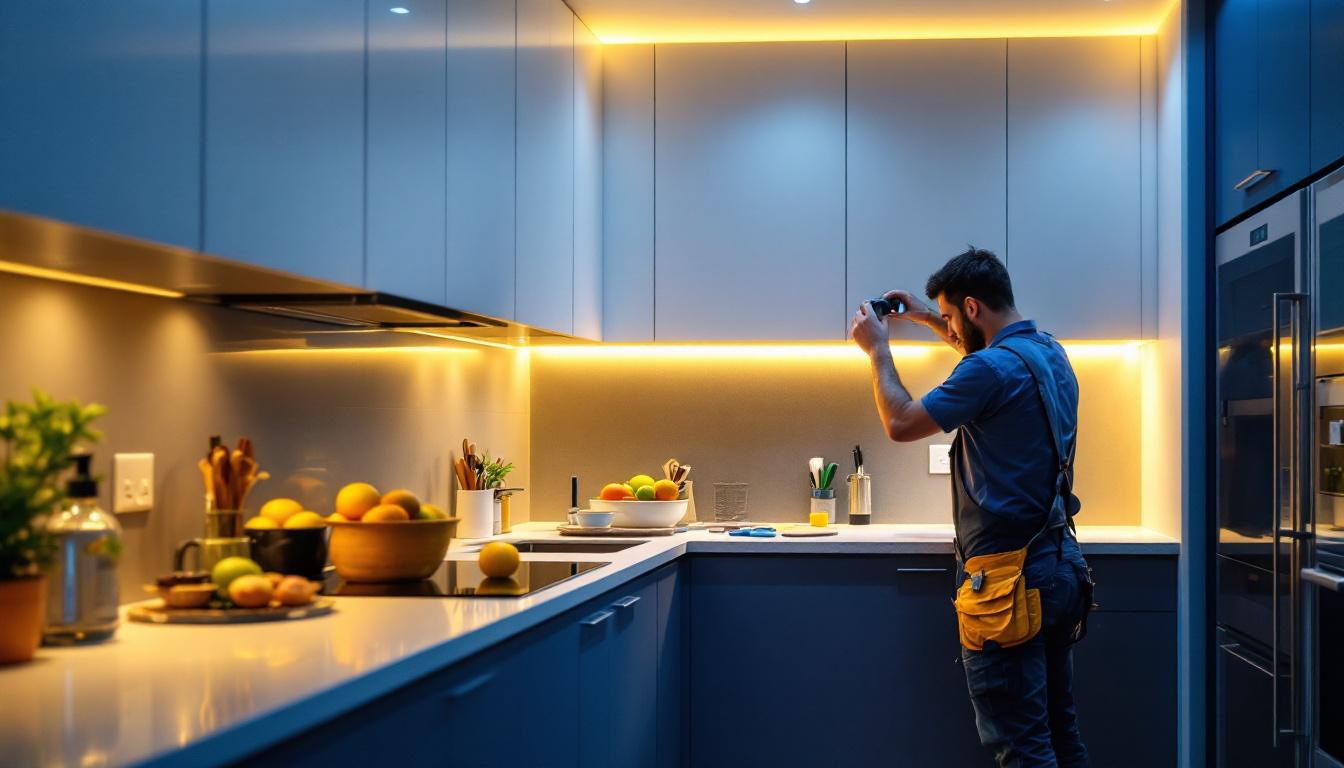
Understanding the Importance of Effective Lighting Training for Contractors
For lighting contractors, mastering the installation and maintenance of pendant porch lanterns is more than a technical skill—it’s a critical component of delivering exceptional service and ensuring customer satisfaction. As outdoor lighting continues to evolve with new technologies and design trends, the need for well-trained teams becomes paramount.
Lighting contractors who invest in comprehensive training programs for their teams often see improvements in project efficiency, reduced error rates, and enhanced safety compliance. According to industry reports, well-trained teams can reduce installation time by up to 30%, directly impacting profitability and client trust.
The Role of Pendant Porch Lanterns in Outdoor Lighting
Pendant porch lanterns are a popular choice for residential and commercial outdoor spaces due to their classic aesthetic and functional benefits. They provide ambient lighting that enhances curb appeal while improving safety and security around entryways.
For contractors, understanding the nuances of these fixtures—including their electrical requirements, mounting options, and compatibility with various bulb types—is essential. This knowledge ensures installations meet both aesthetic expectations and regulatory standards. Furthermore, the choice of materials and finishes in pendant porch lanterns can significantly influence their durability and performance in different weather conditions. For instance, lanterns made from rust-resistant metals or high-quality plastics are ideal for coastal areas where salt and moisture can lead to corrosion.
Additionally, the integration of smart lighting technology into pendant porch lanterns is becoming increasingly popular. This trend allows homeowners to control their outdoor lighting through mobile apps or voice-activated devices, adding a layer of convenience and energy efficiency. Contractors who stay abreast of these advancements can offer valuable insights to clients, helping them choose fixtures that not only meet their aesthetic desires but also align with modern technological conveniences. By providing education on energy-efficient LED options and smart home compatibility, contractors can position themselves as trusted advisors, fostering long-term relationships with their clients.
Building a Comprehensive Training Program for Pendant Porch Lantern Installation
Creating an effective training program involves a blend of theoretical knowledge and hands-on practice. The goal is to equip team members with the skills and confidence needed to handle a variety of installation scenarios.
1. Curriculum Design: Balancing Theory and Practice
The training curriculum should start with foundational concepts such as electrical safety, local code compliance, and the basics of outdoor lighting design. This theoretical groundwork sets the stage for practical sessions where trainees learn to install pendant porch lanterns correctly.
Hands-on training should cover fixture mounting, wiring techniques, troubleshooting common issues, and maintenance procedures. Incorporating real-world scenarios helps trainees develop problem-solving skills that are critical on job sites. Additionally, trainees should be exposed to various types of pendant porch lanterns, including energy-efficient LED options, to understand the nuances of different technologies and their specific installation requirements. This diversity in training not only enhances their adaptability but also prepares them for a wider range of client needs.
2. Leveraging Visual and Interactive Learning Tools
Visual aids like detailed diagrams, video tutorials, and 3D models can significantly enhance understanding. Interactive workshops where trainees assemble and install lanterns under supervision provide invaluable experiential learning.
Virtual reality (VR) and augmented reality (AR) technologies are emerging tools that allow contractors to simulate installations in various environments, offering a risk-free platform to practice and refine skills. These technologies can also be used to visualize the final look of different lantern styles in various outdoor settings, helping trainees appreciate the aesthetic aspects of their work. By engaging with these advanced tools, trainees can better grasp the spatial and design considerations that come into play when selecting and installing outdoor lighting fixtures.
3. Certification and Continuous Education
Implementing a certification process ensures that team members meet established competency standards before working independently. Certifications can be internal or aligned with recognized industry bodies, adding credibility to the contractor’s services.
Lighting technology and regulations evolve, making continuous education vital. Regular refresher courses and updates on new products or code changes help maintain high standards and adaptability. Furthermore, fostering a culture of knowledge sharing within the team can encourage ongoing learning. Organizing monthly meetings where team members discuss recent projects, share challenges faced, and present solutions can enhance collective expertise and promote a collaborative environment. This approach not only strengthens individual skills but also builds a cohesive team that is well-prepared to tackle any installation project with confidence and precision.
Key Technical Skills for Pendant Porch Lantern Installation
Training should emphasize the development of specific technical skills that directly impact installation quality and safety.
Electrical Wiring and Safety Protocols
Understanding electrical circuits, grounding requirements, and proper wiring techniques is fundamental. Training must stress adherence to the National Electrical Code (NEC) and local regulations to prevent hazards such as electrical shock or fire.
Practical exercises should include identifying circuit breakers, using appropriate tools, and testing installations with voltage meters to ensure safety and functionality. Additionally, trainees should be familiarized with the importance of using GFCI (Ground Fault Circuit Interrupter) outlets, especially in outdoor settings where moisture can pose a risk. This knowledge not only enhances safety but also ensures compliance with modern electrical standards, which are continually evolving to address new challenges in electrical installations.
Fixture Selection and Compatibility
Not all pendant porch lanterns are created equal. Contractors need to assess factors like fixture size, weight, material, and weather resistance to select the right product for each project.
Training should cover compatibility with different bulb types, including LED, incandescent, and smart lighting options, as well as integration with dimmers and timers. Understanding the energy efficiency ratings of various bulbs is also essential, as it allows contractors to recommend solutions that not only meet aesthetic preferences but also contribute to energy savings for homeowners. Furthermore, the training should include insights on the latest trends in outdoor lighting design, such as smart home integration, which can enhance user experience and convenience.
Mounting Techniques and Structural Considerations
Proper mounting is crucial to ensure the lantern’s stability and longevity. Trainees should learn how to evaluate mounting surfaces, use appropriate anchors and hardware, and seal fixtures against moisture ingress.
Instruction on working at heights safely and using ladders or scaffolding correctly is also essential to prevent accidents during installation. Moreover, trainees should be educated on the importance of assessing the structural integrity of the installation site, which includes checking for any signs of rot or damage in wooden structures, as well as ensuring that the mounting surface can support the weight of the fixture. This comprehensive understanding not only enhances the safety of the installation but also extends the lifespan of the lantern, ensuring that it remains a beautiful and functional addition to the porch for years to come.
Enhancing Team Communication and Project Management
Beyond technical skills, effective communication and project management are key to successful lighting installations. The ability to convey ideas clearly and manage timelines efficiently can significantly impact the overall success of a project, ensuring that installations are completed on time and within budget.
Coordinating Roles and Responsibilities
Clear delineation of roles within the team prevents overlap and confusion. Assigning responsibilities such as site assessment, wiring, fixture installation, and quality checks ensures accountability and smooth workflow. Each team member should understand not only their specific duties but also how their role fits into the larger picture of the project. This holistic understanding fosters a sense of ownership and encourages proactive communication among team members.
Training sessions should include role-playing exercises that simulate project coordination, helping team members develop collaboration skills. These exercises can also incorporate real-life scenarios that may arise during installations, allowing team members to practice their responses and refine their problem-solving abilities in a supportive environment. Additionally, regular check-ins and feedback sessions can help reinforce these skills and ensure that everyone is aligned with the project goals.
Client Interaction and Problem Resolution
Contractors often serve as the primary point of contact for clients. Training should prepare team members to communicate installation plans clearly, manage expectations, and address concerns professionally. Establishing a protocol for regular updates can help keep clients informed and engaged throughout the project, reducing anxiety and building trust. This proactive approach not only enhances client satisfaction but also positions the team as reliable partners in the installation process.
Equipping the team with conflict resolution techniques and troubleshooting strategies enhances customer satisfaction and fosters long-term client relationships. Understanding how to navigate difficult conversations and resolve issues amicably can turn potential conflicts into opportunities for demonstrating exceptional service. Furthermore, encouraging team members to share their experiences and solutions can create a knowledge-sharing culture that benefits the entire team, ultimately leading to more efficient project execution and a stronger reputation in the industry.
Incorporating Sustainability and Energy Efficiency in Training
With growing emphasis on sustainable building practices, lighting contractors must be knowledgeable about energy-efficient solutions and environmental considerations.
Promoting LED and Smart Lighting Technologies
Training should highlight the benefits of LED bulbs and smart lighting systems, such as reduced energy consumption, longer lifespan, and enhanced control options. Understanding these technologies enables contractors to offer clients modern, cost-effective lighting choices.
Environmental Impact and Regulatory Compliance
Educating teams on the environmental impact of lighting installations, including light pollution and energy use, supports responsible practices. Training should cover compliance with regulations like dark-sky ordinances and energy codes.
Measuring Training Effectiveness and Continuous Improvement
To ensure training programs deliver desired outcomes, contractors need to implement evaluation and feedback mechanisms.
Performance Metrics and Assessments
Regular assessments through written tests, practical demonstrations, and on-the-job evaluations help gauge knowledge retention and skill proficiency. Tracking metrics such as installation time, error rates, and customer feedback provides insight into training effectiveness.
Feedback Loops and Program Refinement
Encouraging trainees to provide feedback on training content and delivery helps identify areas for improvement. Periodic reviews of the curriculum ensure it remains relevant and aligned with industry advancements.
Conclusion: Building a Skilled and Adaptable Lighting Team
Training your team in pendant porch lantern installation is an investment that yields dividends in quality, safety, and customer satisfaction. By combining technical instruction with communication skills, sustainability awareness, and continuous learning, lighting contractors can build a workforce capable of meeting the demands of a dynamic market.
Ultimately, a well-trained team not only enhances the contractor’s reputation but also contributes to safer, more beautiful outdoor environments for clients.
Illuminate Your Projects with LumenWholesale
Ready to elevate your lighting installations with premium pendant porch lanterns and more? Look no further than LumenWholesale for all your lighting needs. Our extensive collection of spec-grade lighting products is designed to meet the highest industry standards, ensuring your projects shine with reliability and performance. With unbeatable wholesale prices and the convenience of free shipping on bulk orders, LumenWholesale is your go-to source for quality lighting without the markups. Discover wholesale lighting at the best value today and bring exceptional lighting solutions to your clients.