Understanding the Challenges of Lighting Long Hallways
Long hallways present unique challenges for lighting contractors. Unlike open spaces or rooms with multiple light sources, hallways are narrow, elongated, and often lack natural light. This combination can create dark, uninviting corridors that feel cramped or unsafe. Proper lighting not only enhances the aesthetic appeal but also improves safety and functionality.
One of the primary difficulties is achieving uniform illumination throughout the entire length of the hallway. Uneven lighting can cause shadows and glare, which may disorient users or create tripping hazards. Additionally, hallways often serve as transitional spaces, so the lighting must be both efficient and subtle to avoid overpowering adjacent rooms.
Contractors must also consider energy efficiency and maintenance. Long hallways typically require multiple fixtures, which can increase installation costs and ongoing energy consumption. Selecting the right lighting technology and layout is essential to balance performance with cost-effectiveness.
Moreover, the choice of light color temperature plays a crucial role in the overall ambiance of a hallway. Warmer tones can create a welcoming atmosphere, making the space feel more inviting, while cooler tones may enhance visibility and a sense of cleanliness. This decision can significantly affect how occupants perceive the space, especially in environments such as hotels, hospitals, or schools where comfort and clarity are paramount.
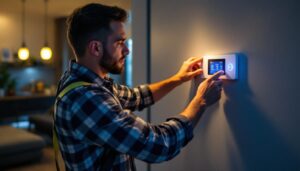
Another factor to consider is the integration of smart lighting solutions. With advancements in technology, contractors now have the option to install motion sensors and dimmers that adjust the lighting based on occupancy and time of day. This not only conserves energy but also enhances user experience by providing adequate light when needed and reducing brightness during off-peak hours. Such innovations can transform a long, monotonous hallway into a dynamic space that responds to the needs of its users, ensuring safety and comfort at all times.
Key Lighting Techniques for Long Hallways
Layered Lighting Approach
Implementing a layered lighting strategy is one of the most effective methods for illuminating long hallways. This approach combines ambient, task, and accent lighting to create depth and visual interest while ensuring practical illumination.
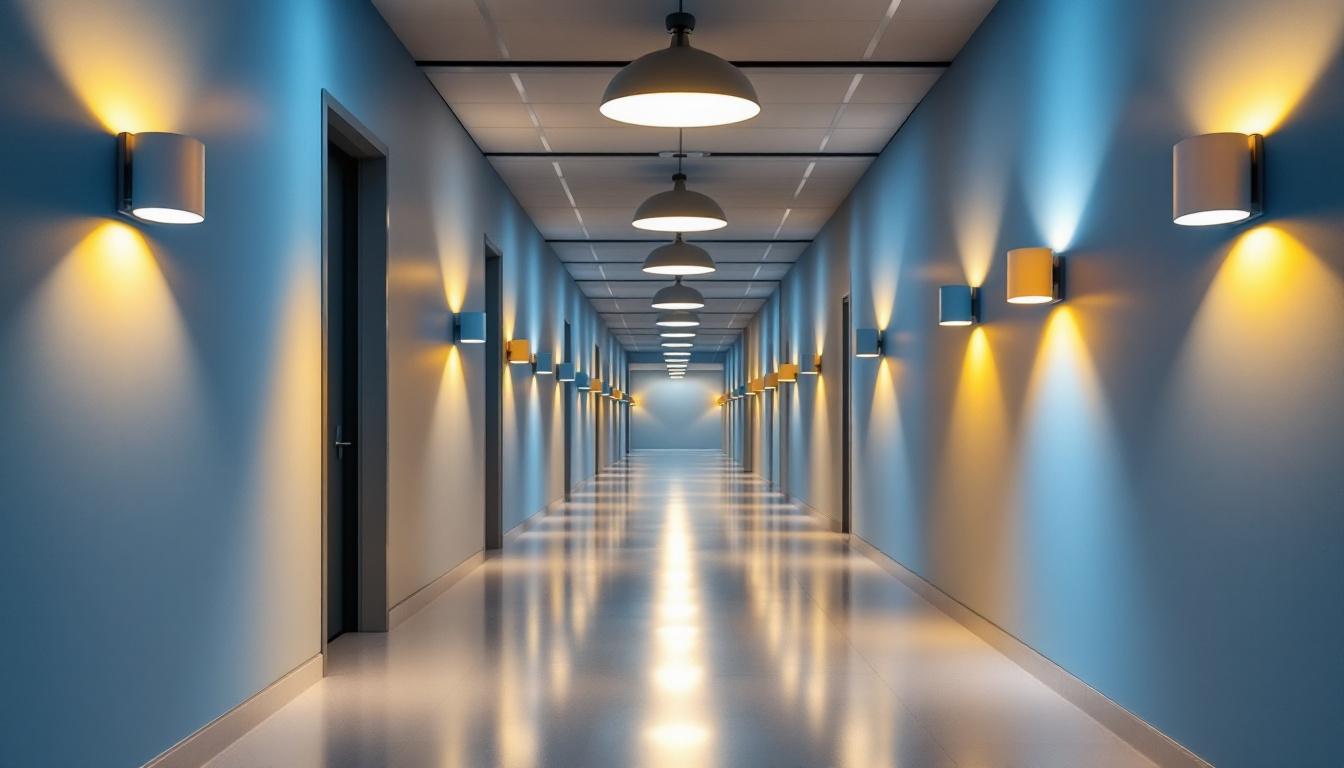
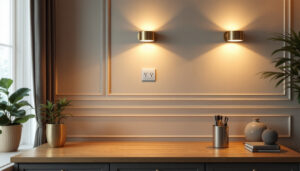
Ambient lighting provides the general illumination needed to navigate the hallway safely. This is typically achieved through ceiling-mounted fixtures such as recessed downlights or linear LED strips. Task lighting, though less common in hallways, can be used near doorways or artwork to highlight specific areas. Accent lighting adds dimension by emphasizing architectural features or decorative elements, enhancing the overall ambiance. For instance, strategically placed sconces can create a warm glow that invites movement through the space while also serving as a decorative touch that complements the hallway’s design.
Moreover, the choice of light color temperature plays a crucial role in the effectiveness of a layered lighting strategy. Warmer tones can create a cozy, inviting atmosphere, while cooler tones may contribute to a more modern and energetic feel. By mixing different color temperatures across the layers, you can achieve a dynamic lighting experience that adapts to various moods and activities taking place in the hallway.
Continuous Linear Lighting
Continuous linear LED lighting has become a popular choice for long corridors. These fixtures provide a seamless line of light that eliminates dark spots and shadows, creating a clean and modern look. Linear lighting can be surface-mounted, recessed into ceilings or walls, or even integrated into handrails for a subtle glow.
One advantage of linear fixtures is their flexibility in design. They can be installed in straight runs or customized to follow curves and angles, making them suitable for a variety of hallway configurations. Additionally, LED technology ensures energy efficiency and long lifespan, reducing maintenance costs. This adaptability allows designers to create unique lighting patterns that can enhance the architectural features of the hallway, drawing attention to its length and leading the eye toward the end of the corridor.
Furthermore, the use of dimmable linear lighting systems can provide versatility, allowing the brightness to be adjusted according to the time of day or specific events. This feature is particularly beneficial in multi-functional spaces where the hallway may serve different purposes, such as transitioning from a busy daytime environment to a more subdued evening setting.
Wall Washing and Grazing
Wall washing and grazing are techniques that involve directing light along the surface of walls to create an even or textured illumination effect. Wall washing uses broad beams to evenly light vertical surfaces, helping to visually widen narrow hallways and reduce the feeling of confinement. Grazing, on the other hand, uses narrow beams to highlight textures such as brick, stone, or wood paneling, adding character and depth.
Both techniques require precise fixture placement and beam angle selection. Lighting contractors should carefully assess the hallway’s dimensions and wall finishes to determine the most effective application. These methods can also complement other lighting layers by reducing harsh shadows and enhancing spatial perception. For example, a well-executed wall wash can make a hallway feel more expansive, while grazing can bring out the beauty of textured materials, making the space feel more inviting and engaging.
In addition to aesthetics, wall washing and grazing can serve practical purposes, such as guiding visitors through the space. By strategically placing lights at intervals, you can create a visual pathway that naturally leads the eye down the corridor, enhancing both safety and navigation. This thoughtful approach to lighting design not only elevates the visual appeal of the hallway but also contributes to a more functional and user-friendly environment.
Fixture Selection and Placement Strategies
Choosing the Right Fixtures
The selection of fixtures is critical to achieving the desired lighting effect in long hallways. LED fixtures are the industry standard due to their energy efficiency, durability, and versatility. Within LED options, contractors should consider factors such as color temperature, lumen output, beam angle, and dimming capabilities.
Color temperature plays a significant role in setting the mood of the hallway. Warm white light (2700K–3000K) creates a cozy, inviting atmosphere, while cool white light (3500K–4100K) tends to feel more modern and clinical. Neutral white (around 3000K–3500K) is often preferred for commercial or institutional hallways to balance warmth and clarity.
Optimal Fixture Spacing
Proper spacing between fixtures ensures even light distribution and prevents dark patches. A general rule of thumb is to space recessed downlights at a distance roughly equal to their mounting height. For example, if fixtures are mounted 8 feet above the floor, spacing them about 8 feet apart typically provides uniform coverage.
However, hallway width and ceiling height can affect spacing decisions. Narrower hallways may require closer fixture spacing or wall-mounted options to avoid shadows. Contractors should also consider the beam angle of fixtures; wider beams cover more area but may reduce intensity, while narrower beams provide focused illumination but require denser spacing.
Incorporating Controls and Sensors
Integrating lighting controls such as occupancy sensors, daylight sensors, and dimmers can significantly enhance energy efficiency in long hallways. Occupancy sensors ensure lights are only on when the hallway is in use, reducing unnecessary power consumption. Daylight sensors can adjust artificial lighting based on available natural light, especially near entrances or windows.
Dimming controls allow for adjusting light levels according to time of day or specific needs, improving comfort and extending fixture lifespan. Lighting contractors should design control systems that are user-friendly and compatible with building automation platforms when applicable.
Addressing Safety and Code Compliance
Meeting Building and Electrical Codes
Safety is paramount when lighting long hallways, particularly in commercial, institutional, or multi-residential buildings. Contractors must ensure all installations comply with local building codes, electrical standards, and fire safety regulations. This includes using fixtures rated for the environment, proper wiring methods, and ensuring emergency egress lighting is adequate.
Emergency lighting requirements often mandate backup power sources or battery-operated fixtures to maintain illumination during power outages. Lighting contractors should verify that exit signs and pathway lighting meet the minimum luminance levels specified by code to facilitate safe evacuation.
Minimizing Glare and Visual Discomfort
Glare can be a significant issue in long hallways, especially with high-mounted or overly bright fixtures. Excessive glare not only causes discomfort but can also impair visibility, increasing the risk of accidents. Selecting fixtures with appropriate diffusers, lenses, or shields helps control glare.
Indirect lighting methods, such as wall washing or cove lighting, can reduce direct glare by bouncing light off surfaces rather than shining it directly into the eyes. Contractors should also consider the reflectance of hallway surfaces; lighter colors reflect more light and reduce the need for high-intensity fixtures.
Case Studies and Practical Examples
Modern Office Corridor Renovation
In a recent office building renovation, lighting contractors replaced outdated fluorescent fixtures in a 100-foot-long hallway with a combination of recessed linear LED strips and wall washers. The new design improved uniformity and reduced energy consumption by nearly 50%. Occupancy sensors were installed to further optimize energy use during off-hours.
The project demonstrated how integrating multiple lighting techniques and controls can transform a dull, inefficient corridor into a bright, welcoming space that supports employee well-being and safety.
Healthcare Facility Hallway Upgrade
A healthcare facility faced challenges with narrow, dimly lit hallways that affected patient and staff comfort. The lighting contractor implemented a layered lighting system featuring warm white LED downlights spaced closely to eliminate shadows, complemented by wall grazing to highlight textured wall panels. Emergency lighting was upgraded to meet stringent code requirements.
This approach enhanced spatial perception, reduced eye strain, and created a calming environment, which is critical in healthcare settings. The project also emphasized the importance of selecting color temperatures and lighting levels that support patient recovery and staff efficiency.
Conclusion: Best Practices for Lighting Contractors
Lighting long hallways requires a careful balance of technical knowledge, design creativity, and attention to safety standards. Contractors should prioritize uniform illumination, energy efficiency, and user comfort by employing layered lighting strategies, selecting appropriate fixtures, and incorporating smart controls.
Understanding the specific needs of each hallway—whether in residential, commercial, or institutional settings—is essential for successful outcomes. By staying informed about the latest lighting technologies and adhering to code requirements, contractors can deliver solutions that enhance both the functionality and aesthetics of long corridors.
Ultimately, well-executed hallway lighting improves the overall experience of building occupants, contributing to safer, more inviting environments that stand the test of time.
Illuminate Your Projects with LumenWholesale
Ready to elevate your lighting projects with the best in spec-grade solutions? Look no further than LumenWholesale for all your long hallway lighting needs. Our extensive selection of premium lighting products is designed to meet the highest industry standards, ensuring you achieve uniform illumination, energy efficiency, and user comfort in every project. Say goodbye to inflated markups and hello to unbeatable wholesale prices, free shipping, and the convenience of hassle-free bulk buying. Wholesale Lighting at the Best Value is just a click away. Partner with LumenWholesale today and light up your hallways with confidence and affordability.