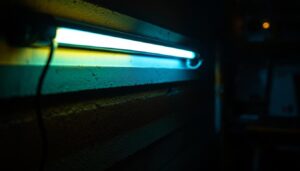
Understanding 4′ Fluorescent Bulbs: A Foundation for Lighting Professionals
For lighting contractors, mastering the nuances of 4-foot fluorescent bulbs is essential. These bulbs remain a staple in commercial, industrial, and institutional lighting due to their efficiency, versatility, and cost-effectiveness. Despite the rise of LED technology, fluorescent tubes continue to serve as a reliable lighting solution in many applications.
Fluorescent bulbs are gas-discharge lamps that produce light by exciting mercury vapor inside the tube, which then emits ultraviolet light. This light is converted to visible light by the phosphor coating on the inside of the tube. The 4-foot length is a standard size, commonly referred to as T12, T8, or T5 based on the tube diameter and technology.
Understanding the differences among these types, their applications, and installation requirements is critical for contractors aiming to deliver efficient and compliant lighting solutions. Additionally, recognizing the environmental impact of these bulbs is becoming increasingly important. Fluorescent tubes contain small amounts of mercury, which necessitates careful disposal and recycling practices to minimize ecological harm. As regulations tighten around hazardous materials, contractors must stay informed about local disposal guidelines and the implications of using fluorescent technology in their projects.
Types of 4′ Fluorescent Tubes
Lighting contractors should be well-versed in the three primary types of 4-foot fluorescent tubes:
- T12 Tubes: These have a diameter of 1.5 inches (12 eighths of an inch) and are the oldest technology. While still in use, they are less energy-efficient and are being phased out in many regions due to regulations.
- T8 Tubes: With a diameter of 1 inch, T8 tubes offer improved energy efficiency and better light quality compared to T12. They are widely used in new installations and retrofits.
- T5 Tubes: The slimmest at 5/8 inch diameter, T5 tubes provide the highest efficiency and light output. They are popular in specialized applications but require compatible fixtures.
Choosing the right tube type depends on the project requirements, existing fixtures, and energy codes. Moreover, contractors should consider the color temperature of the bulbs, which can significantly affect the ambiance of a space. Ranging from warm white (around 2700K) to cool white (up to 6500K), the choice of color temperature can influence not only the aesthetic appeal but also the functionality of the lighting in various environments. For instance, cooler temperatures are often preferred in workspaces to enhance focus and productivity, while warmer tones are more suitable for areas designed for relaxation and comfort.
Energy Efficiency and Regulatory Considerations
Energy efficiency is a top priority in lighting projects, not only to reduce operational costs but also to comply with increasingly stringent regulations. Lighting contractors must stay informed about standards that impact the use of fluorescent bulbs.
Energy Consumption and Cost Savings
Compared to incandescent lighting, 4-foot fluorescent bulbs consume significantly less energy—typically around 25-35 watts for T8 tubes versus 60 watts or more for incandescent bulbs producing similar light output. This translates to substantial savings over the lifespan of the bulb.
Moreover, T8 and T5 tubes offer better lumen-per-watt ratios than older T12 tubes, meaning more light for less power. For commercial buildings operating long hours, these efficiencies can reduce electricity bills by thousands of dollars annually.
In addition to direct cost savings, energy-efficient lighting can also enhance the overall ambiance and productivity within a space. Properly designed lighting can improve visibility and comfort, which can lead to increased employee satisfaction and performance. Businesses that invest in energy-efficient lighting solutions often find that the initial costs are quickly offset by both financial savings and improved workplace conditions.
Regulatory Landscape
Many jurisdictions have implemented regulations that phase out less efficient lighting technologies. For example, T12 fluorescent tubes are often restricted or banned for new installations due to their lower efficiency and higher mercury content.
Lighting contractors need to be aware of local energy codes and standards such as ASHRAE 90.1, Title 24 in California, and ENERGY STAR requirements. These standards often specify minimum efficacy levels and restrict the use of outdated lamps, pushing contractors towards T8 and T5 solutions or LED alternatives.
Furthermore, the regulatory landscape is continuously evolving, with new initiatives aimed at promoting sustainability and reducing carbon footprints. For instance, some regions are introducing incentives for businesses that adopt energy-efficient technologies, including rebates and tax credits. This not only encourages compliance with regulations but also fosters a culture of sustainability within the industry, prompting contractors to seek out innovative solutions that align with both regulatory requirements and environmental goals.
Installation Best Practices for 4′ Fluorescent Bulbs
Proper installation ensures optimal performance, safety, and longevity of fluorescent lighting systems. Lighting contractors must follow best practices to avoid common pitfalls and meet client expectations. By adhering to these guidelines, professionals can enhance the reliability of their installations while also providing clients with energy-efficient solutions that contribute to lower utility bills.
Compatibility with Ballasts
Fluorescent tubes require ballasts to regulate the current flow. The type of ballast must match the tube technology:
- Magnetic Ballasts: Traditionally used with T12 tubes, these are less efficient and produce audible humming.
- Electronic Ballasts: Compatible with T8 and T5 tubes, electronic ballasts improve energy efficiency, reduce flicker, and extend bulb life.
When retrofitting older fixtures, contractors should assess ballast compatibility and consider replacing magnetic ballasts with electronic ones to maximize efficiency. Additionally, choosing the right ballast can also influence the color temperature and brightness of the fluorescent tubes, allowing for a more tailored lighting solution that meets specific needs, whether for a commercial space or a residential setting.
Handling and Installation Tips
Fluorescent bulbs are fragile and contain small amounts of mercury, necessitating careful handling:
- Wear gloves or use a clean cloth to avoid oils from skin damaging the tube surface.
- Ensure the power is off before installation or replacement to prevent electric shock.
- Install bulbs firmly but gently to avoid cracking or breaking.
- Dispose of old fluorescent tubes properly through recycling programs to prevent environmental contamination.
In addition to these precautions, it is also advisable to inspect the fixture for any signs of wear or damage before installation. This ensures that the new bulbs will operate efficiently and safely. Furthermore, using a bulb replacement tool can help maintain a secure grip on the fragile tubes, reducing the risk of breakage during installation. Proper storage of spare bulbs in a cool, dry place away from direct sunlight can also help maintain their integrity until they are needed.
Maintenance and Troubleshooting for Long-Term Reliability
Maintaining fluorescent lighting systems is crucial for sustained performance and client satisfaction. Lighting contractors should provide guidance on routine maintenance and be prepared to troubleshoot common issues. Regular upkeep not only ensures optimal functionality but also enhances the overall aesthetic appeal of the space, making it more inviting and productive for occupants.
Common Issues and Solutions
Some typical problems encountered with 4-foot fluorescent bulbs include:
- Flickering or Buzzing: Often caused by failing ballasts or loose connections. Replacing the ballast or securing wiring can resolve this.
- Dim or Uneven Light Output: Aging bulbs or dirty fixtures can reduce brightness. Regular cleaning and timely bulb replacement are key.
- Failure to Start: This may indicate a faulty starter (in older systems) or ballast. Diagnosing and replacing the defective component is necessary.
Proactive maintenance, including periodic inspections and cleaning, extends bulb life and maintains lighting quality. Additionally, keeping a log of maintenance activities can help identify patterns in failures, allowing contractors to anticipate issues before they escalate. This systematic approach not only saves time and resources but also builds trust with clients, who appreciate the proactive measures taken to ensure their lighting systems function flawlessly.
Upgrading to LED Alternatives
While fluorescent bulbs remain prevalent, many contractors are transitioning clients to LED tube replacements. LED tubes offer superior energy efficiency, longer lifespan, and reduced environmental impact. The shift to LEDs not only lowers energy bills but also minimizes the frequency of replacements, leading to significant cost savings over time. Furthermore, LEDs produce less heat, which can contribute to a more comfortable indoor climate and reduce the load on cooling systems.
However, understanding fluorescent technology remains important for contractors managing existing installations or hybrid systems. Knowledge of fluorescent bulb characteristics aids in making informed recommendations and ensuring seamless upgrades. For instance, being aware of the compatibility of LED tubes with existing ballasts can prevent unnecessary expenses and complications during the transition. Additionally, educating clients about the benefits of LED lighting, such as improved color rendering and instant-on capabilities, can facilitate a smoother acceptance of the upgrade, ultimately enhancing their overall satisfaction with the lighting solutions provided.
Conclusion: Fluorescent Bulbs as a Vital Component in Lighting Projects
For lighting contractors, expertise in 4-foot fluorescent bulbs is indispensable. From selecting the appropriate tube type and ballast to ensuring compliance with energy regulations and executing proper installation, these skills directly impact project success.
Despite the growing popularity of LED lighting, fluorescent tubes continue to offer a cost-effective and reliable solution in many applications. By staying informed about technological advances, regulatory changes, and maintenance best practices, lighting contractors can deliver optimal lighting solutions tailored to client needs.
Ultimately, a deep understanding of 4-foot fluorescent bulbs empowers contractors to enhance energy efficiency, reduce operational costs, and contribute to sustainable lighting environments.
Illuminate Your Projects with LumenWholesale
Ready to take your lighting projects to the next level? At LumenWholesale, we provide lighting contractors with the highest quality 4-foot fluorescent bulbs and a vast array of spec-grade lighting products at unbeatable wholesale prices. Say goodbye to local distributor markups and hello to superior lighting solutions that meet the highest industry standards. With our commitment to hassle-free bulk buying and free shipping, you can trust that you’re getting premium lighting at the best value — all without hidden fees or compromises. Elevate your lighting game and experience the perfect blend of quality, affordability, and convenience. Visit LumenWholesale now and discover Wholesale Lighting at the Best Value for your next project.