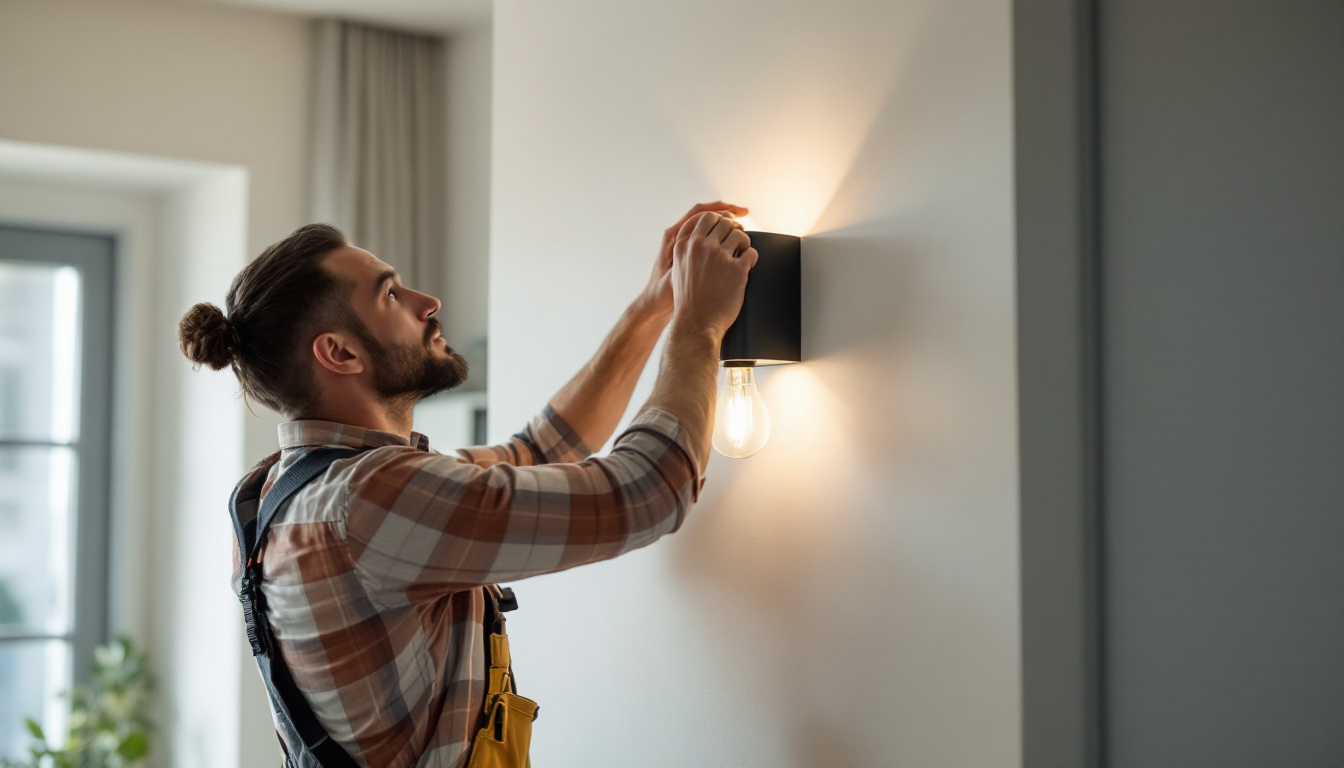
Introduction to LED Outdoor Shop Lighting
For lighting contractors, selecting the right outdoor shop lights is a critical decision that directly impacts project success, client satisfaction, and long-term maintenance costs. LED technology has revolutionized the lighting industry, offering unparalleled energy efficiency, durability, and versatility. As outdoor environments pose unique challenges such as exposure to weather, dust, and varying temperatures, LED shop lights have emerged as the preferred solution for illuminating commercial, industrial, and retail spaces.
Understanding the benefits and technical considerations of LED outdoor shop lights empowers lighting contractors to design and implement lighting systems that meet stringent performance standards while optimizing operational costs. This article explores why LED outdoor shop lights are indispensable tools for contractors aiming to deliver superior lighting solutions.
One of the standout features of LED outdoor shop lighting is its impressive lifespan, often exceeding 50,000 hours of use. This longevity not only reduces the frequency of replacements but also minimizes labor costs associated with maintenance and installation. Additionally, LEDs emit very little heat compared to traditional lighting options, which can significantly lower cooling costs in warmer climates. This energy efficiency is further enhanced by the ability of LED fixtures to provide high lumen output while consuming less wattage, making them an environmentally friendly choice that aligns with sustainable building practices.
Moreover, the versatility of LED outdoor shop lights allows for a variety of applications, from illuminating parking lots and loading docks to enhancing the aesthetics of storefronts and outdoor displays. With options for adjustable color temperatures, contractors can create tailored lighting solutions that enhance visibility and safety while also complementing the architectural features of a building. Furthermore, advancements in smart lighting technology have enabled the integration of LED fixtures with motion sensors and timers, providing contractors with the ability to optimize energy usage based on real-time needs and occupancy, thereby further enhancing the cost-effectiveness of their lighting designs.
Why LED Technology Dominates Outdoor Shop Lighting
Energy Efficiency and Cost Savings
Energy consumption is one of the largest operational expenses for commercial and industrial facilities. LED outdoor shop lights consume significantly less electricity compared to traditional lighting technologies such as metal halide or high-pressure sodium lamps. On average, LEDs use up to 75% less energy while providing equal or better illumination levels.
For lighting contractors, this translates into a compelling value proposition for clients. Reduced energy consumption not only lowers utility bills but also aligns with increasingly stringent energy codes and sustainability goals. Many businesses are actively seeking lighting upgrades that qualify for rebates and incentives, making LED installations an attractive investment. Moreover, the long-term savings associated with LED lighting can significantly enhance a business’s bottom line, allowing for reinvestment into other critical areas of operation, such as employee training or inventory expansion. As energy prices continue to fluctuate, the predictability of LED energy costs provides an additional layer of financial security for businesses, making them a wise choice for future-proofing operations.
Longevity and Reduced Maintenance
Outdoor lighting fixtures are often difficult and costly to access for maintenance or replacement. LED shop lights boast lifespans that can exceed 50,000 hours, far surpassing traditional bulbs which may require replacement every few thousand hours. This longevity reduces maintenance frequency and labor costs, a critical consideration for contractors managing large-scale projects or hard-to-reach installations.
Additionally, LEDs are more resistant to shock, vibration, and temperature fluctuations, which are common in outdoor environments. This durability ensures consistent performance and fewer service calls, enhancing contractor reputation and client satisfaction. The reduced need for frequent replacements not only saves money but also minimizes the environmental impact associated with manufacturing and disposing of traditional lighting products. As businesses strive to adopt greener practices, the eco-friendly nature of LED technology becomes a significant selling point, further solidifying its dominance in the market.
Superior Light Quality and Control
LEDs offer superior color rendering and uniform light distribution, which improves visibility and safety in outdoor shop areas. High Color Rendering Index (CRI) values mean colors appear more natural and details are easier to discern, essential for tasks requiring precision.
Furthermore, many LED shop lights come with dimming capabilities and smart controls, allowing contractors to design flexible lighting systems that adapt to operational needs. Motion sensors, daylight harvesting, and programmable schedules optimize energy use and enhance user experience. The ability to customize lighting not only improves the functionality of outdoor spaces but also creates a more inviting atmosphere for customers and employees alike. In retail environments, for example, the right lighting can highlight products effectively, thereby increasing sales and enhancing the overall shopping experience. As technology continues to evolve, the integration of IoT (Internet of Things) capabilities into LED systems promises even greater control and efficiency, allowing businesses to monitor and adjust their lighting in real-time for optimal performance.
Key Features Lighting Contractors Should Prioritize
Ingress Protection and Weather Resistance
Outdoor shop lights must withstand rain, dust, and extreme temperatures. Lighting contractors should specify fixtures with appropriate Ingress Protection (IP) ratings, typically IP65 or higher, to ensure resistance against water jets and dust ingress.
Materials such as die-cast aluminum housings and tempered glass lenses improve durability and heat dissipation, extending fixture life. Corrosion-resistant finishes are also important for installations in coastal or industrial environments. Additionally, contractors should consider the impact of UV exposure on outdoor lighting fixtures. UV-resistant coatings can prevent fading and degradation, ensuring that the fixtures maintain their aesthetic appeal over time. This is particularly crucial for areas with prolonged sunlight exposure, where the longevity of the fixture’s appearance can significantly affect the overall look of the installation.
Mounting Flexibility and Ease of Installation
Contractors benefit from fixtures that offer multiple mounting options including surface mount, pendant, and adjustable brackets. This flexibility allows for customized lighting layouts that maximize coverage and minimize shadows.
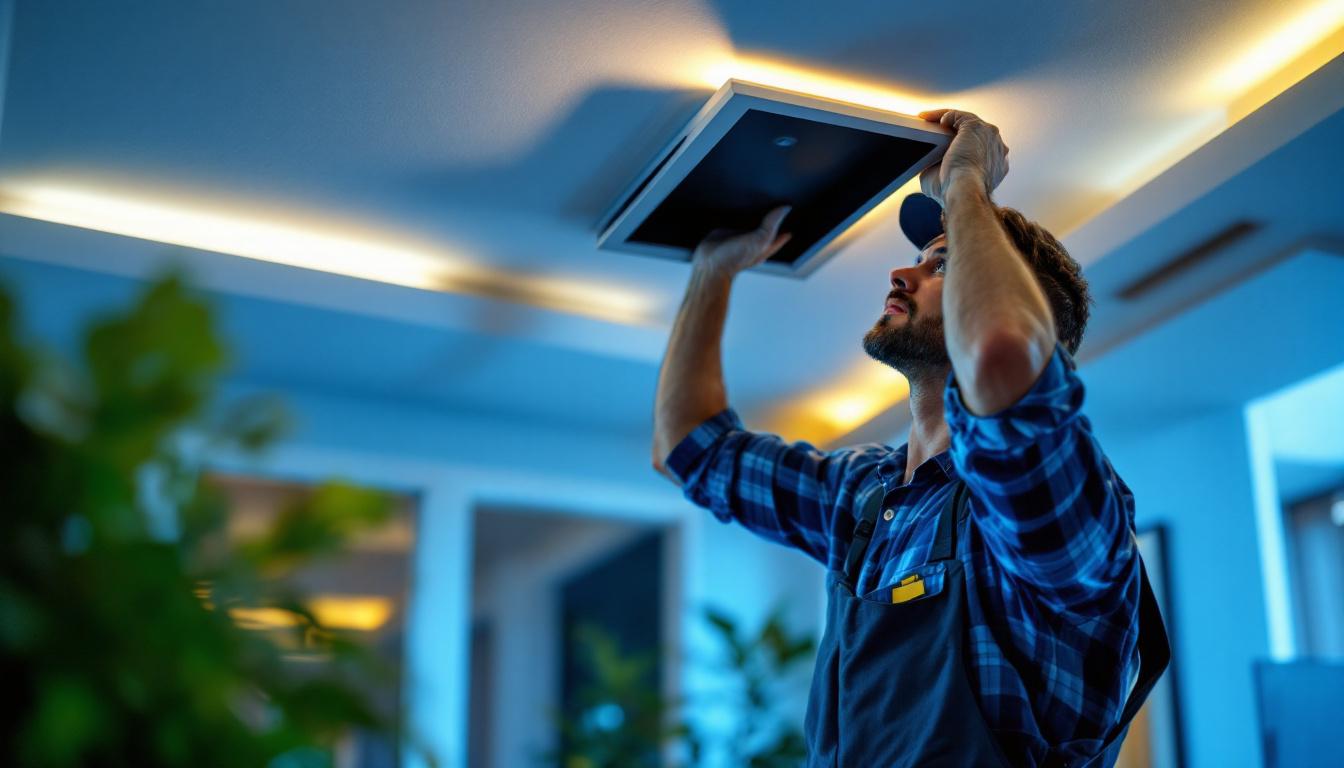
Quick-connect wiring and modular designs reduce installation time and labor costs. Lightweight fixtures ease handling and reduce strain on installers, contributing to safer job sites and faster project completion. Furthermore, the ability to adjust the angle and position of the lights can help address specific lighting needs, such as illuminating work areas or enhancing safety in high-traffic zones. This adaptability not only meets the immediate requirements of the project but also allows for future modifications, making the lighting system more versatile and sustainable in the long run.
Thermal Management
Effective heat dissipation is crucial for maintaining LED performance and longevity. Lighting contractors should select shop lights with integrated heat sinks or active cooling systems that prevent overheating, especially in enclosed or high-temperature outdoor environments.
Proper thermal management ensures consistent light output and prevents premature fixture failure, protecting contractor investments and client satisfaction. Additionally, advanced thermal management technologies, such as phase-change materials or heat pipes, can further enhance performance by actively transferring heat away from critical components. This not only prolongs the lifespan of the LEDs but also contributes to energy efficiency, as cooler operating temperatures can lead to lower energy consumption. By prioritizing these thermal solutions, contractors can ensure that their installations remain reliable and efficient, even under demanding conditions.
Applications and Case Studies Demonstrating LED Shop Light Success
Industrial Warehouses and Manufacturing Facilities
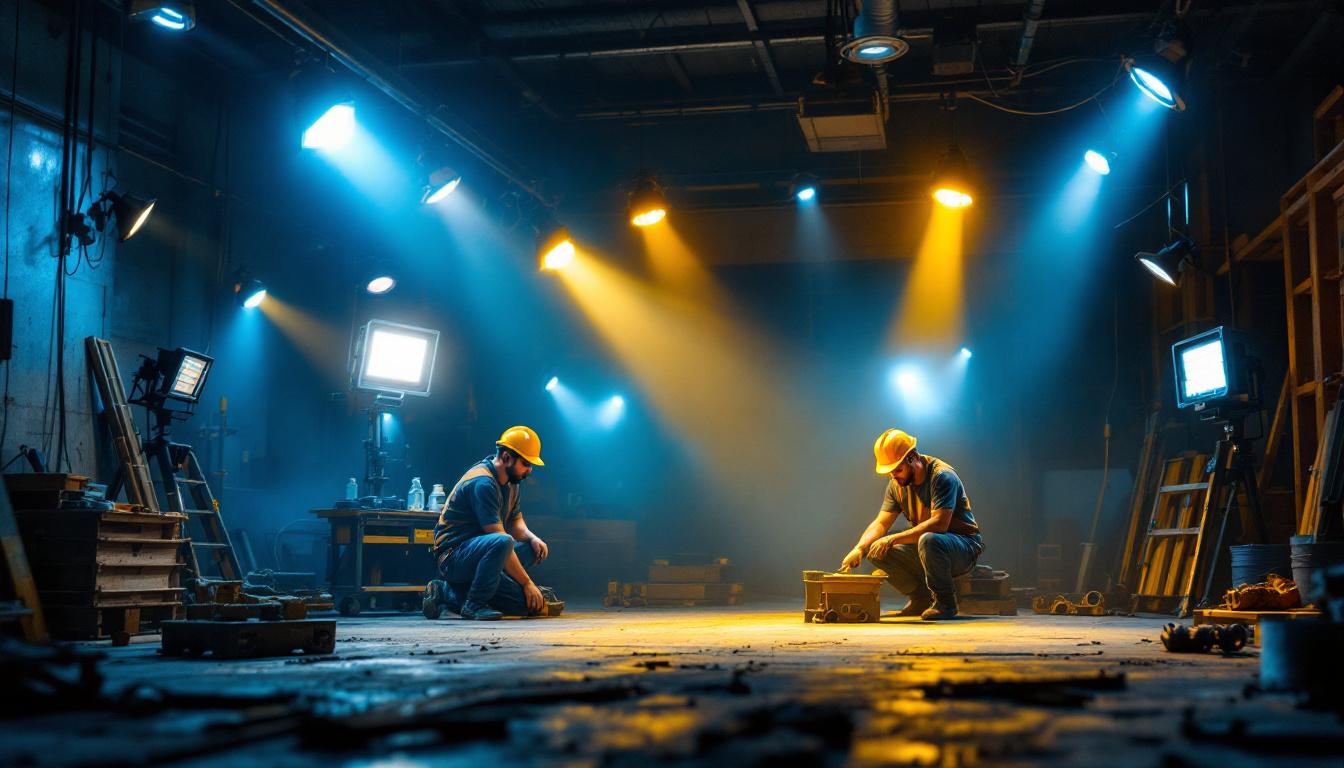
In large industrial settings, bright and uniform lighting is essential for worker safety and productivity. LED outdoor shop lights provide consistent illumination across expansive areas, reducing accidents and improving operational efficiency.
One manufacturing facility reported a 60% reduction in lighting energy costs after retrofitting with LED shop lights. Maintenance intervals extended from quarterly to annual checks, freeing up resources for other critical tasks.
Retail and Commercial Outdoor Spaces
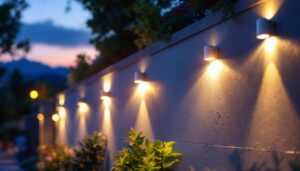
Retail centers and commercial shops benefit from LED lighting that enhances curb appeal and security. Well-lit outdoor areas deter theft and vandalism while creating inviting environments for customers.
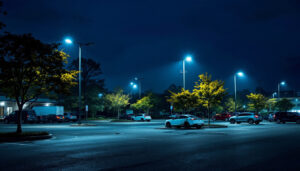
Lighting contractors have successfully implemented LED shop lights with integrated motion sensors in parking lots and loading docks, resulting in energy savings of up to 50% without compromising safety.
Agricultural and Farm Applications
Outdoor shop lights are vital in agricultural settings where work often continues after dark. LEDs withstand harsh conditions such as dust, humidity, and temperature swings common in barns and equipment yards.
Contractors have noted that LED installations improve visibility for nighttime tasks, reduce energy bills, and require less frequent replacements, which is critical in remote or rural locations.
Best Practices for Lighting Contractors When Specifying LED Outdoor Shop Lights
Conducting a Thorough Site Assessment
Before specifying LED outdoor shop lights, contractors should perform detailed site evaluations considering factors such as ambient light levels, mounting heights, and task requirements. This ensures the lighting design meets both functional and regulatory standards.
Using lighting simulation software can help visualize coverage and optimize fixture placement, minimizing over-illumination and glare.
Balancing Initial Costs with Long-Term Savings
While LED fixtures may have higher upfront costs compared to traditional lighting, contractors should emphasize the total cost of ownership to clients. Energy savings, reduced maintenance, and improved durability often result in payback periods of just a few years.
Providing clear ROI analyses and case studies can help clients make informed decisions and justify investments in quality LED shop lights.
Ensuring Compliance with Codes and Standards
Lighting contractors must ensure all outdoor shop lighting installations comply with local codes, safety regulations, and industry standards such as the Illuminating Engineering Society (IES) guidelines. Proper certification and testing of LED fixtures guarantee performance and safety.
Staying current with evolving regulations helps contractors avoid costly rework and enhances professional credibility.
Conclusion: LED Outdoor Shop Lights as a Strategic Asset
For lighting contractors, LED outdoor shop lights represent more than just a product choice—they are a strategic asset that drives project success and client satisfaction. By leveraging the energy efficiency, durability, and advanced features of LED technology, contractors can deliver lighting solutions that reduce operational costs, improve safety, and meet the demanding conditions of outdoor environments.
Embracing best practices in fixture selection, installation, and compliance ensures contractors remain competitive in a rapidly evolving market. Ultimately, LED outdoor shop lights are key to unlocking new opportunities and establishing long-lasting client relationships in the lighting industry.
Illuminate Your Projects with LumenWholesale
Ready to elevate your lighting projects with the most efficient LED outdoor shop lights on the market? At LumenWholesale, we provide lighting contractors with the strategic assets needed to succeed. Our spec-grade lighting products not only meet but exceed industry standards, ensuring you deliver top-tier solutions to your clients. With unbeatable wholesale prices and the convenience of free shipping on bulk orders, LumenWholesale is your go-to source for premium lighting without the premium price tag. Don’t let middleman markups dim your project’s potential. Choose LumenWholesale for quality, affordability, and hassle-free service. Wholesale Lighting at the Best Value is just a click away.