Understanding the Importance of Quality Light Posts
For lighting contractors, selecting the right light posts is fundamental to the success of any outdoor lighting project. Light posts not only serve as the structural backbone for fixtures but also contribute significantly to the overall aesthetic, safety, and functionality of the installation. A high-quality light post ensures durability, reduces maintenance costs, and supports the lighting fixture efficiently under various environmental conditions.
When choosing light posts, contractors must consider factors such as material strength, corrosion resistance, design compatibility, and ease of installation. For instance, aluminum posts are favored for their lightweight nature and resistance to rust, making them ideal for coastal or humid environments. Steel posts, on the other hand, offer superior strength and are often galvanized or powder-coated to enhance longevity. Additionally, composite materials are gaining popularity due to their resistance to weathering and their ability to mimic the appearance of traditional materials while being more environmentally friendly.
In addition, the design and finish of light posts can influence the ambiance of the space. Decorative posts with intricate designs are popular in parks and residential areas, while sleek, minimalist posts suit commercial and industrial settings. Understanding the project’s specific needs helps contractors recommend the best light post options to clients, ensuring both functionality and visual appeal. Furthermore, the integration of smart technology into light posts is becoming increasingly common, allowing for features such as dimming, motion sensors, and even solar power capabilities. This not only enhances energy efficiency but also provides a modern touch that aligns with sustainable practices.
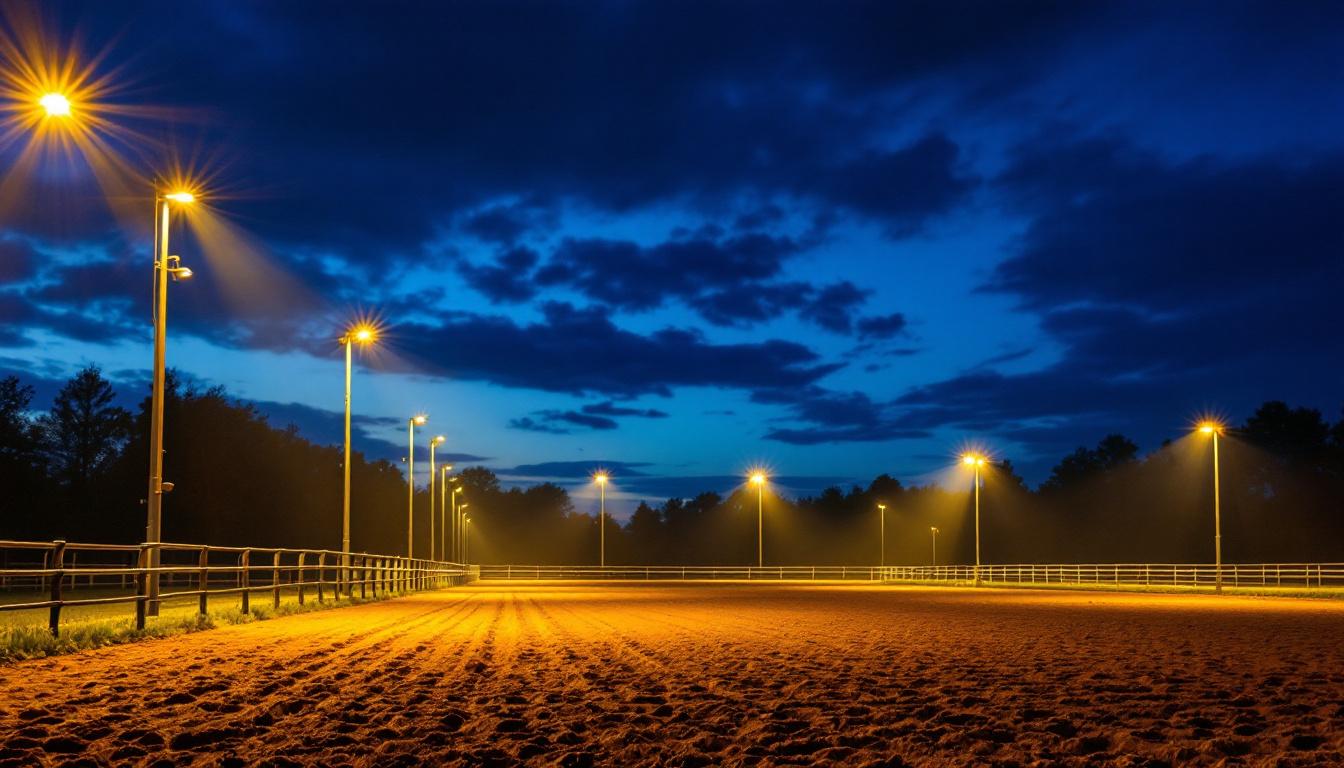
Moreover, the placement and height of light posts play a crucial role in achieving optimal illumination and safety. Properly spaced and strategically positioned posts can reduce shadows and dark spots, enhancing visibility for pedestrians and vehicles alike. Contractors must also consider local regulations and guidelines that dictate the height and brightness of outdoor lighting to ensure compliance and avoid potential fines. By taking these factors into account, contractors can create well-lit environments that promote safety and enhance the overall experience of the space.
Key Material Choices and Their Impact
Steel: Strength and Versatility
Steel remains one of the most common materials used in light post manufacturing due to its robustness and versatility. Galvanized steel posts are particularly valued for their resistance to rust and corrosion, which is crucial for outdoor installations exposed to rain, snow, and humidity. The galvanization process coats the steel with a protective zinc layer, extending the post’s lifespan significantly.
Steel posts can be fabricated into various shapes and sizes, accommodating different lighting fixtures and mounting requirements. Moreover, they can be powder-coated in a range of colors and finishes, allowing contractors to match the posts with the project’s design theme. However, steel posts are heavier than alternatives like aluminum, which may impact transportation and installation logistics.
Aluminum: Lightweight and Corrosion Resistant
Aluminum light posts have gained popularity due to their lightweight yet durable nature. They naturally resist corrosion without the need for additional coatings, making them ideal for environments with high moisture or salt exposure, such as coastal areas. This inherent corrosion resistance reduces maintenance needs and extends the post’s service life.
While aluminum posts may not match the sheer strength of steel, modern manufacturing techniques have enhanced their structural integrity, enabling them to support a wide range of lighting fixtures. Additionally, aluminum is easier to handle during installation, potentially reducing labor costs and time on site.
Fiberglass and Composite Materials
Emerging materials like fiberglass and composites offer an alternative to traditional metals. These materials provide excellent resistance to environmental factors, including UV radiation, chemicals, and moisture. Fiberglass posts are non-conductive, which can be a safety advantage in certain installations.
Though typically more expensive upfront, fiberglass and composite posts can offer long-term savings through reduced maintenance and replacement costs. Contractors should evaluate project requirements carefully to determine if these materials provide a cost-effective solution.
Design Considerations for Lighting Contractors
Height and Load Capacity
One of the primary considerations when selecting light posts is the required height and load capacity. The height must be appropriate to achieve the desired illumination coverage and intensity while minimizing glare and light pollution. For example, street lighting often requires posts ranging from 15 to 30 feet, whereas pedestrian pathways may only need posts between 8 and 12 feet.
Load capacity is equally critical, as the post must safely support the weight of the lighting fixture, including any additional equipment such as cameras or banners. Contractors should consult manufacturer specifications and industry standards to ensure the post can handle the anticipated loads, including wind and seismic forces.
Foundation and Mounting Options
Proper foundation design is essential for the stability and longevity of light posts. Depending on soil conditions and post height, foundations may vary from simple concrete bases to more complex anchoring systems. Lighting contractors should coordinate with civil engineers or geotechnical experts to design foundations that meet safety and durability requirements.
Mounting options also influence installation efficiency and maintenance. Slipfitter mounts, tenon mounts, and direct burial posts each offer distinct advantages. For example, slipfitter mounts allow for easy fixture adjustments, while direct burial posts reduce the need for extensive foundations. Selecting the right mounting method can streamline installation and future servicing.
Aesthetic Integration
In many projects, light posts contribute to the visual identity of the space. Urban planners and designers often seek posts that complement architectural styles or landscape themes. Lighting contractors should be familiar with a variety of design options — from classic Victorian-style posts to modern minimalist poles — to meet client expectations.
Additionally, finishes such as powder coating, anodizing, or custom paint colors can enhance appearance and protect against environmental wear. Collaborating with manufacturers that offer customization options allows contractors to deliver tailored solutions that elevate the overall project quality.
Installation Best Practices
Site Preparation and Safety
Effective installation begins with thorough site preparation. Contractors must assess the terrain, existing infrastructure, and underground utilities before commencing work. Utilizing ground-penetrating radar or utility maps helps prevent accidental damage to buried cables or pipes, which can cause costly delays and hazards.
Safety protocols are paramount during installation. Personal protective equipment (PPE), proper lifting techniques, and adherence to OSHA regulations reduce the risk of accidents. Additionally, coordinating with local authorities for traffic control or permits ensures compliance and smooth project execution.
Proper Alignment and Plumb
Ensuring that light posts are perfectly vertical and aligned is critical for both aesthetics and structural integrity. Misaligned posts can lead to uneven lighting distribution and increased stress on fixtures and foundations. Contractors should use laser levels or plumb bobs during installation to achieve precise positioning.
Regular inspections during and after installation help identify any shifts or settling that may occur, allowing for timely corrections. This attention to detail reflects professionalism and commitment to quality workmanship.
Electrical Connections and Weatherproofing
Lighting contractors must ensure that all electrical connections within the light posts are secure, properly insulated, and compliant with the National Electrical Code (NEC). Junction boxes and wiring should be rated for outdoor use and protected against moisture ingress.
Weatherproofing measures, such as sealing gaskets and corrosion-resistant connectors, prevent water damage and prolong the lifespan of electrical components. Testing the system thoroughly before finalizing the installation guarantees reliable operation and client satisfaction.
Maintenance Tips to Extend Light Post Lifespan
Regular Inspections and Cleaning
Routine inspections are essential to identify early signs of wear, corrosion, or mechanical damage. Contractors should schedule periodic checks to assess the condition of the posts, fixtures, and foundations. Cleaning the posts removes dirt, bird droppings, and other debris that can accelerate material degradation.
Using mild detergents and non-abrasive tools preserves the finish and prevents scratches. In coastal or industrial areas, more frequent cleaning may be necessary due to higher exposure to corrosive elements.
Addressing Corrosion and Damage Promptly
When corrosion or damage is detected, timely intervention can prevent more extensive repairs or replacements. Touch-up painting, rust treatment, and component replacement are common maintenance actions. Contractors should maintain detailed records of maintenance activities to track the condition and history of each installation.
Proactive maintenance not only extends the life of light posts but also enhances safety and reduces long-term costs for clients.
Upgrading Components for Efficiency
As lighting technology evolves, upgrading fixtures and controls can improve energy efficiency and performance without replacing the entire post. For example, retrofitting LED luminaires and smart controls can reduce energy consumption and maintenance frequency.
Contractors should advise clients on the benefits of such upgrades, positioning themselves as trusted advisors who provide value beyond initial installation.
Partnering with Reliable Light Post Manufacturers
Choosing the right manufacturer is a strategic decision that impacts project quality, timelines, and client satisfaction. Lighting contractors should seek manufacturers with a proven track record of producing durable, compliant, and customizable light posts.
Key considerations include the manufacturer’s certifications, quality control processes, and customer service responsiveness. Access to technical support and detailed product documentation facilitates smoother project planning and execution.
Building strong relationships with reputable manufacturers can also provide contractors with competitive pricing, priority delivery, and access to the latest innovations in light post design and materials.
Conclusion
For lighting contractors, mastering the selection, installation, and maintenance of light posts is essential to delivering successful outdoor lighting projects. Understanding material options, design considerations, and best practices ensures that installations are safe, durable, and visually appealing. Regular maintenance and strategic partnerships with reliable manufacturers further enhance project outcomes and client satisfaction.
By integrating these quick tips into their workflow, lighting contractors can confidently navigate the complexities of light post applications and stand out as experts in their field.
Get Your Premium Lighting Posts at LumenWholesale
Ready to elevate your outdoor lighting projects with the highest quality light posts? Look no further than LumenWholesale, where we specialize in providing contractors with spec-grade lighting products at unbeatable wholesale prices. Say goodbye to inflated markups and hello to superior lighting solutions that meet the highest industry standards. With LumenWholesale, bulk buying is a breeze, and with free shipping, you can rest assured that you’re getting the best value without any hidden fees. Don’t compromise on quality, affordability, or convenience. Wholesale Lighting at the Best Value is just a click away. Choose LumenWholesale for your next project and experience the difference.