Introduction to Recessed Fluorescent Fixtures
Recessed fluorescent fixtures have long been a staple in commercial and institutional lighting. Their ability to provide uniform, energy-efficient illumination while maintaining a clean ceiling aesthetic makes them a preferred choice for many lighting contractors. As the lighting industry evolves with new technologies and sustainability standards, understanding the role and advantages of recessed fluorescent fixtures remains essential for professionals tasked with designing and implementing effective lighting solutions.
In this article, we explore the characteristics, benefits, and modern applications of recessed fluorescent fixtures. We also examine how these fixtures compare to emerging lighting technologies and why they continue to hold a significant place in contemporary lighting design.
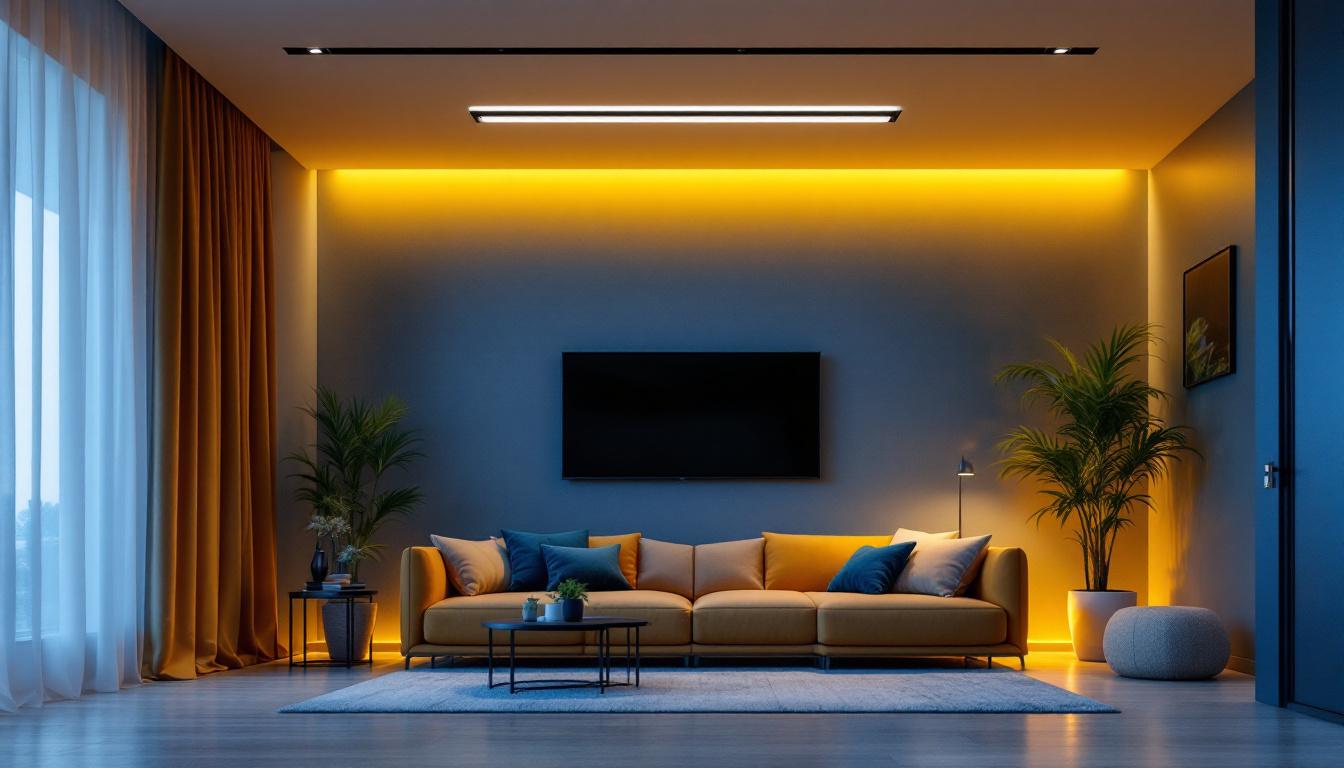
One of the defining features of recessed fluorescent fixtures is their design, which allows them to be integrated seamlessly into ceilings, creating a streamlined look that enhances the overall architectural aesthetic of a space. These fixtures are available in various sizes and configurations, making them versatile enough to suit different environments, from office buildings to educational institutions. Furthermore, the ability to use multiple lamps within a single fixture can provide varying levels of brightness and color temperature, allowing for customized lighting solutions tailored to specific tasks or moods.
In addition to their aesthetic appeal, recessed fluorescent fixtures are renowned for their energy efficiency. They typically consume less power than traditional incandescent lighting, translating into lower energy bills and a reduced carbon footprint. With the advent of advanced ballast technology, many recessed fluorescent fixtures now offer even greater efficiency and longer lifespans, making them a sustainable choice for environmentally conscious projects. As businesses and organizations increasingly prioritize sustainability, the role of these fixtures in achieving energy-efficient lighting solutions becomes even more crucial.
Understanding Recessed Fluorescent Fixtures
What Are Recessed Fluorescent Fixtures?
Recessed fluorescent fixtures are lighting units installed into the ceiling so that the fixture itself is flush with or slightly above the ceiling surface. This design allows the light source to be hidden from direct view, creating a clean and unobtrusive appearance. Typically, these fixtures use fluorescent tubes—commonly T5 or T8 lamps—that produce bright, diffuse light suitable for large spaces.
The fixtures are often modular, allowing for easy integration into grid ceilings commonly found in offices, schools, hospitals, and retail environments. Their design supports a variety of lens and diffuser options to control glare and light distribution, enhancing visual comfort.
Key Components and Design Features
Core components of recessed fluorescent fixtures include the ballast, lamp sockets, reflectors, and diffusers. The ballast regulates current to the fluorescent lamps, ensuring stable operation and extending lamp life. Modern electronic ballasts have largely replaced older magnetic types, offering improved energy efficiency and reduced flicker.
Reflectors inside the fixture maximize light output by directing light downward, while diffusers soften the light to reduce harsh shadows and glare. The combination of these elements results in a versatile lighting solution adaptable to various architectural and functional requirements.
Advantages of Recessed Fluorescent Fixtures in Modern Lighting
Energy Efficiency and Cost-Effectiveness
One of the primary reasons recessed fluorescent fixtures remain popular is their energy efficiency. Fluorescent lamps consume significantly less power compared to traditional incandescent bulbs while delivering comparable or superior light output. This efficiency translates into lower operational costs, an important consideration for commercial buildings with extensive lighting needs.
Additionally, the long lifespan of fluorescent lamps reduces maintenance frequency and associated labor costs. Lighting contractors appreciate fixtures that offer a balance between upfront investment and long-term savings, making recessed fluorescent fixtures a reliable choice.
Visual Comfort and Quality of Light
Recessed fluorescent fixtures provide uniform, flicker-free illumination that reduces eye strain and enhances occupant comfort. Their diffused light output is well-suited to environments where tasks require consistent, shadow-free lighting, such as offices, classrooms, and healthcare facilities.
Advancements in lamp phosphor technology have improved color rendering indices (CRI), allowing fluorescent lighting to better represent colors naturally. This improvement is crucial in retail and design spaces where accurate color perception influences consumer behavior and aesthetic appeal.
Design Flexibility and Integration
The recessed nature of these fixtures allows them to blend seamlessly into ceiling designs without protruding elements. This integration supports minimalist architectural styles and helps maintain clean lines in interior spaces.
Furthermore, recessed fluorescent fixtures come in various sizes and configurations, from narrow troffers to wide panels, enabling lighting contractors to tailor solutions to specific spatial layouts and lighting requirements. Compatibility with dimming controls and occupancy sensors further enhances their adaptability in modern smart building systems.
Applications of Recessed Fluorescent Fixtures in Various Sectors
Commercial and Office Spaces
In commercial settings, especially offices, lighting quality directly impacts productivity and well-being. Recessed fluorescent fixtures provide bright, evenly distributed light that reduces glare on computer screens and minimizes visual fatigue. Their compatibility with ceiling grids and acoustic tiles makes them a practical choice for open-plan offices and conference rooms.
Moreover, the fixtures’ energy efficiency supports corporate sustainability goals, helping businesses reduce their carbon footprint without compromising on lighting quality.
Educational Institutions
Schools and universities benefit from the consistent, glare-free illumination provided by recessed fluorescent fixtures. Proper lighting in classrooms and laboratories enhances concentration and reduces eye strain among students and staff. The fixtures’ durability and low maintenance requirements suit the high-usage nature of educational facilities.
Additionally, the ability to integrate with daylight harvesting systems allows for energy savings by adjusting artificial lighting based on natural light availability, a feature increasingly valued in modern educational design.
Healthcare Facilities
Healthcare environments demand lighting that supports both clinical accuracy and patient comfort. Recessed fluorescent fixtures deliver bright, uniform light essential for examination rooms, operating theaters, and patient wards. Their low glare and high CRI contribute to accurate color discrimination, critical for medical assessments.
Furthermore, the fixtures’ recessed installation reduces dust accumulation and facilitates easier cleaning, aligning with stringent hygiene standards in healthcare settings.
Retail and Hospitality
Retail spaces rely on effective lighting to highlight products and create inviting atmospheres. While accent lighting is often used for emphasis, recessed fluorescent fixtures provide the baseline ambient light necessary for overall visibility and safety. Their ability to render colors accurately enhances product presentation, influencing purchasing decisions.
In hospitality venues, such as hotels and restaurants, these fixtures contribute to a welcoming environment by offering soft, evenly diffused light that complements decorative lighting elements.
Comparing Recessed Fluorescent Fixtures with Emerging Lighting Technologies
Fluorescent vs. LED Recessed Fixtures
Light Emitting Diode (LED) technology has rapidly gained traction in the lighting industry due to its superior energy efficiency, longer lifespan, and enhanced control capabilities. Many lighting contractors face decisions about whether to specify traditional recessed fluorescent fixtures or transition to LED alternatives.
LED recessed fixtures typically consume less energy and generate less heat, contributing to lower cooling costs in buildings. They also offer instant-on capabilities and better dimming performance. However, the initial cost of LED fixtures can be higher, and in some retrofit scenarios, existing fluorescent infrastructure may be more cost-effective to maintain.
Despite this, many manufacturers now offer LED retrofit kits designed to fit into existing recessed fluorescent housings, allowing contractors to upgrade lighting systems incrementally without full fixture replacement.
Environmental and Regulatory Considerations
Fluorescent lamps contain small amounts of mercury, necessitating careful handling and disposal to prevent environmental contamination. Regulatory frameworks increasingly emphasize responsible recycling and disposal practices, which lighting contractors must adhere to during installation and maintenance.
LED technology, being mercury-free, presents a more environmentally friendly option, aligning with green building certifications and sustainability initiatives. Nonetheless, the established infrastructure for fluorescent recycling and the availability of energy-efficient electronic ballasts mitigate some environmental concerns associated with fluorescent lighting.
Best Practices for Lighting Contractors Working with Recessed Fluorescent Fixtures
Installation and Maintenance Tips
Proper installation is critical to maximize the performance and lifespan of recessed fluorescent fixtures. Contractors should ensure that fixtures are securely mounted within ceiling grids and that ballasts are compatible with the specified lamps. Adequate ventilation around fixtures helps dissipate heat, preserving ballast and lamp longevity.
Routine maintenance includes cleaning diffusers to maintain light output and inspecting ballasts for signs of failure. Prompt replacement of lamps and ballasts prevents flickering and reduces energy waste.
Upgrading and Retrofit Strategies
When upgrading existing fluorescent lighting systems, contractors should evaluate the condition of current fixtures, energy consumption, and occupant needs. Retrofitting with LED modules can extend the useful life of existing housings while delivering energy savings and improved lighting quality.
Integrating controls such as occupancy sensors, daylight harvesting, and dimming systems enhances energy efficiency and occupant comfort. Lighting contractors play a key role in specifying and commissioning these systems to ensure seamless operation.
The Future Role of Recessed Fluorescent Fixtures in Lighting Solutions
While LED technology continues to dominate new lighting installations, recessed fluorescent fixtures maintain relevance, particularly in retrofit projects and budget-conscious applications. Their proven reliability, ease of integration, and satisfactory performance make them a valuable option in the lighting contractor’s toolkit.
Advancements in ballast technology and lamp design continue to improve fluorescent fixture efficiency and light quality. Moreover, hybrid solutions that combine fluorescent and LED elements offer transitional pathways for facilities aiming to modernize incrementally.
Ultimately, the choice of lighting technology should be guided by project-specific factors including energy goals, aesthetic preferences, budget constraints, and regulatory requirements. Lighting contractors equipped with comprehensive knowledge of recessed fluorescent fixtures and emerging alternatives can deliver optimized, sustainable lighting solutions that meet client expectations.
Conclusion
Recessed fluorescent fixtures have played a foundational role in modern lighting design, offering a blend of energy efficiency, visual comfort, and design flexibility. For lighting contractors, these fixtures represent a dependable and cost-effective solution across numerous commercial, educational, healthcare, and retail applications.
As the lighting industry advances, recessed fluorescent fixtures continue to coexist with newer technologies, providing versatile options for both new construction and retrofit projects. Understanding their strengths, limitations, and integration potential enables lighting professionals to make informed decisions that enhance lighting quality and sustainability in the built environment.
Illuminate Your Projects with LumenWholesale
Ready to elevate your lighting solutions with the efficiency and design flexibility of recessed fluorescent fixtures? Look no further than LumenWholesale for all your lighting needs. We provide contractors with the highest quality, spec-grade lighting products at exceptional wholesale prices. Our commitment to cutting out the middleman means you get the best value without the extra markups. With our vast selection, free shipping on bulk orders, and adherence to industry standards, you can trust LumenWholesale to light up your commercial, educational, healthcare, and retail projects with excellence. Don’t compromise on quality or cost—explore our Wholesale Lighting at the Best Value today and bring superior lighting to your next project.