The Origins of Gas Lighting: A Transformative Innovation
The invention of gas lamps marked a pivotal moment in the history of artificial lighting. Before their advent, lighting solutions were primarily limited to candles, oil lamps, and early forms of electric lighting, which were often inefficient, dim, or hazardous. Gas lamps introduced a new era of illumination that was brighter, more reliable, and could be scaled for urban environments.
Gas lighting technology emerged from the need for safer and more effective lighting in public spaces and homes. Early pioneers experimented with the combustion of coal gas and other flammable gases to produce a steady, controllable flame. This innovation was not just about creating light; it was about transforming how people lived and worked after dark, enhancing productivity and safety in cities worldwide.
Historical Context and Development
Gas lighting was initially adopted in major cities to illuminate streets, public buildings, and commercial establishments. This widespread adoption was driven by the desire to reduce crime rates and accidents that were common in poorly lit urban areas. The technology rapidly evolved, improving in efficiency and safety, and eventually became a standard in lighting installations.
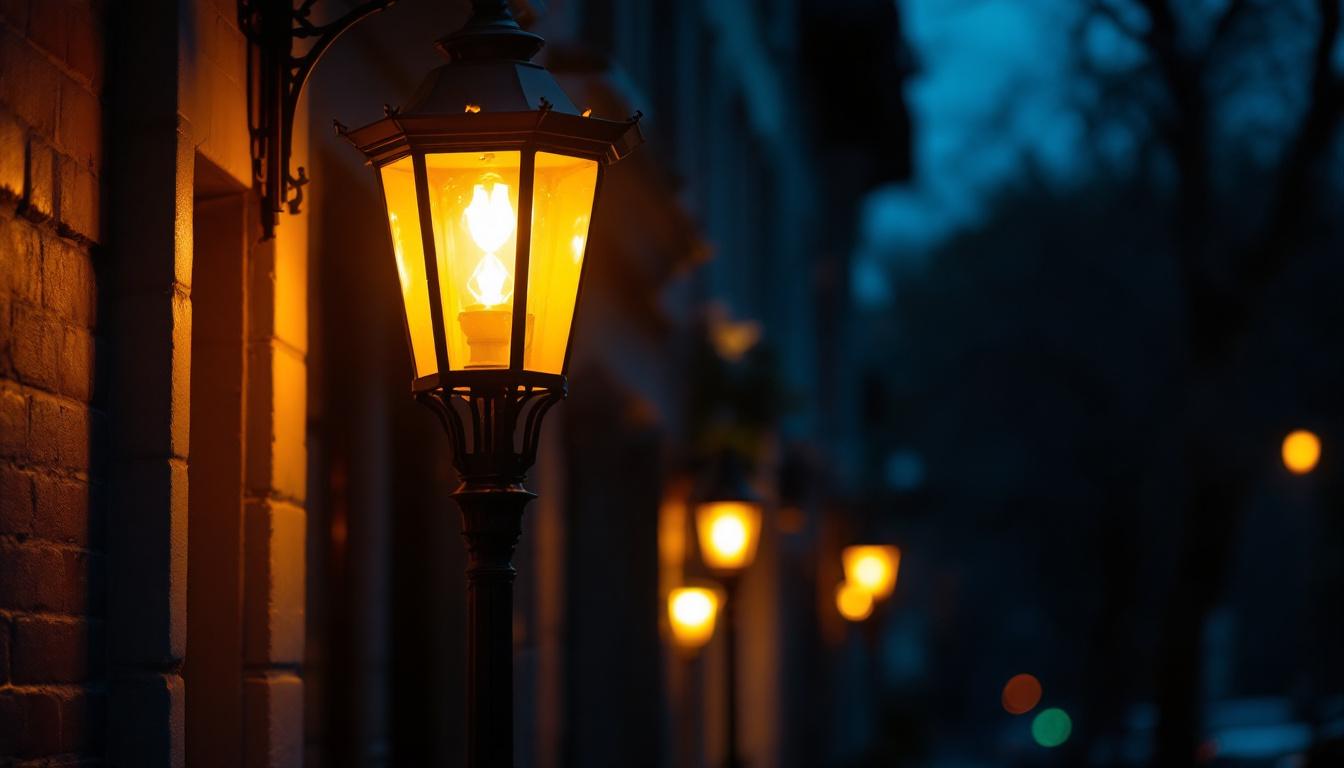
As gas lighting spread, it also influenced the architecture and design of urban spaces. Streets were lined with elegant gas lamps, which not only provided light but also became a symbol of progress and modernity. Public squares and parks were transformed into vibrant social hubs, where people gathered in the evenings, fostering a sense of community and safety. The aesthetic appeal of gas lamps, often adorned with intricate designs, contributed to the charm of cities, making nighttime strolls a pleasurable experience.
Moreover, the introduction of gas lighting had profound implications for various industries. Theaters and entertainment venues flourished under the bright glow of gas lamps, allowing for longer performances and more elaborate productions. This newfound visibility also extended to the burgeoning world of advertising, as businesses began to utilize gas-lit signs to attract customers, marking the beginning of modern marketing practices. The interplay between gas lighting and urban life not only illuminated streets but also sparked a cultural renaissance, as art, literature, and social interactions thrived in the newly lit night.
How Gas Lamps Enhance Safety in Lighting Installations
For lighting contractors, understanding the safety benefits of gas lamps is crucial when designing and installing lighting systems. Gas lamps offer several advantages that contribute to safer environments, both indoors and outdoors.
Consistent and Reliable Illumination
One of the primary safety benefits of gas lamps is their ability to provide consistent and reliable illumination. Unlike early electric lights, which could flicker or fail unexpectedly, gas lamps maintained a steady flame that was less prone to sudden outages. This consistency is vital in areas where continuous lighting is necessary to prevent accidents and ensure visibility.
Moreover, the warm glow of gas lamps creates a comforting ambiance that can reduce eye strain and improve visibility, particularly in outdoor or dimly lit environments. This factor is especially important in residential neighborhoods, parks, and pedestrian pathways where clear visibility can deter criminal activity and promote community safety. The soft light emitted by gas lamps also enhances the aesthetic appeal of public spaces, encouraging more foot traffic and social interaction, which can further enhance safety through increased community presence.
Reduced Fire Hazards Compared to Traditional Lighting
While any open flame carries inherent risks, gas lamps significantly reduced fire hazards compared to earlier lighting methods such as candles and oil lamps. The design of gas lamps typically includes protective glass enclosures and controlled gas flow mechanisms that minimize the risk of accidental fires.
For lighting contractors, this means that gas lamp installations can be safer in environments where fire prevention is critical. Modern gas lighting systems incorporate advanced safety features such as automatic shutoff valves and flame failure devices, which further reduce the risk of fire incidents. Additionally, the use of natural gas, which dissipates quickly in the event of a leak, adds an extra layer of safety compared to more volatile fuels. This characteristic makes gas lamps a particularly appealing option for installations in crowded areas or near flammable materials.
Durability and Weather Resistance
Gas lamps are renowned for their durability and ability to withstand harsh weather conditions. This robustness makes them ideal for outdoor lighting installations in areas exposed to wind, rain, and temperature fluctuations. The sturdy construction of gas lamps ensures that the lighting remains operational and safe, even in adverse conditions.
For contractors working on outdoor projects, this durability translates to lower maintenance requirements and enhanced safety for users. Reliable lighting in public spaces reduces trip hazards and improves overall security, making gas lamps a preferred choice in many urban and suburban settings. Furthermore, the longevity of gas lamps means that they can often outlast traditional electric lighting solutions, providing a cost-effective and sustainable option for municipalities looking to invest in long-term safety measures. The combination of aesthetic charm and functional resilience makes gas lamps not only a practical choice but also a strategic investment in community safety and well-being.
Modern Applications and Safety Innovations in Gas Lighting
Although electric lighting has largely supplanted gas lamps in many applications, gas lighting remains relevant, especially in heritage sites, decorative installations, and specific safety-focused environments. Advances in technology have also introduced new safety features that make gas lamps more secure than ever before.
Integration with Modern Safety Systems
Contemporary gas lighting systems can be integrated with electronic safety controls and monitoring devices. These systems allow for real-time detection of gas leaks, flame failures, and other potential hazards, enabling immediate corrective actions. Such integrations are invaluable in commercial and public installations where safety standards are stringent.
Lighting contractors benefit from these advancements by being able to offer clients lighting solutions that combine traditional aesthetics with modern safety technology. This fusion ensures compliance with current safety regulations and enhances the overall reliability of the lighting installation. Moreover, the ability to remotely monitor these systems through smartphone applications or centralized control panels adds an extra layer of convenience and peace of mind for users, allowing for swift responses to any irregularities.
Energy Efficiency and Environmental Considerations
Modern gas lamps have been optimized for energy efficiency, using cleaner-burning gases and improved burner designs. This not only reduces environmental impact but also minimizes the risks associated with gas emissions. Efficient combustion reduces the buildup of harmful byproducts, contributing to safer air quality around lighting installations.
For contractors, promoting energy-efficient gas lighting can be a compelling selling point, especially in projects where sustainability and safety are priorities. The reduced environmental footprint aligns with contemporary building codes and green certification requirements. Additionally, the aesthetic appeal of gas lighting, with its warm glow and classic design, can enhance the ambiance of outdoor spaces, making it a preferred choice for restaurants, parks, and historical districts. This blend of functionality and beauty not only attracts customers but also elevates the overall experience in these environments, showcasing how gas lighting can be both practical and visually appealing.
Best Practices for Safe Gas Lamp Installation and Maintenance
Ensuring the safety of gas lamp installations requires adherence to best practices throughout the installation and maintenance phases. Lighting contractors must be well-versed in these protocols to deliver safe, compliant, and effective lighting solutions.
Proper Site Assessment and Planning
Before installation, a thorough site assessment is essential. Contractors should evaluate factors such as ventilation, proximity to flammable materials, and accessibility for maintenance. Planning the layout to avoid overcrowding of gas lamps and ensuring adequate spacing can prevent accidents and facilitate safe operation. Additionally, it is important to consider the local climate and environmental conditions, as these can affect the performance and safety of gas lamps. For instance, areas prone to high winds may require more secure mounting solutions to prevent tipping or damage, while locations with high humidity levels may necessitate special attention to corrosion-resistant materials.
Use of Certified Components and Equipment
Utilizing certified gas lamps, fittings, and control devices is critical for safety. Components should meet industry standards and be compatible with the specific gas type used. Employing high-quality materials reduces the risk of leaks, malfunctions, and premature failures. Furthermore, contractors should stay updated on the latest technological advancements in gas lamp design and safety features. Innovations such as automatic shut-off valves and advanced ignition systems can significantly enhance safety and efficiency, providing additional layers of protection against potential hazards.
Regular Inspection and Maintenance
Routine inspections are vital to identify wear, corrosion, or damage that could compromise safety. Maintenance schedules should include checking gas connections, cleaning burner assemblies, and testing safety devices. Prompt repairs and replacements help maintain optimal performance and prevent hazardous situations. It is also beneficial to document all maintenance activities, creating a comprehensive log that can assist in identifying recurring issues and ensuring compliance with local regulations. Educating users about the signs of potential problems, such as unusual odors or flickering flames, can empower them to report issues early, further enhancing safety and reliability.
Conclusion: The Enduring Legacy of Gas Lamps in Safe Lighting
The invention of gas lamps revolutionized lighting by providing safer, more reliable illumination compared to earlier methods. For lighting contractors, understanding the historical significance and safety advantages of gas lamps enhances their ability to design and install effective lighting systems.
Despite the rise of electric lighting, gas lamps continue to offer unique benefits, especially when combined with modern safety technologies. Their durability, consistent illumination, and reduced fire risks make them a valuable option in various applications. By following best practices in installation and maintenance, contractors can ensure that gas lamp lighting installations remain safe, efficient, and compliant with contemporary standards.
Ultimately, the legacy of gas lamps underscores the importance of innovation in lighting safety—a principle that continues to guide the industry today.
Illuminate Your Projects with LumenWholesale
As you embrace the enduring legacy of gas lamps and prioritize safety and innovation in your lighting installations, LumenWholesale is here to support your endeavors. We provide contractors with high-quality, specification-grade lighting products that meet the highest industry standards. With our unbeatable wholesale prices and commitment to cutting out the middleman, you can trust that you’re getting superior lighting products at the best value. Plus, our hassle-free bulk buying and free shipping ensure that you receive premium lighting without hidden fees or compromises. Elevate your lighting projects by choosing LumenWholesale, where quality, affordability, and convenience converge. Discover our extensive selection and take advantage of the best value in wholesale lighting by visiting Wholesale Lighting at the Best Value.