Introduction to Fluorescent Lighting for Contractors
Fluorescent lighting has long been a staple in commercial, industrial, and institutional settings due to its energy efficiency, longevity, and cost-effectiveness. For lighting contractors, understanding the nuances of fluorescent light setup is essential to delivering quality installations that meet client expectations and comply with industry standards.
This guide provides a comprehensive overview of fluorescent lighting systems, focusing on practical installation techniques, troubleshooting, and best practices tailored to the needs of lighting professionals.
Fluorescent lights operate by passing an electric current through a gas-filled tube, which produces ultraviolet light that then excites a phosphor coating on the inside of the tube, resulting in visible light. This process not only makes them more energy-efficient compared to traditional incandescent bulbs but also allows for a broader range of color temperatures, making them suitable for various applications. Understanding the different types of fluorescent lamps, such as T5, T8, and T12, is crucial for contractors as each type has its specific applications and installation requirements. For instance, T5 lamps are often favored in high-efficiency settings due to their compact size and high lumen output, while T12 lamps, though less common today, may still be found in older installations.
Moreover, the choice of ballast is another critical aspect that contractors must consider. Electronic ballasts, for example, provide better performance and energy savings compared to magnetic ballasts, and they can also reduce flicker and noise, enhancing the overall quality of light. Additionally, with the growing emphasis on sustainability and energy conservation, many jurisdictions are implementing stricter regulations on lighting efficiency. Contractors must stay informed about these changes to ensure compliance and to recommend the most suitable fluorescent lighting solutions to their clients. This knowledge not only enhances the contractor’s credibility but also helps clients make informed decisions that align with their operational needs and environmental goals.
Understanding Fluorescent Lighting Components
Basic Anatomy of a Fluorescent Fixture
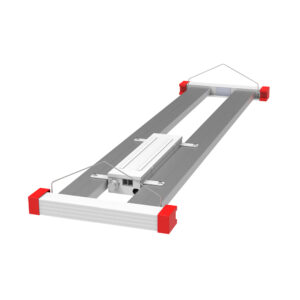
Fluorescent fixtures consist of several key components: the lamp (tube), ballast, sockets (also called tombstones), and the fixture housing itself. Each element plays a critical role in the operation and performance of the lighting system.
The lamp is a gas-discharge tube filled with mercury vapor and phosphor coating that produces visible light when energized. The ballast regulates the current to the lamp, ensuring stable operation and preventing damage from electrical surges. Sockets provide the electrical connection and mechanical support for the lamp. The fixture housing not only protects these components but also influences the distribution of light, which can significantly affect the ambiance of a space. Proper design of the housing can enhance light output and minimize glare, making it an essential aspect of effective fluorescent lighting.
Moreover, the choice of materials used in the fixture housing can impact durability and maintenance. For instance, fixtures made from corrosion-resistant materials are ideal for environments with high humidity, while those with reflective interiors can maximize light efficiency. Understanding these nuances helps in selecting the right fixture for specific applications, whether it be in commercial, industrial, or residential settings.
Types of Fluorescent Lamps and Ballasts
Fluorescent lamps come in various shapes and sizes, including T5, T8, and T12 tubes, with diameters measured in eighths of an inch. T8 lamps are currently the most common due to their balance of efficiency and cost. Ballasts are either magnetic or electronic, with electronic ballasts offering improved energy efficiency, quieter operation, and reduced flicker.
Lighting contractors should be familiar with matching the correct ballast type to the lamp specifications to ensure optimal performance and longevity. Additionally, it’s important to consider the color temperature of the fluorescent lamps, which can range from warm white to cool daylight. This selection can greatly influence the mood of a space; for example, warmer tones are often preferred in residential settings for their inviting atmosphere, while cooler tones are favored in workspaces for their clarity and focus-enhancing properties.
Another aspect to consider is the environmental impact of fluorescent lighting. While they are more energy-efficient than traditional incandescent bulbs, the presence of mercury in fluorescent lamps necessitates careful disposal and recycling practices. As a result, many manufacturers are now developing eco-friendlier options, such as LED alternatives that provide similar or improved lighting quality without the hazardous materials. This shift not only addresses environmental concerns but also aligns with the growing demand for sustainable lighting solutions in both commercial and residential applications.
Planning and Preparation for Installation
Site Assessment and Lighting Design
Before beginning any fluorescent light installation, conducting a thorough site assessment is crucial. This includes evaluating the existing electrical infrastructure, ceiling types, mounting options, and the intended use of the space. Lighting design should consider factors such as illumination levels (measured in foot-candles or lux), uniformity, color temperature, and energy codes. The assessment process may also involve taking measurements of the space to determine the optimal placement of fixtures, ensuring that light is evenly distributed and that there are no dark spots that could hinder productivity or comfort.
Utilizing lighting design software or collaborating with lighting designers can help contractors create layouts that maximize efficiency and occupant comfort. These tools often allow for simulations of how different lighting configurations will appear in the actual space, enabling stakeholders to visualize the end result before installation begins. Furthermore, considering the psychological effects of lighting on occupants can enhance the overall experience; for instance, warmer color temperatures can create a cozy atmosphere, while cooler tones may promote alertness and focus in work environments.
Material Selection and Compliance
Selecting high-quality lamps, ballasts, and fixtures from reputable manufacturers ensures reliability and compliance with safety standards such as UL listing and ENERGY STAR certification. Additionally, understanding local building codes and energy regulations is vital to avoid costly rework and ensure client satisfaction. It is also important to consider the environmental impact of the materials chosen; opting for energy-efficient options not only reduces operational costs but also contributes to sustainability efforts.
Moreover, the selection process should include evaluating the lifespan and maintenance requirements of the chosen products. Fluorescent lights, while generally cost-effective, can vary significantly in terms of longevity and performance. Some models may require more frequent replacements or specialized disposal methods due to hazardous materials, such as mercury. By prioritizing durable and environmentally friendly options, contractors can provide clients with solutions that are not only effective but also responsible, ultimately leading to a more sustainable installation that aligns with modern energy-saving initiatives.
Step-by-Step Fluorescent Light Installation Process
Electrical Safety and Preparation
Safety is paramount when working with electrical systems. Contractors should always de-energize circuits before beginning work, verify power is off using appropriate testing tools, and follow lockout/tagout procedures where applicable. Personal protective equipment (PPE) such as insulated gloves and safety glasses should be worn at all times.
Proper grounding and adherence to National Electrical Code (NEC) guidelines are essential to prevent electrical hazards.
Mounting the Fixtures
Fluorescent fixtures can be surface-mounted, recessed, or suspended depending on the architectural design and lighting requirements. Accurate measurements and secure mounting hardware are necessary to ensure fixtures are level and stable. For recessed installations, contractors must verify ceiling grid compatibility and clearance for ballast access.
Wiring and Ballast Installation
Wiring involves connecting the ballast to the power source and the lamp sockets according to the manufacturer’s wiring diagram. Electronic ballasts typically have color-coded wires for easy identification. It is important to maintain proper wire gauge and secure connections to prevent overheating or electrical faults.
After wiring, the ballast is mounted inside the fixture housing, ensuring it is firmly secured and not in contact with any metal parts that could cause short circuits.
Installing the Lamps and Testing
Once the fixture is wired and mounted, fluorescent tubes are carefully inserted into the sockets. Contractors should avoid touching the glass with bare hands to prevent oils from reducing lamp life. After installation, the circuit is re-energized, and the lighting system is tested for proper operation, including checking for flicker, noise, and consistent illumination.
Common Challenges and Troubleshooting
Flickering and Buzzing Issues
Flickering is often caused by ballast failure, loose wiring, or incompatible lamps. Buzzing noises typically indicate magnetic ballast issues or loose components within the fixture. Replacing magnetic ballasts with electronic versions can resolve many of these problems and improve overall lighting quality.
Reduced Light Output and Premature Lamp Failure
Over time, lamps may dim or fail prematurely due to overheating, voltage fluctuations, or poor ballast compatibility. Ensuring proper ventilation around fixtures and using surge protectors can extend lamp life. Regular maintenance and timely replacement of worn components are critical for sustained performance.
Energy Efficiency and Upgrading Options
With the rise of LED technology, many contractors face decisions about retrofitting existing fluorescent systems. While fluorescent lighting remains cost-effective, upgrading to LED tubes or fixtures can offer significant energy savings, reduced maintenance, and improved lighting quality. Understanding the pros and cons of retrofit options helps contractors provide informed recommendations to clients.
Maintenance Best Practices for Fluorescent Lighting Systems
Routine Inspection and Cleaning
Regular inspection of fixtures for dust accumulation, corrosion, and mechanical damage helps maintain optimal light output. Cleaning lamps and reflectors with appropriate materials prevents dirt buildup that can reduce efficiency by up to 30%.
Scheduled Lamp and Ballast Replacement
Lamps typically have a rated life of 20,000 to 30,000 hours, depending on usage and operating conditions. Ballasts may last longer but should be replaced at the first sign of failure to avoid lamp damage. Keeping a maintenance log aids in tracking replacement schedules and budgeting for future expenses.
Conclusion: Delivering Quality Fluorescent Lighting Installations
For lighting contractors, mastering fluorescent light setup involves a blend of technical knowledge, practical skills, and adherence to safety and regulatory standards. By carefully selecting components, following systematic installation procedures, and proactively addressing common issues, contractors can ensure reliable, efficient, and visually pleasing lighting solutions for their clients.
Staying informed about emerging technologies and industry trends will also position contractors to adapt and thrive in a rapidly evolving lighting landscape.
Get Your Premium Lighting Supplies at LumenWholesale
Ready to elevate your fluorescent lighting installations with the best products on the market? Look no further than LumenWholesale for all your lighting needs. We offer an exceptional range of spec-grade lighting products at wholesale prices that simply can’t be beaten. Our commitment to quality and affordability means you can provide your clients with reliable, high-performance lighting solutions while enjoying significant savings. Plus, with free shipping on bulk orders, you can stock up on everything you need without worrying about extra costs. Don’t compromise on quality or value—choose LumenWholesale for Wholesale Lighting at the Best Value and make your next project shine.