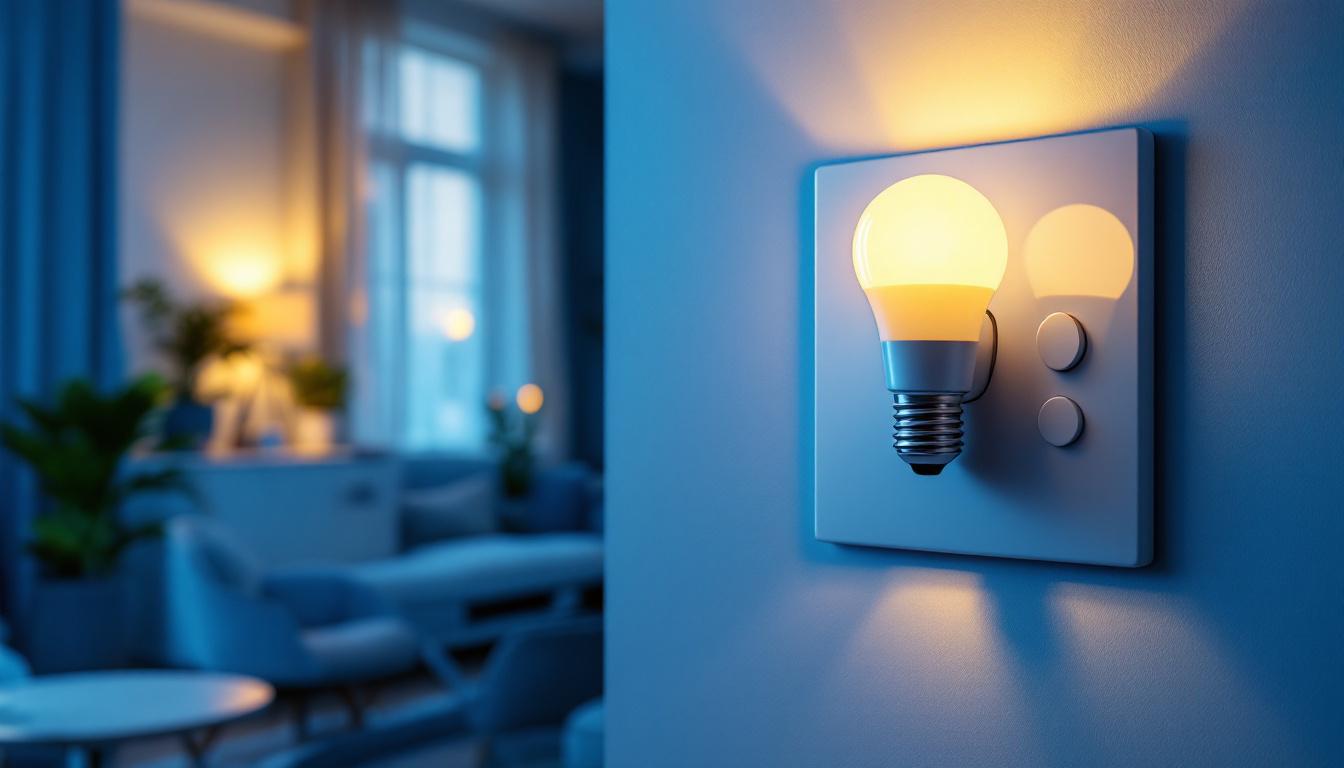
Understanding Light Dimmers and Their Functionality
Light dimmers have become a staple in modern lighting solutions, offering users the ability to adjust light intensity to suit different moods, tasks, and environments. For lighting contractors, understanding how these devices operate is crucial for advising clients and designing efficient lighting systems.
At their core, dimmers regulate the power delivered to a light source, reducing the voltage and thereby lowering the brightness. Traditional incandescent bulbs respond well to dimming because their filaments heat up less as voltage decreases, producing less light and consuming less electricity. However, with the rise of energy-efficient lighting technologies such as LEDs and CFLs, the interaction between dimmers and light sources has become more complex.
Modern dimmers utilize various technologies, including leading-edge (triac) and trailing-edge (electronic low voltage) designs, each compatible with different types of bulbs. Proper matching of dimmers with lighting fixtures is essential to ensure smooth dimming performance, prevent flickering, and maximize energy savings.
In addition to basic dimming capabilities, many contemporary dimmers come equipped with advanced features such as remote control, programmable settings, and compatibility with smart home systems. These innovations allow users to create customized lighting scenes that can be adjusted based on the time of day or specific activities, such as reading, watching movies, or entertaining guests. For instance, a homeowner might program their dining room lights to gradually dim as the evening progresses, creating a warm and inviting atmosphere for dinner parties.
Furthermore, the integration of dimmers into smart home ecosystems has opened up new possibilities for energy management and automation. Users can monitor their energy consumption in real-time and adjust their lighting preferences through mobile apps or voice commands. This not only enhances convenience but also contributes to sustainability efforts by encouraging more mindful usage of electricity. As technology continues to evolve, the potential for dimmers to play a pivotal role in energy-efficient home design becomes increasingly significant, making them an essential consideration for both homeowners and lighting professionals alike.
Energy Savings Potential of Using Light Dimmers
How Dimming Reduces Electricity Consumption
When a light is dimmed, it consumes less electrical power than when operating at full brightness. This is because the dimmer reduces the voltage supplied to the bulb, which in turn lowers the current and power usage. For incandescent bulbs, this relationship is relatively straightforward: dimming to 50% brightness typically reduces power consumption to approximately 25% of the full load, due to the non-linear relationship between voltage and light output.
For lighting contractors, this means that installing dimmers can contribute to tangible energy savings, especially in spaces where full illumination is not always necessary. For example, in hospitality settings, restaurants, or residential environments, dimming lights during off-peak hours or for ambiance can reduce electricity bills significantly over time. Moreover, the ability to adjust lighting levels can enhance the overall atmosphere of a space, making it more inviting and comfortable for patrons or family members. This flexibility not only promotes energy efficiency but also elevates the user experience, which is invaluable in competitive markets.
Energy Savings with LED and CFL Lighting
LED and CFL bulbs are inherently more energy-efficient than incandescent bulbs, but their dimming behavior differs. LEDs, for instance, require compatible dimmers designed specifically for low wattage and electronic drivers. When properly paired, dimming LEDs can save energy, though the savings are generally proportional to the reduction in light output rather than the exponential reduction seen with incandescent bulbs.
It is important for contractors to select dimmers certified for use with LED or CFL fixtures to avoid issues such as flickering, buzzing, or reduced lifespan. Additionally, some LED drivers may maintain a minimum power draw even when dimmed, slightly limiting the potential energy savings. Understanding the intricacies of these technologies can empower contractors to make informed decisions that maximize both efficiency and performance. Furthermore, as advancements in lighting technology continue to emerge, the compatibility and efficiency of dimming solutions are expected to improve, paving the way for even greater energy savings and enhanced user satisfaction in various applications.
Practical Considerations for Lighting Contractors
Choosing the Right Dimmer for the Application
One of the most critical decisions for lighting contractors is selecting the appropriate dimmer technology for the lighting system. Leading-edge dimmers are typically used with incandescent and halogen bulbs, while trailing-edge dimmers are better suited for LEDs and electronic transformers.
Contractors should assess the total load, type of lighting fixtures, and desired dimming range before specifying dimmers. Compatibility charts provided by manufacturers can be invaluable tools during this process. Furthermore, understanding the nuances of different dimming technologies can enhance the overall user experience. For instance, some dimmers offer features like soft-start capabilities, which gradually increase the brightness to prevent abrupt changes that can be jarring to the eye. This is particularly beneficial in residential settings where ambiance is key.
Installation Best Practices
Proper installation ensures optimal performance and safety. Contractors must ensure that dimmers are installed within their rated load capacities and that wiring complies with local electrical codes. Additionally, attention should be given to minimizing electromagnetic interference, which can cause dimmer noise or affect other electronic devices.
Testing the dimming system after installation is essential to verify smooth operation across the entire dimming range and to identify any compatibility issues early. Moreover, it’s advisable to educate clients on the functionality of their new dimming systems, as many modern dimmers come equipped with advanced features such as remote control capabilities or smartphone integration. Providing users with a brief tutorial on how to maximize these features can significantly enhance their satisfaction and ensure they are getting the most out of their lighting system. This proactive approach not only fosters trust but also positions the contractor as a knowledgeable resource in the eyes of the client.
Impact of Dimmers on Lighting Longevity and Maintenance
Beyond energy savings, dimmers can influence the lifespan of lighting fixtures. For incandescent bulbs, dimming generally extends bulb life by reducing filament temperature. This can translate to fewer replacements and lower maintenance costs, an important consideration for commercial clients. The reduction in temperature not only prolongs the life of the bulb but also contributes to a more stable lighting environment, which can enhance the overall aesthetic of a space. In settings such as restaurants or theaters, where ambiance is crucial, the ability to adjust lighting levels can create a more inviting atmosphere while simultaneously reducing the frequency of bulb changes.
With LEDs, the effect of dimming on longevity depends on the quality of the driver and dimmer compatibility. High-quality LED drivers designed for dimming can maintain or even extend the lifespan by reducing thermal stress. Conversely, incompatible dimming setups may cause premature failure or flickering. This flickering can not only be annoying but may also lead to eye strain for occupants, making it essential for contractors to select compatible products. Furthermore, the integration of smart dimmers offers additional benefits, such as the ability to program lighting schedules and adjust brightness remotely, which can further enhance energy efficiency and user experience.
Lighting contractors should educate clients on these factors to set realistic expectations and recommend products that balance energy savings with durability. This education extends beyond just the technical specifications; it also involves discussing the long-term financial implications of choosing the right dimming solutions. For instance, while the initial investment in high-quality dimmers and compatible LED fixtures may be higher, the cumulative savings in energy costs and reduced maintenance can be significant over time. Additionally, contractors can highlight the environmental benefits of longer-lasting lighting solutions, appealing to clients who prioritize sustainability in their purchasing decisions.
Case Studies and Real-World Examples
Numerous commercial and residential projects have demonstrated the benefits of integrating dimmers into lighting designs. For instance, a hotel retrofit involving LED downlights with compatible dimmers resulted in energy savings of up to 30% compared to non-dimmable installations, alongside improved guest satisfaction due to customizable lighting scenes.
In office environments, dimmers combined with occupancy sensors and daylight harvesting systems have optimized energy use by adjusting artificial lighting based on natural light availability and room occupancy. Such integrated approaches highlight the importance of dimmers as part of a comprehensive energy management strategy.
Future Trends in Dimming Technology
The evolution of smart lighting controls is reshaping how dimmers are used. Digital dimmers integrated with building automation systems allow for precise control, scheduling, and remote management, enhancing energy savings and user convenience.
Emerging technologies such as tunable white lighting and color temperature control further expand the functionality of dimmers, enabling lighting contractors to offer sophisticated solutions that improve occupant well-being and productivity.
Staying informed about these advancements is essential for contractors aiming to provide cutting-edge, energy-efficient lighting solutions.
Conclusion: Maximizing Energy Savings with Dimmers
Light dimmers offer a viable means to reduce electricity consumption, especially when thoughtfully integrated with compatible lighting technologies. For lighting contractors, understanding the nuances of dimmer types, bulb compatibility, and installation best practices is key to delivering effective energy-saving solutions.
While the degree of savings varies depending on the lighting technology and usage patterns, dimmers remain a valuable tool in the contractor’s arsenal for enhancing energy efficiency, extending fixture life, and improving lighting quality.
By combining dimmers with modern control systems and educating clients on their benefits and limitations, contractors can drive both sustainability and customer satisfaction in their lighting projects.
Discover Unmatched Savings with LumenWholesale
Ready to enhance your lighting projects with energy-efficient dimming solutions? Look no further than LumenWholesale for a vast selection of spec-grade lighting products at unbeatable wholesale prices. Our commitment to quality and affordability ensures that you can provide your clients with the best value in lighting technology. Say goodbye to inflated markups and hello to hassle-free bulk buying with free shipping. Elevate your lighting game and pass on the savings to your clients. Take the first step towards smarter, sustainable lighting by visiting Wholesale Lighting at the Best Value today.