Introduction: Why Transition from Fluorescent to LED Matters
Lighting contractors are at the forefront of a significant transformation in the lighting industry. The shift from fluorescent lighting to LED technology is not just a trend—it’s a fundamental change driven by energy efficiency, cost savings, and environmental considerations. Understanding this transition thoroughly is essential for contractors aiming to provide cutting-edge solutions to their clients while optimizing installation processes and maximizing long-term benefits.
Fluorescent lighting has been a staple in commercial, industrial, and residential applications for decades. However, advancements in LED technology have introduced a superior alternative that outperforms fluorescent lighting in nearly every aspect. This handbook serves as a comprehensive guide for lighting contractors to navigate this transition confidently and effectively.
One of the most compelling advantages of LED lighting is its remarkable energy efficiency. LEDs consume up to 75% less energy than traditional fluorescent bulbs, which not only translates to lower utility bills for clients but also contributes to a significant reduction in carbon footprint. This is particularly important in an era where sustainability is paramount. Moreover, LEDs have a much longer lifespan, often lasting up to 25,000 hours or more, which means fewer replacements and less waste in landfills. As contractors, understanding the lifecycle benefits of LEDs can help you articulate these advantages to clients, making the case for a switch that is not only financially savvy but also environmentally responsible.
In addition to energy efficiency and longevity, LED technology offers enhanced versatility and improved lighting quality. Unlike fluorescent lights, which often emit a harsh, flickering light, LEDs provide a consistent and vibrant illumination that can be tailored to suit various applications—from warm, inviting tones for residential spaces to bright, clear lighting for commercial environments. The ability to control brightness and color temperature with precision allows contractors to create customized lighting solutions that enhance the aesthetics and functionality of any space. Furthermore, with the advent of smart lighting systems, integrating LEDs into automated setups can provide clients with even greater control over their lighting, leading to additional energy savings and convenience.
Understanding the Differences: Fluorescent vs. LED Lighting
Basic Technology Overview
Fluorescent lights operate by passing an electric current through mercury vapor, which produces ultraviolet light that then excites a phosphor coating inside the tube to emit visible light. While effective, this process involves hazardous materials and results in energy loss through heat and UV radiation.
LEDs (Light Emitting Diodes), on the other hand, produce light through electroluminescence. When an electric current passes through a semiconductor, it emits photons, creating light with minimal heat production. This fundamental difference leads to several advantages in efficiency, longevity, and environmental impact.
Energy Efficiency and Cost Implications
One of the most compelling reasons to switch to LED lighting is the significant reduction in energy consumption. LEDs use approximately 50-75% less energy than fluorescent lights to produce the same amount of light. For lighting contractors, this translates into a strong selling point when advising clients on long-term operational cost savings.
Moreover, LEDs have a longer lifespan, often lasting up to 50,000 hours or more compared to 10,000-20,000 hours for fluorescent tubes. This reduces maintenance frequency and costs, particularly in commercial or industrial settings where fixture replacement can be labor-intensive and disruptive.
Environmental and Health Considerations
Fluorescent tubes contain mercury, a toxic substance that poses disposal challenges and environmental risks. Improper disposal can lead to mercury contamination, which is harmful to both ecosystems and human health. LEDs do not contain mercury and are generally considered safer and more environmentally friendly.
Additionally, LEDs do not emit UV rays, which can degrade materials and cause health issues over prolonged exposure. This makes LEDs a better choice for environments sensitive to UV radiation, such as museums or healthcare facilities.
Key Benefits of LED Lighting for Contractors and Clients
Enhanced Lighting Quality and Control
LED technology offers superior lighting quality with better color rendering indexes (CRI), enabling more accurate and vibrant color representation. This is particularly important in retail, hospitality, and healthcare environments where lighting quality directly impacts user experience and operational effectiveness.
Furthermore, LEDs are compatible with advanced lighting controls such as dimmers, motion sensors, and smart building systems. This flexibility allows contractors to design more sophisticated, energy-efficient lighting solutions tailored to client needs.
Reduced Installation and Maintenance Challenges
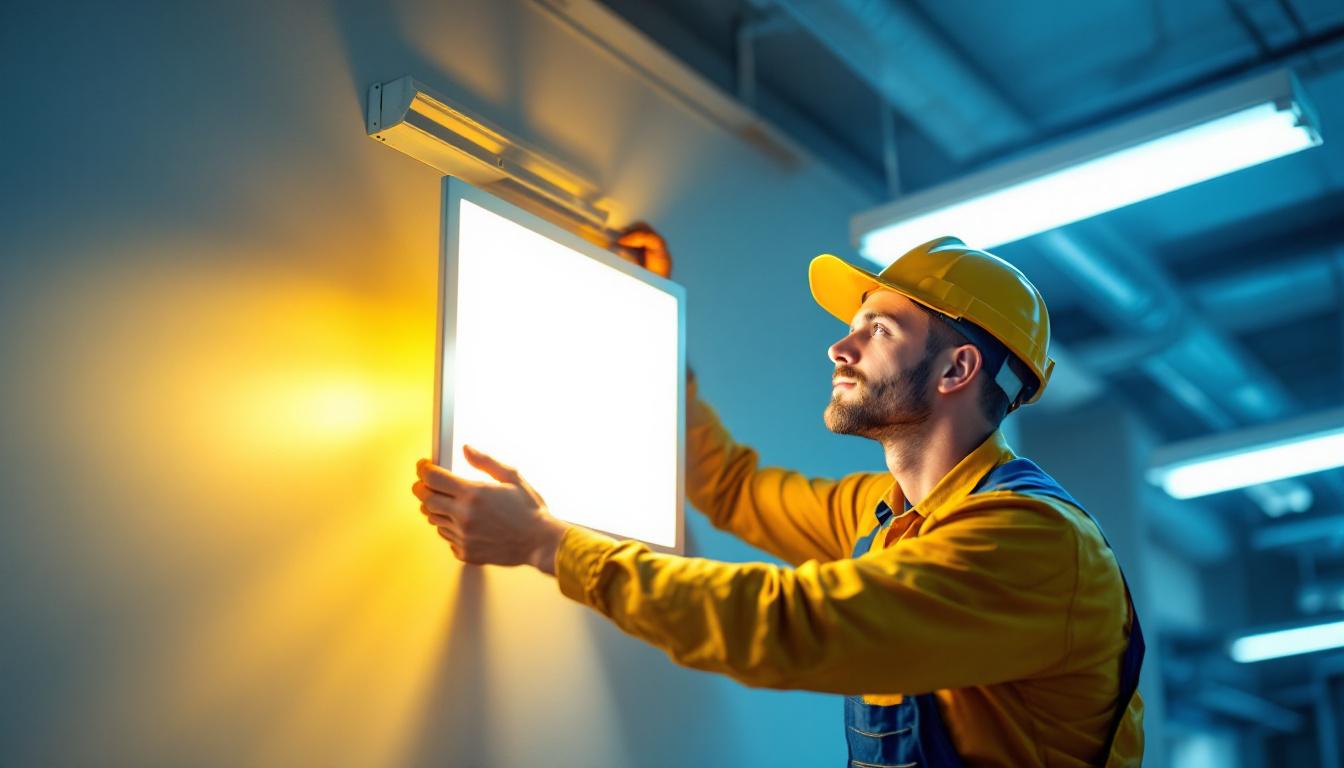
LED fixtures are often more compact and lightweight compared to fluorescent tubes and ballasts, simplifying installation. Many LED retrofit kits are designed to fit existing fluorescent fixtures, reducing labor time and costs associated with complete fixture replacement.
Maintenance is also streamlined due to the extended lifespan and durability of LEDs. Unlike fluorescent tubes, LEDs are less prone to flickering or sudden failure, which minimizes service calls and downtime for clients.
Financial Incentives and Compliance
Many utility companies and government programs offer rebates and incentives for upgrading to energy-efficient LED lighting. Lighting contractors can leverage these programs to reduce upfront costs for clients, making LED retrofits more financially attractive.
Additionally, LED lighting helps clients comply with increasingly stringent energy codes and sustainability standards. Contractors who are well-versed in these regulations can position themselves as trusted advisors, adding value beyond installation services.
Practical Considerations for Lighting Contractors
Assessing Existing Fluorescent Systems
Before recommending an LED retrofit or replacement, contractors should conduct a thorough assessment of the existing fluorescent lighting system. This includes evaluating fixture types, wiring conditions, ballast compatibility, and overall lighting layout.
Understanding the current system helps determine whether a direct retrofit is feasible or if a full fixture replacement is necessary. It also allows for accurate estimation of labor, materials, and potential challenges.
Selecting the Right LED Products
With a vast array of LED products available, choosing the right solution is critical. Contractors should consider factors such as lumen output, color temperature, CRI, beam angle, and dimming capabilities to match client requirements.
Reliability and warranty are equally important. Selecting products from reputable manufacturers with proven performance records reduces the risk of premature failures and enhances customer satisfaction.
Installation Best Practices
Proper installation techniques ensure optimal performance and longevity of LED lighting. Contractors should follow manufacturer guidelines carefully, paying attention to wiring, fixture mounting, and compatibility with existing electrical systems.
In retrofit scenarios, removing or bypassing fluorescent ballasts according to safety standards is essential. Additionally, verifying that LED drivers and power supplies are compatible with the building’s electrical infrastructure prevents operational issues.
Addressing Client Concerns and Expectations
Clients may have questions about light quality, energy savings, and return on investment. Providing clear, data-driven explanations helps build trust and facilitates informed decision-making.
Demonstrating LED lighting through samples or pilot installations can alleviate concerns about color temperature or brightness differences compared to fluorescent lighting.
Case Studies and Real-World Applications
Commercial Office Retrofit
A mid-sized office building replaced its fluorescent troffers with LED retrofit kits, achieving a 60% reduction in energy consumption. The improved lighting quality enhanced employee comfort and productivity, while the extended lifespan reduced maintenance costs significantly.
The project leveraged utility rebates, shortening the payback period to under two years. The contractor’s expertise in selecting appropriate color temperatures and dimming controls contributed to a successful outcome.
Industrial Warehouse Upgrade
An industrial facility upgraded from high-bay fluorescent fixtures to LED high-bay luminaires. The LEDs offered superior illumination with better uniformity and reduced glare, improving safety and operational efficiency on the warehouse floor.
Despite higher upfront costs, the facility benefited from lower energy bills, reduced maintenance downtime, and compliance with updated energy codes. The contractor’s comprehensive assessment and customized solution were key to meeting the client’s needs.
Educational Institution Lighting Overhaul
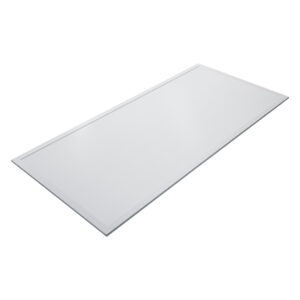
A school district transitioned its classrooms and common areas from fluorescent tubes to LED panels. The LEDs provided flicker-free, high-quality light that supported better concentration and reduced eye strain among students and staff.
The contractor coordinated with facility managers to schedule installations during school breaks, minimizing disruption. The project also included training for maintenance personnel on LED system upkeep.
Future Trends and Innovations in LED Lighting
Smart Lighting and IoT Integration
The integration of LEDs with smart controls and Internet of Things (IoT) technology is revolutionizing lighting management. Lighting contractors can now offer solutions that enable real-time monitoring, adaptive lighting scenes, and energy optimization through data analytics.
This trend opens new opportunities for contractors to differentiate their services and provide clients with enhanced control, comfort, and cost savings.
Advancements in LED Efficiency and Design
Continuous improvements in LED chip technology and thermal management are pushing efficiency boundaries even further. Slimmer, more versatile fixtures are expanding design possibilities, allowing for creative architectural lighting applications.
Contractors who stay updated on these innovations can better advise clients and implement state-of-the-art lighting systems.
Sustainability and Circular Economy Practices
As environmental concerns grow, the lighting industry is moving toward sustainable manufacturing and recycling practices. LED products designed for easy disassembly and material recovery support circular economy principles.
Lighting contractors can play a role by promoting responsible product selection and end-of-life management, enhancing their reputation as environmentally conscious professionals.
Conclusion: Embracing the LED Future
The transition from fluorescent to LED lighting represents a pivotal opportunity for lighting contractors to enhance their service offerings, improve client satisfaction, and contribute to a more sustainable future. By understanding the technical differences, benefits, and practical considerations outlined in this handbook, contractors can confidently lead their clients through this transformation.
Staying informed about emerging trends and maintaining a commitment to quality and professionalism will ensure that lighting contractors remain indispensable partners in the evolving landscape of lighting technology.
Illuminate Your Projects with LumenWholesale
Ready to lead the charge in the LED revolution and elevate your lighting projects? At LumenWholesale, we’re committed to equipping you with the highest quality, spec-grade LED lighting products at unbeatable wholesale prices. Say goodbye to local distributor markups and hello to a vast selection of reliable lighting solutions that meet the strictest industry standards. With the added benefits of free shipping on bulk orders, you can trust that you’re getting premium lighting at the best value — without any hidden fees. Make the smart switch to LED with LumenWholesale and experience the perfect fusion of quality, affordability, and convenience. Start browsing our collection today and take the first step towards a brighter, more sustainable future for your clients. Wholesale Lighting at the Best Value.