Understanding the Importance of LED Stadium Lighting
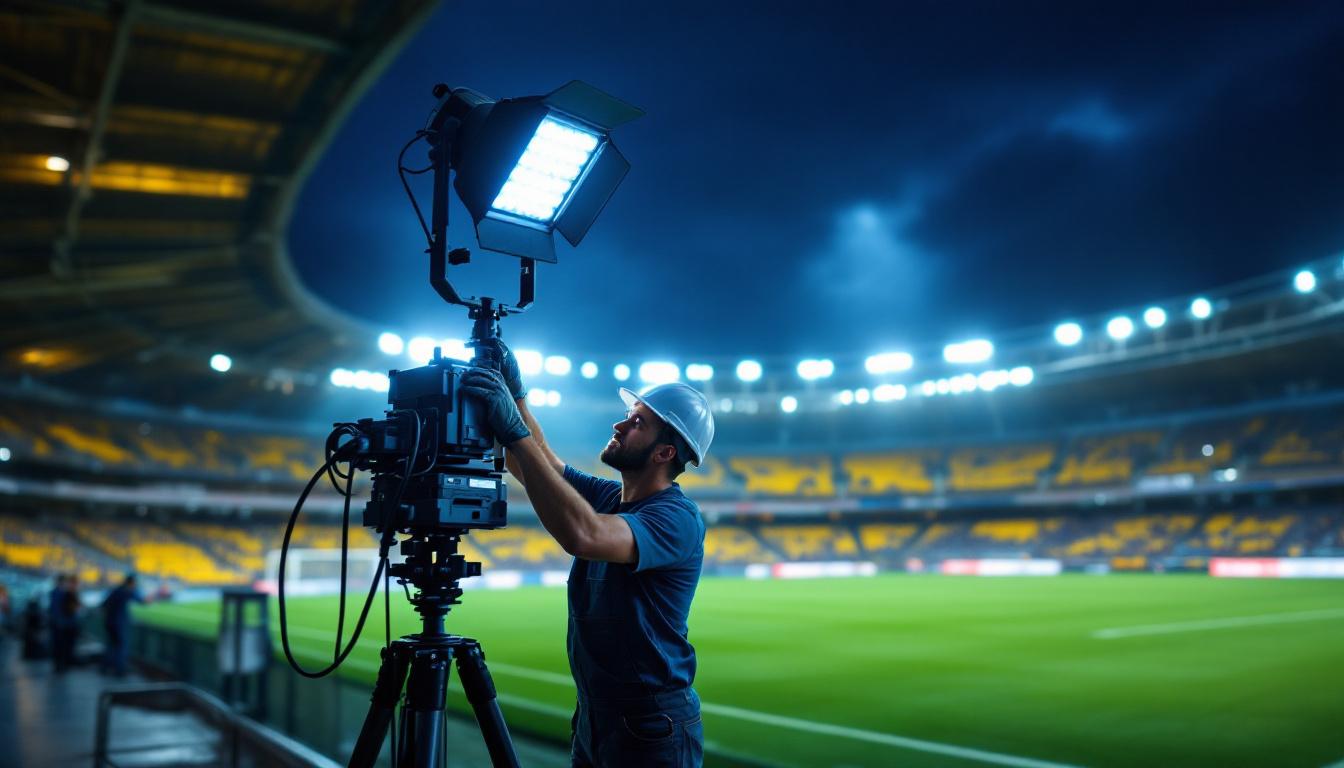
Stadium lighting plays a crucial role in enhancing the overall experience for spectators, athletes, and broadcasters alike. For lighting contractors, delivering high-quality illumination while managing costs is a delicate balance. LED technology has revolutionized stadium lighting by offering superior energy efficiency, longer lifespan, and improved light quality compared to traditional lighting systems such as metal halide or high-pressure sodium lamps.
LED stadium lighting not only ensures uniform brightness and color accuracy but also supports dynamic lighting controls that can adapt to various event needs. This flexibility is particularly valuable for multi-purpose venues hosting sports, concerts, and community events. For contractors, understanding the technical and economic benefits of LED lighting is the foundation for implementing cost-saving strategies that satisfy clients and optimize project outcomes.
Moreover, the environmental impact of LED lighting cannot be overlooked. With a significantly lower carbon footprint, LEDs contribute to sustainability efforts that are increasingly important to both consumers and organizations. Stadiums equipped with LED systems reduce energy consumption by up to 75%, which not only lowers operational costs but also aligns with the growing trend of eco-friendly practices in sports and entertainment. This shift towards sustainable lighting solutions is not just a trend; it reflects a broader commitment to environmental stewardship that resonates with fans and communities alike.
In addition to energy savings, LED technology enhances safety and security within stadiums. The bright, consistent light emitted by LEDs improves visibility for both players on the field and fans in the stands, reducing the risk of accidents and ensuring a safer environment. Furthermore, the ability to control lighting levels and patterns can be utilized for emergency situations, allowing for quick adjustments that guide spectators safely in case of an evacuation. As stadiums continue to evolve into more sophisticated venues, the integration of advanced lighting systems will play a pivotal role in enhancing safety protocols and overall operational efficiency.
Key Cost Factors in Stadium Lighting Projects
Initial Investment vs. Long-Term Savings
One of the primary considerations for lighting contractors is the upfront cost of LED fixtures and installation. While LED systems generally require a higher initial investment than conventional lighting, the long-term operational savings often justify the expense. LEDs consume significantly less power—typically 50% to 70% less—leading to substantial reductions in electricity bills over time.
Furthermore, LEDs have a longer operational life, often exceeding 50,000 hours, which minimizes maintenance and replacement costs. This durability is especially beneficial in stadium environments where fixture access can be challenging and costly. Additionally, the reduced heat output of LED lights means less strain on cooling systems, which can further lower energy costs during events held in warmer months. As a result, stadium operators not only see immediate financial benefits from reduced energy consumption but also enjoy a more comfortable environment for players and fans alike.
Energy Consumption and Utility Incentives
Energy consumption is a major ongoing expense for stadiums. Lighting contractors can leverage the energy efficiency of LEDs to help clients reduce their utility bills dramatically. Additionally, many regions offer utility rebates and incentives for upgrading to energy-efficient lighting systems. Identifying and applying for these programs can lower the net project cost and accelerate return on investment. Some utilities even provide energy audits and technical assistance to help stadiums navigate the complexities of these programs, ensuring that they maximize their savings and benefit from the latest advancements in lighting technology.
Maintenance and Operational Costs
Traditional stadium lighting often requires frequent bulb replacements and ballast maintenance, which can be labor-intensive and disruptive. LEDs reduce these operational costs due to their extended lifespan and robust design. Lighting contractors should emphasize these savings when proposing LED solutions, as they contribute significantly to total cost of ownership. Moreover, the lower maintenance frequency allows stadiums to allocate resources more effectively, focusing on enhancing the fan experience rather than dealing with constant repairs. This shift not only improves operational efficiency but also allows for better planning of maintenance schedules, minimizing disruptions during peak event times.
Cost-Saving Strategies for Lighting Contractors
Conduct Comprehensive Lighting Audits
Before designing or upgrading stadium lighting, conducting a thorough audit is essential. This involves assessing existing lighting conditions, energy consumption, and fixture performance. A detailed audit helps identify inefficiencies and areas where LED technology can provide the greatest benefits.
By presenting clients with clear data on current energy use and potential savings, contractors can build trust and justify the investment in LED upgrades. Audits also enable precise lighting designs that avoid over-illumination, reducing both initial fixture counts and energy consumption.
Optimize Lighting Design for Efficiency
Effective lighting design is critical to maximizing cost savings. Using advanced lighting simulation software, contractors can model different fixture placements, aiming angles, and lumen outputs to achieve uniform illumination with fewer fixtures. This approach minimizes material costs and energy use without compromising lighting quality.
Incorporating adaptive lighting controls such as dimmers, motion sensors, and scheduling systems further enhances efficiency. For example, lighting levels can be reduced during non-event periods or adjusted dynamically during games to save energy.
Select High-Quality LED Fixtures
Choosing reliable, high-performance LED fixtures is a strategic investment. While lower-cost options may seem attractive initially, they often lack durability and can lead to premature failures or inconsistent lighting, increasing maintenance costs and client dissatisfaction.
Contractors should prioritize fixtures with proven track records, appropriate IP ratings for outdoor use, and certifications such as DLC (DesignLights Consortium) or ENERGY STAR. These credentials ensure that the products meet stringent quality and efficiency standards, supporting long-term savings.
Leverage Group Purchasing and Supplier Relationships
Bulk purchasing of LED fixtures and components can reduce unit costs significantly. Lighting contractors who establish strong relationships with manufacturers and distributors often gain access to volume discounts, exclusive promotions, and technical support.
Collaborating with suppliers on project timelines and specifications can also streamline procurement, reducing delays and associated costs. Contractors should negotiate favorable terms and consider partnering with trusted vendors to enhance project profitability.
Implement Smart Controls and IoT Integration
Integrating smart lighting controls and Internet of Things (IoT) technology offers additional cost-saving opportunities. These systems enable real-time monitoring of energy consumption, fault detection, and remote management of lighting levels.
For stadium operators, this means reduced energy waste and faster response times to maintenance issues. For contractors, offering smart solutions differentiates their services and adds value, potentially commanding higher project fees while ensuring client satisfaction.
Case Studies Illustrating Cost Savings with LED Stadium Lighting
Multi-Purpose Stadium Upgrade
A mid-sized stadium serving both sports and entertainment events underwent an LED retrofit that replaced over 200 traditional metal halide fixtures. The project reduced energy consumption by approximately 65%, translating into annual savings of tens of thousands of dollars. Maintenance costs dropped by 70% due to the longer lifespan of LED fixtures.
The lighting contractor’s strategic use of simulation software optimized fixture placement, reducing the number of fixtures needed by 15%. Additionally, the installation of a smart control system allowed the stadium to adjust lighting based on event type and occupancy, further enhancing energy efficiency.
High School Stadium Lighting Renovation
A high school stadium project focused on balancing budget constraints with performance requirements. The contractor conducted a detailed lighting audit and designed a system using mid-range LED fixtures that met all relevant sports lighting standards.
By leveraging available utility rebates and negotiating bulk pricing with suppliers, the contractor reduced the initial investment by 20%. The school district reported a 60% reduction in energy costs within the first year, validating the value of the contractor’s cost-saving approach.
Best Practices for Lighting Contractors to Maximize Profitability
Educate Clients on Total Cost of Ownership
Clients often focus on upfront costs without fully appreciating the long-term savings associated with LED lighting. Lighting contractors should provide comprehensive analyses that include energy savings, maintenance reductions, and potential incentives. This transparency builds confidence and supports informed decision-making.
Stay Updated on Industry Trends and Technologies
The LED lighting industry is rapidly evolving, with continuous improvements in fixture efficiency, controls, and integration capabilities. Contractors who stay informed about the latest advancements can offer cutting-edge solutions that enhance performance and cost-effectiveness.
Participating in industry training, attending trade shows, and engaging with professional networks are effective ways to maintain expertise and competitive advantage.
Develop Customized Solutions for Each Project
Every stadium has unique lighting requirements based on size, usage, and architectural features. Contractors should avoid one-size-fits-all approaches and tailor designs to optimize both lighting quality and cost efficiency. Customization often leads to better client satisfaction and repeat business.
Focus on Quality Installation and Post-Installation Support
Proper installation is critical to realizing the benefits of LED stadium lighting. Contractors should follow manufacturer guidelines and industry best practices to ensure system reliability and performance. Offering ongoing maintenance and support services can create additional revenue streams and foster long-term client relationships.
Conclusion: Balancing Quality and Cost in LED Stadium Lighting
For lighting contractors, the transition to LED stadium lighting presents significant opportunities to deliver superior lighting solutions while managing project costs effectively. By understanding key cost drivers, employing strategic design and procurement practices, and leveraging advanced technologies, contractors can maximize savings for clients and enhance their own profitability.
Successful projects depend on a holistic approach that considers not only fixture selection but also energy management, maintenance, and client education. Embracing these cost-saving strategies positions lighting contractors as trusted partners in the evolving landscape of stadium illumination.
Illuminate Your Projects with LumenWholesale
Ready to elevate your stadium lighting projects with the best in LED technology? Look no further than LumenWholesale, where we provide lighting contractors with top-quality, spec-grade lighting products at unbeatable wholesale prices. Say goodbye to inflated markups and hello to a vast selection of industry-standard lighting solutions that promise reliability and high performance. With LumenWholesale, bulk buying is a breeze, and with free shipping, you’re guaranteed premium lighting at the best value — no hidden fees, no compromises. Take the next step in optimizing your lighting projects and discover wholesale lighting at the best value today!