Understanding the Unique Lighting Needs of Movie Theatres
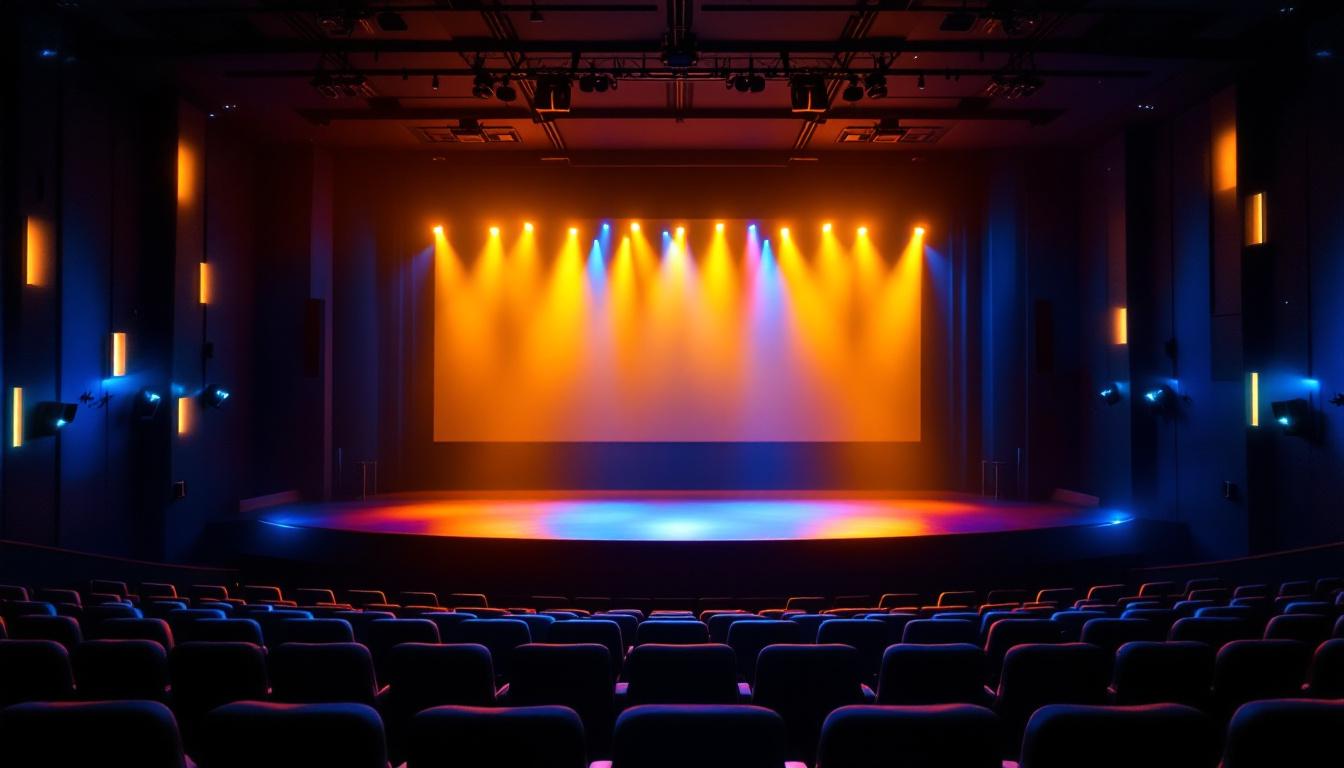
Lighting in movie theatres is a specialized discipline that requires a deep understanding of both technical requirements and audience experience. Unlike typical commercial or residential spaces, theatres demand lighting solutions that enhance visibility without detracting from the cinematic experience. For lighting contractors, this means balancing functional illumination with subtlety and control.
Movie theatres typically operate in low-light environments, where the primary focus is on the screen. Proper lighting must ensure safe navigation for patrons before, during intermissions, and after screenings, while minimizing any light spill that could interfere with the film. This delicate balance necessitates a comprehensive approach to design, installation, and maintenance.
Key Challenges in Movie Theatre Lighting
One of the main challenges is glare control. Excessive brightness or poorly positioned fixtures can cause reflections on the screen, reducing image quality. Additionally, lighting must accommodate different theatre zones—lobbies, auditoriums, hallways, and concession areas—each with distinct requirements.
Energy efficiency is another critical consideration. Movie theatres often operate for extended hours, and lighting systems that consume excessive power can significantly increase operational costs. Modern LED technologies and smart controls have become essential tools for contractors aiming to deliver sustainable and cost-effective solutions.
Moreover, the aesthetic aspect of lighting cannot be overlooked. The design must create an inviting atmosphere that enhances the overall experience for moviegoers. This involves using dimmable fixtures that can adjust to the mood of the film, as well as color temperature choices that complement the theatre’s interior design. The right lighting can evoke emotions and set the tone even before the film begins, making it an integral part of the storytelling experience.
Another emerging trend in theatre lighting is the integration of advanced technologies such as dynamic lighting systems that can change in response to the film’s content. This not only enhances the visual experience but also allows for creative marketing opportunities, such as themed lighting for special screenings or events. As the industry evolves, staying abreast of these innovations will be crucial for lighting contractors who aim to provide cutting-edge solutions that meet both the artistic and practical needs of modern movie theatres.
Types of Lighting Used in Movie Theatres
Lighting in movie theatres can be broadly categorized into ambient, task, accent, and emergency lighting. Understanding these categories helps contractors select the right fixtures and control systems for each application.
Ambient Lighting
Ambient lighting provides general illumination for areas such as lobbies and hallways. It should be bright enough to facilitate safe movement but soft enough to maintain the theatre’s atmosphere. LED downlights and wall sconces are common choices, offering uniform light distribution with minimal glare.
In auditoriums, ambient lighting is usually dimmable and carefully controlled to avoid screen interference. Step lights and low-level aisle lights are often integrated into seating rows to guide patrons discreetly. This thoughtful design ensures that while the audience is immersed in the cinematic experience, they can still navigate safely without distraction. The color temperature of ambient lighting also plays a crucial role, as warmer tones can create a cozy and inviting environment, enhancing the overall enjoyment of the film.
Task Lighting
Task lighting is focused on specific functions, such as ticket counters, concession stands, and restrooms. These fixtures need to provide sufficient brightness for activities like reading tickets or preparing food, without overpowering the surrounding environment. For instance, at concession stands, bright yet soft lighting can help staff efficiently serve customers while also making the food items more visually appealing.
Moreover, the strategic placement of task lighting can significantly improve operational efficiency. For example, illuminated menus above counters can help patrons make quicker decisions, reducing wait times and enhancing customer satisfaction. Additionally, using adjustable fixtures allows for flexibility in lighting levels, accommodating different times of day and varying crowd sizes.
Accent Lighting
Accent lighting highlights architectural features, signage, or decorative elements within the theatre. It contributes to the overall aesthetic and branding, enhancing the guest experience. LED strips, spotlights, and color-changing fixtures are popular options for creating dynamic visual effects.
Beyond mere aesthetics, accent lighting can also evoke emotions and set the tone for the movie-going experience. For instance, a theatre might use warm, inviting colors in the lobby to create a welcoming atmosphere, while cooler tones might be employed in the screening rooms to promote focus and immersion. By playing with intensity and color, theatres can craft a unique identity that resonates with their audience, making each visit memorable.
Emergency and Safety Lighting
Safety is paramount in any public venue. Emergency lighting systems must comply with local codes and standards, providing reliable illumination during power outages or emergencies. Exit signs, pathway lights, and backup power sources are integral components that contractors must carefully plan and install.
In addition to standard emergency lighting, theatres often incorporate advanced technologies such as motion sensors and battery backup systems to enhance safety protocols. These systems ensure that lights activate automatically when needed, guiding patrons to safety without delay. Regular maintenance and testing of these systems are also critical, as they ensure that all components are functional and ready to respond in case of an emergency. By prioritizing safety lighting, theatres not only adhere to regulations but also foster a sense of security among their guests, allowing them to fully enjoy the cinematic experience without concern.
Design Considerations for Lighting Contractors
Successful theatre lighting design hinges on several critical factors that contractors must evaluate during project planning and execution.
Light Levels and Uniformity
Maintaining appropriate light levels is essential to ensure visibility without compromising the viewing experience. The Illuminating Engineering Society (IES) provides guidelines recommending low ambient light levels in auditoriums, typically below 1 foot-candle during screenings, with slightly higher levels in lobbies and corridors.
Uniformity is equally important to avoid dark spots or overly bright areas that can distract patrons. Contractors should employ lighting layouts that distribute light evenly, using fixtures with appropriate beam angles and spacing.
Color Temperature and Rendering
Color temperature influences the mood and perception of space. Warm white light (2700K to 3000K) is often preferred in theatres for its cozy and inviting feel, especially in lobbies and concession areas. Cooler temperatures may be used sparingly for task lighting where clarity is paramount.
Color rendering index (CRI) is another vital metric, indicating how accurately colors appear under a light source. High CRI lighting (above 80) ensures that signage, décor, and staff uniforms appear natural and vibrant.
Control Systems and Automation
Advanced lighting control systems enable theatres to adjust lighting scenes dynamically. Contractors should integrate dimmers, occupancy sensors, and programmable controls to facilitate seamless transitions between different lighting modes—such as pre-show, intermission, and post-show settings.
Networked lighting controls also allow facility managers to monitor energy consumption and perform remote diagnostics, enhancing operational efficiency and reducing maintenance costs.
Installation Best Practices
Proper installation is critical to achieving the desired lighting performance and longevity in movie theatres. Lighting contractors must adhere to industry standards and manufacturer guidelines while accommodating the unique constraints of theatre architecture.
Fixture Placement and Mounting
Careful positioning of fixtures minimizes glare and shadows. For example, aisle lights should be recessed or shielded to prevent direct line-of-sight to the bulb, which can cause discomfort. Ceiling-mounted fixtures must be securely anchored to withstand vibrations from projector equipment and foot traffic.
Wiring and Electrical Considerations
Given the complexity of theatre lighting systems, wiring must be meticulously planned to support multiple circuits and control zones. Contractors should use high-quality cables and connectors rated for commercial use, ensuring compliance with electrical codes and safety standards.
Backup power systems, such as uninterruptible power supplies (UPS) or emergency generators, are essential for maintaining safety lighting during outages. Integration with fire alarm and building management systems is also recommended.
Testing and Commissioning
After installation, thorough testing ensures that all lighting components function as intended. Contractors should verify dimming capabilities, sensor responsiveness, and emergency lighting operation. Commissioning reports documenting test results and system configurations provide valuable references for future maintenance.
Maintenance and Upgrades for Long-Term Performance
Movie theatres require ongoing maintenance to preserve lighting quality and safety. Lighting contractors often provide service agreements that include routine inspections, cleaning, and prompt repairs.
LED Retrofit and Energy Savings
Many theatres are upgrading from traditional incandescent or fluorescent lighting to LED technology. LEDs offer longer lifespans, reduced energy consumption, and enhanced control capabilities. Contractors should assess existing installations and recommend retrofit solutions that maximize return on investment.
Addressing Wear and Environmental Factors
Theatre environments can expose lighting fixtures to dust, humidity, and temperature fluctuations. Selecting fixtures with appropriate ingress protection (IP) ratings and durable finishes helps mitigate these effects. Regular cleaning schedules prevent dust accumulation that can diminish light output.
Staying Current with Technology Trends
Lighting technology evolves rapidly, with innovations such as tunable white lighting, wireless controls, and human-centric lighting gaining traction. Contractors who stay informed about these trends can offer clients cutting-edge solutions that enhance both functionality and guest satisfaction.
Regulatory Compliance and Safety Standards
Compliance with local building codes, fire safety regulations, and accessibility standards is non-negotiable in theatre lighting projects. Contractors must familiarize themselves with relevant guidelines such as the National Electrical Code (NEC), Americans with Disabilities Act (ADA), and Occupational Safety and Health Administration (OSHA) requirements.
Proper documentation and certification of lighting installations not only ensure legal compliance but also protect contractors and theatre owners from liability.
Conclusion
Lighting contractors play a pivotal role in shaping the movie theatre experience. By understanding the unique challenges and requirements of theatre lighting, selecting appropriate fixtures and controls, and adhering to best practices in design and installation, contractors can deliver solutions that enhance safety, energy efficiency, and audience enjoyment.
Staying abreast of technological advancements and regulatory changes further empowers contractors to provide innovative, compliant, and sustainable lighting systems that meet the evolving needs of the entertainment industry.
Illuminate Your Theatre Projects with LumenWholesale
Ready to elevate your movie theatre lighting projects with the best in spec-grade lighting products? Look no further than LumenWholesale for the ultimate in quality, affordability, and convenience. Our extensive selection of lighting solutions meets the highest industry standards, ensuring you deliver top-notch results for every cinematic space. With unbeatable wholesale prices and the convenience of free shipping on bulk orders, you can provide your clients with superior lighting without the premium cost. Make your next lighting project a blockbuster success with LumenWholesale – where exceptional value meets exceptional lighting.