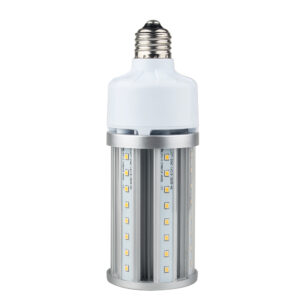
Introduction to Street Lighting Poles
Street lighting poles are fundamental components of urban infrastructure, playing a critical role in ensuring public safety, enhancing visibility, and contributing to the aesthetic appeal of streets and public spaces. For lighting contractors, understanding the nuances of street lighting poles—from selection and installation to maintenance—is essential for delivering reliable and efficient lighting solutions.
With advancements in lighting technology and increasing emphasis on sustainability, contractors must stay informed about the latest standards, materials, and installation practices. This checklist serves as a comprehensive guide to help lighting contractors navigate the complexities involved in working with street lighting poles.
In recent years, the evolution of street lighting has seen a shift towards energy-efficient LED technology, which not only reduces energy consumption but also extends the lifespan of the lighting fixtures. This transition has prompted many municipalities to reevaluate their existing lighting infrastructure, leading to the replacement of outdated poles with modern designs that accommodate these new lighting systems. Additionally, the integration of smart technology into street lighting is becoming increasingly prevalent, allowing for features such as adaptive lighting that adjusts based on pedestrian and vehicular traffic, further enhancing safety and energy efficiency.
Moreover, the selection of materials for street lighting poles has also evolved, with options ranging from traditional steel and aluminum to innovative composites that offer greater durability and resistance to environmental factors. Contractors must consider the local climate, potential for corrosion, and the overall design aesthetic when choosing materials. Furthermore, the installation process has become more sophisticated, often requiring collaboration with urban planners and electrical engineers to ensure that the poles are not only functional but also harmoniously integrated into the urban landscape. This collaborative approach helps to create cohesive public spaces that promote safety and accessibility for all users.
Understanding Types and Materials of Street Lighting Poles
Common Pole Materials and Their Advantages
Street lighting poles are typically fabricated from materials such as galvanized steel, aluminum, concrete, and fiberglass. Each material offers distinct benefits and considerations:
- Galvanized Steel: Known for its strength and durability, galvanized steel poles resist corrosion and are widely used in urban environments. Their robustness makes them suitable for areas prone to harsh weather conditions. Additionally, galvanized steel can be coated with various finishes to enhance aesthetic appeal and further extend its lifespan.
- Aluminum: Lightweight and corrosion-resistant, aluminum poles are easier to install and maintain. They are ideal for coastal areas where salt exposure accelerates corrosion. The versatility of aluminum also allows for a variety of designs and colors, making them a popular choice for modern urban landscapes.
- Concrete: Concrete poles provide excellent stability and longevity. They are often chosen for highways and areas requiring heavy-duty support, though they are heavier and more challenging to install. Furthermore, concrete poles can be designed to blend seamlessly with surrounding architecture, offering both functionality and visual harmony.
- Fiberglass: Fiberglass poles offer flexibility and resistance to corrosion and electrical conductivity, making them suitable for specific applications like railway crossings or areas with high electromagnetic interference. Their lightweight nature also allows for easier transportation and installation, which can significantly reduce project timelines.
Understanding these material properties helps contractors recommend the most appropriate poles based on environmental conditions, load requirements, and budget constraints. Moreover, the choice of material can influence the overall maintenance costs and lifespan of the lighting infrastructure, making it a critical decision for urban planners and municipalities.
Design Considerations: Height, Load, and Aesthetics
The design of street lighting poles must align with both functional and aesthetic requirements. Key factors include:
- Height: Pole height affects light distribution and coverage. Typical street lighting poles range from 9 to 14 meters, but this varies depending on the road type and lighting standards. For instance, taller poles may be necessary in wide intersections to ensure adequate illumination across all lanes, while shorter poles might suffice in residential areas.
- Load Capacity: Poles must support the weight of luminaires, brackets, banners, and sometimes surveillance cameras or other equipment. Ensuring proper load calculations prevents structural failures. Additionally, as technology advances, the integration of smart lighting systems and sensors requires careful consideration of load capacity to accommodate future upgrades.
- Aesthetics: In historic or residential areas, decorative poles with ornamental features may be required to maintain the visual character of the neighborhood. The design can include elements such as decorative finials, unique colors, or even integrated planters for greenery, which not only enhance the visual appeal but also contribute to the urban ecosystem.
Contractors should collaborate with engineers and urban planners to select poles that meet these criteria while complying with local regulations. This collaboration is essential not only for ensuring safety and functionality but also for creating a cohesive urban environment that reflects the community’s identity and values. Moreover, considering the future of urban lighting, the integration of energy-efficient LED technology and smart city solutions into pole design is becoming increasingly important, paving the way for more sustainable and intelligent urban spaces.
Pre-Installation Checklist for Lighting Contractors
Site Assessment and Survey
Before installation, a thorough site assessment is crucial. This involves:
- Evaluating soil conditions to determine foundation requirements.
- Identifying underground utilities to avoid damage during excavation.
- Assessing existing lighting infrastructure for integration or replacement.
- Measuring distances and spacing to ensure uniform light coverage.
Accurate site surveys reduce the risk of costly delays and ensure compliance with safety standards.
Compliance with Standards and Regulations
Lighting contractors must adhere to national and local standards such as the Illuminating Engineering Society (IES) guidelines and municipal codes. Key compliance areas include:
- Electrical safety and grounding requirements.
- Light pollution control to minimize glare and skyglow.
- Accessibility and clearance standards to prevent hazards to pedestrians and vehicles.
- Environmental regulations concerning materials and energy consumption.
Staying current with these regulations not only ensures legal compliance but also promotes community acceptance and environmental stewardship.
Material and Equipment Verification
Prior to installation, contractors should verify that all materials and equipment meet project specifications. This includes:
- Confirming pole dimensions, material certifications, and finish quality.
- Checking luminaire compatibility with poles and electrical systems.
- Ensuring availability of mounting brackets, anchors, and wiring components.
- Inspecting tools and machinery for installation readiness.
Proper verification prevents installation errors and enhances overall project efficiency.
Installation Best Practices
Foundation Preparation and Pole Erection
Foundation integrity is paramount for the stability of street lighting poles. Contractors should:
- Excavate to the specified depth based on pole height and soil type.
- Use concrete with appropriate strength and curing time to secure the base.
- Install anchor bolts precisely to align with pole base plates.
- Utilize cranes or lifting equipment safely to erect poles without damage.
Attention to these details ensures long-term structural safety and reduces maintenance costs.
Electrical Wiring and Connections
Electrical installation must follow strict protocols to guarantee safety and functionality. Key steps include:
- Running underground conduits with proper depth and protection.
- Using weatherproof connectors and junction boxes to prevent moisture ingress.
- Implementing grounding systems to protect against electrical faults.
- Testing circuits for continuity and insulation resistance before energizing.
Proper electrical work minimizes risks of outages and hazards, safeguarding both the public and maintenance personnel.
Quality Control and Safety Checks
Throughout installation, contractors should conduct quality control inspections, including:
- Verifying pole verticality and alignment.
- Ensuring secure fastening of luminaires and accessories.
- Checking for compliance with lighting levels and uniformity requirements.
- Implementing site safety measures such as barriers and signage to protect workers and pedestrians.
These checks contribute to a successful project handover and client satisfaction.
Maintenance and Troubleshooting for Street Lighting Poles
Routine Inspection and Preventive Maintenance
Regular maintenance extends the lifespan of street lighting poles and ensures consistent performance. Recommended practices include:
- Visual inspections for corrosion, cracks, or physical damage.
- Cleaning luminaires and pole surfaces to maintain light output and appearance.
- Testing electrical components for wear and functionality.
- Lubricating moving parts such as tilt brackets where applicable.
Preventive maintenance reduces unexpected failures and supports energy efficiency goals.
Common Issues and Solutions
Lighting contractors often encounter challenges such as:
- Corrosion and Rust: Applying protective coatings and timely repainting can mitigate deterioration.
- Electrical Failures: Troubleshooting wiring faults, replacing damaged connectors, and upgrading components as needed.
- Structural Damage: Repairing or replacing poles affected by vehicle collisions or environmental factors.
- Light Pollution Complaints: Adjusting fixture orientation or installing shields to reduce glare.
Proactive problem-solving enhances public trust and reduces maintenance costs.
Advancements and Sustainable Practices in Street Lighting
Integration of LED Technology
The transition to LED luminaires has revolutionized street lighting by offering:
- Significant energy savings—LEDs consume up to 50% less energy compared to traditional lighting.
- Longer service life, reducing replacement frequency and maintenance efforts.
- Improved light quality with customizable color temperatures and better uniformity.
Lighting contractors should stay updated on LED innovations and compatibility with existing pole infrastructure to maximize benefits.
Smart Lighting Systems and IoT Integration
Smart street lighting incorporates sensors, wireless communication, and centralized control systems to optimize performance. Benefits include:
- Adaptive lighting that adjusts brightness based on traffic, weather, or time of day.
- Remote monitoring and fault detection, enabling faster maintenance response.
- Data collection for urban planning and energy management.
Contractors involved in smart lighting projects must be proficient in integrating these technologies with traditional pole installations.
Environmentally Responsible Materials and Practices
Eco-friendly approaches are increasingly important in street lighting projects. This includes:
- Using recyclable materials and coatings with low environmental impact.
- Implementing energy-efficient designs to reduce carbon footprint.
- Ensuring proper disposal or recycling of old poles and lighting components.
Adopting sustainable practices aligns with global environmental goals and enhances contractor reputation.
Conclusion: Ensuring Excellence in Street Lighting Pole Projects
For lighting contractors, mastery over the selection, installation, and maintenance of street lighting poles is essential to delivering safe, efficient, and visually appealing lighting solutions. By following this comprehensive checklist, contractors can navigate the complexities of materials, regulatory compliance, installation best practices, and emerging technologies.
Continual education and adherence to evolving standards will empower contractors to meet the demands of modern urban environments, contribute to public safety, and support sustainable infrastructure development.
Illuminate Your Projects with LumenWholesale
Ready to elevate your street lighting projects with the best in class lighting solutions? Look no further than LumenWholesale, where we provide contractors with superior, spec-grade lighting products at unbeatable wholesale prices. Our extensive selection is designed to meet the highest industry standards, ensuring you get reliable, high-performance lighting for every project. Plus, with free shipping on bulk orders, you can enjoy premium lighting at the best value — without hidden fees or compromises. Make your next project shine and experience the perfect blend of quality, affordability, and convenience with LumenWholesale.