Introduction to Stairway Hanging Lights
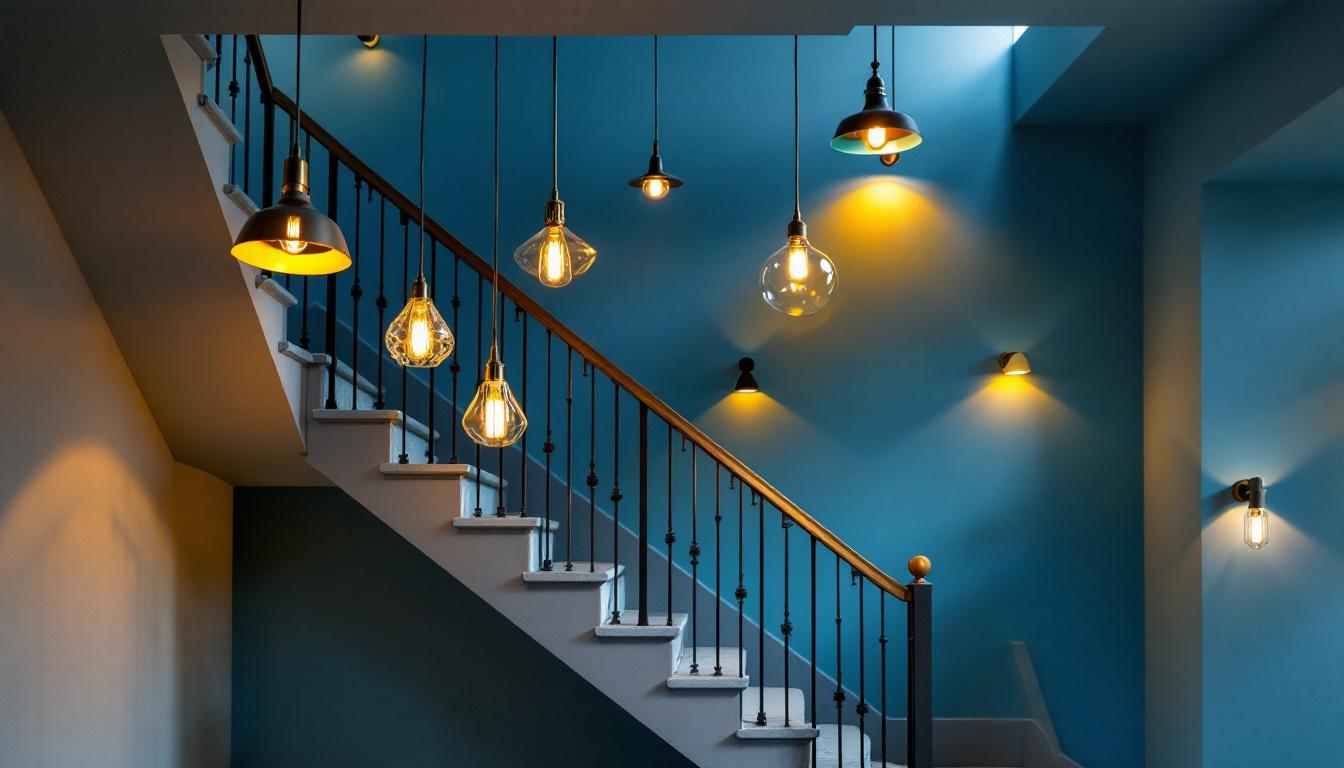
Stairway hanging lights are an essential element in both residential and commercial lighting design. For lighting contractors, understanding the nuances of these fixtures is critical to delivering safe, aesthetically pleasing, and functional installations. Stairways are transitional spaces that connect different levels of a building, and their lighting must ensure visibility, enhance architectural features, and contribute to the overall ambiance.
Unlike standard ceiling lights, stairway hanging lights often serve as focal points, drawing attention to the stairwell’s design while providing necessary illumination. This dual role requires contractors to be knowledgeable about various fixture styles, mounting techniques, electrical considerations, and safety codes.
When selecting stairway hanging lights, it’s important to consider the height and width of the stairway, as well as the overall design theme of the space. For instance, a modern staircase may benefit from sleek, minimalist fixtures that complement clean lines, while a traditional setting might call for ornate chandeliers or pendant lights that evoke a sense of classic elegance. Additionally, the choice of materials—such as glass, metal, or fabric—can significantly influence the light’s diffusion and the atmosphere it creates. Proper placement is also crucial; fixtures should be hung at a height that avoids obstruction while providing ample light to illuminate each step safely.
Moreover, energy efficiency is becoming increasingly important in lighting design. Many contractors now opt for LED fixtures, which not only consume less power but also have a longer lifespan compared to traditional incandescent bulbs. This shift not only reduces energy costs but also aligns with sustainable building practices. Furthermore, incorporating smart lighting technology can enhance the functionality of stairway hanging lights, allowing for adjustable brightness levels and even color temperature changes to suit different times of day or activities. This adaptability can create a more inviting atmosphere, making stairways not just a means of transition but a visually appealing part of the overall design.
Key Considerations for Lighting Contractors
Safety and Code Compliance
Safety is paramount when installing stairway hanging lights. Stairways are high-traffic areas where poor lighting can lead to accidents. Contractors must ensure that the chosen fixtures comply with local electrical codes and building regulations. This includes proper mounting heights, secure anchoring, and the use of appropriate wiring and circuit protection.
Many jurisdictions have specific requirements for stairway lighting levels, often measured in foot-candles or lux. For example, the Illuminating Engineering Society (IES) recommends a minimum of 10 foot-candles on stair treads to prevent falls. Contractors should verify local guidelines and ensure that the lighting design meets or exceeds these standards. Additionally, it’s essential to consider the type of light bulbs used; LED options not only provide energy efficiency but also have a longer lifespan, reducing the need for frequent replacements and minimizing maintenance costs.
Fixture Selection and Style
The selection of stairway hanging lights should complement the architectural style of the space. From modern minimalist pendants to classic chandeliers, the range of available fixtures is vast. Contractors must work closely with designers and clients to select fixtures that balance aesthetics with function.
Considerations include the size of the fixture relative to the stairwell, the type of light source (LED, incandescent, halogen), and the finish and materials. For example, a large multi-tiered chandelier may be ideal for a grand staircase in a commercial lobby, while a sleek linear pendant might suit a contemporary residential stairway. Furthermore, the color temperature of the lighting can significantly affect the ambiance; warm white lights create a cozy atmosphere, while cool white lights can enhance a modern feel. Contractors should also explore customizable options, such as fixtures that allow for interchangeable shades or colors, enabling clients to adapt their lighting to seasonal decor or personal preferences.
Lighting Design and Placement
Effective stairway lighting requires careful planning of fixture placement and light distribution. Hanging lights should be positioned to avoid glare and shadows that can obscure steps. Contractors often use a combination of ambient, task, and accent lighting to achieve balanced illumination.
When installing multiple fixtures, maintaining consistent spacing and height is crucial for visual harmony. Additionally, dimmable controls can provide flexibility, allowing occupants to adjust light levels according to time of day or mood. Incorporating smart lighting technology can further enhance functionality; systems that can be controlled via smartphones or voice commands offer convenience and adaptability. Moreover, the integration of motion sensors can automatically activate lights when someone approaches the stairs, ensuring safety and energy efficiency. As contractors design these systems, they should also consider the impact of natural light; strategically placed fixtures can complement daylight, reducing reliance on artificial lighting during the day.
Technical Aspects of Installation
Mounting Techniques and Hardware
Installing hanging lights in stairwells presents unique challenges due to varying ceiling heights and access difficulties. Contractors must select appropriate mounting hardware that supports the fixture’s weight and accommodates angled ceilings or vaulted spaces.
Heavy chandeliers may require reinforced ceiling joists or additional support structures. Chain or cable suspensions allow for adjustable hanging lengths, which is particularly useful in multi-story stairwells. Safety cables and secondary supports are recommended to prevent accidents in case of primary mounting failure.
Electrical Wiring and Power Supply
Wiring for stairway hanging lights must be carefully planned to ensure safe and efficient power delivery. Contractors should consider the location of junction boxes, conduit routing, and accessibility for future maintenance. In some cases, remote drivers or transformers may be used, especially with low-voltage or LED fixtures.
Ground fault circuit interrupters (GFCIs) and surge protectors can enhance safety, particularly in stairwells near exterior doors or damp areas. Proper grounding and adherence to National Electrical Code (NEC) standards are non-negotiable for compliance and safety.
Lighting Controls and Automation
Modern stairway lighting often incorporates advanced controls such as motion sensors, timers, and smart home integration. These features improve energy efficiency and user convenience. For example, motion-activated lights can automatically illuminate the stairway when someone approaches, reducing energy waste and enhancing safety.
Lighting contractors should be familiar with various control systems and their installation requirements. Integration with building automation systems can also be a selling point for commercial clients seeking sophisticated lighting solutions.
Challenges and Solutions in Stairway Hanging Light Installations
Access and Working at Height
One of the most significant challenges in installing stairway hanging lights is working at height in confined or awkward spaces. Proper scaffolding, ladders, and safety harnesses are essential to protect workers. Contractors should plan installations during times when stairway use is minimal to reduce disruption and risk.
Using telescoping poles or specialized tools can assist in positioning fixtures without extensive scaffolding. In some cases, pre-assembling fixtures on the ground before hoisting them into place can streamline the process.
Dealing with Irregular Stairwell Shapes
Stairwells come in various shapes and sizes, including spiral, L-shaped, and multi-flight designs. Each presents unique lighting challenges. For example, spiral staircases may require custom fixture configurations to ensure even light distribution without obstructing headroom.
Contractors should conduct thorough site assessments and collaborate with designers to develop tailored lighting plans. Using adjustable fixtures and modular lighting systems can provide flexibility for complex spaces.
Balancing Aesthetics and Functionality
While stairway hanging lights often serve as decorative elements, their primary function is to provide safe illumination. Contractors must balance these priorities by selecting fixtures that are visually appealing but also deliver adequate light levels and minimize glare.
Consulting lighting design software or performing on-site light measurements can help optimize fixture placement and brightness. Educating clients about the importance of functional lighting can also prevent dissatisfaction with overly decorative but impractical installations.
Maintenance and Longevity
Fixture Cleaning and Accessibility
Stairway hanging lights, especially those with intricate designs or multiple bulbs, require regular cleaning to maintain their appearance and performance. Contractors should advise clients on safe cleaning procedures and recommend fixtures that are accessible for maintenance.
Designing installations with ease of access in mind—such as using lower-hanging fixtures or incorporating service platforms—can reduce future maintenance costs and effort.
Bulb Replacement and Energy Efficiency
Choosing energy-efficient light sources like LEDs not only reduces operational costs but also extends the interval between bulb replacements. Lighting contractors should guide clients toward fixtures compatible with long-lasting bulbs and consider retrofit options for existing installations.
In commercial settings, maintenance contracts that include periodic inspections and bulb replacements can be a valuable service offering for contractors.
Trends and Innovations in Stairway Hanging Lights
Smart Lighting Integration
The rise of smart home and building automation has influenced stairway lighting design. Voice-controlled and app-managed lighting systems enable users to customize settings easily. Contractors who stay updated with these technologies can provide cutting-edge solutions that enhance client satisfaction.
Eco-Friendly and Sustainable Fixtures
Environmental considerations are increasingly important in lighting choices. Fixtures made from recycled materials, energy-efficient LEDs, and designs that maximize natural light integration are gaining popularity. Lighting contractors can differentiate themselves by offering sustainable options that align with client values and regulatory incentives.
Custom and Artistic Designs
Custom stairway hanging lights crafted by artisans or fabricated with advanced manufacturing techniques such as 3D printing offer unique aesthetic possibilities. These bespoke fixtures can transform stairwells into signature design features, appealing to high-end residential and commercial clients.
Conclusion
For lighting contractors, mastering the installation of stairway hanging lights involves a blend of technical expertise, design sensibility, and adherence to safety standards. By understanding the critical aspects of fixture selection, installation challenges, electrical requirements, and emerging trends, contractors can deliver superior lighting solutions that enhance both safety and beauty in stairwells.
Stairway hanging lights are more than just functional necessities; they are opportunities to showcase craftsmanship and innovation. Staying informed about best practices and evolving technologies ensures that contractors remain competitive and capable of meeting diverse client needs.
Illuminate Your Projects with LumenWholesale
Ready to elevate your stairway hanging light installations with premium products that merge safety, style, and sustainability? Look no further than LumenWholesale, where our commitment to quality and value shines bright. We offer an extensive selection of spec-grade lighting that meets the highest industry standards, all at unbeatable wholesale prices. Say goodbye to inflated markups and hello to hassle-free bulk buying with free shipping. Don’t compromise on quality or cost—choose LumenWholesale for lighting that truly stands out. Wholesale Lighting at the Best Value awaits you. Enhance your next project with us today!