Introduction to Lighting Fixtures for Contractors
Lighting contractors play a pivotal role in shaping the ambiance, functionality, and energy efficiency of residential, commercial, and industrial spaces. Understanding the various types of lighting fixtures is essential not only for selecting the right product but also for ensuring compliance with safety standards and client satisfaction. This guide delves into the comprehensive types of lighting fixtures, their applications, and the technical considerations lighting contractors must keep in mind.
With rapid advancements in lighting technology, including LED innovations and smart lighting controls, contractors must stay informed to provide the best solutions. This article covers everything from basic fixture categories to specialized types, helping contractors make informed decisions on every project.
In addition to traditional incandescent and fluorescent lighting, modern contractors are increasingly utilizing energy-efficient LED fixtures that offer longer lifespans and lower energy consumption. These fixtures come in a variety of styles and applications, from recessed lighting that provides a sleek, unobtrusive look to decorative pendant lights that serve as focal points in a room. Furthermore, the versatility of LED technology allows for the integration of color-changing options and dimming capabilities, enabling contractors to create customized lighting experiences tailored to the specific needs of their clients.
Moreover, understanding the importance of lighting controls is crucial for contractors aiming to enhance energy efficiency and user experience. Smart lighting systems, which can be controlled remotely via smartphones or integrated into home automation systems, are becoming increasingly popular. These systems not only allow for convenient adjustments to brightness and color temperature but also enable scheduling and occupancy sensing, which can significantly reduce energy waste. As clients become more environmentally conscious, being knowledgeable about these advanced lighting solutions will set contractors apart in a competitive market.
Primary Categories of Lighting Fixtures
Lighting fixtures can be broadly categorized based on their installation method, light distribution, and intended use. Understanding these categories helps contractors recommend the most appropriate fixtures for each project.
1. Ambient Lighting Fixtures
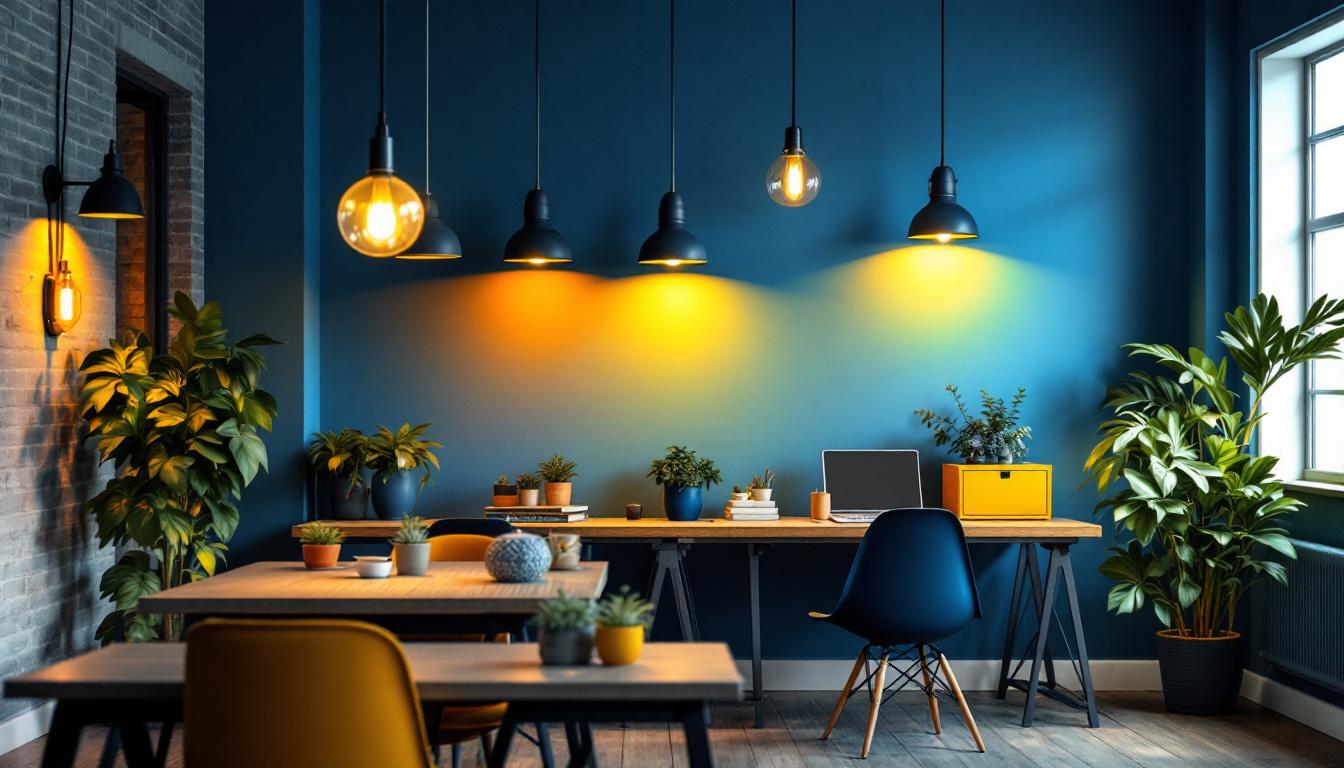
Ambient lighting provides overall illumination to a space, creating a comfortable level of brightness without glare. This foundational lighting type ensures safe navigation and sets the tone for the environment.
Common ambient fixtures include ceiling-mounted lights, recessed downlights, and large pendant lights. For example, in commercial offices, recessed LED panels are often employed to deliver uniform ambient lighting while maintaining a sleek ceiling profile. Additionally, the use of dimmable ambient fixtures can enhance flexibility, allowing occupants to adjust the brightness according to the time of day or specific activities, promoting both productivity and comfort.
2. Task Lighting Fixtures
Task lighting is designed to illuminate specific areas where activities such as reading, cooking, or detailed work occur. These fixtures offer focused light to reduce eye strain and improve productivity.
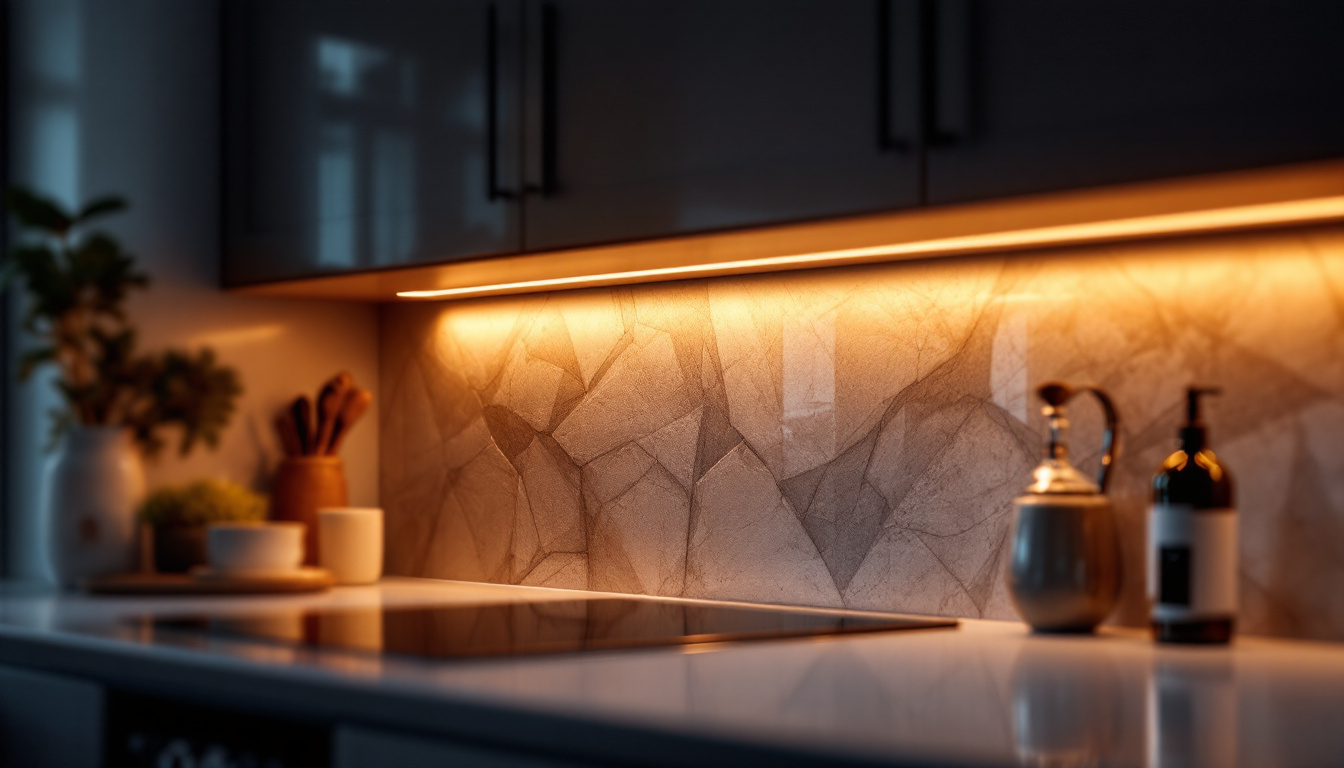
Desk lamps, under-cabinet lights, and adjustable track lighting are typical task lighting options. Lighting contractors should consider fixture adjustability and color temperature to optimize task lighting effectiveness. For instance, warmer color temperatures can create a cozy atmosphere in living spaces, while cooler temperatures are often preferred in work environments to enhance alertness and concentration. Furthermore, integrating smart lighting solutions can allow users to control brightness levels and color temperatures through mobile apps, providing a personalized lighting experience tailored to individual tasks.
3. Accent Lighting Fixtures
Accent lighting highlights architectural features, artwork, or decorative elements, adding depth and visual interest to a space. It typically involves higher intensity light directed at the focal point.
Wall sconces, spotlights, and directional recessed lights are commonly used for accent lighting. Contractors must ensure proper beam angles and fixture placement to achieve the desired effect without creating unwanted shadows. Moreover, the strategic use of accent lighting can transform a mundane space into a captivating environment; for example, illuminating a textured wall or a sculpture can create dramatic contrasts and enhance the overall aesthetic appeal. Utilizing color filters or adjustable LED fixtures can further expand the creative possibilities, allowing for dynamic lighting schemes that can change with the mood or occasion.
Types of Lighting Fixtures by Installation Method
Installation method influences both the aesthetic and functional aspects of lighting fixtures. Lighting contractors should be familiar with these types to accommodate different ceiling types, wall structures, and outdoor environments.
1. Recessed Lighting
Recessed fixtures, also known as can lights or downlights, are installed flush with the ceiling or wall surface. They provide a clean, modern look and are ideal for ambient or accent lighting.
These fixtures are popular in commercial spaces and modern homes due to their unobtrusive design. Contractors must consider ceiling depth and insulation compatibility when selecting recessed fixtures to ensure safety and performance.
2. Surface-Mounted Lighting
Surface-mounted fixtures attach directly to the ceiling or wall surface, making them easier to install in spaces where recessed lighting is not feasible. They come in various styles, from flush mounts to semi-flush mounts and decorative pendants.
For retrofit projects or areas with shallow ceiling cavities, surface-mounted fixtures offer a practical solution without compromising illumination quality.
3. Pendant Lighting
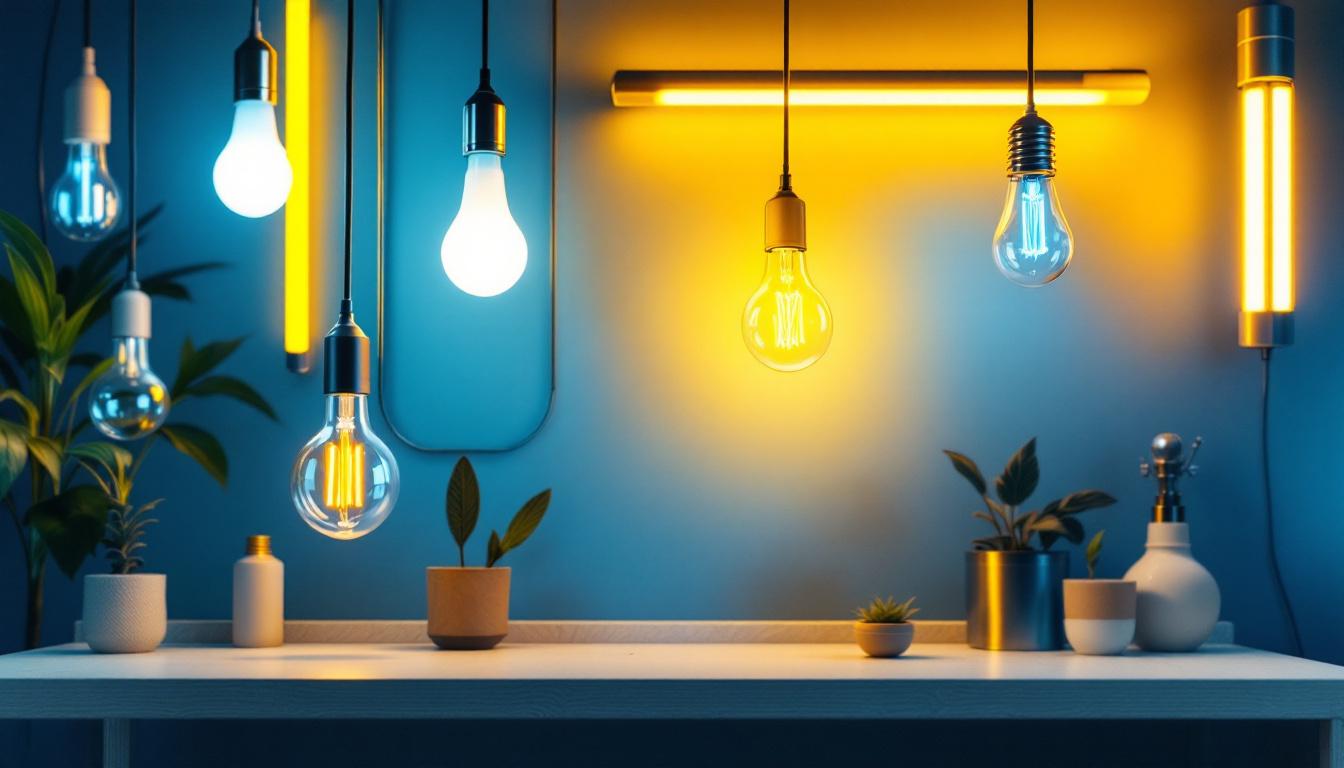
Pendants hang from the ceiling by a rod, chain, or cord and are often used to provide task or ambient lighting. They are highly versatile, available in countless styles and sizes, and can serve as statement pieces in interior design.
Lighting contractors should carefully measure ceiling heights and consider the fixture’s weight and mounting hardware to ensure safe and aesthetically pleasing installations.
4. Track Lighting
Track lighting consists of a linear track mounted to the ceiling or wall, with multiple adjustable heads that can be repositioned along the track. This flexibility makes it ideal for accent lighting in galleries, retail spaces, and kitchens.
The modular nature of track lighting allows contractors to customize lighting layouts and easily add or remove fixtures as needed.
5. Wall-Mounted Fixtures
Wall-mounted fixtures, including sconces and vanity lights, provide both functional and decorative lighting. They are commonly used in hallways, bathrooms, and outdoor spaces.
Contractors must ensure secure mounting and appropriate fixture selection to withstand environmental conditions, especially for exterior applications.
Lighting Fixture Types by Light Source
The choice of light source significantly impacts energy efficiency, color rendering, and fixture lifespan. Lighting contractors should be well-versed in the characteristics of different light sources to recommend optimal solutions.
1. Incandescent Fixtures
Incandescent bulbs produce warm light with excellent color rendering but are highly inefficient and have shorter lifespans. Although largely phased out in many applications, some decorative fixtures still use incandescent bulbs for their aesthetic qualities.
2. Fluorescent Fixtures
Fluorescent lighting offers better energy efficiency than incandescent but can suffer from flicker and color rendering issues. They are commonly found in commercial and industrial settings, often in the form of linear tubes or compact fluorescent lamps (CFLs).
3. LED Fixtures
LED (Light Emitting Diode) fixtures have become the industry standard due to their superior energy efficiency, long lifespan, and versatility. LEDs are available in a wide range of color temperatures and can be integrated into virtually any fixture type.
For lighting contractors, LEDs offer the advantage of reduced maintenance costs and compatibility with smart lighting controls, making them ideal for modern installations.
4. HID Fixtures
High-Intensity Discharge (HID) lamps, including metal halide and high-pressure sodium lamps, are used primarily for outdoor and industrial lighting due to their high lumen output. They are often found in street lighting, warehouses, and sports facilities.
Contractors should be aware of the warm-up time and ballast requirements associated with HID fixtures when specifying these for projects.
Specialized Lighting Fixtures and Applications
Beyond the basic categories, certain projects require specialized fixtures tailored to unique environments or functions. Lighting contractors must understand these options to meet specific client needs.
1. Emergency and Exit Lighting
Emergency lighting fixtures provide illumination during power outages to ensure safe egress. Exit signs and emergency backup lights are critical components of building safety codes.
Contractors should select fixtures with reliable battery backups and ensure compliance with local regulations, including regular testing and maintenance protocols.
2. Outdoor Lighting Fixtures
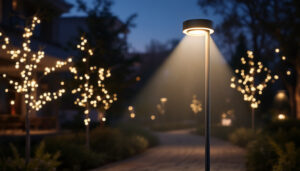
Outdoor fixtures must withstand weather conditions while providing adequate illumination for security, aesthetics, and functionality. Common types include floodlights, pathway lights, and wall-mounted exterior sconces.
Lighting contractors should specify fixtures with appropriate IP ratings for moisture and dust resistance and consider energy-efficient options such as solar-powered or LED fixtures.
3. Architectural and Decorative Lighting
These fixtures emphasize design and ambiance, often integrating custom elements or innovative technologies like color-changing LEDs. They are used in hospitality, retail, and residential projects to enhance visual appeal.
Contractors may collaborate with designers to select fixtures that complement the architectural style and meet performance requirements.
4. Smart Lighting Fixtures
Smart fixtures incorporate connectivity features allowing remote control, automation, and integration with building management systems. They enable energy savings through occupancy sensing, daylight harvesting, and scheduling.
Lighting contractors should be familiar with various smart lighting platforms and ensure proper installation and configuration to maximize benefits.
Key Considerations for Lighting Contractors
Choosing the right lighting fixtures involves balancing aesthetics, functionality, energy efficiency, and budget. Here are critical factors lighting contractors should evaluate during project planning and execution:
1. Compliance and Standards
Understanding local electrical codes, safety standards, and energy efficiency regulations is essential. Fixtures must be UL-listed or equivalent certified to ensure safety and reliability.
2. Energy Efficiency and Sustainability
With increasing emphasis on green building practices, selecting energy-efficient fixtures like LEDs and incorporating controls can significantly reduce operational costs and environmental impact.
3. Lighting Quality and Color Rendering
High color rendering index (CRI) fixtures improve visual clarity and comfort, especially important in retail, healthcare, and hospitality environments.
4. Installation and Maintenance
Contractors should consider ease of installation, accessibility for maintenance, and fixture durability to minimize long-term costs and disruptions.
5. Client Needs and Aesthetic Goals
Understanding the client’s functional requirements and design preferences ensures that the lighting solution enhances the space effectively and satisfies end-user expectations.
Conclusion
For lighting contractors, mastering the diverse types of lighting fixtures is fundamental to delivering high-quality, efficient, and compliant lighting solutions. From ambient to task and accent lighting, surface-mounted to recessed fixtures, and traditional to smart technologies, each category serves unique purposes and demands careful consideration.
Staying updated with industry trends, technological advancements, and regulatory changes empowers contractors to provide expert guidance and superior service. This comprehensive understanding ultimately leads to successful projects that illuminate spaces beautifully and sustainably.
Illuminate Your Projects with LumenWholesale
Ready to elevate your lighting projects with the highest quality fixtures at unbeatable prices? Look no further than LumenWholesale. Our spec-grade lighting selection is designed to meet the diverse needs of lighting contractors, offering reliability and performance that outshines the competition. Say goodbye to middleman markups and hello to cost-effective, hassle-free bulk purchasing with free shipping. Don’t compromise on quality or value—choose LumenWholesale for your lighting solutions and experience the perfect blend of quality, affordability, and convenience. Wholesale Lighting at the Best Value is just a click away.