Lighting contractors play a pivotal role in the success of greenhouse operations. As controlled environment agriculture continues to expand, the demand for efficient, reliable, and innovative lighting solutions has never been higher. Lm Greenhouse, a leader in horticultural lighting, offers valuable insights and best practices that contractors can adopt to optimize their projects and deliver superior results.
Understanding the Unique Needs of Greenhouse Lighting
The Importance of Tailored Lighting Solutions
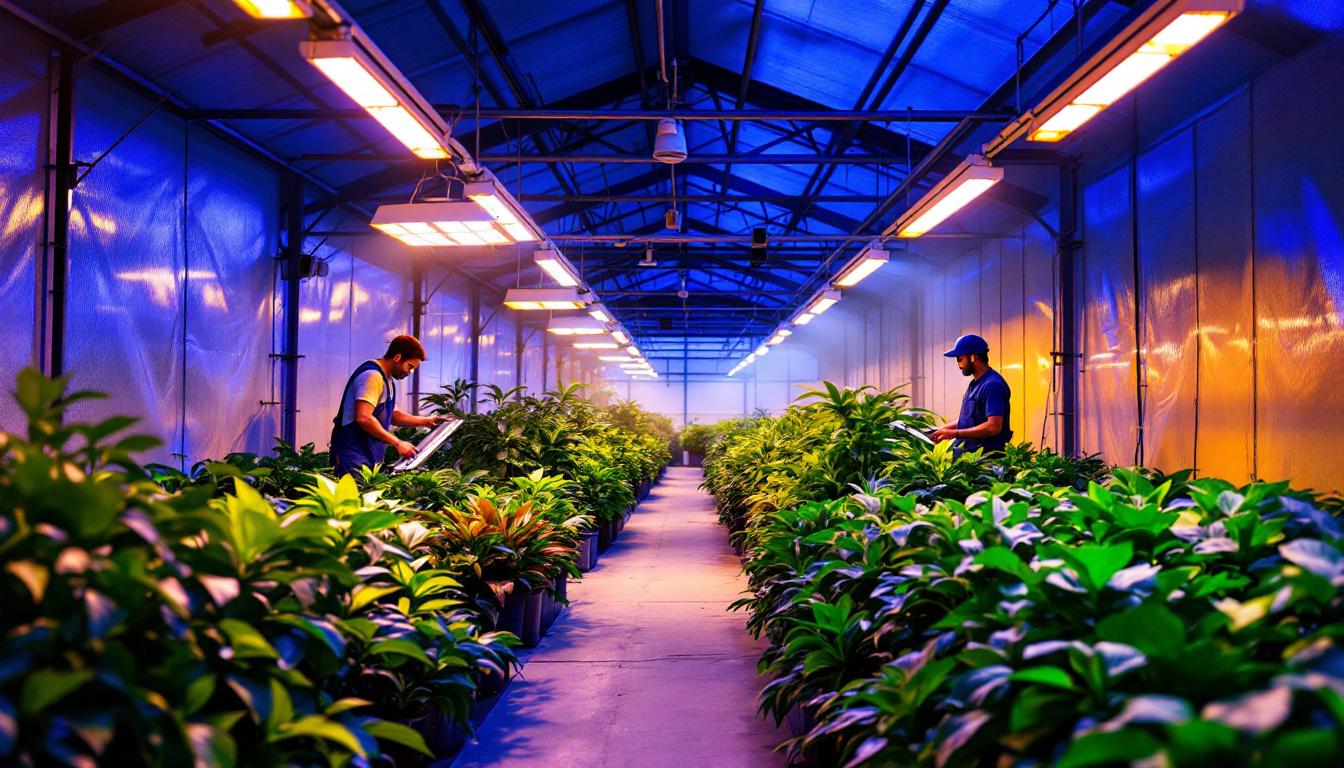
Greenhouse lighting is not a one-size-fits-all scenario. Each crop has distinct light spectrum requirements, intensity preferences, and photoperiod needs. Lighting contractors must first understand the specific horticultural goals of their clients before recommending or installing systems.
For example, leafy greens like lettuce thrive under blue-heavy spectra that promote vegetative growth, while flowering plants benefit from red and far-red wavelengths that encourage blooming. Recognizing these nuances allows contractors to design lighting setups that maximize plant health and yield. Additionally, the timing of light exposure plays a crucial role; certain crops may require extended photoperiods to trigger flowering, while others may benefit from shorter light cycles to enhance flavor and texture. This level of customization not only boosts productivity but also enhances the overall quality of the produce, making it more appealing to consumers.
Balancing Natural and Supplemental Lighting
Greenhouses inherently rely on natural sunlight, but supplemental lighting is often necessary to maintain consistent growth, especially in regions with limited daylight or during off-seasons. Contractors should assess the greenhouse’s geographic location, orientation, and existing infrastructure to determine the ideal supplemental lighting strategy.
Efficient integration of natural and artificial light not only improves plant productivity but also reduces energy consumption, a critical factor given the rising costs of electricity. Smart lighting controls and sensors can adjust output dynamically, ensuring plants receive the optimal light dose throughout the day. Moreover, advancements in LED technology have revolutionized greenhouse lighting, offering energy-efficient solutions that can be tailored to specific growth stages. These lights can be programmed to shift spectra and intensity as plants mature, providing a more natural growth environment that mimics seasonal changes. This adaptability not only supports healthier plants but also aligns with sustainable practices, reducing the carbon footprint associated with greenhouse operations.
Key Technologies and Innovations in Greenhouse Lighting
LED Lighting: The Industry Standard
Light Emitting Diode (LED) technology has revolutionized greenhouse lighting. LEDs offer superior energy efficiency, longevity, and spectral customization compared to traditional lighting methods such as High-Pressure Sodium (HPS) or Metal Halide lamps.
Lighting contractors should prioritize LEDs for new installations and retrofits. Modern horticultural LEDs can be fine-tuned to emit specific wavelengths that align with plant photosynthesis and photomorphogenesis, enhancing growth rates and crop quality. Additionally, the reduced heat output of LEDs minimizes the need for extensive cooling systems, leading to further energy savings and a more stable growing environment. This combination of efficiency and adaptability makes LEDs not just a choice, but a necessity for forward-thinking agricultural practices.
Dynamic Spectrum Control
One of the most exciting advancements is dynamic spectrum control, which allows lighting systems to adjust their spectral output throughout the plant’s growth cycle. Early vegetative stages may require more blue light, while flowering phases benefit from increased red light.
Contractors equipped with knowledge of these systems can offer clients lighting solutions that adapt in real time, improving crop outcomes and reducing waste. This technology also supports research-driven cultivation practices, enabling growers to experiment with light recipes for optimal results. Moreover, the ability to simulate natural light conditions can lead to healthier plants that are more resilient to pests and diseases, ultimately resulting in higher yields and better-quality produce. As growers become more aware of the importance of light in plant development, the demand for dynamic spectrum control systems is likely to increase, making it a critical area of expertise for lighting professionals.
Integration with Automation and IoT
Modern greenhouses increasingly rely on automation and Internet of Things (IoT) devices to streamline operations. Lighting contractors should be familiar with integrating lighting systems into these broader control networks.
Automated lighting controls can synchronize with environmental sensors measuring temperature, humidity, and CO2 levels, adjusting light intensity and duration accordingly. This holistic approach enhances resource efficiency and reduces manual intervention, a significant advantage for large-scale operations. Furthermore, the data collected from these systems can be analyzed to optimize growth conditions continuously. By leveraging machine learning algorithms, growers can predict plant responses to various lighting conditions, allowing for proactive adjustments that maximize productivity. The integration of IoT not only fosters a more responsive growing environment but also opens the door to remote management capabilities, enabling growers to monitor and control their operations from anywhere in the world.
Best Practices for Lighting Installation and Maintenance
Site Assessment and Planning
Before installation, a comprehensive site assessment is crucial. Contractors should evaluate the greenhouse’s structural design, existing electrical infrastructure, and environmental conditions. This groundwork ensures that lighting systems are compatible and optimized for the space.
Planning should also consider future scalability. Greenhouses often expand or change crop types, so flexible lighting solutions that can be easily upgraded or reconfigured provide long-term value. Moreover, understanding the specific light requirements of different plants can guide decisions on the types of fixtures to install. For instance, some crops may thrive under full-spectrum LED lights, while others may benefit from specialized grow lights that enhance particular wavelengths for optimal growth. This foresight not only aids in immediate installation but also prepares the greenhouse for evolving agricultural practices.
Ensuring Electrical Safety and Compliance
Greenhouses present unique challenges for electrical installations due to high humidity, water exposure, and corrosive fertilizers. Lighting contractors must adhere strictly to electrical codes and industry standards to ensure safety and durability.
Using waterproof connectors, corrosion-resistant materials, and proper grounding techniques minimizes risks of electrical faults and downtime. Regular inspection schedules and preventive maintenance are equally important to maintain system integrity. Additionally, incorporating smart technology can enhance safety and efficiency. For example, automated systems can monitor humidity levels and adjust lighting accordingly, reducing the risk of electrical hazards while optimizing energy use. Training staff on safety protocols and emergency procedures further ensures that everyone is prepared to handle potential electrical issues swiftly and effectively.
Optimizing Light Distribution
Uniform light distribution is essential to avoid shading and ensure all plants receive adequate illumination. Contractors should carefully design fixture placement and orientation, considering factors such as plant canopy height and row spacing.
Utilizing reflectors, diffusers, and adjustable mounting systems can help achieve even light coverage. Additionally, modular lighting arrays allow for targeted illumination adjustments, accommodating different crop zones within a single greenhouse. The integration of advanced lighting controls, such as timers and light sensors, can further enhance light management. These systems can automatically adjust lighting intensity based on the time of day or specific growth stages of the plants, ensuring that each crop receives the precise amount of light it needs to thrive. Furthermore, conducting regular assessments of light distribution can help identify any areas that may require additional fixtures or adjustments, ensuring that the entire greenhouse remains an optimal environment for plant growth.
Energy Efficiency and Sustainability Considerations
Reducing Operational Costs Through Energy Management
Energy consumption is one of the largest operational expenses for greenhouse growers. Lighting contractors can contribute significantly to cost savings by recommending energy-efficient equipment and implementing smart control strategies.
Utilizing dimmable LEDs, occupancy sensors, and daylight harvesting systems can reduce unnecessary energy use. Moreover, contractors should educate clients on the benefits of scheduling lighting to align with plant circadian rhythms, which can improve growth efficiency while lowering power bills.
Incorporating Renewable Energy Sources
Many greenhouse operators are exploring renewable energy integration to reduce their carbon footprint. Lighting contractors with expertise in solar power and battery storage can offer valuable guidance on hybrid systems that combine photovoltaic panels with energy-efficient lighting.
This approach not only supports sustainability goals but also enhances energy resilience, protecting growers from grid outages and fluctuating electricity prices.
Environmental Impact and Regulatory Compliance
Contractors should remain informed about environmental regulations related to energy use and light pollution. Implementing shielded fixtures and directional lighting minimizes light trespass and disturbance to surrounding ecosystems.
Adhering to these practices helps clients maintain good community relations and comply with local ordinances, avoiding potential fines or operational restrictions.
Building Strong Client Relationships Through Expertise and Support
Providing Customized Lighting Consultations
Lighting contractors who offer tailored consultations demonstrate their commitment to client success. By analyzing crop types, growth goals, and budget constraints, contractors can design lighting solutions that truly meet client needs.
Presenting data-driven projections on energy savings, yield improvements, and return on investment helps clients make informed decisions and builds trust in the contractor’s expertise.
Offering Training and After-Sales Service
Comprehensive training on system operation and maintenance empowers greenhouse staff to maximize lighting performance. Contractors should provide clear documentation and hands-on guidance to ensure smooth adoption.
Additionally, establishing responsive after-sales support, including routine inspections and troubleshooting, fosters long-term partnerships and client satisfaction.
Staying Current with Industry Trends and Research
The horticultural lighting industry evolves rapidly. Lighting contractors who stay abreast of the latest research, technological advancements, and market trends position themselves as trusted advisors.
Participating in industry conferences, subscribing to scientific journals, and collaborating with lighting manufacturers like Lm Greenhouse enables contractors to continually refine their offerings and deliver cutting-edge solutions.
Conclusion
Lighting contractors are integral to the success of modern greenhouse operations. By understanding the unique lighting requirements of plants, leveraging advanced technologies like LEDs and automation, and adhering to best practices in installation and maintenance, contractors can significantly enhance crop productivity and energy efficiency.
Incorporating sustainability principles and fostering strong client relationships further solidify a contractor’s reputation and business longevity. Following the best practices outlined by industry leaders such as Lm Greenhouse ensures that lighting contractors remain competitive and deliver exceptional value in the rapidly growing controlled environment agriculture sector.
Illuminate Your Greenhouse Projects with LumenWholesale
Ready to take your greenhouse lighting projects to the next level? At LumenWholesale, we provide lighting contractors with the highest quality, spec-grade lighting products at unbeatable wholesale prices. Our extensive selection is designed to meet the rigorous demands of modern controlled environment agriculture, ensuring reliability and high performance. With free shipping on bulk orders, you can trust that you’re getting premium lighting solutions at the best value, without any hidden fees. Elevate your greenhouse operations today by visiting LumenWholesale for the perfect blend of quality, affordability, and convenience.