Understanding the Importance of Ceiling Lighting in Modern Spaces
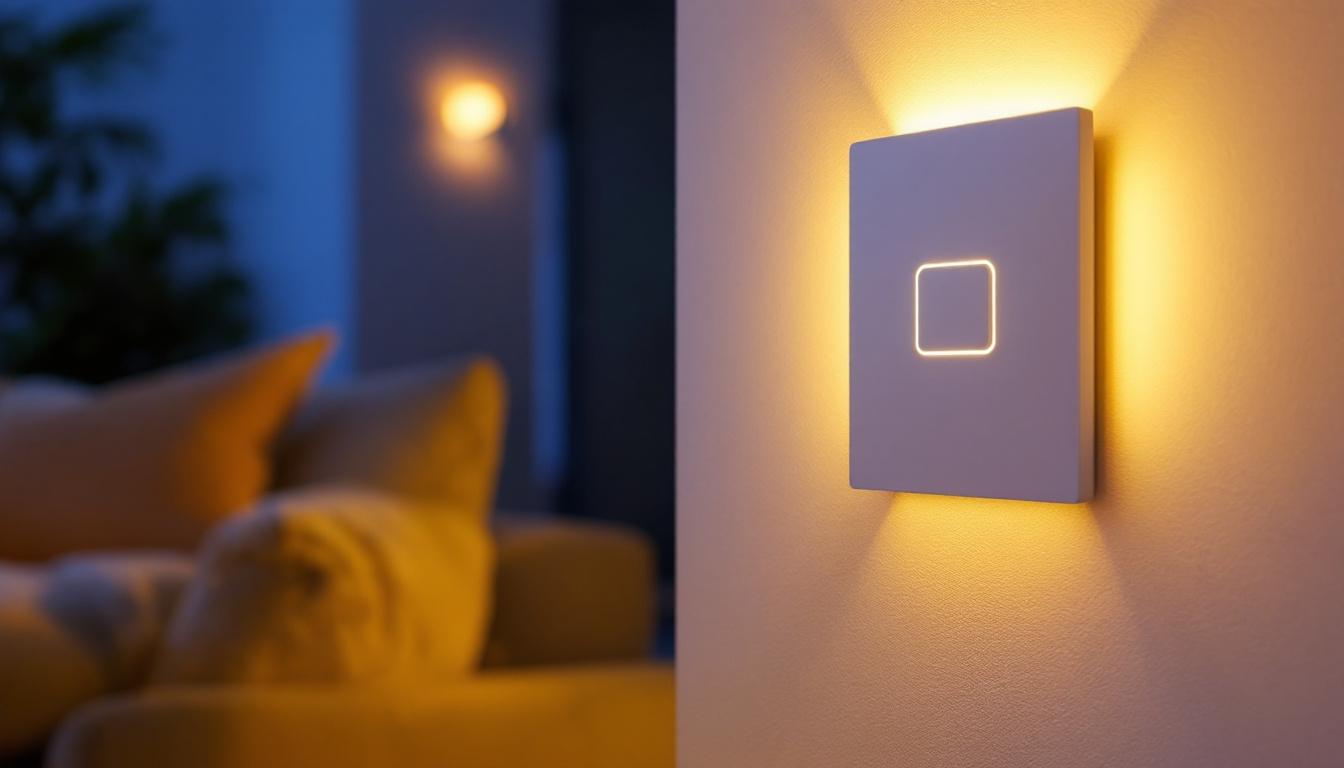
Ceiling lighting plays a pivotal role in shaping the ambiance, functionality, and aesthetic appeal of any room. For lighting contractors, mastering the nuances of ceiling light installation and design is essential to meet client expectations and industry standards. Whether it’s residential, commercial, or industrial settings, the ceiling lighting setup can significantly influence the overall perception of a space.
Recent trends emphasize energy efficiency, smart lighting integration, and customizable lighting solutions. These factors have raised the bar for lighting contractors, requiring teams to stay updated with the latest technologies and installation techniques. Proper training ensures that teams can deliver installations that are not only visually appealing but also compliant with safety regulations and optimized for energy consumption.
In residential spaces, ceiling lighting can transform a mundane room into a vibrant living area. For instance, the use of dimmable LED fixtures allows homeowners to adjust the brightness based on the time of day or the mood they wish to create. Additionally, layering different types of ceiling lights, such as chandeliers, recessed lights, and pendant fixtures, can enhance the depth and character of a room. This approach not only provides functional lighting but also creates a visually dynamic environment that reflects personal style.
In commercial settings, the importance of ceiling lighting extends beyond aesthetics; it directly impacts productivity and employee well-being. Well-designed lighting can reduce eye strain and fatigue, fostering a more comfortable work atmosphere. Moreover, the integration of smart lighting systems that adjust automatically based on occupancy or natural light levels can lead to significant energy savings. As businesses increasingly prioritize sustainability, the demand for innovative ceiling lighting solutions that align with eco-friendly practices is on the rise, making it a crucial area of focus for lighting professionals.
Building a Comprehensive Training Program for Lighting Teams
Assessing Current Skill Levels and Knowledge Gaps
Before designing a training curriculum, it is crucial to evaluate the existing competencies of your team. Conducting skill assessments and knowledge audits can reveal areas that need improvement, such as understanding electrical codes, familiarity with new lighting technologies, or proficiency in installation practices. This targeted approach prevents redundancy and maximizes the effectiveness of training sessions. Furthermore, engaging team members in self-assessments can foster a culture of accountability and encourage them to take ownership of their learning journey. By creating an open dialogue about strengths and weaknesses, you can build a more cohesive team that is motivated to grow together.
Incorporating Theoretical and Practical Learning
Effective training blends classroom-style theoretical knowledge with hands-on practical experience. Covering topics like lighting design principles, electrical safety, wiring diagrams, and product specifications lays a solid foundation. Complementing this with real-world installation exercises, troubleshooting scenarios, and equipment handling enhances skill retention and builds confidence. This dual approach not only caters to various learning styles but also prepares the team for the dynamic nature of their work environment.
For instance, training modules can include demonstrations on installing LED ceiling panels, configuring dimmable systems, or integrating smart lighting controls. These practical sessions help teams adapt to evolving client demands and technological advancements. Additionally, incorporating case studies that highlight past projects can provide context and inspire creativity. By analyzing successful installations or troubleshooting challenges, team members can learn from real-life experiences, which often leads to deeper understanding and innovative problem-solving skills.
Utilizing Digital Tools and E-Learning Platforms
Modern training programs benefit greatly from digital resources. Interactive e-learning modules, video tutorials, and virtual simulations allow team members to learn at their own pace and revisit complex topics as needed. Additionally, mobile apps that provide wiring schematics, product catalogs, and troubleshooting guides can serve as handy references during installations. Embracing these technologies not only streamlines the learning process but also prepares the team for the increasing reliance on digital solutions in the industry.
Moreover, fostering an online community through forums or social media groups can enhance collaboration and knowledge sharing among team members. This platform allows individuals to ask questions, share tips, and discuss challenges they face in the field, creating a supportive network that extends beyond formal training sessions. By leveraging these digital tools, you can create a more engaged and informed team, ready to tackle the complexities of modern lighting projects with confidence and expertise.
Key Topics to Cover in Ceiling Lighting Training
Lighting Design and Planning
Understanding the fundamentals of lighting design is essential for creating effective ceiling light layouts. Training should cover concepts such as light distribution, color temperature, lumen output, and layering of light. This knowledge enables teams to recommend solutions that enhance room functionality and mood.
For example, a well-planned ceiling lighting system in an office space can reduce eye strain and boost productivity, while in a residential setting, it can create a warm and inviting atmosphere. Additionally, the use of dimmable fixtures can allow occupants to adjust the brightness according to their needs, further enhancing comfort and adaptability in various environments. Incorporating smart lighting systems that can be controlled via mobile apps or voice commands also adds a modern touch, allowing users to personalize their lighting experience seamlessly.
Electrical Safety and Compliance
Safety is paramount in any electrical installation. Teams must be well-versed in local electrical codes, grounding requirements, and safe handling of wiring and fixtures. Training should emphasize the importance of using certified components and conducting thorough inspections to prevent hazards such as short circuits or fire risks. Moreover, understanding the implications of working in different environments—such as residential versus commercial spaces—can help teams navigate specific safety protocols and compliance issues that may arise in unique settings.
Additionally, it is crucial to educate teams on the importance of using personal protective equipment (PPE) during installations. This includes wearing gloves, safety goggles, and ensuring that the workspace is free from hazards to minimize the risk of accidents. Regular safety drills and updates on new regulations can also keep teams informed and prepared for any challenges they may face in the field.
Installation Techniques and Best Practices
Proper installation ensures longevity and optimal performance of ceiling lights. Training should cover mounting methods for various ceiling types, secure wiring connections, and techniques for minimizing glare and shadows. Additionally, teams should learn how to troubleshoot common issues such as flickering lights or dimmer incompatibilities. Understanding the nuances of different lighting fixtures, such as recessed lights, pendant lights, and chandeliers, can also aid in selecting the right installation technique for each scenario.
Furthermore, practical hands-on training sessions can be invaluable. By simulating real-world installation scenarios, teams can gain confidence in their skills and develop problem-solving strategies for unexpected challenges. This experiential learning approach not only reinforces theoretical knowledge but also fosters teamwork and communication among team members, which are essential for successful project execution.
Energy Efficiency and Sustainability
With growing emphasis on green building practices, lighting contractors must prioritize energy-efficient solutions. Training should highlight the benefits of LED technology, occupancy sensors, and daylight harvesting systems. Understanding how to calculate energy savings and advise clients on sustainable options adds value to the service offering. Moreover, educating teams about the lifecycle impacts of different lighting technologies can empower them to make informed recommendations that align with clients’ sustainability goals.
In addition to energy efficiency, training should also address the importance of selecting materials that are environmentally friendly and recyclable. For instance, using fixtures made from sustainable materials or those that are designed for easy disassembly can significantly reduce waste. Engaging in discussions about the broader implications of lighting choices on carbon footprints can inspire teams to advocate for greener practices not just in their work, but also in their personal lives, fostering a culture of sustainability within the industry.
Fostering Team Collaboration and Continuous Improvement
Encouraging Open Communication and Feedback
Training is most effective when it fosters a culture of open communication. Encouraging team members to share challenges and insights during and after training sessions promotes collective learning. Regular feedback loops help identify ongoing training needs and refine instructional methods.
Implementing Mentorship and Peer Learning
Pairing less experienced technicians with seasoned professionals accelerates skill development. Mentorship programs enable knowledge transfer and provide real-time support during complex installations. Peer learning sessions, such as group problem-solving workshops, also enhance team cohesion and expertise.
Tracking Progress and Recognizing Achievements
Maintaining records of training completion, certifications, and skill assessments helps monitor individual and team progress. Recognizing achievements through certifications, incentives, or public acknowledgment motivates team members to pursue excellence and stay engaged.
Adapting to Industry Trends and Technological Advances
Staying Updated with Emerging Lighting Technologies
The lighting industry is rapidly evolving with innovations like tunable white lighting, IoT-enabled fixtures, and advanced control systems. Training programs must incorporate modules on these emerging technologies to keep teams competitive and capable of offering cutting-edge solutions.
Integrating Smart Lighting Systems
Smart ceiling lighting systems offer enhanced control, energy savings, and customization. Training should cover installation, programming, and troubleshooting of smart devices, including compatibility with home automation platforms. This expertise enables contractors to meet growing client demand for intelligent lighting solutions.
Adapting to Changing Client Expectations
Clients increasingly seek personalized lighting experiences that combine aesthetics, comfort, and efficiency. Training teams to understand client needs, communicate effectively, and offer tailored recommendations is vital. Role-playing exercises and case studies can prepare teams for diverse project scenarios.
Conclusion: Investing in Training for Long-Term Success
For lighting contractors, investing in comprehensive training for ceiling lighting installation and design is not just a one-time effort but an ongoing commitment. Well-trained teams deliver higher quality work, improve client satisfaction, and adapt swiftly to industry changes. By fostering a culture of continuous learning and embracing technological advancements, contractors can position themselves as trusted experts in the competitive lighting market.
Ultimately, effective team training translates into safer installations, innovative lighting solutions, and sustainable business growth—benefits that resonate throughout every project and client relationship.
Illuminate Your Projects with LumenWholesale
Ready to elevate your lighting projects with the highest quality products at the best value? Look no further than LumenWholesale. Our spec-grade lighting selection is designed to empower contractors like you, offering unbeatable wholesale prices and the convenience of free shipping on bulk orders. Say goodbye to middleman markups and hello to reliable, high-performance lighting that meets the most rigorous industry standards. Make your next project shine with the perfect blend of quality, affordability, and convenience. Wholesale Lighting at the Best Value is just a click away. Experience the LumenWholesale difference today!