Introduction to Track Lighting in Suspended Ceilings
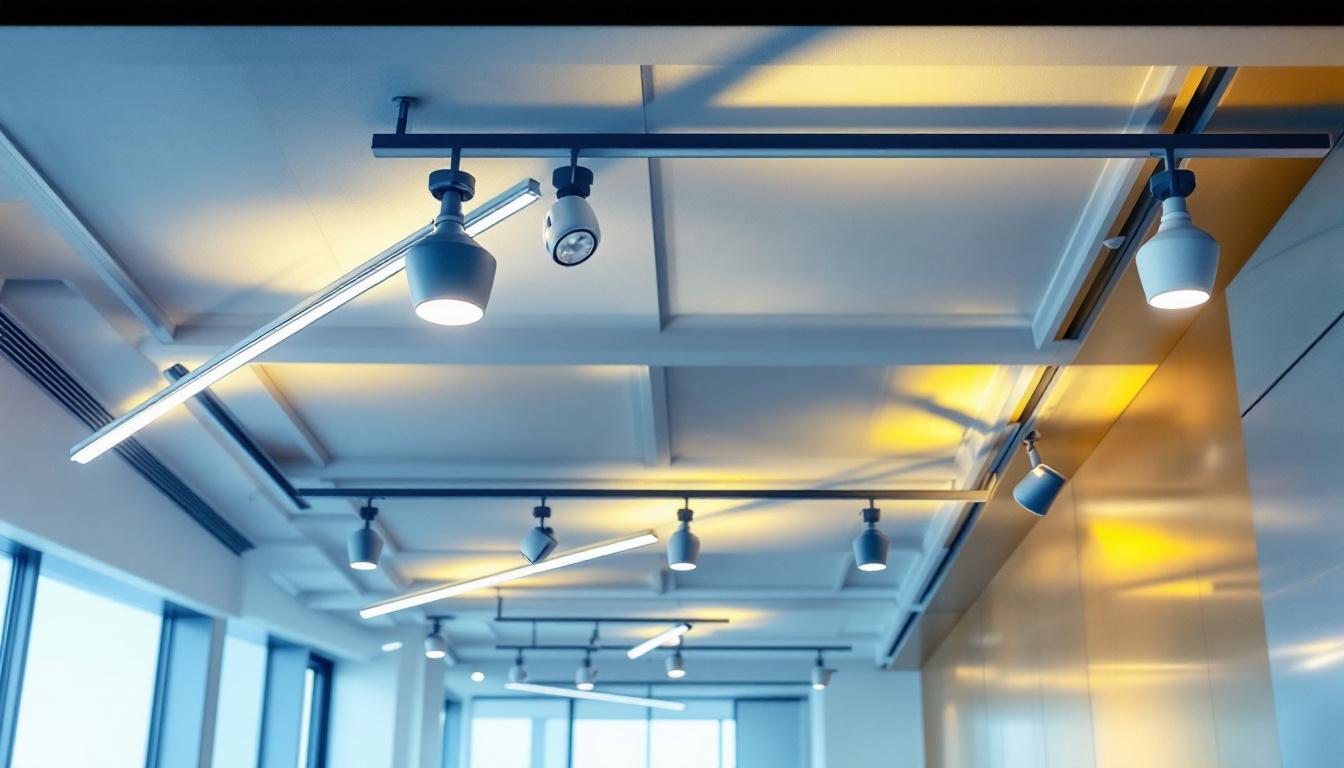
Track lighting has become an increasingly popular choice for commercial and residential spaces due to its versatility, aesthetic appeal, and functional benefits. When integrated with suspended ceilings, track lighting offers a sleek, modern look that enhances the ambiance while providing targeted illumination. For lighting contractors, understanding the nuances of installing and maintaining track lighting in suspended ceilings is essential to delivering high-quality, efficient lighting solutions.
Suspended ceilings, also known as drop ceilings, are widely used in offices, retail stores, and other commercial environments. They provide easy access to electrical wiring and HVAC systems while offering a clean, uniform ceiling surface. Combining track lighting with suspended ceilings requires careful planning and execution to ensure optimal performance and safety.
One of the primary advantages of track lighting is its flexibility. The tracks can be installed in various configurations, allowing for a customized lighting design that meets the specific needs of the space. This adaptability is particularly beneficial in environments where the purpose of the space may change over time, such as galleries or multipurpose rooms. Additionally, track lighting fixtures can be easily repositioned along the track, enabling users to alter the focus of the light as needed, which is ideal for highlighting artwork or merchandise in retail settings.
Moreover, track lighting systems can accommodate a variety of bulb types, including LED, halogen, and incandescent, offering energy-efficient options that reduce electricity costs while maintaining high-quality illumination. The choice of bulb can significantly influence the overall mood of the space; for instance, warmer tones can create a cozy atmosphere in a restaurant, while cooler tones are often preferred in office environments for their ability to enhance concentration and productivity. As technology advances, smart track lighting systems are also emerging, allowing users to control brightness and color temperature through mobile apps or voice commands, further enhancing the functionality and appeal of track lighting in suspended ceilings.
Planning and Design Considerations
Assessing the Space and Lighting Requirements
Before installation, a comprehensive assessment of the space is crucial. Contractors should evaluate the room’s dimensions, ceiling height, and existing infrastructure to determine the best track lighting configuration. Consider the purpose of the lighting—whether it is for accent, task, or ambient lighting—as this will influence the type and placement of fixtures.
For example, retail environments often require adjustable track heads to highlight merchandise, while office spaces may benefit from evenly distributed lighting to reduce eye strain. Understanding client needs and the functional requirements of the space ensures that the lighting design enhances both aesthetics and usability. Additionally, factors such as the color of the walls and the type of flooring can significantly affect how light is perceived in the space. Light colors tend to reflect more light, creating a brighter atmosphere, while darker shades may absorb light, necessitating more powerful fixtures to achieve the desired effect. Therefore, a thorough analysis of these elements can lead to a more tailored lighting solution that maximizes the overall ambiance.
Choosing the Right Track System
Track lighting systems come in various types, including H, J, and L tracks, each with different electrical and mechanical characteristics. Selecting the appropriate track type depends on compatibility with fixtures, voltage requirements, and installation constraints within the suspended ceiling grid.
Low-voltage tracks are typically safer and more energy-efficient but may require transformers, whereas line-voltage tracks operate directly on standard electrical circuits. Contractors should also consider the track’s length and whether it will be continuous or segmented to accommodate the ceiling layout and lighting zones. Furthermore, the aesthetic appeal of the track system should not be overlooked. Modern designs offer sleek profiles and finishes that can complement the overall decor of a space, making the track itself a design element rather than just a functional fixture. This consideration can elevate the design, ensuring that the lighting system harmonizes with the interior style, whether it be contemporary, industrial, or traditional.
Coordination with Ceiling Grid and Structural Elements
Integrating track lighting into a suspended ceiling involves coordination with the ceiling grid system. Contractors must verify that the ceiling tiles and grid can support the weight of the track and fixtures. In some cases, reinforcement or additional support brackets may be necessary to prevent sagging or damage.
Additionally, the location of HVAC vents, sprinkler heads, and other ceiling-mounted equipment must be accounted for to avoid interference. Proper coordination with other trades during the planning phase minimizes conflicts and ensures a smooth installation process. It is also beneficial to consider future maintenance needs when planning the layout. Ensuring that track lighting is accessible for bulb replacement and adjustments can save time and resources down the line. This foresight can lead to a more sustainable lighting solution, allowing for easy upgrades or changes in lighting technology as new innovations emerge, keeping the space modern and efficient.
Installation Best Practices
Electrical Safety and Compliance
Safety is paramount when installing track lighting in suspended ceilings. Contractors must adhere to local electrical codes and standards, including proper grounding, circuit protection, and wiring methods. Ensuring that the track system is compatible with the building’s electrical infrastructure helps prevent hazards such as short circuits or overloads.
Using UL-listed components and following manufacturer guidelines for wiring and mounting are essential steps. Additionally, verifying that the power supply is turned off before beginning installation protects workers from electrical shock.
Mounting the Track System
Mounting track lighting in a suspended ceiling requires precision to maintain alignment and stability. Tracks are typically attached to the ceiling grid or structural supports using specialized clips or brackets. Contractors should measure and mark the track layout carefully to ensure straight lines and proper spacing.
When suspending tracks below the ceiling grid, adjustable hangers can be used to achieve the desired height and angle. This approach is particularly useful in spaces with high ceilings or where the lighting needs to be closer to the work surface.
Installing and Positioning Fixtures
Once the track is securely mounted, fixtures can be installed and positioned along the track. One of the key advantages of track lighting is its flexibility; fixtures can be moved, rotated, and angled to direct light exactly where it is needed.
Contractors should test each fixture after installation to ensure proper electrical connection and functionality. Using LED fixtures is recommended for their energy efficiency, long lifespan, and reduced heat output, which is beneficial in suspended ceiling environments.
Maintenance and Troubleshooting
Regular Inspection and Cleaning
Maintaining track lighting in suspended ceilings involves routine inspections to check for loose connections, damaged components, and dust accumulation. Dust and debris can reduce light output and potentially cause overheating, so cleaning fixtures and tracks periodically is important.
Using a soft cloth or compressed air to clean fixtures without damaging sensitive components helps maintain optimal performance. Contractors should also verify that all fixtures remain securely attached and that the track system remains aligned.
Addressing Common Issues
Common problems with track lighting include flickering lights, loose fixtures, and power interruptions. Flickering may indicate a poor electrical connection or incompatible dimmer switches, while loose fixtures can result from improper mounting or wear over time.
Contractors should troubleshoot by checking wiring connections, testing the power supply, and replacing faulty components as needed. Ensuring that dimmers and controls are compatible with LED fixtures can prevent many operational issues.
Energy Efficiency and Sustainability
Incorporating LED Technology
LED track lighting has revolutionized the industry by offering significant energy savings and reduced maintenance costs. LEDs consume up to 75% less energy than incandescent bulbs and last up to 25 times longer, making them an excellent choice for suspended ceiling installations.
Contractors should recommend LED fixtures to clients aiming to reduce their carbon footprint and operating expenses. Additionally, LEDs generate less heat, which can contribute to lower cooling costs in commercial spaces.
Smart Lighting Controls
Integrating smart lighting controls with track lighting systems enhances energy efficiency and user convenience. Features such as occupancy sensors, daylight harvesting, and programmable dimming allow for dynamic lighting adjustments based on real-time conditions.
For example, occupancy sensors can turn off lights in unoccupied areas, while daylight sensors adjust artificial light levels according to natural light availability. These technologies not only conserve energy but also extend the lifespan of lighting components.
Final Checklist for Lighting Contractors
- Site Assessment: Evaluate ceiling type, space dimensions, and lighting needs.
- Track Selection: Choose appropriate track type and voltage compatibility.
- Coordination: Collaborate with other trades to avoid conflicts with ceiling infrastructure.
- Safety Compliance: Follow electrical codes and use UL-listed components.
- Secure Mounting: Ensure track and fixtures are properly supported and aligned.
- Fixture Installation: Install and position fixtures for optimal lighting coverage.
- Testing: Verify electrical connections and fixture functionality.
- Maintenance Plan: Schedule regular inspections and cleanings.
- Troubleshooting: Identify and resolve common operational issues promptly.
- Energy Efficiency: Recommend LED fixtures and smart controls for sustainability.
Conclusion
Track lighting in suspended ceilings offers a versatile and attractive lighting solution for a wide range of applications. For lighting contractors, mastering the planning, installation, and maintenance processes is key to delivering exceptional results that meet client expectations and comply with safety standards.
By following this comprehensive checklist, contractors can ensure that their track lighting installations are efficient, reliable, and energy-conscious, ultimately enhancing the spaces they illuminate and contributing to sustainable building practices.
Illuminate Your Projects with LumenWholesale
Ready to elevate your lighting installations with the best in track lighting for suspended ceilings? Look no further than LumenWholesale. Our commitment to quality and affordability ensures that you have access to the finest spec-grade lighting products at prices that make sense for your business. Say goodbye to local distributor markups and hello to a vast selection of reliable lighting solutions that meet the highest industry standards. Plus, with free shipping on bulk orders, you can stock up on superior lighting without worrying about hidden fees. Enhance your lighting projects today by visiting Wholesale Lighting at the Best Value and discover the LumenWholesale difference.