Understanding the Importance of Indoor Emergency Lighting
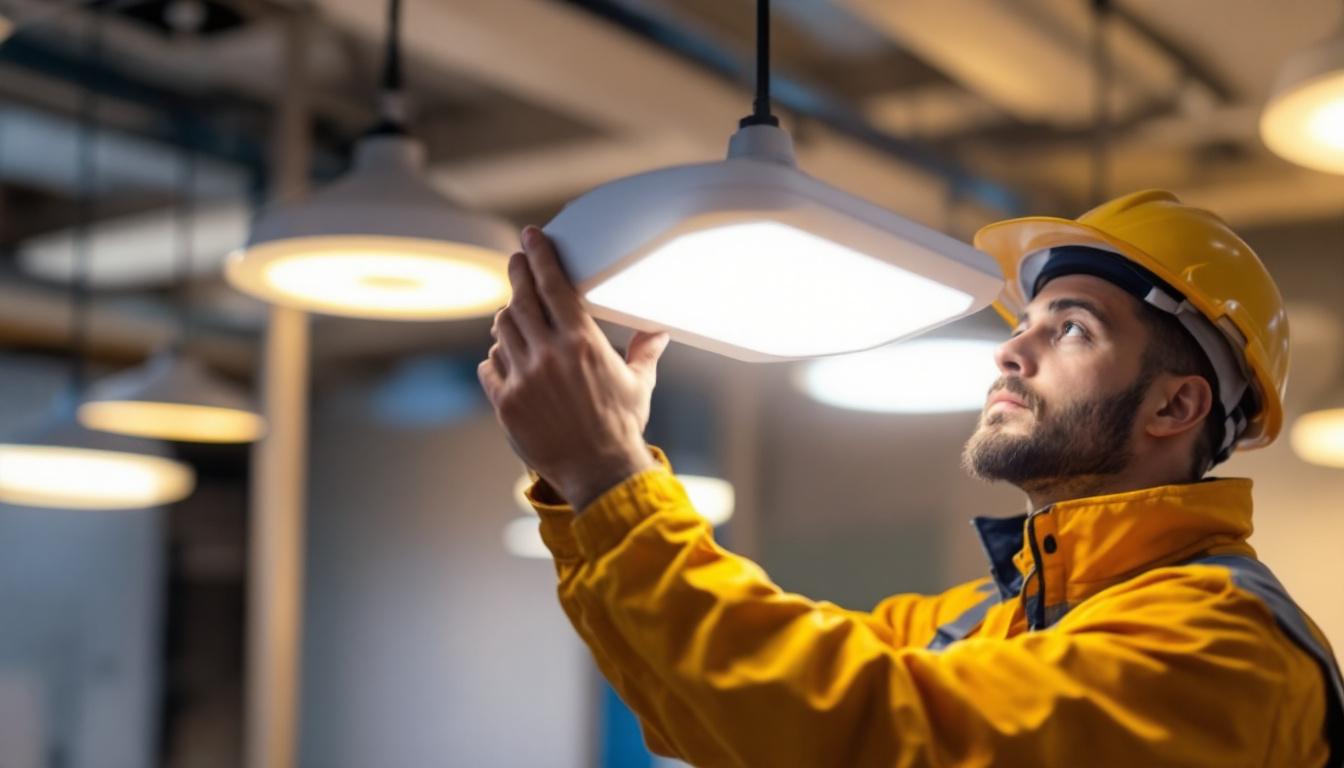
Indoor emergency lighting plays a critical role in ensuring safety and compliance within commercial, industrial, and residential buildings. For lighting contractors, mastering the installation, maintenance, and upgrading of these systems is not only a technical challenge but also a significant business opportunity. Emergency lighting systems provide illumination during power outages or emergencies, guiding occupants safely to exits and reducing the risk of injury or panic.
Building codes and safety regulations, such as those outlined by the National Fire Protection Association (NFPA) and the International Building Code (IBC), mandate the presence of emergency lighting in many types of structures. Failure to comply can lead to costly fines, legal liabilities, and reputational damage for building owners and contractors alike. Therefore, understanding the nuances of indoor emergency lighting is essential for contractors aiming to deliver reliable, code-compliant solutions that enhance occupant safety.
Moreover, the technology behind emergency lighting has evolved significantly in recent years. Modern systems often incorporate LED technology, which not only provides brighter illumination but also consumes less energy and has a longer lifespan compared to traditional incandescent bulbs. This shift not only benefits the environment but also reduces operational costs for building owners. Additionally, smart emergency lighting systems can now be integrated with building management systems, allowing for real-time monitoring and diagnostics, ensuring that the lights are always operational when needed. This technological advancement presents an exciting avenue for contractors to offer cutting-edge solutions that meet the growing demand for energy efficiency and sustainability in building design.
Furthermore, the importance of regular maintenance and testing of emergency lighting systems cannot be overstated. Many jurisdictions require routine inspections to ensure that these systems are functioning properly and will activate in an emergency. This creates a recurring business opportunity for contractors, who can offer maintenance contracts to building owners. By providing thorough inspections, testing, and timely repairs, contractors not only help ensure compliance with regulations but also foster trust and long-term relationships with their clients. In an era where safety is paramount, having a reliable emergency lighting system can be a distinguishing factor for a building’s reputation and operational integrity.
Key Components and Types of Indoor Emergency Lighting
Essential Components
Indoor emergency lighting systems typically consist of three main components: the light source, the power supply, and the control mechanism. The light source can be LED, fluorescent, or incandescent, with LED technology becoming the industry standard due to its energy efficiency, longevity, and low maintenance requirements. LEDs not only consume less energy but also provide brighter illumination, which is crucial during emergencies when visibility is paramount. Their compact size allows for versatile installation options, making them ideal for various architectural designs.
The power supply often includes a dedicated battery backup or an integrated inverter system that ensures continuous operation during power failures. This backup system is vital, as it guarantees that emergency lighting remains functional even in the event of a total power outage. Control mechanisms may involve automatic testing features, manual overrides, and integration with building management systems to streamline maintenance and compliance reporting. Advanced systems can even send alerts to facility managers, notifying them of any malfunctions or the need for battery replacements, thereby enhancing overall safety and reliability.
Types of Emergency Lights
Lighting contractors should be familiar with the various types of indoor emergency lighting to recommend the most appropriate solution for each project:
- Exit Signs: Clearly marked, illuminated signs that indicate exit routes. These are mandatory in virtually all commercial buildings. They often feature photoluminescent materials that glow in the dark, ensuring visibility even in low-light conditions.
- Emergency Egress Lighting: Provides general illumination along exit paths, stairwells, corridors, and other critical areas. This type of lighting is essential for guiding occupants safely out of a building during an emergency, especially in complex layouts where confusion can easily arise.
- Standby Lighting: Supports normal lighting levels during outages, often used in high-occupancy or high-risk environments. This type of lighting helps maintain a sense of normalcy and safety, allowing individuals to navigate spaces without panic.
Each type serves a specific purpose, and understanding their applications helps contractors design comprehensive emergency lighting strategies that meet client needs and regulatory requirements. Additionally, the integration of smart technology into these systems is becoming increasingly popular. For instance, some emergency lighting solutions now come equipped with sensors that can detect smoke or heat, automatically activating the lights to guide occupants to safety. This proactive approach not only enhances safety but also aligns with modern building codes and standards that prioritize occupant protection.
Regulatory Compliance and Standards
Adhering to Codes and Guidelines
Compliance with national and local codes is non-negotiable for lighting contractors working with indoor emergency lighting systems. The NFPA 101 Life Safety Code and the IBC provide detailed specifications on illumination levels, placement, duration of operation, and testing protocols. For example, emergency lighting must typically provide at least 1 foot-candle (10.8 lux) of illumination along exit routes for a minimum of 90 minutes during an outage.
Contractors must stay current with code updates and regional amendments, as these can vary significantly by jurisdiction. Partnering with code officials and participating in continuing education programs can help contractors maintain compliance and avoid costly rework or penalties.
Testing and Maintenance Requirements
Regular testing and maintenance are essential to ensure emergency lighting systems function correctly when needed. Most codes require monthly functional tests and annual full-duration tests to verify battery capacity and system reliability. Lighting contractors can offer maintenance contracts to clients, providing routine inspections, battery replacements, and system upgrades.
Implementing automated testing systems that log results electronically can streamline compliance documentation and reduce labor costs. This proactive approach not only enhances safety but also builds trust and long-term relationships with clients.
Technological Innovations and Trends
Advancements in LED Emergency Lighting
LED technology has revolutionized indoor emergency lighting by offering superior energy efficiency, longer lifespan, and improved light quality compared to traditional lighting sources. Modern LED emergency fixtures consume up to 80% less energy and can operate maintenance-free for years, significantly reducing operational costs for building owners.
Additionally, LEDs offer design flexibility, enabling contractors to install low-profile, aesthetically pleasing fixtures that blend seamlessly with interior décor. This is particularly important in commercial and hospitality environments where visual appeal is a priority.
Smart Emergency Lighting Systems
The integration of smart technology into emergency lighting is transforming how contractors approach system design and maintenance. Smart systems can self-test, report faults remotely, and integrate with building automation platforms to provide real-time status updates. This connectivity allows for predictive maintenance, minimizing downtime and ensuring readiness.
For contractors, offering smart emergency lighting solutions can differentiate their services and provide added value to clients seeking modern, efficient safety systems.
Maximizing Business Success as a Lighting Contractor
Building Expertise and Credibility
To maximize success, lighting contractors must develop deep expertise in emergency lighting codes, technologies, and best practices. Obtaining certifications from recognized industry organizations, such as the National Institute for Certification in Engineering Technologies (NICET) or the Illuminating Engineering Society (IES), can enhance credibility and open doors to larger, more complex projects.
Staying informed through trade publications, industry conferences, and manufacturer training programs ensures contractors remain at the forefront of technological and regulatory developments.
Effective Client Communication and Education
Clients often lack detailed knowledge about emergency lighting requirements and benefits. Contractors who take the time to educate clients on the importance of compliance, system reliability, and maintenance can build trust and foster long-term partnerships. Providing clear proposals, transparent pricing, and comprehensive maintenance plans helps clients make informed decisions and positions contractors as trusted advisors.
Leveraging Technology for Efficiency
Adopting project management software, digital inspection tools, and automated testing systems can significantly improve operational efficiency. These technologies reduce administrative burdens, enhance accuracy, and enable contractors to deliver projects on time and within budget.
Moreover, leveraging online marketing and customer relationship management (CRM) platforms can help contractors expand their client base and maintain strong post-installation relationships.
Challenges and Solutions in Emergency Lighting Projects
Common Installation Challenges
Lighting contractors frequently encounter challenges such as limited access to installation sites, outdated electrical infrastructure, and tight project timelines. Navigating these obstacles requires careful planning, coordination with other trades, and flexible problem-solving skills.
For instance, retrofitting emergency lighting in older buildings may necessitate upgrading wiring or installing additional power sources. Contractors who anticipate these needs and communicate them clearly to clients can avoid costly delays and change orders.
Ensuring System Reliability Under Stress
Emergency lighting systems must perform flawlessly during crises, yet environmental factors like temperature fluctuations, humidity, and dust can affect performance. Selecting high-quality components rated for the specific installation environment and adhering to manufacturer guidelines helps ensure reliability.
Regular maintenance and testing further mitigate risks, allowing contractors to identify and address potential issues before emergencies occur.
Conclusion: Positioning for Long-Term Success
Indoor emergency lighting is a vital component of building safety, and lighting contractors who excel in this niche can significantly enhance their market position. By understanding regulatory requirements, embracing technological advancements, and prioritizing client education and maintenance, contractors can deliver superior solutions that protect lives and property.
Investing in expertise, leveraging innovative tools, and fostering strong client relationships are key strategies for maximizing success in the competitive field of emergency lighting. As safety standards evolve and technology advances, contractors who remain adaptable and proactive will continue to thrive and contribute meaningfully to safer built environments.
Get Your Emergency Lighting Supplies at LumenWholesale
Ready to elevate your emergency lighting installations with products that blend quality, affordability, and convenience? Look no further than LumenWholesale. We provide lighting contractors with an extensive selection of top-quality, spec-grade emergency lighting products at unbeatable wholesale prices. Say goodbye to inflated markups and hello to reliable, high-performance lighting that meets the highest industry standards. Plus, with free shipping on bulk orders, you can stock up on premium lighting solutions without worrying about hidden fees or compromises. Take the next step towards successful project completion and Wholesale Lighting at the Best Value with LumenWholesale.