Understanding Fluorescent Bulbs: A Comprehensive Definition
Fluorescent bulbs have been a cornerstone in commercial and residential lighting for decades, offering energy-efficient alternatives to traditional incandescent bulbs. For lighting contractors, a thorough understanding of fluorescent bulb technology is essential not only for installation but also for advising clients on the best lighting solutions.
At its core, a fluorescent bulb is a type of gas-discharge lamp that produces visible light by passing an electric current through mercury vapor. This process generates ultraviolet (UV) light, which then excites a phosphor coating on the inside of the bulb, emitting visible light. This mechanism distinguishes fluorescent bulbs from incandescent bulbs, which rely on heating a filament to produce light.
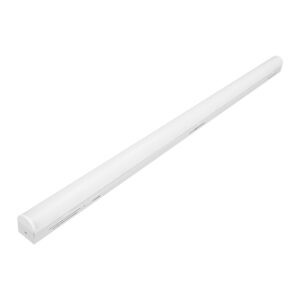
Fluorescent bulbs come in various shapes and sizes, including linear tubes, compact fluorescent lamps (CFLs), and circular designs. Each type serves different applications, from office lighting to retail spaces and industrial environments. Understanding these variations is critical for lighting contractors tasked with selecting and installing the appropriate fixtures.
In addition to their energy efficiency, fluorescent bulbs are known for their longevity, often lasting up to 10 times longer than incandescent bulbs. This durability not only reduces the frequency of replacements but also contributes to lower maintenance costs over time. Furthermore, advancements in fluorescent technology have led to the development of high-efficiency models that provide improved lumen output while consuming even less energy. These innovations make fluorescent bulbs an increasingly attractive option for environmentally conscious consumers and businesses alike.
Moreover, the versatility of fluorescent lighting extends beyond mere illumination. With the ability to produce a range of color temperatures, from warm white to cool daylight, these bulbs can significantly influence the ambiance of a space. For instance, cooler tones are often preferred in work environments to enhance focus and productivity, while warmer tones can create a more inviting atmosphere in homes and hospitality settings. Lighting contractors must consider these factors when recommending fluorescent solutions, ensuring that the chosen bulbs not only meet functional requirements but also align with the aesthetic goals of their clients.
The Science Behind Fluorescent Lighting
How Fluorescent Bulbs Generate Light
The operation of fluorescent bulbs involves several key components: the glass tube filled with low-pressure mercury vapor, electrodes at each end, and the phosphor coating inside the tube. When electrical current flows through the electrodes, it ionizes the mercury vapor, producing UV light. This UV light is invisible to the human eye but excites the phosphor coating, which fluoresces to emit visible light.
This process is significantly more energy-efficient than incandescent lighting because it converts a higher percentage of electrical energy into visible light rather than heat. For lighting contractors, this means recommending fluorescent solutions can help clients reduce energy consumption and operational costs. Additionally, the longevity of fluorescent bulbs, often lasting up to 10,000 hours or more, further enhances their appeal. This durability not only minimizes replacement frequency but also contributes to lower waste and a reduced environmental footprint, making them a more sustainable choice for both residential and commercial applications.
Types of Phosphor Coatings and Their Impact
The color temperature and quality of light emitted by fluorescent bulbs depend heavily on the phosphor coating used. Modern fluorescent lamps utilize tri-phosphor coatings, which combine three different phosphors to produce a more natural and consistent light spectrum. This advancement has improved color rendering indices (CRI), making fluorescent lighting suitable for environments where accurate color perception is important, such as retail and healthcare settings.
Moreover, the choice of phosphor can also influence the energy efficiency of the bulb. Some coatings are designed to maximize brightness while minimizing energy consumption, leading to innovations such as high-output fluorescent lamps that are particularly beneficial in large spaces like warehouses or gymnasiums. Furthermore, the development of specialty phosphors allows for the creation of colored fluorescent lights, which can enhance ambiance and mood in various settings, from vibrant art studios to tranquil wellness centers. As technology continues to evolve, the potential for customized lighting solutions using fluorescent technology remains a fascinating area of exploration for both manufacturers and consumers alike.
Advantages of Fluorescent Bulbs for Lighting Contractors
Energy Efficiency and Cost Savings
One of the primary reasons fluorescent bulbs remain popular among lighting contractors is their superior energy efficiency compared to incandescent bulbs. Fluorescent lamps typically use 25% to 35% of the energy required by incandescent bulbs to produce the same amount of light. This efficiency translates into significant cost savings for clients, especially in commercial and industrial applications where lighting operates for extended periods.
Moreover, fluorescent bulbs have a longer lifespan, often lasting 7,000 to 15,000 hours, which reduces maintenance frequency and labor costs. For lighting contractors managing large-scale projects, these factors contribute to more attractive proposals and satisfied clients. The reduced energy consumption also aligns with sustainability goals, making it easier for businesses to meet environmental regulations and corporate responsibility initiatives. As energy costs continue to rise, the financial benefits of using fluorescent lighting become even more pronounced, allowing contractors to present a compelling case for their adoption.
Versatility in Applications
Fluorescent bulbs are highly versatile and can be adapted to a wide range of lighting needs. From linear tubes in office ceilings to compact fluorescent lamps in residential fixtures, their adaptability makes them a reliable choice for diverse environments. Additionally, fluorescent lighting is available in various color temperatures, from warm white to daylight, allowing contractors to tailor lighting schemes to specific client preferences and functional requirements.
This versatility extends beyond just the types of fixtures; fluorescent bulbs can also be integrated with advanced lighting controls, such as dimmers and occupancy sensors, enhancing their functionality and energy-saving capabilities. In settings like retail spaces, the ability to adjust lighting levels can create dynamic atmospheres that attract customers and enhance product displays. Furthermore, the option for different shapes and sizes means that contractors can find the perfect fit for any installation, ensuring that aesthetic considerations are met without sacrificing performance. As technology advances, the integration of fluorescent lighting with smart systems will only increase, providing even more opportunities for contractors to innovate and deliver value to their clients.
Challenges and Considerations When Working with Fluorescent Bulbs
Environmental and Safety Concerns
While fluorescent bulbs offer many benefits, lighting contractors must be aware of their environmental impact. The presence of mercury, a toxic heavy metal, requires careful handling and disposal. Contractors should educate clients about proper recycling programs and ensure that used bulbs are disposed of in compliance with local regulations to minimize environmental harm.
Compatibility with Fixtures and Ballasts
Fluorescent bulbs require compatible ballasts to regulate the electrical current and ensure proper operation. There are magnetic and electronic ballasts, each with distinct characteristics. Electronic ballasts are more energy-efficient, quieter, and produce less flicker, but may not be compatible with older fixtures. Lighting contractors must assess existing infrastructure and select appropriate ballasts to optimize performance and client satisfaction.
Light Quality and Flicker Issues
Some fluorescent bulbs, particularly those with magnetic ballasts, can exhibit flickering or humming, which may cause discomfort or headaches in sensitive individuals. Modern electronic ballasts have largely mitigated these issues. Lighting contractors should prioritize high-quality components and test installations to ensure a comfortable lighting environment.
Fluorescent Bulbs in the Era of LED Competition
Comparing Fluorescent and LED Technologies
In recent years, LED lighting has emerged as a formidable competitor to fluorescent bulbs, offering even greater energy efficiency, longer lifespans, and improved environmental profiles. Despite this, fluorescent lighting remains relevant in many applications due to lower upfront costs and compatibility with existing fixtures.
Lighting contractors must weigh the benefits and drawbacks of both technologies when advising clients. For example, in retrofit projects where replacing entire fixtures is cost-prohibitive, fluorescent bulbs may still be the preferred choice. Conversely, new installations or upgrades might favor LEDs for their superior performance and reduced maintenance.
Hybrid Solutions and Transition Strategies
Some contractors adopt hybrid approaches, combining fluorescent and LED lighting to balance cost and performance. For instance, integrating LED task lighting with fluorescent ambient lighting can optimize energy use and enhance visual comfort. Additionally, contractors can plan phased transitions, gradually replacing fluorescent bulbs with LED alternatives as budgets and client preferences allow.
Best Practices for Lighting Contractors Handling Fluorescent Bulbs
Installation and Maintenance Tips
Proper installation is crucial for maximizing the lifespan and performance of fluorescent bulbs. Contractors should ensure that ballasts are compatible and functioning correctly, and that bulbs are securely seated in sockets to prevent flicker or intermittent operation.
Regular maintenance, including cleaning fixtures and replacing aging bulbs and ballasts, helps maintain optimal light output and energy efficiency. Contractors should educate clients on maintenance schedules and potential signs of failure, such as dimming or flickering.
Client Education and Communication
Effective communication with clients about the benefits, limitations, and environmental considerations of fluorescent lighting fosters trust and informed decision-making. Providing clear information on energy savings, expected lifespan, and disposal requirements helps clients appreciate the value of fluorescent solutions.
Furthermore, discussing emerging alternatives like LED lighting prepares clients for future upgrades, positioning contractors as knowledgeable advisors rather than mere installers.
Conclusion: Fluorescent Bulbs as a Vital Component in Lighting Solutions
Fluorescent bulbs continue to play a significant role in the lighting industry, offering energy-efficient, versatile, and cost-effective solutions for a variety of applications. For lighting contractors, mastering the technical aspects, environmental considerations, and practical installation techniques of fluorescent lighting is essential to delivering high-quality service and solutions.
While LED technology is reshaping the lighting landscape, fluorescent bulbs remain a viable option in many scenarios, particularly where budget constraints or existing infrastructure dictate. By staying informed about advancements and best practices, lighting contractors can confidently incorporate fluorescent lighting into their projects, ensuring client satisfaction and sustainable outcomes.
Illuminate Your Projects with LumenWholesale
Ready to enhance your lighting solutions with the efficiency and versatility of fluorescent bulbs? At LumenWholesale, we provide lighting contractors with the highest quality, spec-grade lighting products at exceptional wholesale prices. Say goodbye to local distributor markups and hello to our premium selection that meets rigorous industry standards. With free shipping on bulk orders, LumenWholesale is your go-to source for reliable lighting that won’t break the bank. Elevate your lighting projects today and experience unparalleled value and convenience. Wholesale Lighting at the Best Value is just a click away.