Understanding the Importance of Patio Lighting
Outdoor living spaces have become an essential extension of the home, with patios serving as a focal point for relaxation, entertainment, and social gatherings. For lighting contractors, designing and installing patio lighting goes beyond mere illumination—it’s about creating ambiance, enhancing safety, and increasing the functional use of the space after dark.
Properly executed patio lighting not only elevates the aesthetic appeal but also adds value to the property. Studies have shown that well-lit outdoor areas can increase property value by up to 10%, making lighting an investment that benefits homeowners both immediately and in the long term.
For contractors, understanding the unique challenges and opportunities that come with patio lighting installations is critical. This includes knowledge of suitable fixtures, wiring considerations, energy efficiency, and compliance with local codes.
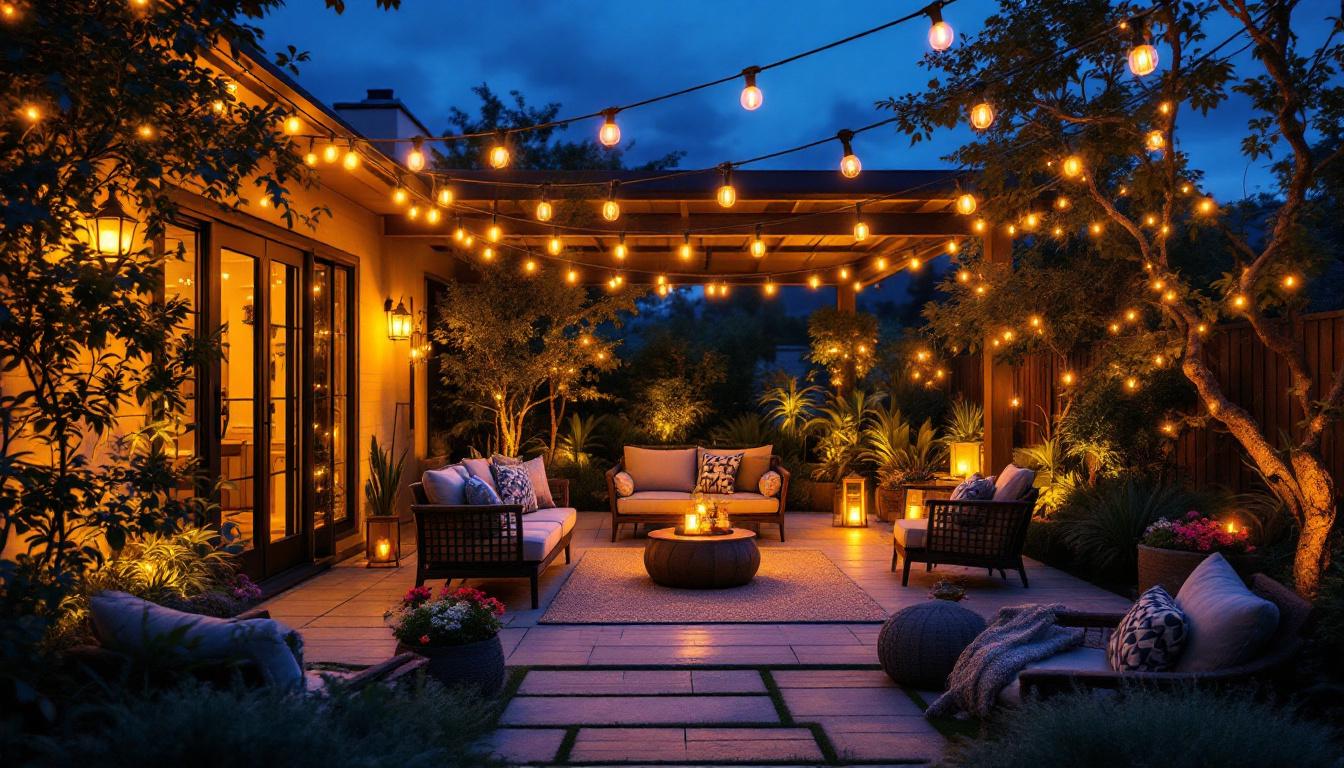
Moreover, the choice of lighting can significantly influence the atmosphere of the patio. Soft, warm lights can create an inviting and cozy environment, perfect for intimate gatherings or family dinners, while brighter, cooler lights can energize the space for lively parties or events. Incorporating a mix of lighting types, such as string lights, lanterns, and spotlights, allows for versatility and creativity in design, catering to different moods and occasions.
Additionally, the strategic placement of lighting fixtures plays a crucial role in enhancing safety and functionality. Pathway lights can illuminate walkways, reducing the risk of trips and falls, while accent lights can highlight landscaping features or architectural elements, guiding guests through the space. Integrating smart lighting solutions can also provide homeowners with the ability to control their outdoor ambiance remotely, adjusting brightness and color to suit their preferences or the time of day, further enhancing the usability of the patio throughout the year.
Common Questions Lighting Contractors Face About Patio Lighting
What Types of Lighting Are Best for Patios?
Lighting contractors are often asked which types of lighting are most effective and appropriate for patios. The answer depends on several factors including the size of the patio, its layout, the desired ambiance, and the homeowner’s preferences.
Typically, a combination of ambient, task, and accent lighting yields the best results. Ambient lighting provides overall illumination, often achieved through string lights, wall-mounted sconces, or overhead fixtures. Task lighting focuses on specific functional areas such as dining tables or cooking stations, using fixtures like pendant lights or adjustable spotlights. Accent lighting highlights architectural features, plants, or pathways, often utilizing low-voltage LED spotlights or uplights.
Energy-efficient LED fixtures are increasingly preferred due to their longevity, low heat emission, and reduced energy consumption. Additionally, contractors need to consider weather-resistant and durable materials to withstand outdoor conditions. For instance, stainless steel or treated wood fixtures can enhance both the aesthetic appeal and durability, ensuring that the lighting remains functional and attractive through varying weather conditions.
Moreover, the choice of color temperature can significantly influence the atmosphere of a patio. Warmer tones create a cozy and inviting environment, ideal for evening gatherings, while cooler tones can lend a more modern and vibrant feel. This consideration allows homeowners to personalize their outdoor space, making it a true extension of their living area.
How Should Lighting Contractors Address Electrical Safety and Code Compliance?
Electrical safety is paramount in outdoor lighting installations. Lighting contractors must ensure all wiring and fixtures comply with the National Electrical Code (NEC) and local regulations. This includes using outdoor-rated cables, GFCI (Ground Fault Circuit Interrupter) outlets, and appropriate circuit breakers.
One common question relates to the depth and protection of underground wiring. NEC guidelines typically require wiring to be buried at least 18 inches deep or protected by conduit to prevent damage from gardening tools or weather conditions. Contractors should also verify the voltage requirements and ensure that transformers and power supplies are installed in weatherproof enclosures.
Proper grounding and bonding of metal fixtures and enclosures are essential to prevent electrical hazards. Lighting contractors should also educate homeowners on the importance of routine inspections and maintenance to identify wear or damage early. This proactive approach not only enhances safety but also extends the lifespan of the lighting system. Additionally, contractors can recommend using surge protectors to safeguard against power surges caused by lightning or other electrical disturbances, further ensuring the longevity and reliability of the installation.
What Are the Best Practices for Energy Efficiency in Patio Lighting?
Energy efficiency is a critical consideration for both contractors and homeowners, especially as utility costs rise and environmental awareness grows. Lighting contractors are frequently asked how to balance brightness, ambiance, and energy consumption.
LED technology has revolutionized outdoor lighting by offering high brightness with minimal energy use. Additionally, integrating smart controls such as timers, dimmers, and motion sensors can significantly reduce unnecessary energy consumption. For example, motion-activated lights provide illumination only when needed, which is ideal for security purposes without wasting electricity.
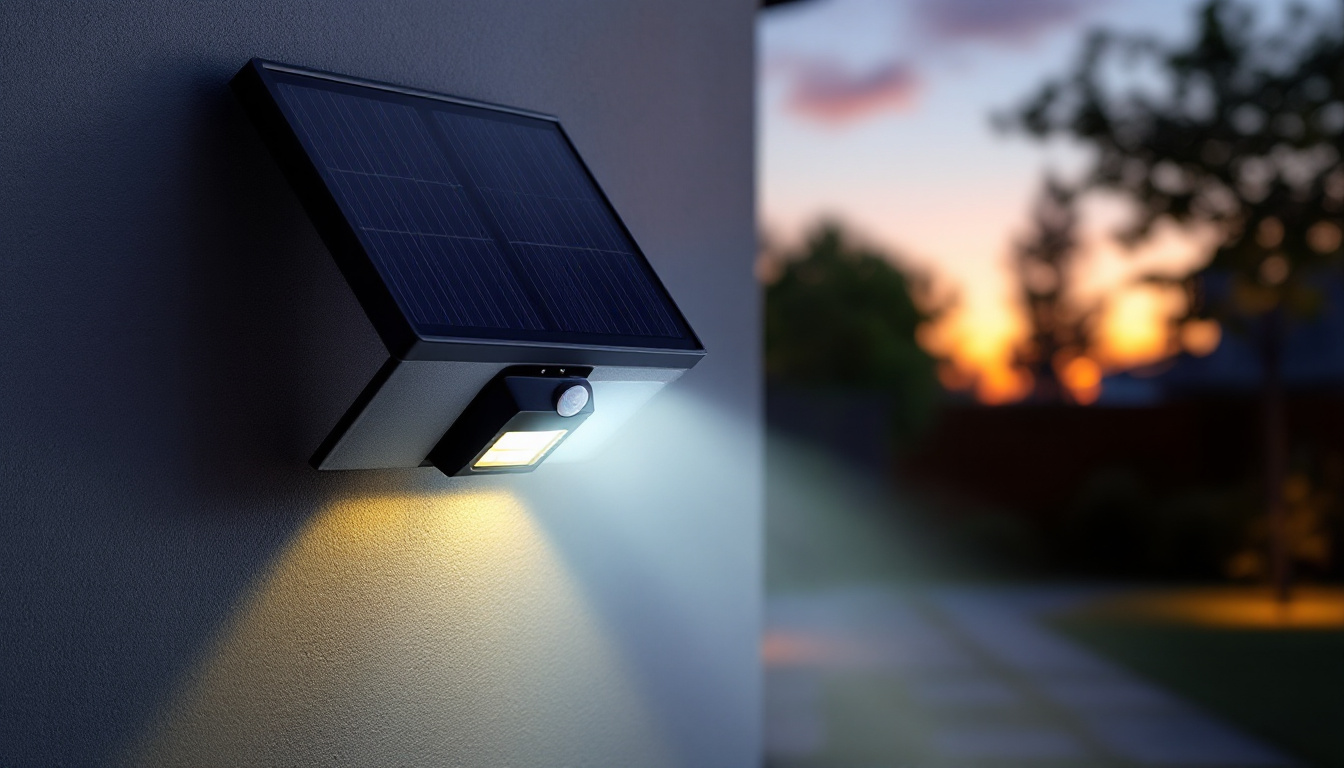
Solar-powered lighting is another option gaining popularity, especially for areas where running electrical wiring is impractical or costly. While solar lights have improved in brightness and reliability, contractors should assess site-specific factors like sunlight exposure before recommending this option. Furthermore, advancements in solar technology have led to products that can store energy for use during cloudy days or at night, making them a more versatile choice for homeowners looking to minimize their carbon footprint.
In addition to these technologies, the strategic placement of lighting fixtures can also contribute to energy efficiency. By utilizing natural light during the day and ensuring that artificial lights are only used when necessary, homeowners can create a sustainable outdoor environment. For instance, placing lights in areas where they can reflect off surfaces or be shielded by landscaping can enhance visibility while reducing the number of fixtures needed, thus conserving energy.
Design Considerations and Installation Challenges
How Can Lighting Contractors Create a Cohesive Lighting Design?
Creating a cohesive lighting design for patios involves balancing functionality with aesthetic appeal. Contractors should begin by assessing the space’s layout, architectural style, and the homeowner’s lifestyle needs.
Layering light is a proven strategy—combining different types of fixtures and light temperatures to create depth and interest. For instance, warm white lights (2700K to 3000K) tend to create a welcoming and cozy atmosphere, while cooler lights (4000K and above) are better suited for task-oriented areas.
Contractors should also consider the interplay between natural and artificial light, maximizing the use of existing features such as pergolas or trees to mount fixtures or hide wiring. Incorporating dimmable lighting allows users to adjust brightness according to the occasion, enhancing versatility.
What Are Common Installation Challenges and How to Overcome Them?
Lighting contractors often encounter challenges such as uneven terrain, limited power access, and weather exposure during patio lighting installations. Navigating these issues requires careful planning and problem-solving skills.
Uneven or sloped patios may require adjustable fixtures or creative mounting solutions to ensure even light distribution. When power access is limited, contractors might need to install new circuits or use low-voltage lighting systems that can run longer distances from the power source.
Weather exposure demands the use of fixtures rated for outdoor use, with appropriate IP (Ingress Protection) ratings to resist moisture and dust. Additionally, contractors should use corrosion-resistant materials such as stainless steel or powder-coated aluminum to extend fixture lifespan.
Maintenance and Upgrading Patio Lighting Systems
How Should Contractors Advise Homeowners on Patio Lighting Maintenance?
Maintenance is often overlooked but is essential to keep patio lighting systems functioning optimally and safely. Lighting contractors should provide homeowners with clear guidance on routine upkeep.
Regular cleaning of fixtures to remove dirt, debris, and insect buildup helps maintain brightness and appearance. Inspecting wiring and connections annually can prevent electrical hazards and extend the life of the system.
Contractors should also recommend replacing bulbs or LED modules as needed and checking for signs of water ingress or corrosion. Providing a maintenance checklist or scheduling periodic professional inspections can enhance customer satisfaction and system longevity.
When Is It Time to Upgrade or Retrofit Patio Lighting?
As lighting technology evolves rapidly, many homeowners seek to upgrade their patio lighting to improve efficiency, aesthetics, or functionality. Contractors are often asked when an upgrade is advisable.
Signs that an upgrade might be necessary include frequent bulb failures, outdated fixtures that do not meet current safety standards, or a desire for enhanced control options such as smart lighting integration. Retrofitting older systems with LED fixtures can significantly reduce energy costs and maintenance requirements.
Additionally, upgrading to smart lighting systems that allow remote control, scheduling, and color tuning can add value and convenience. Contractors should evaluate the existing infrastructure and recommend solutions that minimize disruption while maximizing benefits.
Trends and Innovations in Patio Lighting
What Are Current Trends Lighting Contractors Should Know?
The outdoor lighting industry is continuously evolving, with new trends shaping how patios are illuminated. Contractors who stay informed about these trends can offer clients cutting-edge solutions that enhance satisfaction and differentiate their services.
One notable trend is the integration of smart home technology with outdoor lighting. Voice-activated controls, smartphone apps, and automation routines enable homeowners to customize their patio lighting effortlessly.
Another trend is the use of sustainable materials and solar-powered fixtures, reflecting growing environmental consciousness. Additionally, minimalist and sleek fixture designs are gaining popularity, complementing modern architectural styles.
How Are Innovations Impacting Installation and Design?
Innovations such as wireless lighting systems reduce the complexity of installation by eliminating the need for extensive wiring. This not only speeds up the process but also opens up new design possibilities.
Advancements in LED technology have led to fixtures with adjustable color temperatures and intensities, allowing contractors to tailor lighting schemes precisely to client preferences. Furthermore, developments in battery technology have improved the reliability and brightness of solar-powered options.
These innovations require contractors to continually update their skills and product knowledge to provide the best recommendations and installations.
Conclusion
Patio lighting is a multifaceted discipline that combines technical expertise, design sensibility, and a thorough understanding of safety standards. Lighting contractors play a crucial role in transforming outdoor spaces into inviting, functional, and beautiful areas that homeowners can enjoy day and night.
By addressing common questions related to fixture selection, electrical safety, energy efficiency, design challenges, maintenance, and emerging trends, contractors can deliver superior service and build lasting client relationships. Staying informed and adaptable ensures that patio lighting projects not only meet but exceed expectations, enhancing both the outdoor environment and the contractor’s professional reputation.
Illuminate Your Projects with LumenWholesale
Ready to elevate your patio lighting projects with the finest selection of spec-grade fixtures? Look no further than LumenWholesale for all your lighting needs. Our commitment to quality, affordability, and convenience ensures that you can provide your clients with the best value in outdoor lighting. Take advantage of our wholesale prices, free shipping, and exceptional product range to create stunning, safe, and energy-efficient patio environments. Transform your next lighting project with LumenWholesale, where premium lighting meets unbeatable value.