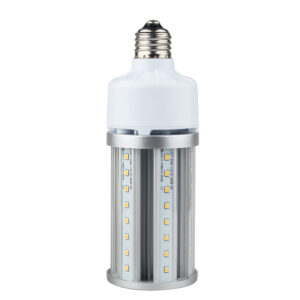
Introduction to Mounted LED Lights
Mounted LED lights have revolutionized the lighting industry, offering unparalleled efficiency, durability, and design flexibility. For lighting contractors, understanding the nuances of these fixtures is essential to delivering high-quality installations that meet client expectations while optimizing energy consumption and maintenance costs.
LED technology has matured significantly, making mounted LED lights a preferred choice across commercial, industrial, and residential projects. Their compact size, directional lighting capabilities, and long lifespan contribute to their growing dominance in the market.
One of the standout features of mounted LED lights is their energy efficiency. Compared to traditional incandescent and fluorescent lighting, LEDs consume significantly less power, often translating to a reduction in energy bills for both businesses and homeowners. This efficiency is particularly beneficial in large-scale installations, where the cumulative savings can be substantial. Additionally, many municipalities offer incentives for using energy-efficient lighting, further encouraging the shift towards LEDs. As energy costs continue to rise, the demand for solutions that provide both cost savings and environmental benefits will likely increase.
Moreover, the versatility of mounted LED lights allows for a wide range of applications, from accent lighting in residential spaces to robust illumination in warehouses and factories. Their ability to produce various color temperatures means that they can be tailored to create the desired ambiance in any setting. For instance, warmer tones can enhance the coziness of a home, while cooler tones can promote focus and productivity in office environments. Furthermore, advancements in smart technology have enabled the integration of LED lights with home automation systems, allowing users to control brightness and color remotely, thus enhancing convenience and personalization in lighting design.
Types of Mounted LED Lights and Their Applications
Surface-Mounted LED Fixtures
Surface-mounted LED lights attach directly to ceilings or walls, making them ideal for spaces where recessed lighting is impractical. These fixtures provide broad illumination and are commonly used in offices, retail environments, and corridors. Their ease of installation and maintenance makes them a practical choice for contractors working on retrofit projects.
Additionally, surface-mounted options come in various shapes and sizes, allowing contractors to tailor lighting solutions to specific aesthetic and functional requirements. For instance, circular or square designs can complement contemporary interiors, while vintage-inspired fixtures can add character to more traditional spaces. Furthermore, many surface-mounted LED lights are available with adjustable color temperatures, enabling users to create different atmospheres depending on the time of day or specific activities, such as warm tones for relaxation or cooler tones for productivity.
Recessed Mounted LED Lights
Recessed LED fixtures are installed flush with the mounting surface, offering a sleek, unobtrusive look. These are especially popular in modern architectural designs where clean lines and minimalism are prioritized. Lighting contractors often specify recessed LEDs in residential kitchens, conference rooms, and hospitality settings to create ambient or task lighting.
Due to their integration into ceilings or walls, recessed LEDs require precise planning and installation, including considerations for ceiling depth and insulation compatibility. Moreover, the use of dimmable options can enhance their versatility, allowing users to adjust the brightness according to the occasion, whether it’s a lively dinner party or a quiet movie night. The trend toward smart home technology has also led to the development of recessed fixtures that can be controlled via smartphone apps or voice commands, providing an added layer of convenience and customization.
Track and Rail Mounted LED Systems
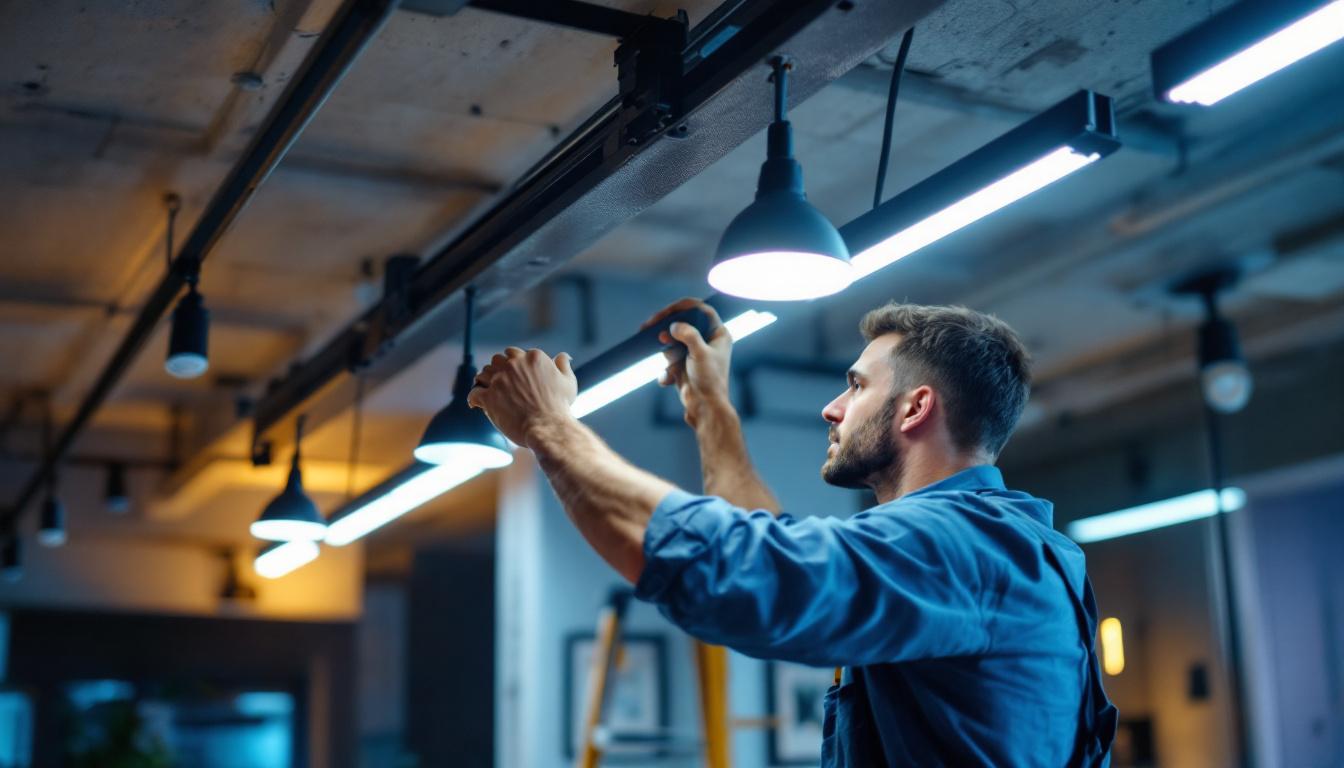
Track-mounted LED lights provide flexibility in directing light where it is needed most. These systems are widely used in galleries, retail stores, and commercial spaces where adjustable lighting enhances product displays or architectural features. Lighting contractors benefit from the modularity of track systems, which allow for easy repositioning and expansion without rewiring.
In addition to their practical applications, track-mounted systems can also serve as a design element in a space. With a variety of finishes and styles available, they can seamlessly blend into the overall decor or stand out as a statement piece. Some advanced track systems even incorporate smart technology, enabling users to control individual fixtures or groups of lights through an app, providing not only convenience but also energy efficiency. This adaptability makes track-mounted LED systems an excellent choice for dynamic environments where lighting needs may change frequently, such as in pop-up shops or exhibition spaces.
Key Considerations for Lighting Contractors
Energy Efficiency and Cost Savings
One of the primary advantages of mounted LED lights is their energy efficiency. LEDs consume significantly less power compared to traditional incandescent or fluorescent fixtures, often reducing energy usage by up to 75%. For contractors, this translates into value-added benefits for clients, including lower utility bills and compliance with increasingly stringent energy codes.
Moreover, many regions offer incentives and rebates for installing energy-efficient lighting, which contractors can leverage to enhance project appeal and reduce upfront costs. These financial incentives can vary widely, from tax credits to direct rebates, and staying informed about local programs can provide contractors with a competitive edge. Additionally, the long-term savings associated with reduced energy consumption often lead to a shorter payback period for clients, making LED installations an attractive investment.
Light Quality and Color Rendering
Lighting contractors must evaluate the color rendering index (CRI) and correlated color temperature (CCT) of LED fixtures to ensure appropriate light quality for each application. High CRI LEDs (above 80) are essential in environments where accurate color perception is critical, such as retail spaces, healthcare facilities, and art galleries.
CCT selection influences ambiance; warmer tones create inviting atmospheres, while cooler whites support focus and productivity. Understanding client needs and space function helps contractors specify the right LED characteristics. For instance, in a restaurant setting, a warm CCT can enhance the dining experience, while in an office, a cooler tone may boost employee efficiency. Furthermore, the ability to adjust CCT through tunable white technology allows for dynamic lighting solutions that can adapt to different times of day or activities, providing even greater versatility in design.
Installation Challenges and Solutions
Installing mounted LED lights involves assessing structural compatibility, wiring infrastructure, and environmental factors. Contractors must verify that mounting surfaces can support fixture weight and that electrical systems accommodate LED drivers and dimming controls.
In retrofit scenarios, challenges include working within existing ceiling cavities and minimizing disruption to occupants. Solutions such as low-profile fixtures, wireless controls, and plug-and-play modules simplify installation and enhance flexibility. Additionally, utilizing modular lighting systems can allow for easier upgrades and replacements in the future, ensuring that the lighting remains relevant as design trends and technology evolve. Effective project management and clear communication with clients about potential challenges can also foster a smoother installation process.
Maintenance and Longevity
LEDs boast lifespans exceeding 50,000 hours, significantly reducing maintenance frequency compared to traditional lighting. However, contractors should educate clients on proper maintenance practices, including cleaning and occasional driver replacement, to maximize fixture longevity.
Choosing quality components and reputable manufacturers also minimizes failure rates and warranty claims, safeguarding contractor reputation. Regular maintenance checks can help identify any potential issues before they escalate, ensuring that the lighting system continues to perform optimally. Furthermore, providing clients with a maintenance schedule and tips for upkeep can enhance client satisfaction and reinforce the contractor’s commitment to quality service. By fostering a proactive approach to maintenance, contractors can build long-lasting relationships with clients, leading to repeat business and referrals.
Emerging Trends and Technologies in Mounted LED Lighting
Smart Lighting Integration
The rise of smart building technologies has introduced networked LED lighting systems that offer remote control, automation, and energy monitoring. Lighting contractors are increasingly called upon to integrate mounted LED fixtures with building management systems (BMS) or Internet of Things (IoT) platforms.
These smart solutions enable features such as occupancy sensing, daylight harvesting, and personalized lighting scenes, enhancing energy savings and occupant comfort.
Human-Centric Lighting
Human-centric lighting (HCL) focuses on supporting circadian rhythms and wellbeing by adjusting light intensity and color temperature throughout the day. Mounted LED lights with tunable white capabilities are gaining traction in workplaces, healthcare, and educational facilities.
Contractors specifying HCL systems must coordinate with designers and facility managers to implement lighting schedules that align with occupant needs and building usage patterns.
Sustainability and Environmental Impact
Environmental considerations are increasingly influencing lighting design and procurement. Mounted LED lights contribute to sustainability goals by reducing energy consumption and minimizing hazardous materials compared to older technologies.
Contractors can further support green building certifications by selecting fixtures with recyclable components, low embodied carbon, and compliance with environmental standards such as LEED or WELL.
Best Practices for Lighting Contractors When Specifying and Installing Mounted LED Lights
Comprehensive Site Assessment
Before specifying mounted LED fixtures, contractors should conduct thorough site assessments to understand spatial constraints, electrical infrastructure, and client requirements. This process includes measuring ceiling heights, identifying mounting surfaces, and evaluating ambient lighting conditions.
Accurate assessments reduce the risk of installation delays and ensure that chosen fixtures deliver optimal performance.
Collaboration with Stakeholders
Successful lighting projects often require collaboration among architects, electrical engineers, interior designers, and facility managers. Lighting contractors play a pivotal role in coordinating these stakeholders to align technical specifications with aesthetic and functional goals.
Open communication helps address challenges early and fosters innovative solutions that enhance project outcomes.
Adherence to Codes and Standards
Compliance with local electrical codes, safety standards, and energy regulations is non-negotiable. Contractors must stay current with evolving requirements to ensure installations are safe, legal, and eligible for incentives.
Standards such as the National Electrical Code (NEC), International Energy Conservation Code (IECC), and relevant UL listings provide essential guidelines for mounted LED lighting installations.
Quality Assurance and Testing
Post-installation testing verifies that mounted LED lights operate as intended. Contractors should perform photometric measurements, verify dimming functionality, and inspect wiring connections to prevent future issues.
Documenting test results and providing clients with operation manuals and maintenance schedules enhances professionalism and client satisfaction.
Conclusion
Mounted LED lights offer lighting contractors a versatile and efficient solution for a wide range of applications. By understanding the different types of fixtures, key technical considerations, and emerging trends, contractors can deliver installations that meet client expectations while advancing sustainability and energy efficiency goals.
Staying informed about technological advancements and adhering to best practices ensures that lighting contractors remain competitive and capable of addressing the evolving demands of the lighting industry.
Get Your Premium Mounted LED Lights at LumenWholesale
Ready to elevate your lighting projects with the efficiency and versatility of mounted LED lights? Look no further than LumenWholesale for all your lighting needs. Our extensive selection of top-quality, spec-grade lighting products comes at unbeatable wholesale prices, ensuring you get the best value for your investment. Say goodbye to local distributor markups and hello to superior lighting products that meet the highest industry standards. Plus, with free shipping on bulk orders, you can stock up on premium lighting without worrying about hidden fees or compromises. Don’t miss out on the perfect blend of quality, affordability, and convenience. Visit LumenWholesale today and discover the best in Wholesale Lighting at the Best Value.