Understanding the Role of Exterior Power Boxes in Lighting Installations
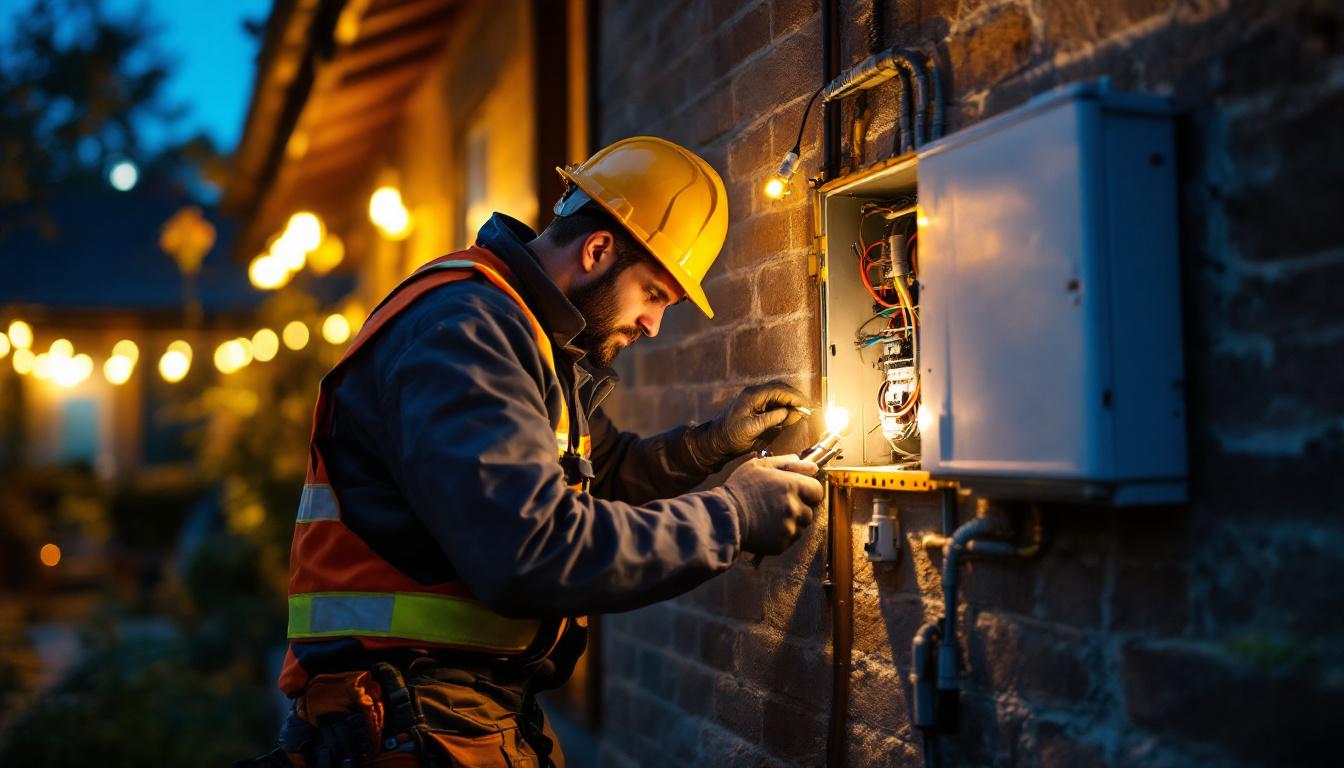
For lighting contractors, the exterior power box is a critical component in any outdoor lighting project. It serves as the central hub for distributing electrical power safely and efficiently to various lighting fixtures. Whether working on residential landscapes, commercial properties, or public spaces, mastery over exterior power boxes ensures not only compliance with electrical codes but also the longevity and reliability of the lighting system.
Exterior power boxes are designed to protect electrical connections from environmental factors such as moisture, dirt, and temperature fluctuations. This protection is vital because outdoor lighting systems are exposed to harsh conditions that can cause corrosion, short circuits, or power failures if not properly managed. Understanding the types, installation methods, and maintenance requirements of these boxes is essential for delivering high-quality lighting solutions.
Types of Exterior Power Boxes
Exterior power boxes come in various forms, including weatherproof enclosures, junction boxes, and transformer housings. Weatherproof enclosures are commonly used to house circuit breakers, timers, and other control devices, offering protection against rain and dust. Junction boxes serve as connection points where multiple wires converge, facilitating organized and secure wiring. Transformer housings are specialized boxes that contain transformers to step down voltage for low-voltage lighting systems.
Choosing the right type of power box depends on the specific requirements of the lighting project, such as the voltage, load capacity, and environmental exposure. For instance, low-voltage landscape lighting typically requires transformer boxes rated for outdoor use, while high-voltage commercial lighting may need robust weatherproof enclosures with ample space for circuit breakers and control units. Additionally, it’s essential to consider the location of the power box; placing it in a sheltered area can further enhance its durability and performance, while ensuring easy access for maintenance and troubleshooting.
Moreover, the installation of exterior power boxes should adhere to local electrical codes and regulations, which can vary significantly from one region to another. Contractors must be familiar with these guidelines to avoid potential hazards and ensure the safety of the installation. Furthermore, integrating smart technology into these power boxes can elevate the functionality of outdoor lighting systems. Features such as remote control access, programmable timers, and energy monitoring capabilities can not only enhance user experience but also contribute to energy efficiency and cost savings over time.
Installation Best Practices for Exterior Power Boxes
Proper installation of exterior power boxes is paramount to ensure safety, functionality, and ease of maintenance. Lighting contractors must adhere to local electrical codes and manufacturer guidelines while considering site-specific factors such as soil conditions, exposure to elements, and accessibility.
Site Assessment and Placement
Before installation, conduct a thorough site assessment to determine the optimal location for the power box. It should be easily accessible for maintenance but positioned to minimize exposure to direct water flow or physical damage. Elevating the box slightly above ground level helps prevent water ingress during heavy rains or flooding. Additionally, consider proximity to the main power source and the lighting fixtures to reduce voltage drop and wiring complexity. Factors such as landscape design and potential future obstructions, like growing trees or new construction, should also be taken into account to ensure long-term viability of the installation.
Moreover, it’s beneficial to think about the aesthetic impact of the power box on the surrounding area. Choosing a location that blends seamlessly with the landscape can enhance the overall visual appeal of the outdoor space. In some cases, using decorative enclosures or camouflaging techniques can help the power box remain unobtrusive while still being functional and accessible.
Wiring and Grounding Considerations
Use high-quality, outdoor-rated wiring to connect the power box to the main electrical supply and lighting fixtures. Proper grounding is critical to prevent electrical hazards and ensure system stability. Lighting contractors should install grounding rods or connect to existing grounding systems as per code requirements. All connections inside the power box must be secure, corrosion-resistant, and insulated to prevent short circuits. It is also advisable to implement a circuit breaker or fuse within the power box to provide an extra layer of protection against overloads and short circuits, which can lead to system failures or fire hazards.
Furthermore, consider using color-coded wiring to simplify future maintenance and troubleshooting. This practice can save time and reduce the risk of errors during repairs or upgrades. Documenting the wiring layout and maintaining a schematic can also be invaluable for future reference, ensuring that anyone who works on the system has a clear understanding of its configuration.
Sealing and Weatherproofing
Even weatherproof boxes require additional sealing measures to enhance durability. Apply silicone-based sealants around cable entry points and use gaskets provided with the enclosure to maintain a tight seal. Regularly inspect seals during maintenance visits to detect and address any deterioration early. Proper weatherproofing extends the lifespan of the power box and reduces the risk of electrical failures. In addition to sealing, consider the use of UV-resistant materials for any exposed components, as prolonged sun exposure can degrade certain plastics and metals over time.
It is also wise to incorporate drainage solutions, such as small weep holes, to allow any accumulated moisture to escape. This simple addition can prevent water from pooling inside the enclosure, further safeguarding the internal components from damage. Regular maintenance checks should include cleaning the exterior of the power box to remove dirt and debris, which can trap moisture and lead to corrosion if left unattended.
Maintenance and Troubleshooting for Long-Term Reliability
Routine maintenance of exterior power boxes is essential to sustain optimal performance and safety. Lighting contractors should establish maintenance schedules that include visual inspections, cleaning, and functional testing of electrical components.
Inspection Checklist
During inspections, check for signs of moisture accumulation, corrosion on terminals, loose wiring, and damage to the enclosure. Moisture inside the box can indicate compromised seals or drainage issues nearby. Corrosion can degrade electrical contacts, leading to intermittent power or complete failure. Tighten any loose connections and replace damaged components promptly.
Cleaning Procedures
Remove dirt, debris, and insect nests that may accumulate around or inside the power box. Use a dry cloth or a soft brush to clean terminals and contacts carefully. Avoid using water or harsh chemicals that could damage electrical parts. Keeping the power box clean helps maintain efficient electrical conductivity and prevents overheating.
Common Troubleshooting Scenarios
Lighting contractors often encounter issues such as flickering lights, circuit breaker trips, or complete power loss. These problems can stem from loose connections, overloaded circuits, or faulty components within the power box. Systematic troubleshooting involves verifying power supply integrity, testing individual circuits, and inspecting the condition of breakers and fuses. Utilizing a multimeter and circuit tester can aid in pinpointing faults quickly.
Advancements and Innovations in Exterior Power Box Technology
As outdoor lighting technology evolves, so do the features and capabilities of exterior power boxes. Modern enclosures incorporate smart controls, energy-efficient components, and enhanced safety mechanisms that lighting contractors should be familiar with to stay competitive.
Smart Power Boxes and Remote Monitoring
Some exterior power boxes now include integrated smart controls that allow remote monitoring and management of lighting systems. These features enable contractors and property managers to adjust lighting schedules, monitor power consumption, and receive alerts about faults or tampering. Incorporating smart technology can improve energy efficiency and reduce maintenance costs over time.
Energy-Efficient Components
Using power boxes designed to accommodate LED drivers and low-voltage transformers supports the growing demand for energy-efficient lighting. These components reduce power loss and heat generation, contributing to longer-lasting installations. Contractors should specify power boxes compatible with the latest lighting technologies to future-proof their projects.
Enhanced Safety Features
Newer exterior power boxes often include features such as surge protection, tamper-resistant locks, and improved ventilation. Surge protectors guard against voltage spikes caused by lightning or grid fluctuations, protecting sensitive lighting equipment. Tamper-resistant designs enhance security in public or high-traffic areas, while ventilation prevents overheating in enclosed spaces.
Compliance and Safety Standards for Exterior Power Boxes
Adhering to regulatory standards is non-negotiable for lighting contractors working with exterior power boxes. Compliance ensures safety, legal operation, and insurance coverage, while also protecting contractors from liability.
Relevant Electrical Codes and Certifications
Exterior power boxes must comply with national and local electrical codes, such as the National Electrical Code (NEC) or equivalent standards in different regions. These codes dictate requirements for enclosure ratings (e.g., NEMA or IP ratings), grounding, wiring methods, and installation practices. Additionally, power boxes should carry certifications from recognized testing laboratories to verify their suitability for outdoor use.
Documentation and Permitting
Proper documentation, including wiring diagrams, load calculations, and inspection reports, is essential for project approval and future reference. Lighting contractors should work closely with electrical inspectors and obtain necessary permits before installation. Maintaining thorough records can streamline troubleshooting and support warranty claims if issues arise.
Safety Protocols During Installation and Maintenance
Safety is paramount when working with electrical systems. Contractors must follow lockout/tagout procedures, use personal protective equipment (PPE), and employ insulated tools to minimize risk. Training on electrical hazards and emergency response should be part of every contractor’s standard operating procedures.
Conclusion: Elevating Outdoor Lighting Projects with Expert Power Box Management
Mastering the use of exterior power boxes elevates the quality, safety, and durability of outdoor lighting installations. By understanding the types of power boxes, adhering to best installation practices, performing regular maintenance, embracing technological advancements, and complying with safety standards, lighting contractors can deliver exceptional results that satisfy clients and stand the test of time.
Investing time and expertise into exterior power box management not only protects the lighting system but also enhances professional reputation and opens opportunities for more complex and lucrative projects. In the competitive lighting industry, such mastery is a defining factor for success.
Get Your Premium Lighting Supplies at LumenWholesale
Ready to take your outdoor lighting projects to the next level? LumenWholesale is here to support your expertise with our extensive range of high-quality, spec-grade lighting products. Enjoy unbeatable wholesale prices and the convenience of cutting out the middleman, ensuring you get the best value for your investment. With our commitment to reliability and performance, you can trust that every exterior power box and lighting component you purchase from us meets the highest industry standards. Plus, with free shipping on bulk orders, you can stock up on superior lighting solutions without worrying about hidden fees. Elevate your lighting installations today by visiting Wholesale Lighting at the Best Value and experience the LumenWholesale difference.