Introduction to Outdoor Motion Lighting Solutions
For lighting contractors, selecting the right outdoor lighting solution is crucial not only for client satisfaction but also for long-term reliability and ease of installation. Outdoor motion lights have become a staple in residential, commercial, and industrial applications due to their ability to enhance security, conserve energy, and provide convenience. Among the various options available, plug-in motion lights offer a unique set of advantages and challenges when compared to hardwired fixtures and solar-powered alternatives.
This article explores the key differences between outdoor motion light plug-in models and their alternatives, providing lighting contractors with a comprehensive understanding to make informed decisions tailored to project requirements and client preferences.
Plug-in motion lights are particularly favored for their straightforward installation process. Unlike hardwired systems, which often require extensive electrical work and can be time-consuming, plug-in models can be set up quickly, making them ideal for contractors working on tight schedules. This ease of installation not only saves time but also reduces labor costs, allowing contractors to maximize their efficiency. Additionally, these lights can be easily relocated or replaced, offering flexibility for clients who may want to adjust their outdoor lighting as their needs change over time.
Another significant advantage of plug-in motion lights is their adaptability to various outdoor settings. Many models come equipped with features such as adjustable sensitivity and customizable light duration, enabling contractors to tailor the lighting to specific environments, whether it be a dimly lit pathway or a bustling commercial entrance. Furthermore, advancements in LED technology have led to the development of energy-efficient plug-in models that consume less power while providing bright illumination. This not only helps in reducing energy bills for clients but also aligns with sustainable practices, making them an appealing option for environmentally conscious consumers.
Understanding Outdoor Motion Light Plug-In Models
What Are Plug-In Motion Lights?
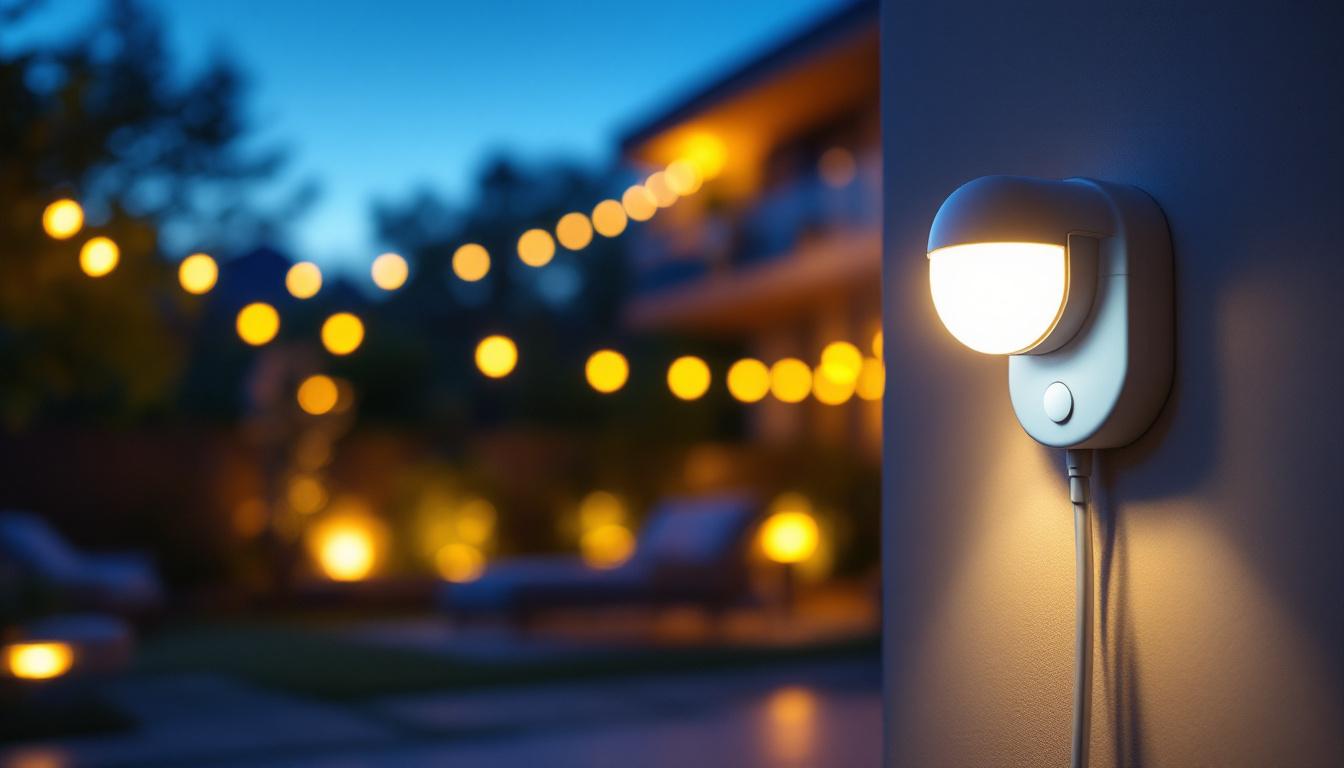
Plug-in motion lights are outdoor lighting fixtures equipped with motion sensors and designed to be powered through a standard electrical outlet. They typically feature a cord and plug, allowing for flexible placement without the need for complex wiring or electrical work. These lights are often used in locations where permanent installation is not feasible or desired, such as temporary setups, rental properties, or areas with accessible outdoor outlets. Their design often incorporates energy-efficient LED bulbs, which not only provide bright illumination but also consume less power, making them an environmentally friendly choice for outdoor lighting solutions.
Advantages of Plug-In Motion Lights
One of the primary benefits of plug-in motion lights is their ease of installation. Contractors can quickly deploy these fixtures without the need for specialized tools or permits related to electrical wiring. This can significantly reduce labor costs and project timelines. Furthermore, many models come with adjustable sensitivity settings, allowing users to customize how easily the motion sensor is triggered, which can be particularly useful in areas with frequent animal activity or high foot traffic.
Additionally, plug-in models offer flexibility. They can be repositioned or removed as needed, which is ideal for clients who may want to adjust lighting based on seasonal changes or evolving security needs. Their portability also makes them suitable for temporary security during events or construction projects. For instance, during outdoor gatherings, these lights can be strategically placed to illuminate pathways or highlight specific areas, enhancing both safety and ambiance. Moreover, some plug-in motion lights come with built-in timers, allowing users to set specific operational hours, further optimizing energy use and security during critical times.
From a maintenance perspective, plug-in lights simplify troubleshooting. Since they are not hardwired, issues related to wiring faults are minimized, and replacement or upgrades can be performed swiftly without opening walls or conduits. This ease of maintenance is particularly advantageous for property managers or homeowners who may not have the time or expertise to deal with more complex electrical systems. Additionally, many plug-in models are designed with durable, weather-resistant materials, ensuring longevity and reliability even in harsh outdoor conditions.
Limitations and Considerations
Despite their convenience, plug-in motion lights have limitations. Their reliance on outdoor electrical outlets means placement options are constrained by outlet availability and weatherproofing considerations. Not all outdoor outlets are rated for continuous exposure to elements, which may necessitate additional protective measures. For example, using weatherproof covers or enclosures can help safeguard the electrical connections from moisture and debris, prolonging the lifespan of the lights.
Moreover, the visible cords may not meet aesthetic standards for certain clients or comply with local codes in some jurisdictions. Contractors must assess these factors during project planning to avoid future complications. In areas where aesthetics are paramount, cable management solutions, such as cord concealers or decorative cable covers, can be employed to create a cleaner look while maintaining functionality. Additionally, it’s essential to consider the potential for tripping hazards; ensuring that cords are secured and out of the way can enhance safety for both residents and guests.
Comparing Plug-In Motion Lights with Hardwired Alternatives
Hardwired Motion Lights: Overview
Hardwired motion lights are permanently installed fixtures connected directly to a building’s electrical system. These are typically mounted on walls, eaves, or poles and integrated into the property’s lighting infrastructure.
Performance and Reliability
Hardwired motion lights offer superior reliability for continuous operation. Because they are directly connected to the electrical supply, they do not depend on external outlets or battery power, ensuring consistent illumination and sensor activation.
For high-security environments or commercial properties requiring robust lighting solutions, hardwired fixtures are often preferred due to their durability and compliance with stringent safety standards.
Installation Complexity and Cost
Installation of hardwired motion lights involves electrical wiring, conduit installation, and sometimes permits or inspections. This process requires skilled labor and can increase project costs and timelines. However, the long-term benefits of a clean, permanent installation often justify the initial investment.
Lighting contractors must evaluate the site’s existing electrical infrastructure and client budget to determine if hardwired solutions are feasible and cost-effective.
Aesthetic and Design Flexibility
Hardwired fixtures offer more design flexibility in terms of fixture styles, mounting options, and integration with other lighting controls such as timers and smart systems. This makes them suitable for clients seeking a seamless, professional appearance and advanced functionality.
Exploring Solar-Powered Motion Lights as an Alternative
How Solar Motion Lights Work
Solar-powered motion lights harness sunlight through photovoltaic panels to charge internal batteries, which then power the light and motion sensor. These units are entirely self-contained and do not require wiring or external power sources.
Benefits for Contractors and Clients
Solar motion lights offer unparalleled ease of installation, as they can be mounted virtually anywhere with adequate sunlight. This eliminates the need for electrical work and permits, making them an attractive option for remote or off-grid locations.
From an energy efficiency standpoint, solar lights reduce electricity consumption and operating costs, aligning with growing client demand for sustainable solutions.
Limitations and Performance Challenges
Despite their advantages, solar motion lights face challenges related to weather dependency and battery life. In areas with limited sunlight or during prolonged cloudy periods, performance may degrade, resulting in reduced illumination or sensor responsiveness.
Additionally, solar units generally provide lower light output compared to hardwired or plug-in models, which may not meet the requirements of high-security applications or large areas.
Key Factors Lighting Contractors Should Consider
Project Scope and Client Needs
Understanding the specific use case is fundamental. For temporary or flexible lighting needs, plug-in motion lights offer quick deployment without permanent alterations. For permanent installations demanding high reliability and aesthetics, hardwired fixtures are preferable. Solar options suit environmentally conscious clients or locations lacking electrical infrastructure.
Electrical Infrastructure and Site Conditions
Contractors must assess the availability and condition of outdoor outlets, existing wiring, and site exposure to weather. Outdoor outlets should be weatherproof and compliant with local electrical codes to safely support plug-in fixtures.
For hardwired installations, evaluating the capacity of the electrical panel and the feasibility of running new circuits is critical to avoid overloading and ensure safety.
Maintenance and Longevity
Maintenance requirements vary significantly. Plug-in lights may require periodic cord inspections and outlet checks. Hardwired fixtures generally demand less frequent attention but may involve more complex repairs if wiring issues arise.
Solar lights require battery replacements every few years and panel cleaning to maintain efficiency.
Cost Analysis
Initial costs for plug-in motion lights are typically lower than hardwired systems but may be offset by limitations in placement and durability. Hardwired systems involve higher upfront expenses but offer long-term value through durability and integration capabilities. Solar lights have moderate upfront costs with savings on electrical consumption but may incur replacement costs for batteries and panels.
Trends and Innovations in Outdoor Motion Lighting
Smart Lighting Integration
The rise of smart home and building automation has influenced outdoor motion lighting. Many plug-in and hardwired motion lights now feature Wi-Fi or Bluetooth connectivity, enabling remote control, scheduling, and integration with security systems.
Lighting contractors should consider recommending fixtures compatible with smart platforms to future-proof installations and meet client expectations for convenience and control.
Energy Efficiency and Sensor Technology
Advancements in LED technology have improved the brightness and energy efficiency of motion lights across all types. Enhanced sensor algorithms reduce false triggers from animals or environmental factors, improving reliability and client satisfaction.
Durability and Weather Resistance
Modern outdoor motion lights are designed to withstand harsh conditions, including rain, snow, and extreme temperatures. Contractors should prioritize fixtures with high IP (Ingress Protection) ratings and robust materials to ensure longevity and reduce maintenance calls.
Conclusion: Making the Right Choice for Your Projects
For lighting contractors, selecting between outdoor motion light plug-in models, hardwired fixtures, and solar-powered alternatives requires a nuanced understanding of project demands, site conditions, client preferences, and budget constraints.
Plug-in motion lights excel in flexibility and ease of installation, making them ideal for temporary or adaptable setups. Hardwired motion lights provide unmatched reliability, aesthetics, and integration potential for permanent, high-performance applications. Solar-powered motion lights offer sustainable, wire-free solutions suited to remote or environmentally conscious projects.
By carefully evaluating these factors and staying informed about technological advancements, lighting contractors can deliver tailored, effective outdoor motion lighting solutions that enhance security, efficiency, and client satisfaction.
Illuminate Your Projects with LumenWholesale
Ready to elevate your lighting projects with the best in class solutions? Look no further than LumenWholesale, where we specialize in providing contractors with spec-grade lighting products at unbeatable wholesale prices. Our extensive selection is designed to meet the highest industry standards, ensuring you can deliver reliable and high-performance lighting to your clients. With the convenience of bulk buying, free shipping, and no hidden fees, you can trust LumenWholesale to supply premium lighting at the best value. Enhance your outdoor motion lighting offerings and satisfy your clients with the quality, affordability, and convenience of Wholesale Lighting at the Best Value. Start shopping now and make your next project shine!