Introduction to LED Panel Ceiling Lights
LED panel ceiling lights have become a staple in modern commercial and residential lighting design. Their sleek, low-profile design combined with energy efficiency and long lifespan makes them a preferred choice for contractors aiming to deliver high-quality lighting solutions. For lighting contractors, understanding the nuances of LED panel installation and maintenance is essential to ensure client satisfaction and project success.
As lighting technology continues to evolve, LED panels offer significant advantages over traditional fluorescent and incandescent fixtures. This article explores best practices for lighting contractors when working with LED panel ceiling lights, focusing on selection, installation, and maintenance to optimize performance and longevity.
One of the key benefits of LED panel ceiling lights is their versatility in application. They can be used in a variety of settings, from office spaces and retail environments to residential homes and healthcare facilities. The ability to choose from different color temperatures allows contractors to create the desired ambiance, whether it’s a warm, inviting glow for a living room or a cool, bright light for a workspace. Additionally, many LED panels are available with dimming capabilities, enabling users to adjust the light intensity according to their needs, further enhancing the adaptability of these fixtures.
Moreover, the installation process for LED panel ceiling lights has been streamlined over the years, making it more accessible for contractors of all skill levels. Many panels come with easy-to-follow instructions and mounting options that cater to various ceiling types, including grid ceilings and drywall. Understanding the electrical requirements and ensuring proper wiring is crucial for a successful installation. Furthermore, the lightweight nature of LED panels reduces strain on ceiling structures, allowing for more flexible design options. As energy efficiency becomes increasingly important in building codes and regulations, contractors who are well-versed in LED technology will find themselves at a competitive advantage in the marketplace.
Choosing the Right LED Panel Ceiling Lights
Evaluating Light Quality and Performance
One of the most critical considerations when selecting LED panel lights is light quality, which directly impacts occupant comfort and productivity. Lighting contractors should prioritize panels with a high Color Rendering Index (CRI) of 80 or above, ensuring colors appear natural and vibrant under the light. Additionally, selecting LED panels with a correlated color temperature (CCT) appropriate for the space is vital—cool white (4000K to 5000K) is often preferred in offices and commercial spaces for its energizing effect, while warmer tones (2700K to 3000K) suit hospitality or residential environments.
Uniform light distribution is another key factor. LED panels designed with diffusers that minimize glare and shadows contribute to a visually comfortable environment. Contractors should verify lumen output to match the lighting requirements of the space, balancing brightness with energy efficiency. Furthermore, the choice of LED panel should also consider the specific activities taking place within the environment. For instance, in spaces where detailed tasks are performed, such as design studios or laboratories, panels with higher lumen outputs and adjustable brightness levels can enhance visibility and reduce eye strain, thereby improving overall productivity.
Energy Efficiency and Compliance
Energy efficiency remains a top priority in lighting projects, both for cost savings and environmental impact. LED panels typically consume 40-60% less energy than fluorescent fixtures, but contractors must ensure the selected products meet or exceed local energy codes and standards such as ENERGY STAR or DLC certification. These certifications guarantee verified performance and can be a selling point for clients focused on sustainability.
Additionally, understanding the power factor and driver efficiency of LED panels helps contractors recommend fixtures that reduce electrical load and improve overall system reliability. Choosing dimmable LED panels compatible with existing or planned control systems also enhances energy management capabilities. Beyond these technical specifications, it is also beneficial to consider the lifespan of the LED panels. Many high-quality LED panels boast lifespans of 50,000 hours or more, which not only reduces the frequency of replacements but also minimizes waste and maintenance costs over time. This longevity, combined with their energy efficiency, positions LED panels as a smart investment for both residential and commercial applications, aligning with the growing trend towards sustainable building practices.
Installation Best Practices for LED Panel Ceiling Lights
Pre-Installation Planning and Layout
Successful LED panel installations begin with thorough planning. Contractors should conduct detailed site assessments to determine optimal panel placement, considering factors like ceiling grid dimensions, room size, and lighting levels. Using lighting design software or photometric data helps create layouts that ensure even illumination and compliance with relevant lighting standards such as the Illuminating Engineering Society (IES) guidelines. This initial planning phase is critical, as it sets the foundation for the entire installation process and can significantly impact the overall effectiveness of the lighting solution.
Coordination with other trades is essential to avoid conflicts with HVAC, fire suppression, or structural elements. Contractors should verify ceiling types—whether suspended grid, drywall, or specialty ceilings—to select compatible mounting options and avoid costly modifications during installation. Additionally, it’s beneficial to consider the future needs of the space, such as potential changes in layout or usage, which may require flexibility in the lighting design. Engaging with stakeholders to gather insights on their preferences and requirements can lead to a more tailored and effective lighting solution, enhancing both functionality and aesthetics.
Electrical and Safety Considerations
Proper electrical installation is crucial for the performance and safety of LED panel ceiling lights. Contractors must ensure wiring complies with the National Electrical Code (NEC) or local regulations, using appropriately rated cables and connectors. Installing surge protection devices can safeguard LED drivers from voltage spikes, extending fixture lifespan. Furthermore, understanding the power requirements of each panel and the total load on the circuit is vital to prevent overloading and potential circuit failures, which can lead to costly downtime and repairs.
Grounding and bonding should not be overlooked, as they prevent electrical hazards and interference. Additionally, contractors should test circuits before installation to confirm power availability and correct polarity. For retrofit projects, verifying compatibility with existing dimmer switches or lighting controls prevents flickering and premature failure. It’s also advisable to educate clients about the benefits of smart lighting controls, which can enhance energy efficiency and provide customizable lighting solutions tailored to their specific needs.
Mounting and Securing LED Panels
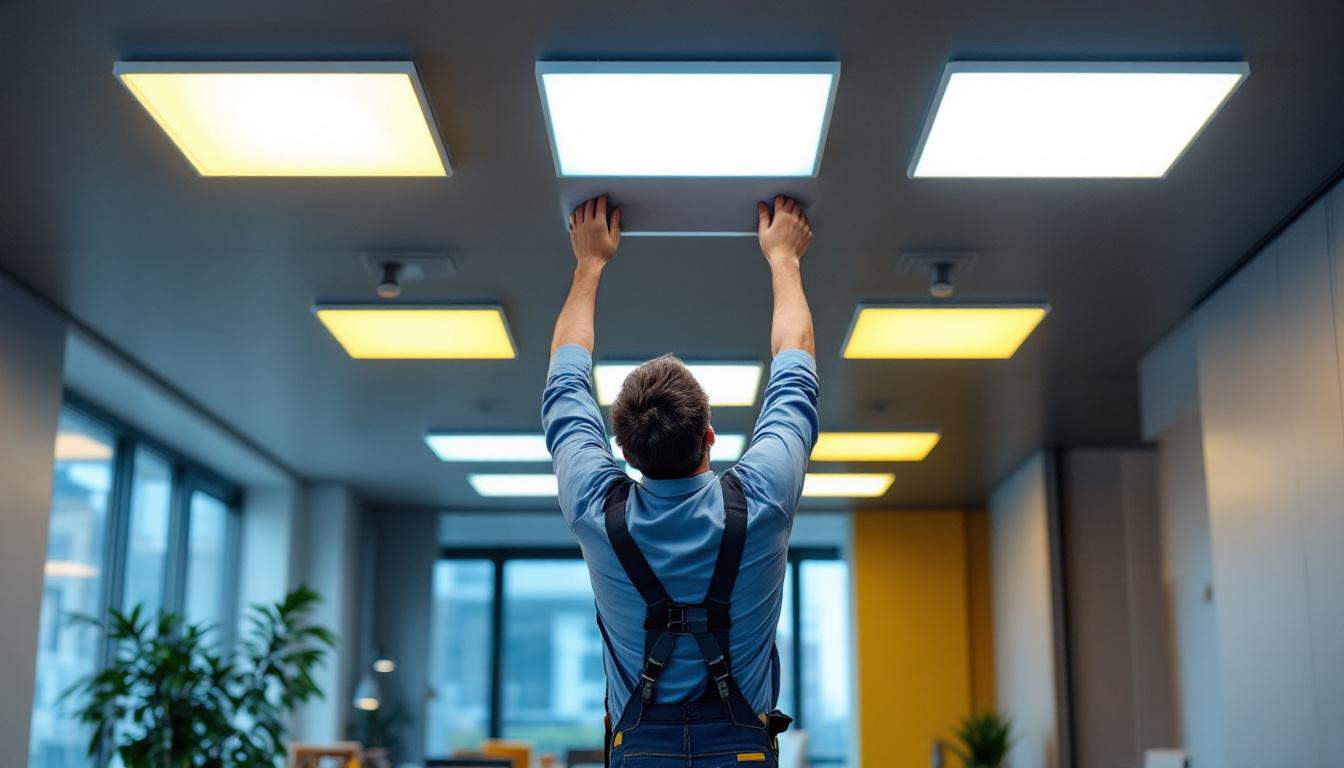
LED panel ceiling lights are typically designed for easy installation in standard ceiling grids, but proper mounting techniques ensure stability and longevity. Contractors should handle panels carefully to avoid damage to the diffuser or LED array. Panels should be securely seated in the grid, with any necessary clips or brackets installed according to manufacturer instructions. It’s important to conduct a final inspection of the mounting hardware to ensure everything is tight and secure before proceeding with the electrical connections.
For drywall or hard ceilings, surface-mount or recessed kits may be required. In these cases, precise cutting and framing are necessary to maintain ceiling integrity and aesthetic appeal. Ensuring that panels are level and aligned contributes to a professional finish and consistent lighting appearance. Additionally, considering the use of acoustic panels or decorative trim can enhance the overall design of the space, providing both functional lighting and an attractive visual element. Proper sealing around the edges may also be necessary to prevent dust accumulation and maintain the cleanliness of the installation over time.
Maintenance and Troubleshooting for Longevity
Routine Inspection and Cleaning
Maintaining LED panel ceiling lights involves periodic inspection and cleaning to preserve light output and appearance. Dust and dirt accumulation on the diffuser can reduce brightness and cause uneven lighting. Contractors should recommend cleaning schedules to clients, using soft, lint-free cloths and mild cleaning agents to avoid damaging the panel surface.
Inspecting for signs of discoloration, flickering, or dimming can help identify potential issues early. Loose connections or damaged drivers are common causes of performance degradation and should be addressed promptly to avoid complete fixture failure.
Addressing Common Issues
Flickering or intermittent lighting is often caused by incompatible dimmers, loose wiring, or faulty drivers. Lighting contractors should be prepared to diagnose these problems using multimeters and driver test equipment. Replacing incompatible dimmers with LED-compatible models or upgrading drivers can resolve many issues.
In cases of panel discoloration or uneven light distribution, the root cause may be LED degradation or diffuser damage. While LED panels have long lifespans, individual components can fail prematurely due to heat or electrical stress. Contractors should work with manufacturers to source replacement parts or recommend full fixture replacement when necessary.
Leveraging Technology and Client Communication
Integrating Smart Controls
Modern LED panel ceiling lights often support integration with smart lighting controls, enabling features like occupancy sensing, daylight harvesting, and remote dimming. Lighting contractors should stay informed about these technologies to offer clients advanced solutions that enhance energy savings and user experience.
Understanding compatibility between LED panels and control systems such as DALI, 0-10V, or wireless protocols is essential. Proper programming and commissioning ensure that lighting systems perform as intended, providing measurable benefits over traditional setups.
Educating Clients for Optimal Use
Effective communication with clients about the capabilities and maintenance requirements of LED panel ceiling lights fosters long-term satisfaction. Contractors should provide clear documentation on warranty terms, cleaning procedures, and troubleshooting tips. Educating clients on the benefits of dimming and control options encourages adoption of energy-saving practices.
By setting realistic expectations regarding lifespan and performance, contractors can build trust and reduce service calls. Offering follow-up support or maintenance contracts can also enhance client relationships and generate recurring business.
Conclusion
LED panel ceiling lights represent a significant advancement in lighting technology, offering contractors an opportunity to deliver efficient, high-quality illumination solutions. By adhering to best practices in product selection, installation, and maintenance, lighting contractors can optimize performance, ensure safety, and exceed client expectations.
Staying current with evolving standards and integrating smart technologies further positions contractors as trusted experts in the lighting industry. Ultimately, a thorough understanding of LED panel ceiling lights empowers contractors to create well-lit, comfortable, and energy-efficient environments across diverse applications.
Illuminate Your Projects with LumenWholesale
Ready to elevate your lighting installations with the efficiency and quality of LED panel ceiling lights? At LumenWholesale, we provide lighting contractors with the finest spec-grade lighting solutions at unbeatable wholesale prices. Say goodbye to local distributor markups and hello to an extensive selection of premium lighting that meets rigorous industry standards. With free shipping on bulk orders, you can stock up on high-performance lighting without worrying about hidden fees. Make your next project shine brighter while maximizing value and convenience. Discover the ideal fusion of quality and affordability at LumenWholesale – Wholesale Lighting at the Best Value.