Understanding Motion Detector Can Lights: The Foundation for Lighting Contractors
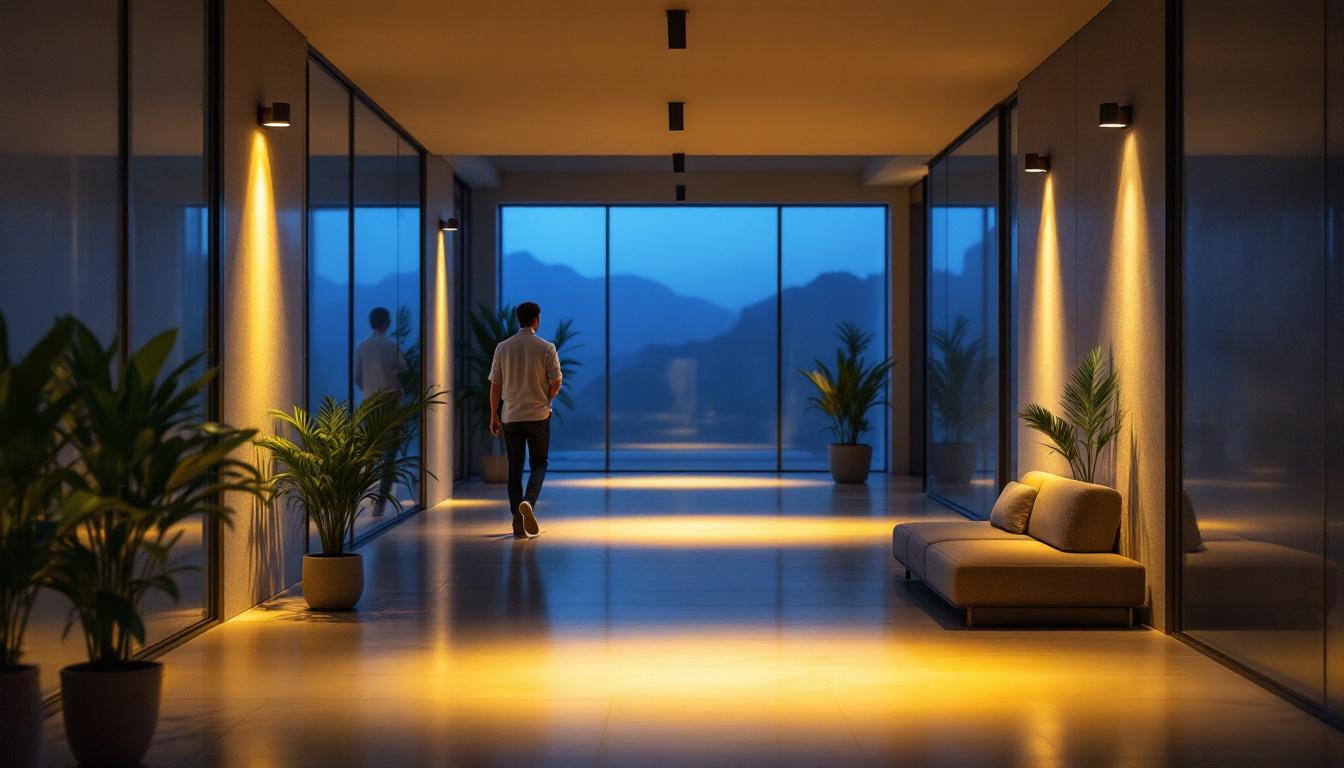
Motion detector can lights have become an essential component in modern lighting design, combining energy efficiency, security, and convenience. For lighting contractors, mastering these fixtures is not just about installation but understanding their technology, applications, and integration within various environments.
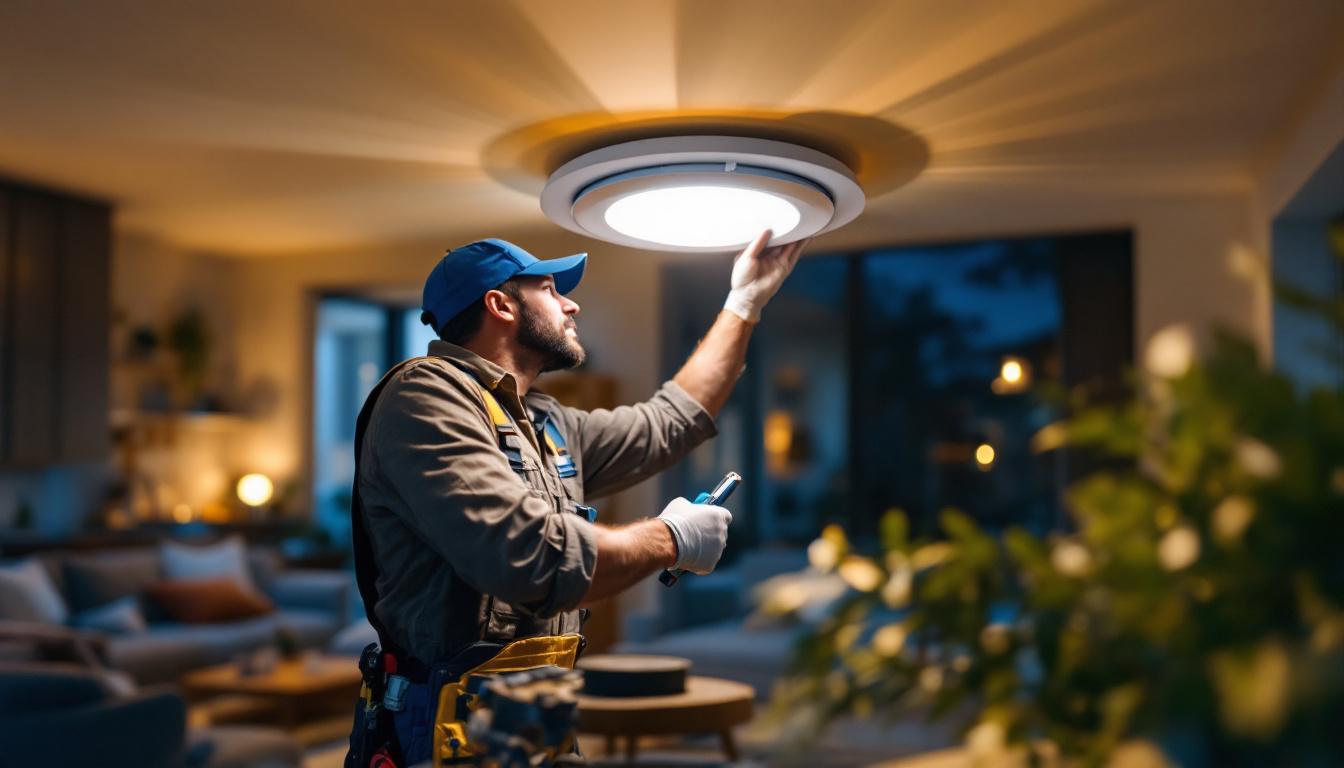
At their core, motion detector can lights are recessed lighting fixtures equipped with sensors that detect movement, automatically turning the light on or off. This functionality reduces energy consumption and enhances safety in both residential and commercial settings. However, the variety of sensor types, installation requirements, and control options can be complex, making it crucial for contractors to stay informed and skilled.
Why Motion Detector Can Lights Matter to Lighting Contractors
With growing emphasis on smart building technologies and energy codes, motion detector can lights offer contractors opportunities to provide value-added services. They help clients lower utility costs, improve security, and comply with regulatory standards such as those related to energy efficiency and accessibility.
Moreover, the increasing demand for automated lighting solutions means contractors who master these systems can differentiate themselves in a competitive market. Understanding the nuances of sensor types, wiring configurations, and compatibility with smart home systems is essential for delivering reliable and effective installations.
Additionally, the integration of motion detector can lights with home automation systems has opened new avenues for contractors. These lights can be programmed to work in conjunction with other smart devices, such as security cameras and alarms, creating a cohesive and responsive environment. For instance, when a motion is detected, not only do the lights turn on, but they can also trigger security cameras to start recording, providing an added layer of protection for homeowners. This interconnectedness not only enhances security but also elevates the overall user experience, making it imperative for contractors to familiarize themselves with these advanced integrations.
Furthermore, the aesthetic appeal of motion detector can lights cannot be overlooked. Available in various styles and finishes, these fixtures can seamlessly blend into any design scheme, offering both functionality and visual appeal. Lighting contractors should also consider the placement of these fixtures, as strategic positioning can enhance the ambiance of a space while ensuring optimal performance of the motion sensors. By providing clients with tailored solutions that meet both their practical needs and design preferences, contractors can foster stronger relationships and drive repeat business.
Key Technologies Behind Motion Detector Can Lights
To master motion detector can lights, contractors must be familiar with the underlying technologies that govern their operation. This knowledge enables better product selection, troubleshooting, and customization to client needs.
Types of Motion Sensors
There are primarily three types of sensors integrated into motion detector can lights:
- Passive Infrared (PIR) Sensors: These detect infrared radiation emitted by warm objects, such as humans or animals. PIR sensors are widely used due to their reliability and low cost. They are ideal for indoor spaces where direct line-of-sight detection is possible.
- Ultrasonic Sensors: These emit high-frequency sound waves and detect changes in the reflected waves caused by movement. Ultrasonic sensors can detect motion around corners and through some obstacles, making them suitable for complex spaces. However, they may be prone to false triggers from air movement or vibrations.
- Dual-Technology Sensors: Combining PIR and ultrasonic technologies, these sensors reduce false triggers and improve detection accuracy. They require both sensor types to detect motion before activating the light, enhancing reliability in challenging environments.
Light Control and Integration Options
Modern motion detector can lights often feature advanced control options, including adjustable sensitivity, time delay settings, and ambient light detection. These features allow contractors to tailor the lighting behavior to specific applications, such as longer illumination in hallways or shorter activation in storage areas.
Integration with smart home systems and building automation platforms is increasingly common. Lighting contractors should be familiar with protocols like Zigbee, Z-Wave, and Wi-Fi, enabling remote control, scheduling, and energy monitoring. This knowledge enhances the value proposition to clients seeking comprehensive smart lighting solutions.
Moreover, the ability to customize these settings not only improves energy efficiency but also enhances user experience. For instance, in a residential setting, homeowners can program lights to activate when they enter a room, providing convenience and security. In commercial spaces, such as offices or retail environments, the ability to adjust lighting based on occupancy can lead to significant energy savings while maintaining a comfortable atmosphere for employees and customers alike.
Additionally, advancements in sensor technology have led to the development of features like adaptive learning, where motion detectors can analyze patterns of movement over time. This allows the system to adjust its sensitivity and response based on typical usage, further minimizing false alarms and optimizing energy consumption. As these technologies continue to evolve, contractors must stay informed about the latest innovations to provide clients with the most effective and efficient solutions available.
Installation Best Practices for Lighting Contractors
Proper installation is critical to ensure motion detector can lights perform optimally and reliably. Lighting contractors must adhere to best practices that address sensor placement, wiring, and compliance with electrical codes.
Sensor Placement and Coverage Optimization
Effective sensor placement ensures the motion detector can light covers the intended area without blind spots or false triggers. Contractors should consider the following:
- Height and Angle: Sensors should be installed at recommended heights and angles to maximize detection range. For PIR sensors, a clear line of sight is essential.
- Environmental Factors: Avoid placing sensors near heat sources, vents, or reflective surfaces that may interfere with detection accuracy.
- Coverage Area: Map out the space to ensure the sensor’s detection zone aligns with traffic patterns and lighting needs.
Wiring and Electrical Considerations
Lighting contractors must ensure wiring complies with local electrical codes and manufacturer guidelines. Key points include:
- Power Supply: Verify voltage compatibility and circuit capacity to handle the load.
- Neutral Wire Requirements: Many motion detector can lights require a neutral wire for proper operation, which may necessitate additional wiring in older buildings.
- Grounding and Safety: Proper grounding is essential for safety and to prevent electrical interference affecting sensor performance.
Testing and Calibration
After installation, thorough testing and calibration are vital. Contractors should adjust sensitivity and time delay settings to match the environment and client preferences. Testing during different times of day and under varying conditions helps ensure consistent performance.
Top Resources Lighting Contractors Use to Master Motion Detector Can Lights
Continuous learning and access to quality resources empower lighting contractors to stay ahead in their field. The following resources are highly regarded for mastering motion detector can lights.
Manufacturer Training and Technical Support
Leading lighting manufacturers often provide comprehensive training programs, webinars, and detailed product manuals. These resources offer in-depth insights into product features, installation techniques, and troubleshooting tips. Engaging with manufacturer support teams can also provide contractors with real-time assistance and updates on new technologies.
Industry Associations and Certification Programs
Organizations such as the Illuminating Engineering Society (IES) and the National Electrical Contractors Association (NECA) offer valuable educational materials and certification programs. These programs cover lighting design principles, energy codes, and emerging technologies, helping contractors enhance their expertise and credibility.
Online Forums and Professional Communities
Participating in online forums and professional networks allows contractors to exchange knowledge, share experiences, and stay informed about industry trends. Platforms like LinkedIn groups focused on lighting technology and contractor forums provide practical advice and peer support.
Technical Publications and Case Studies
Reading technical journals, white papers, and case studies helps contractors understand real-world applications and challenges. These publications often highlight innovative solutions, energy savings data, and lessons learned from complex projects involving motion detector can lights.
Hands-On Workshops and Continuing Education
Practical workshops and continuing education courses offer hands-on experience with the latest motion detector can light technologies. These sessions enable contractors to practice installation, calibration, and troubleshooting in controlled environments, building confidence and competence.
Emerging Trends and Future Directions in Motion Detector Can Lights
The field of motion detector can lights is rapidly evolving, and lighting contractors should be aware of emerging trends to maintain a competitive edge.
Integration with IoT and Smart Building Systems
The Internet of Things (IoT) is transforming lighting by enabling seamless integration with building management systems. Motion detector can lights are increasingly equipped with sensors that communicate with HVAC, security, and energy management systems, creating holistic smart environments.
For contractors, this means expanding skills beyond traditional electrical work to include network configuration, software integration, and data analytics.
Advances in Sensor Technology
New sensor technologies, such as radar-based motion detection and AI-enhanced sensing, are improving accuracy and reducing false triggers. These advancements allow for more precise control and adaptability to complex environments.
Energy Efficiency and Sustainability Focus
With growing environmental awareness, energy-efficient lighting solutions remain a priority. Motion detector can lights paired with LED technology and smart controls significantly reduce energy consumption. Contractors who emphasize sustainability can meet client demands for green building certifications and lower operational costs.
Conclusion: Mastering Motion Detector Can Lights to Elevate Your Contracting Business
For lighting contractors, mastering motion detector can lights is a strategic investment that enhances technical proficiency, client satisfaction, and business growth. Understanding the technology, adhering to best installation practices, and leveraging top industry resources empower contractors to deliver high-quality, efficient, and innovative lighting solutions.
Staying abreast of emerging trends and continuously expanding skills ensures contractors remain competitive in a dynamic market. By embracing the full potential of motion detector can lights, lighting professionals can illuminate spaces smarter, safer, and more sustainably.
Illuminate with Confidence with LumenWholesale
Ready to take your contracting business to the next level with motion detector can lights? At LumenWholesale, we provide you with the highest quality, spec-grade lighting products at prices that respect your bottom line. Our commitment to cutting out the middleman means you get the most competitive wholesale prices, without sacrificing performance or quality. With our vast selection that meets rigorous industry standards and the convenience of free shipping on bulk orders, you can trust that you’re getting premium lighting solutions at the best value. Elevate your lighting projects today by visiting Wholesale Lighting at the Best Value and experience the LumenWholesale difference.