Understanding Pendant Sconces: Beyond Basic Installation
Pendant sconces have become increasingly popular in both residential and commercial lighting design. Combining the elegance of a pendant light with the functional appeal of a sconce, these fixtures offer versatile lighting solutions that enhance ambiance and style. However, many lighting contractors approach pendant sconces with a one-dimensional mindset, focusing primarily on installation rather than the nuanced considerations that ensure optimal performance and client satisfaction.
For lighting contractors, understanding the complexities of pendant sconces is crucial. These fixtures are not just decorative elements; they play a significant role in the overall lighting scheme, influencing mood, functionality, and energy efficiency. Overlooking key factors can lead to suboptimal lighting outcomes, increased callbacks, and diminished client trust.
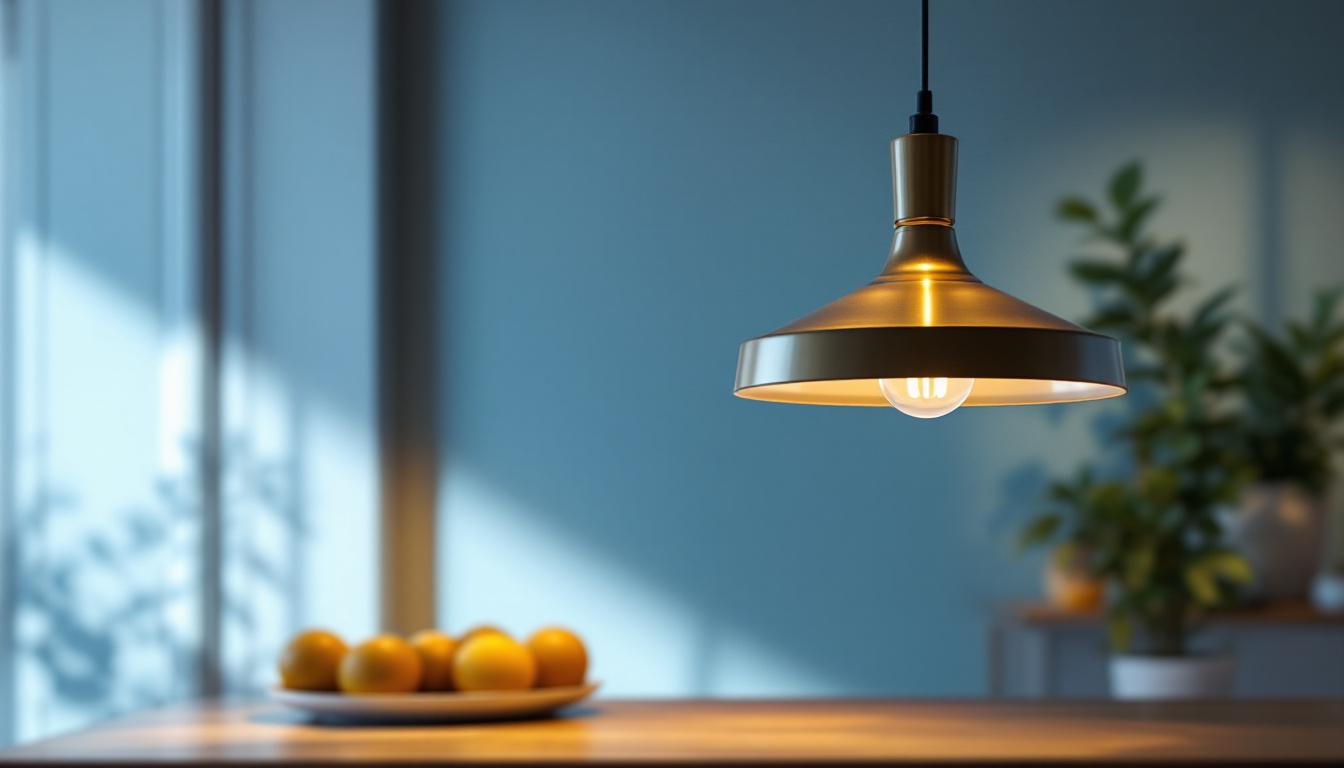
One important aspect to consider is the height at which pendant sconces are installed. The placement can dramatically affect the distribution of light and the overall aesthetic of the space. For instance, hanging a pendant sconce too low can create harsh shadows and obstruct sightlines, while positioning it too high may result in insufficient illumination. Additionally, the choice of bulb type and wattage can further enhance or detract from the intended effect, making it essential for contractors to educate clients on the best options available for their specific needs.
Furthermore, the design and material of pendant sconces can significantly impact their performance and integration into a space. For example, glass shades can create a softer, diffused light, while metal finishes may provide a more focused beam. Contractors should also consider the surrounding decor and architectural elements to ensure that the sconces complement the overall design language of the environment. By taking these factors into account, lighting professionals can not only improve the functionality of the sconces but also elevate the aesthetic appeal of the space, ultimately leading to greater client satisfaction and loyalty.
Key Factors Often Overlooked by Lighting Contractors
1. Proper Height and Placement
One of the most common oversights in pendant sconce installation is incorrect height and placement. Unlike traditional sconces that are mounted flush to a wall, pendant sconces hang down, which means their height directly affects both aesthetics and functionality. The ideal height varies depending on the room’s purpose, ceiling height, and the fixture’s design.
For example, in a hallway or corridor, pendant sconces should be positioned so they do not obstruct movement while providing sufficient illumination. In living rooms or dining areas, the height should complement furniture and architectural features without causing glare or shadows. Lighting contractors must collaborate closely with interior designers and clients to determine the optimal placement that balances form and function. Additionally, considering the color temperature of the bulbs used in these fixtures can significantly affect the ambiance of the space. Warmer tones can create a cozy atmosphere, while cooler tones can enhance a more modern, spacious feel. This nuanced understanding of light can elevate the overall design and user experience.
2. Weight and Support Considerations
Pendant sconces often have heavier fixtures compared to traditional wall sconces due to their extended arms and decorative elements. Contractors sometimes underestimate the weight and fail to reinforce mounting points adequately. This can lead to fixture instability, damage to walls, or safety hazards over time.
Ensuring that the mounting hardware is rated for the fixture’s weight and that the wall structure can support it is essential. Using appropriate anchors, backplates, and sometimes additional bracing behind the drywall can prevent future issues. This attention to detail reflects professionalism and safeguards the contractor’s reputation. Furthermore, it’s crucial to consider the potential for vibration and movement, especially in high-traffic areas or homes with children and pets. Selecting fixtures designed to minimize wobble and ensuring they are securely fastened can greatly enhance durability and longevity, providing peace of mind for both the contractor and the client.
3. Wiring and Electrical Code Compliance
Electrical wiring for pendant sconces can be more complex than for standard sconces due to their extended reach and potential for adjustable arms or multiple bulbs. Contractors sometimes overlook the importance of using the correct gauge wire, secure connections, and grounding methods, especially in retrofit projects.
Adhering strictly to local electrical codes is non-negotiable. For example, in damp or outdoor locations, fixtures must be rated accordingly, and wiring must be protected against moisture. Additionally, contractors should verify that dimmer switches and control systems are compatible with the pendant sconce’s bulbs and transformers to avoid flickering or premature failure. It’s also beneficial for contractors to stay updated on emerging technologies, such as smart lighting systems that allow for remote control and scheduling. Integrating these advanced features can not only enhance the functionality of the lighting but also appeal to tech-savvy clients looking for modern solutions in their homes.
Design and Aesthetic Considerations
Balancing Style with Functionality
Pendant sconces serve as both lighting sources and design statements. Contractors often focus on the technical aspects but neglect how the fixture integrates with the room’s overall aesthetic. Selecting the right style, finish, and shade material can dramatically influence the ambiance.
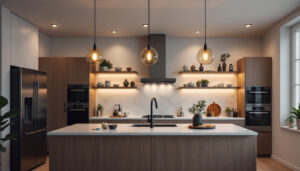
For instance, a sleek, modern pendant sconce with a metallic finish might suit a contemporary kitchen, while a wrought iron fixture with frosted glass complements a rustic or traditional setting. Lighting contractors should advise clients on how different styles affect light diffusion and shadow patterns, ensuring the fixture enhances rather than detracts from the space.
Light Distribution and Glare Control
Incorrect light distribution is a frequent complaint related to pendant sconces. Because these fixtures hang away from the wall, they can cast unwanted shadows or produce glare if not positioned and shielded properly. Contractors should assess the fixture’s light output and beam angle, considering how it interacts with room surfaces and tasks.
Using diffusers, adjustable arms, or directional shades can help control glare and focus light where needed. Moreover, selecting bulbs with appropriate color temperature and lumen output ensures the lighting complements the room’s function—whether it’s warm, inviting light for relaxation or bright, clear light for work areas.
Energy Efficiency and Sustainability
Choosing the Right Bulbs and Controls
Energy efficiency is a critical factor that lighting contractors sometimes overlook when specifying pendant sconces. Traditional incandescent or halogen bulbs consume more power and generate excess heat, which can affect room comfort and increase cooling costs.
LED technology offers significant advantages, including longer lifespan, lower energy consumption, and reduced heat output. Contractors should recommend LED-compatible pendant sconces or retrofit kits to clients aiming for sustainable solutions. Additionally, integrating smart controls like dimmers, timers, and occupancy sensors can optimize energy use without compromising lighting quality.
Material Selection and Environmental Impact
The sustainability of pendant sconces extends beyond bulbs to the materials used in their construction. Lighting contractors can influence environmental impact by choosing fixtures made from recycled or recyclable materials, low-VOC finishes, and durable components that reduce waste over time.
Advising clients on these options not only supports green building practices but also positions the contractor as a forward-thinking professional. As sustainability becomes a priority in construction and renovation projects, this knowledge can differentiate contractors in a competitive market.
Maintenance and Longevity Considerations
Ease of Access for Cleaning and Bulb Replacement
Pendant sconces, due to their hanging nature, can be challenging to maintain if not designed or installed with accessibility in mind. Lighting contractors should consider how clients will clean the fixtures and replace bulbs without difficulty or risk of damage.
Fixtures with removable shades, swivel arms, or lower hanging points facilitate maintenance. Educating clients on proper care extends the fixture’s lifespan and reduces service calls. Moreover, specifying long-life bulbs minimizes the frequency of replacements, enhancing convenience.
Durability in Different Environments
Not all pendant sconces are suitable for every environment. Contractors often overlook the importance of selecting fixtures rated for specific conditions, such as high humidity in bathrooms or exposure to outdoor elements on porches.
Using fixtures with appropriate ingress protection (IP) ratings and corrosion-resistant materials ensures durability and safety. This foresight prevents premature failures and costly replacements, reinforcing the contractor’s commitment to quality workmanship.
Client Communication and Customization
Managing Expectations Through Clear Communication
Effective communication with clients about what pendant sconces can and cannot achieve is vital. Lighting contractors sometimes assume clients understand technical limitations, leading to dissatisfaction when lighting effects differ from expectations.
Providing visual aids, mock-ups, or lighting simulations helps clients visualize outcomes. Discussing factors like light intensity, shadow effects, and fixture scale fosters informed decision-making and reduces misunderstandings.
Customization and Unique Solutions
Every project is unique, and pendant sconces offer opportunities for customization that contractors might overlook. From adjustable arms and dimmable features to bespoke finishes and shades, these options can tailor lighting to specific client needs and tastes.
Encouraging clients to explore customization not only enhances satisfaction but also allows contractors to showcase expertise and creativity. This approach can lead to repeat business and referrals, essential for long-term success.
Conclusion: Elevating Pendant Sconce Installations
Pendant sconces are more than decorative lighting fixtures; they are integral components of effective lighting design that require careful consideration and expertise. Lighting contractors who move beyond basic installation to address height, weight, wiring, aesthetics, energy efficiency, maintenance, and client communication will deliver superior results.
By recognizing and addressing the common oversights outlined above, contractors can enhance their professionalism, reduce callbacks, and build stronger client relationships. In an industry where detail and quality matter, mastering the nuances of pendant sconces is a valuable skill that sets lighting contractors apart.
Get the Best in Pendant Sconce Lighting with LumenWholesale
Don’t let common oversights compromise your lighting installations. Choose LumenWholesale for an exceptional selection of pendant sconces that combine style, functionality, and energy efficiency. Our spec-grade lighting products are designed to meet the highest industry standards, ensuring you deliver outstanding results to your clients every time. With unbeatable wholesale prices and the convenience of free shipping on bulk orders, you can trust us to provide the quality and value your projects deserve. Elevate your lighting game and discover wholesale lighting at the best value today.