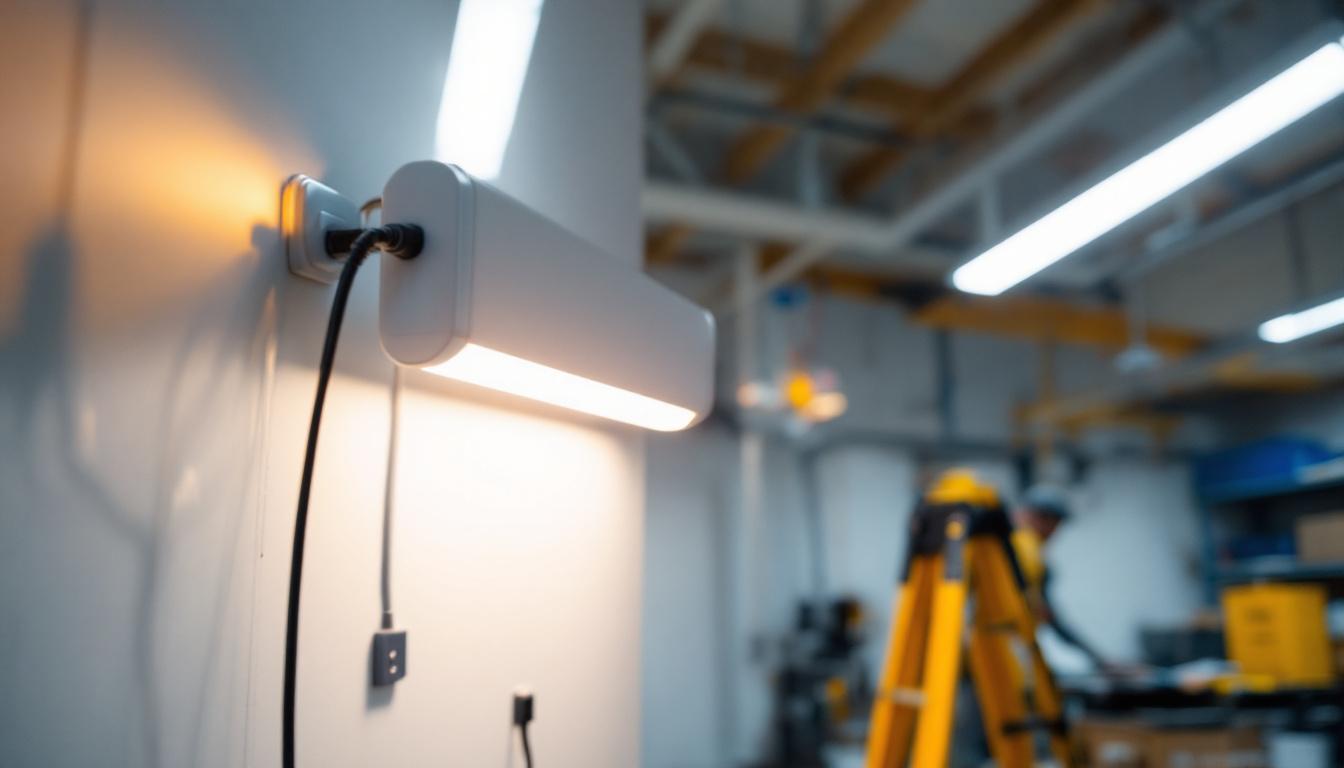
Introduction to Plug In Fluorescent Light Fixtures
Plug in fluorescent light fixtures have long been a staple in commercial, industrial, and even residential lighting solutions. For lighting contractors, understanding the nuances of these fixtures is essential to providing efficient, cost-effective, and reliable lighting installations. Unlike hardwired fluorescent fixtures, plug in models offer flexibility in installation and maintenance, making them a popular choice for a variety of applications.
These fixtures typically consist of a ballast, lamp holders, and fluorescent tubes that plug directly into the fixture. Their design allows for easy replacement and upgrading, which can be a significant advantage in environments where lighting needs frequently change or where downtime must be minimized. This guide will explore the technical aspects, installation best practices, maintenance tips, and modern considerations lighting contractors should keep in mind when working with plug in fluorescent light fixtures.
One of the key benefits of plug in fluorescent light fixtures is their energy efficiency. Compared to traditional incandescent bulbs, fluorescent lights consume significantly less energy, which can lead to substantial savings on electricity bills over time. Additionally, many modern plug in fixtures are designed to accommodate energy-efficient fluorescent tubes that further enhance their performance. This not only helps in reducing the carbon footprint but also aligns with the growing trend towards sustainability in lighting solutions.
Moreover, the versatility of plug in fluorescent fixtures makes them ideal for various settings, from office spaces to retail environments. They can be easily repositioned to meet changing lighting requirements, whether it’s for seasonal displays in a store or reconfiguring workspaces in an office. This adaptability is particularly beneficial in dynamic environments where layouts are frequently altered. Furthermore, with advancements in technology, many of these fixtures now come equipped with features such as dimming capabilities and compatibility with smart lighting systems, allowing for greater control over the ambiance and energy consumption.
Technical Overview and Components
Understanding the Basic Components
A plug in fluorescent light fixture primarily consists of three key components: the ballast, the lamp holders (or tombstones), and the fluorescent tubes themselves. The ballast regulates the current to the fluorescent lamps, ensuring they operate safely and efficiently. In plug in fixtures, the ballast is typically integrated within the housing, simplifying installation. This integration not only streamlines the setup process but also minimizes the risk of installation errors, making it an ideal choice for both professional electricians and DIY enthusiasts alike.
The lamp holders are designed to securely hold the fluorescent tubes and provide the electrical connection. The tubes themselves come in various sizes and types, such as T8 or T12, which refer to the diameter of the tube in eighths of an inch. Selecting the correct tube type is crucial for compatibility and performance. Additionally, fluorescent tubes are available in a range of color temperatures, from warm white to cool daylight, allowing users to create the desired ambiance for different settings, whether it be a cozy living room or a bright, focused workspace.
Ballast Types and Their Impact
Ballasts can be magnetic or electronic, with electronic ballasts being the modern standard due to their energy efficiency and reduced flicker. Electronic ballasts operate at higher frequencies, which improves lamp life and reduces noise. For lighting contractors, specifying electronic ballasts in plug in fixtures can lead to better client satisfaction by reducing energy consumption and maintenance costs. Furthermore, the lower energy usage translates into a smaller carbon footprint, aligning with the growing trend toward sustainable building practices.
In contrast, magnetic ballasts, while still in use, tend to be bulkier and less efficient. They can generate more heat and may require more frequent replacement, which can be a disadvantage in high-use environments. Understanding the differences between these ballast types is essential for making informed decisions about lighting solutions. By opting for electronic ballasts, users not only benefit from enhanced performance but also contribute to a more eco-friendly approach to lighting design, making it an attractive option for both residential and commercial applications.
Installation Best Practices for Lighting Contractors
Site Assessment and Planning
Before installation, a thorough site assessment is critical. Contractors should evaluate the existing wiring, ceiling structure, and lighting requirements to determine the optimal fixture placement. Plug in fluorescent fixtures are particularly advantageous in retrofit projects where existing wiring is intact but lighting needs upgrading. This evaluation should also include an analysis of the room’s purpose, as different spaces may require varying light intensities and color temperatures to achieve the desired ambiance and functionality.
Planning should also consider the fixture’s power source accessibility since these fixtures plug directly into an outlet or junction box. Ensuring proper electrical supply and adherence to local electrical codes is paramount to avoid safety hazards and ensure long-term reliability. Additionally, contractors should take into account the potential for future upgrades or changes in the space, allowing for flexibility in fixture placement and power supply management. This forward-thinking approach can save time and resources down the line.
Step-by-Step Installation Process
Installation of plug in fluorescent fixtures is generally straightforward but requires attention to detail. First, ensure the power is turned off at the circuit breaker to prevent electrical shock. Next, mount the fixture securely to the ceiling or wall using appropriate hardware. Then, connect the fixture’s plug to the designated power outlet or junction box. It is also beneficial to check the alignment of the fixtures with respect to the room layout, ensuring that they provide even lighting distribution without creating harsh shadows or overly bright spots.
Once physically installed, insert the fluorescent tubes into the lamp holders, making sure they are seated firmly. After installation, restore power and test the fixture for proper operation. Lighting contractors should always verify that the fixture is operating without flicker or unusual noise, which could indicate ballast or wiring issues. Furthermore, it is advisable to educate clients on the maintenance of their new lighting systems, including how to replace tubes and check for electrical issues, thereby empowering them to take an active role in the upkeep of their lighting environment. This not only enhances customer satisfaction but also fosters a sense of trust and reliability in the contractor’s services.
Maintenance and Troubleshooting
Routine Maintenance Procedures
Maintaining plug in fluorescent fixtures involves regular cleaning and timely replacement of fluorescent tubes and ballasts. Dust and dirt accumulation can reduce light output and fixture efficiency. Contractors should advise clients to clean fixtures periodically using a soft cloth and mild cleaning agents to avoid damage.
Fluorescent tubes generally have a lifespan ranging from 7,000 to 20,000 hours depending on usage and ballast type. Lighting contractors should recommend scheduled inspections to detect signs of tube wear such as flickering, dimming, or color shifts. Replacing tubes promptly ensures consistent lighting quality and energy efficiency.
Common Troubleshooting Scenarios
Common issues with plug in fluorescent fixtures include flickering lights, failure to start, or humming noises. Flickering is often caused by faulty tubes, poor electrical connections, or failing ballasts. Contractors should systematically isolate the problem by testing tubes in known working fixtures and inspecting wiring connections.
Ballast failure is another frequent cause of fixture malfunction. Symptoms include humming sounds or complete failure to light. Electronic ballasts, while more reliable than magnetic ones, can still fail due to voltage surges or age. Replacing ballasts requires matching the correct type and specifications to maintain fixture performance and safety.
Energy Efficiency and Modern Alternatives
Energy Considerations for Fluorescent Fixtures
While plug in fluorescent fixtures are more energy-efficient than older incandescent lighting, they are gradually being eclipsed by LED technology. However, in many retrofit scenarios, upgrading to plug in fluorescent fixtures with electronic ballasts still offers significant energy savings compared to legacy systems.
Lighting contractors should calculate the total cost of ownership, including energy consumption and maintenance, when recommending lighting solutions. Utilizing ENERGY STAR rated fluorescent tubes and ballasts can further enhance energy efficiency and qualify clients for utility rebates in some jurisdictions.
Transitioning to LED Plug In Fixtures
LED plug in fixtures are becoming increasingly popular due to their superior energy efficiency, longer lifespan, and improved light quality. Many LED tubes are designed to be compatible with existing plug in fluorescent fixtures, allowing for simple retrofits without rewiring.
Contractors should be aware of the different LED tube types—such as ballast-compatible, ballast-bypass, and hybrid models—and advise clients accordingly. Proper selection ensures safety, maximizes energy savings, and extends the life of the lighting system. While the upfront cost of LED tubes may be higher, the long-term benefits often justify the investment.
Compliance and Safety Standards
Regulatory Requirements
Lighting contractors must ensure that plug in fluorescent light fixtures comply with national and local electrical codes, as well as environmental regulations. The National Electrical Code (NEC) provides guidelines on wiring, grounding, and fixture installation to prevent electrical hazards.
Additionally, regulations such as the Restriction of Hazardous Substances (RoHS) directive limit the use of hazardous materials like mercury in fluorescent lamps. Contractors should source fixtures and tubes from reputable manufacturers that meet these standards to avoid legal liabilities and environmental harm.
Safety Best Practices
Safety is paramount when installing and maintaining plug in fluorescent fixtures. Contractors should always use insulated tools, wear appropriate personal protective equipment, and follow lockout/tagout procedures to prevent accidental energization. Proper disposal of fluorescent tubes is also critical due to their mercury content, requiring adherence to hazardous waste disposal guidelines.
Conclusion: Maximizing Value with Plug In Fluorescent Fixtures
For lighting contractors, plug in fluorescent light fixtures remain a versatile and practical solution for many lighting projects. Their ease of installation, compatibility with existing infrastructure, and cost-effectiveness make them a valuable option, especially in retrofit and commercial environments.
By understanding the technical details, installation best practices, maintenance requirements, and evolving energy efficiency trends, contractors can deliver superior lighting solutions that meet client needs while adhering to safety and regulatory standards. As the lighting industry continues to evolve, staying informed about emerging technologies like LED retrofits will ensure contractors remain competitive and capable of providing the best possible service.
Get Your Premium Lighting Supplies at LumenWholesale
Ready to elevate your lighting projects with the best in class plug in fluorescent light fixtures? Look no further than LumenWholesale, where we provide contractors with exceptional, spec-grade lighting products at unbeatable wholesale prices. Our commitment to quality and affordability means you can confidently meet your clients’ needs while maximizing value on every installation. With our extensive selection that meets rigorous industry standards and the convenience of free shipping on bulk orders, you’re guaranteed to find the perfect lighting solutions for your commercial and retrofit projects. Don’t compromise on quality or price—discover wholesale lighting at the best value today and light up your work with LumenWholesale.