Introduction to Smart Switch Motion Sensors
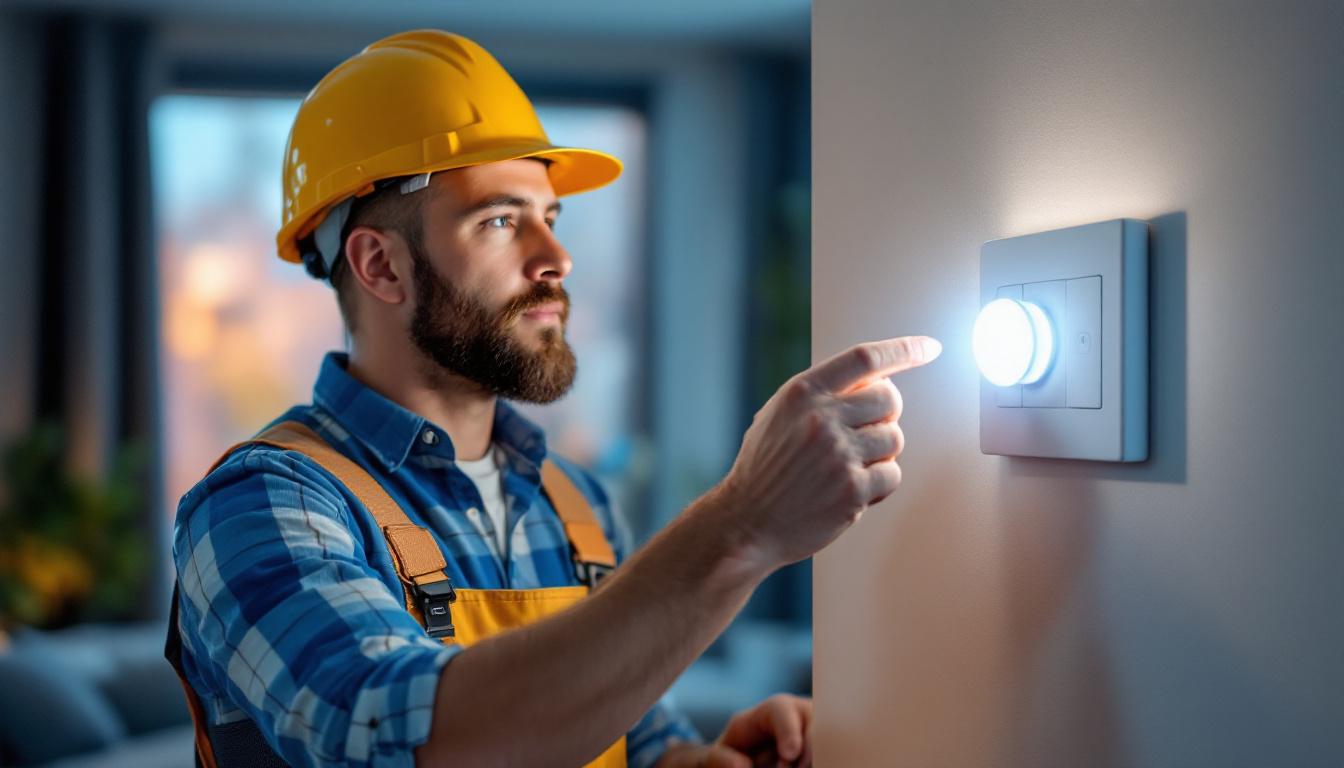
Smart switch motion sensors have revolutionized the way lighting systems are controlled in residential, commercial, and industrial settings. For lighting contractors, understanding the nuances of these devices is crucial to delivering modern, efficient, and user-friendly lighting solutions. Unlike traditional switches, smart motion sensors automatically detect movement and adjust lighting accordingly, providing convenience, energy savings, and enhanced safety.
As the demand for smart home and building automation grows, lighting contractors are increasingly called upon to integrate these technologies into their projects. This article explores the essential points lighting contractors need to consider when working with smart switch motion sensors, including technical features, installation considerations, compatibility, and benefits to end-users.
One of the key technical features of smart switch motion sensors is their ability to utilize advanced technologies such as infrared, ultrasonic, or dual-technology sensing. Infrared sensors detect heat emitted by moving objects, making them effective for indoor applications, while ultrasonic sensors use sound waves to detect motion, offering a broader coverage area. Dual-technology sensors combine both methods to minimize false triggers and enhance reliability, making them ideal for spaces with varying levels of activity. Understanding these technologies allows contractors to select the most appropriate sensor for specific environments, ensuring optimal performance and user satisfaction.
Installation considerations also play a significant role in the successful deployment of smart motion sensors. Factors such as the sensor’s field of view, mounting height, and environmental conditions can greatly influence its effectiveness. For instance, placing a sensor too high may limit its ability to detect lower movements, while obstructions like furniture or walls can create blind spots. Additionally, contractors should be aware of the integration process with existing lighting systems, including wiring requirements and compatibility with smart home platforms. By addressing these installation nuances, contractors can ensure that the motion sensors function seamlessly and enhance the overall user experience.
Key Features of Smart Switch Motion Sensors
Detection Technology and Range
One of the most critical aspects of a smart switch motion sensor is its detection technology. Most devices use passive infrared (PIR) sensors to detect heat signatures from moving objects, while others may incorporate ultrasonic or microwave sensors for enhanced sensitivity. Understanding the detection range and field of view is essential for contractors to ensure the sensor covers the intended area effectively.
For example, a sensor with a 180-degree field of view and a detection range of up to 30 feet may be suitable for a hallway or small room, whereas larger spaces might require multiple sensors or devices with extended range capabilities. Lighting contractors should evaluate the environment and client needs to select the appropriate sensor specifications.
Adjustable Settings and Customization
Smart switch motion sensors often come with adjustable settings such as sensitivity, time delay, and ambient light threshold. Sensitivity controls how easily the sensor detects motion, while the time delay determines how long the light stays on after motion ceases. The ambient light sensor prevents lights from turning on during daylight, optimizing energy efficiency.
Contractors must familiarize themselves with these settings to tailor the system to the specific application. For instance, in a busy office, a shorter time delay might reduce unnecessary lighting, whereas in a residential setting, a longer delay could provide greater convenience.
Connectivity and Integration
Modern smart switch motion sensors often support wireless connectivity protocols such as Wi-Fi, Zigbee, or Z-Wave, enabling integration with broader home automation systems. This connectivity allows users to control lighting remotely via smartphone apps, set schedules, or create automation scenes that respond to various triggers.
For lighting contractors, understanding the compatibility of these sensors with popular smart home ecosystems is vital. This knowledge ensures seamless integration and enhances the overall value of the lighting installation. Additionally, some sensors offer voice assistant compatibility, adding another layer of convenience for end-users.
Installation Considerations for Lighting Contractors
Wiring and Electrical Requirements
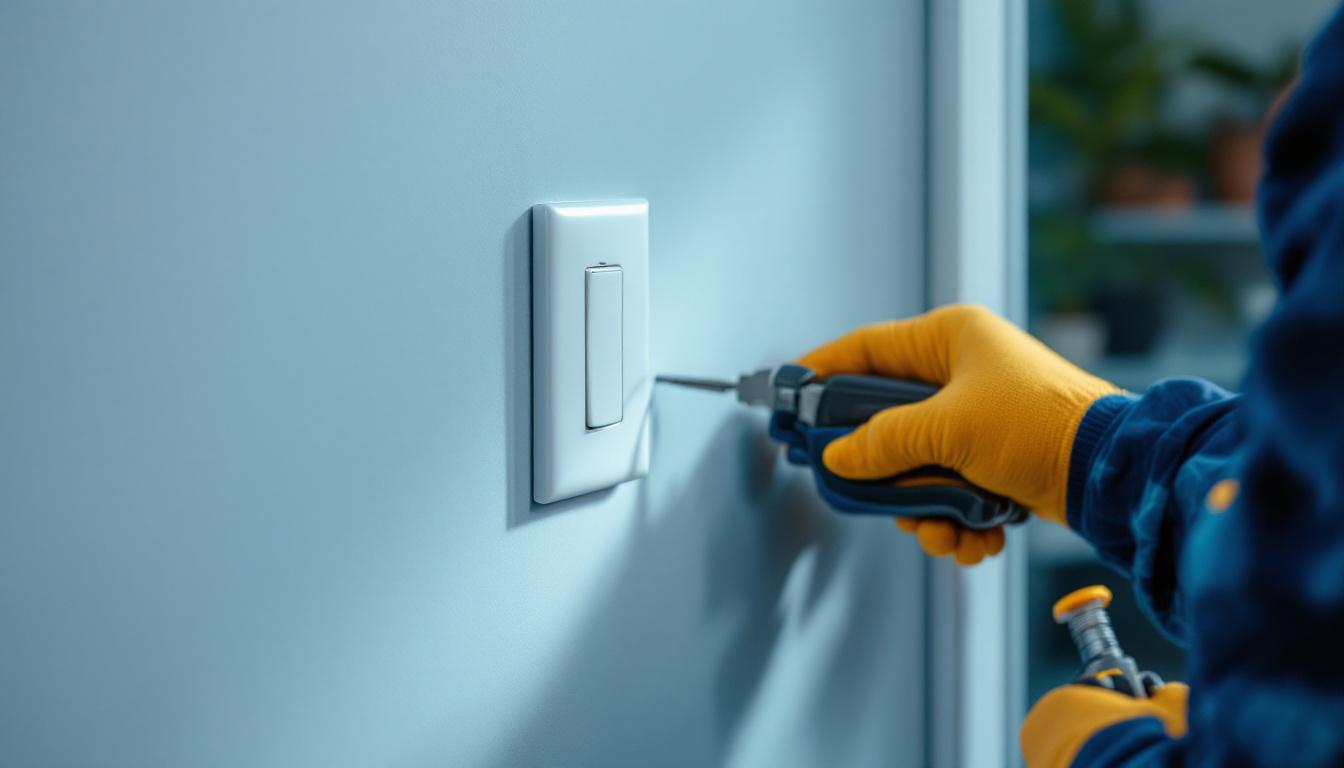
Installing smart switch motion sensors requires a clear understanding of wiring configurations and electrical codes. Many smart switches require a neutral wire, which may not be present in older buildings. Contractors should assess the existing wiring infrastructure before installation to avoid complications.
In cases where a neutral wire is absent, alternative solutions such as battery-powered sensors or switches designed for no-neutral installations may be necessary. Proper wiring ensures the sensor functions reliably and safely, minimizing callbacks and maintenance issues.
Placement and Positioning
The effectiveness of a motion sensor heavily depends on its placement. Lighting contractors must consider factors such as height, angle, and potential obstructions. Sensors should be installed where they can detect motion without interference from furniture, doors, or HVAC vents that might trigger false positives.
For example, installing a sensor near an air vent may cause it to activate unnecessarily due to temperature fluctuations. Additionally, placing sensors too close to entryways or in direct line of sight to frequently used pathways maximizes responsiveness and user satisfaction.
Compliance with Building Codes and Standards
Lighting contractors must ensure that smart switch motion sensor installations comply with local building codes and standards. Many jurisdictions now encourage or mandate the use of occupancy sensors in commercial buildings to promote energy efficiency. Familiarity with these regulations not only ensures legal compliance but also positions contractors as knowledgeable professionals.
Moreover, adherence to standards such as UL certification or FCC compliance guarantees that the devices meet safety and performance criteria, providing peace of mind to both contractors and clients.
Benefits of Smart Switch Motion Sensors for Clients
Energy Efficiency and Cost Savings
One of the most compelling benefits of smart switch motion sensors is their ability to reduce energy consumption. By automatically turning lights off when rooms are unoccupied, these devices prevent wasted electricity and lower utility bills. According to energy studies, occupancy sensors can reduce lighting energy use by up to 30-40% in commercial settings.
For clients, this translates into significant long-term savings and a reduced environmental footprint. Lighting contractors who highlight these benefits can differentiate their services and appeal to environmentally conscious customers.
Enhanced Convenience and User Experience
Smart motion sensors offer unparalleled convenience by eliminating the need for manual light switching. This feature is particularly valuable in high-traffic areas such as hallways, stairwells, and restrooms, where users often have their hands full or may forget to turn off lights.
Additionally, integration with smart home systems allows clients to customize lighting scenes, schedule lighting based on occupancy patterns, and control lights remotely. These capabilities enhance the overall user experience and add value to the lighting installation.
Improved Safety and Security
Motion-activated lighting improves safety by illuminating spaces automatically, reducing the risk of trips and falls in dark areas. This is especially important in commercial buildings, parking garages, and outdoor environments.
Furthermore, smart sensors can act as a deterrent to intruders by triggering lights when motion is detected outside normal hours. Lighting contractors can advise clients on strategic sensor placement to maximize security benefits.
Challenges and Solutions in Smart Switch Motion Sensor Implementation
Addressing False Triggers and Sensor Limitations
One common challenge with motion sensors is false triggers caused by pets, HVAC drafts, or reflective surfaces. These false activations can lead to frustration and reduced energy savings. Lighting contractors should select sensors with pet immunity features or adjustable sensitivity to mitigate this issue.
Additionally, educating clients on proper sensor placement and setting adjustments helps minimize false triggers. In some cases, combining motion sensors with other sensor types, such as door contacts or ambient light sensors, can enhance overall system reliability.
Compatibility with Existing Lighting Fixtures
Not all smart switch motion sensors are compatible with every type of lighting fixture. For instance, certain LED drivers or dimmable lights may not function correctly with some sensors. Contractors must verify compatibility to avoid flickering, buzzing, or reduced lifespan of lighting components.
Consulting manufacturer specifications and conducting on-site testing before full installation can prevent costly mistakes. Offering clients guidance on compatible fixtures and sensor models strengthens trust and ensures a smooth installation process.
Cost Considerations and Client Budgeting
While smart switch motion sensors offer many benefits, their initial cost can be higher than traditional switches. Lighting contractors should provide clients with a clear cost-benefit analysis, emphasizing long-term savings and added convenience.
Offering tiered options—from basic occupancy sensors to fully integrated smart systems—allows clients to choose solutions that fit their budgets and needs. Additionally, highlighting potential rebates or incentives for energy-efficient installations can make smart sensors more financially attractive.
Future Trends and Opportunities for Lighting Contractors
Integration with IoT and Building Management Systems
The future of smart switch motion sensors lies in deeper integration with the Internet of Things (IoT) and comprehensive building management systems (BMS). This integration enables advanced data analytics, predictive maintenance, and adaptive lighting strategies that respond dynamically to occupant behavior and environmental conditions.
Lighting contractors who stay informed about these trends can position themselves as leaders in smart building technology, offering clients cutting-edge solutions that enhance comfort, efficiency, and operational insight.
Advancements in Sensor Technology
Emerging sensor technologies, such as combined motion and presence detection or AI-powered occupancy recognition, promise to improve accuracy and reduce false activations. These advancements will enable smarter, more responsive lighting systems tailored to individual user patterns.
Contractors should monitor product developments and training opportunities to incorporate these innovations into their service offerings, maintaining a competitive edge in the evolving lighting market.
Expanding Market Demand
As sustainability and smart technology adoption continue to grow, the market for smart switch motion sensors is expanding rapidly. Lighting contractors have an opportunity to capitalize on this demand by developing expertise, building partnerships with manufacturers, and educating clients on the benefits of smart lighting solutions.
By embracing these technologies, contractors can enhance their reputation, increase project scope, and contribute to more sustainable and intelligent built environments.
Conclusion
Smart switch motion sensors represent a significant advancement in lighting control, offering energy efficiency, convenience, safety, and integration capabilities that meet the needs of modern buildings. For lighting contractors, mastering the technical, installation, and client communication aspects of these devices is essential to delivering successful projects.
By understanding sensor technologies, addressing installation challenges, and staying abreast of future trends, lighting contractors can provide valuable expertise that enhances client satisfaction and drives business growth. As the lighting industry continues to evolve, smart switch motion sensors will remain a key component of innovative and sustainable lighting solutions.
Upgrade Your Lighting Projects with LumenWholesale
Ready to elevate your lighting installations with the latest smart switch motion sensors? At LumenWholesale, we provide lighting contractors with the highest quality, spec-grade lighting products at competitive wholesale prices. Say goodbye to the extra costs of local distributors and enjoy our extensive selection that meets rigorous industry standards. With LumenWholesale, you can trust that you’re getting reliable, high-performance lighting solutions for every project. Plus, with the convenience of free shipping on bulk orders, you can stock up on premium lighting without any hidden fees. Don’t compromise on quality or value—choose LumenWholesale for the perfect blend of affordability and convenience. Wholesale Lighting at the Best Value is just a click away.