Understanding the Role of LED Plant Growing Lamps in Modern Lighting
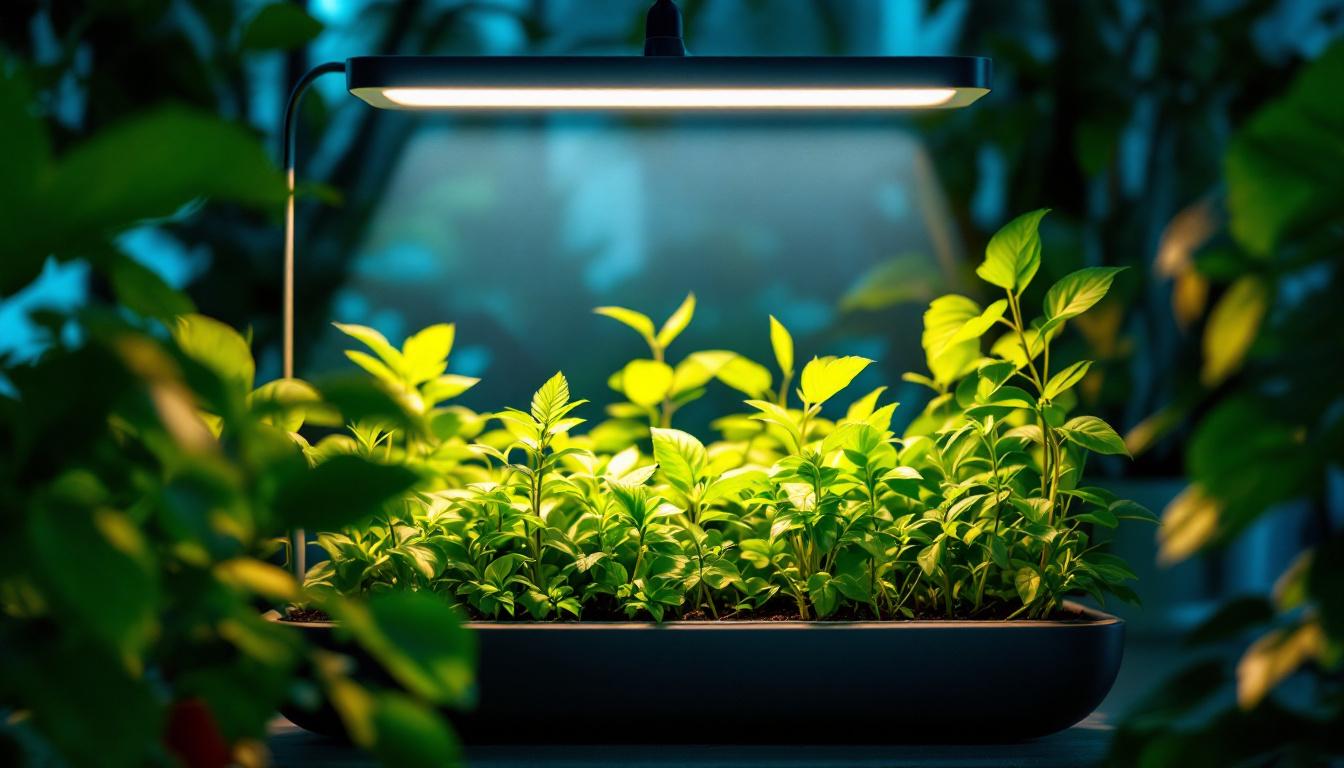
Lighting contractors are continually seeking innovative solutions to meet the evolving demands of their clients. One area gaining significant traction is horticultural lighting, particularly LED plant growing lamps. These specialized lighting systems are engineered to optimize plant growth by providing tailored light spectra, intensity, and duration. Incorporating LED plant growing lamps into lighting designs not only enhances plant health but also opens new avenues for sustainable and efficient lighting projects.
Unlike traditional lighting, which primarily focuses on human visual comfort and aesthetics, plant growing lamps prioritize the physiological needs of plants. This distinction is critical for contractors working on projects such as indoor farms, greenhouses, botanical gardens, and even residential plant setups. Understanding the science behind these lamps empowers contractors to design lighting systems that deliver superior performance and energy efficiency.
LED plant growing lamps utilize specific wavelengths of light that are most beneficial for photosynthesis, particularly in the blue and red spectrums. Blue light encourages vegetative growth, while red light promotes flowering and fruiting. By harnessing these wavelengths, contractors can create customized lighting schedules that mimic natural sunlight, enhancing plant growth cycles and improving yield quality. Additionally, the low heat output of LED technology reduces the risk of heat stress on plants, allowing for closer placement of lights without damaging delicate foliage.
Moreover, the energy efficiency of LED lamps is a game changer in the horticultural sector. With lower energy consumption compared to traditional lighting options, LED plant growing lamps significantly reduce operational costs for growers. This efficiency not only benefits commercial operations but also supports home gardeners looking to cultivate plants indoors without incurring high electricity bills. As the demand for locally sourced produce continues to rise, the integration of LED technology in urban farming initiatives becomes increasingly vital, enabling year-round cultivation and contributing to food sustainability efforts.
The Science Behind LED Plant Growing Lamps
Light Spectrum and Photosynthesis
Plants rely on photosynthesis to convert light energy into chemical energy, fueling their growth and development. The process is highly dependent on specific wavelengths of light, primarily in the blue (400-500 nm) and red (600-700 nm) regions of the spectrum. LED plant growing lamps are engineered to emit light within these optimal ranges, maximizing photosynthetic efficiency.
Traditional lighting solutions such as incandescent or fluorescent bulbs emit a broad spectrum of light, much of which is not useful for plant growth. This inefficiency results in wasted energy and suboptimal plant development. In contrast, LEDs can be customized to emit narrow bands of light tailored to the needs of different plant species and growth stages, from seedling to flowering. The ability to adjust the light spectrum not only enhances photosynthesis but also influences plant morphology, leading to sturdier stems and more vibrant foliage.
Moreover, recent advancements in LED technology have introduced full-spectrum grow lights that mimic natural sunlight. This innovation not only supports photosynthesis but also helps in the regulation of plant hormones, which are crucial for processes such as flowering and fruiting. By providing a more complete light spectrum, growers can achieve more consistent results, ensuring that plants thrive throughout their entire growth cycle.
Energy Efficiency and Heat Management
One of the most compelling advantages of LED plant growing lamps is their energy efficiency. LEDs consume significantly less power than traditional grow lights, reducing operational costs and environmental impact. Additionally, LEDs produce minimal heat compared to high-pressure sodium or metal halide lamps, mitigating the risk of heat stress on plants and simplifying cooling requirements in enclosed growing environments.
This low heat output allows for closer placement of lights to plants without the risk of burning or damaging delicate leaves, which can be particularly beneficial in small indoor gardens or vertical farming setups. Furthermore, the reduced heat generation means that growers can save on additional cooling systems, leading to lower energy consumption overall. As a result, LED grow lights not only promote healthier plant growth but also contribute to a more sustainable and cost-effective growing operation. The longevity of LEDs, often lasting up to 50,000 hours, further enhances their appeal, as growers can enjoy the benefits of reduced maintenance and replacement costs over time.
Advantages of Integrating LED Plant Growing Lamps into Lighting Designs
Enhanced Plant Growth and Yield
By providing plants with the precise light spectrum they require, LED plant growing lamps promote faster growth rates and higher yields. Studies have shown that plants grown under LED lighting often exhibit improved photosynthetic activity, stronger root systems, and increased nutrient uptake. For lighting contractors, this translates into designing systems that deliver tangible benefits to clients in agriculture and horticulture sectors. Furthermore, the ability to fine-tune the light spectrum allows growers to optimize conditions for specific plant varieties, enhancing not only the quantity but also the quality of the produce. For instance, certain wavelengths can enhance the production of essential oils in herbs or increase the sweetness in fruits, making the integration of LED technology a game-changer for specialty crop producers.
Customizable Lighting Solutions
LED technology offers unparalleled flexibility in lighting design. Contractors can select from a range of LED modules with varying spectral outputs, intensities, and beam angles to suit specific project needs. This customization enables the creation of dynamic lighting environments that can be adjusted over time to match plant growth stages or changing environmental conditions. Additionally, advanced control systems can be integrated, allowing for automated adjustments based on real-time data from environmental sensors. This means that lighting can be optimized not only for plant health but also for energy efficiency, reducing operational costs and enhancing sustainability in agricultural practices. The ability to program different light schedules can also simulate natural daylight cycles, further promoting healthy plant development.
Longevity and Reduced Maintenance
LED plant growing lamps boast a long operational lifespan, often exceeding 50,000 hours. This durability reduces the frequency of replacements and maintenance, leading to lower lifecycle costs. For large-scale installations, this reliability is a critical factor in ensuring uninterrupted plant growth and minimizing downtime. Moreover, the robust nature of LED technology means that these lamps are less susceptible to breakage compared to traditional lighting options. This resilience not only contributes to lower maintenance costs but also enhances safety in environments where fragile plants are cultivated. As a result, growers can focus more on their core operations rather than worrying about lighting failures, allowing for a more streamlined and efficient production process. Additionally, the lower heat output of LEDs reduces the risk of heat stress on plants, creating a more stable growing environment and further enhancing plant health and productivity.
Design Considerations for Lighting Contractors
Assessing Plant Species and Growth Stages
Effective lighting design begins with a thorough understanding of the plant species involved and their specific light requirements. Different plants have varying sensitivities to light intensity and spectrum, and these needs change throughout their growth cycle. For example, leafy greens may benefit from higher blue light ratios during vegetative growth, while flowering plants often require increased red light exposure.
Lighting contractors must collaborate closely with horticulturists or growers to tailor LED plant growing lamp configurations accordingly. This partnership ensures that the lighting system supports optimal plant health and productivity.
Optimizing Light Distribution and Intensity
Uniform light distribution is essential to prevent uneven growth and maximize space utilization. Contractors should consider fixture placement, mounting height, and beam angle to achieve consistent illumination across the growing area. Additionally, controlling light intensity through dimming capabilities or programmable schedules allows for fine-tuning based on plant needs and energy conservation goals.
Integration with Environmental Controls
Modern horticultural facilities often incorporate environmental control systems that regulate temperature, humidity, and CO2 levels. Integrating LED plant growing lamps with these systems enhances overall plant growth management. For instance, lighting schedules can be synchronized with ventilation or irrigation systems to create a holistic growth environment.
Case Studies: Successful Applications of LED Plant Growing Lamps
Urban Vertical Farms
Urban vertical farming has emerged as a sustainable solution to food production challenges in densely populated areas. LED plant growing lamps are central to these operations, providing efficient and customizable lighting within stacked growing racks. Contractors designing lighting for vertical farms must balance light intensity with energy consumption and heat dissipation to maintain optimal growing conditions.
One notable example involves a vertical farm utilizing full-spectrum LED fixtures with adjustable blue and red light ratios. This setup enabled year-round production of leafy greens with a 30% increase in yield compared to traditional greenhouse lighting, while reducing energy costs by nearly 40%.
Greenhouse Supplementary Lighting
Greenhouses benefit from LED plant growing lamps as supplementary lighting during low natural light periods. Lighting contractors implementing these systems focus on integrating LEDs with existing natural light sources to extend photoperiods and enhance growth. The ability to dim and program LEDs allows for precise control, optimizing energy use and plant response.
Future Trends in LED Plant Growing Lamp Technology
Smart Lighting Systems
The convergence of LED technology with smart controls is revolutionizing horticultural lighting. Advanced sensors and IoT-enabled systems enable real-time monitoring of plant health and environmental conditions, allowing automated adjustments to lighting parameters. This level of control ensures plants receive optimal light without human intervention, improving efficiency and outcomes.
Advancements in Spectral Tuning
Ongoing research is expanding the understanding of how different light spectra influence plant physiology beyond photosynthesis, including secondary metabolite production and stress responses. Future LED plant growing lamps will likely incorporate dynamic spectral tuning capabilities, enabling lighting designs that can adapt to specific crop goals such as flavor enhancement or pest resistance.
Conclusion: Elevating Lighting Designs with LED Plant Growing Lamps
For lighting contractors, embracing LED plant growing lamps represents a strategic opportunity to diversify offerings and meet the growing demand for sustainable horticultural lighting solutions. By leveraging the science of plant photobiology, energy-efficient LED technology, and smart integration, contractors can deliver lighting designs that not only support robust plant growth but also optimize operational costs and environmental impact.
As the agricultural and indoor growing industries continue to expand, the expertise in designing and implementing LED plant growing lamp systems will become increasingly valuable. Staying informed about technological advancements and best practices ensures that lighting contractors remain at the forefront of this dynamic field, providing clients with cutting-edge solutions that drive success.
Illuminate Your Projects with LumenWholesale
Ready to revolutionize your lighting designs with LED plant growing lamps? At LumenWholesale, we provide lighting contractors like you with the highest quality, spec-grade LED solutions at unbeatable wholesale prices. Say goodbye to local distributor markups and hello to a vast selection of reliable, high-performance lighting that meets the most rigorous industry standards. With free shipping on bulk orders, you can trust that you’re getting premium lighting at the best value — without any hidden fees. Elevate your lighting projects and optimize your operational costs with the efficiency and convenience of Wholesale Lighting at the Best Value from LumenWholesale.