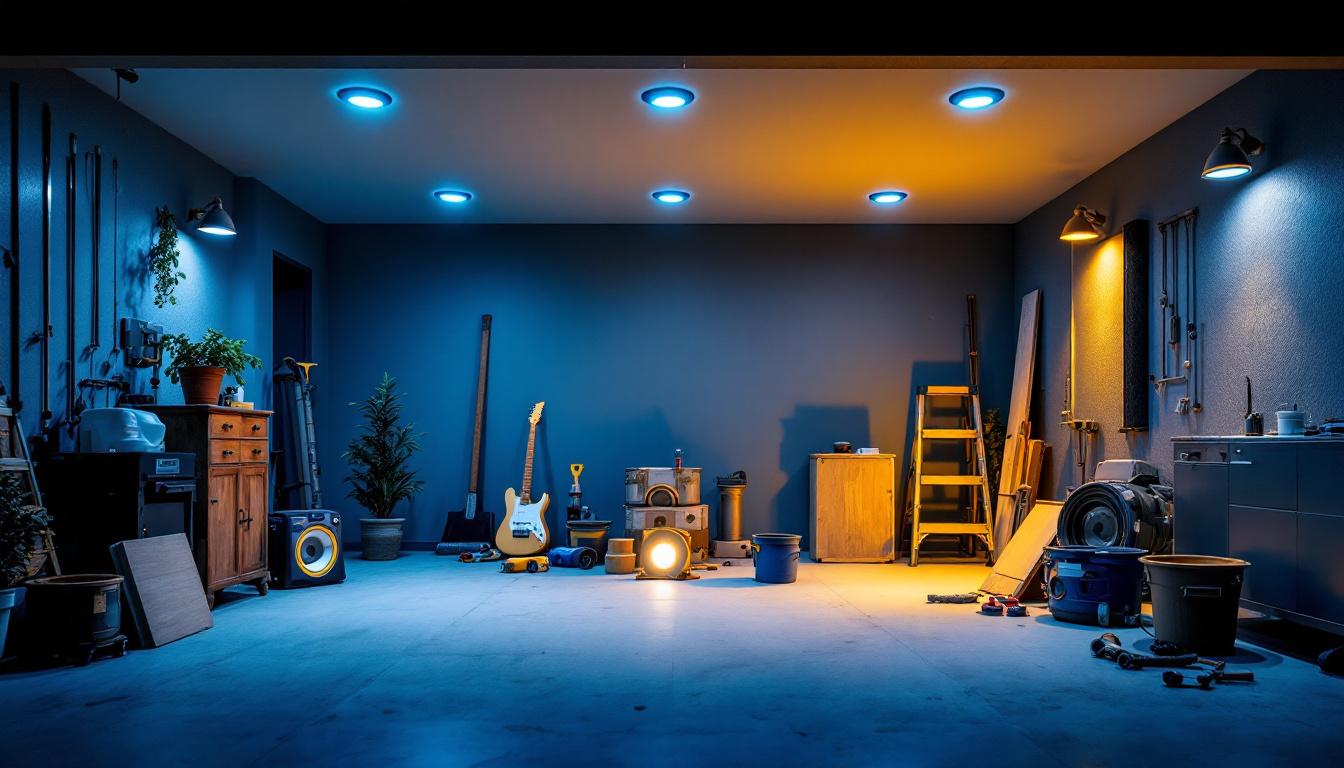
Understanding the Importance of Proper Garage Lighting
Lighting a garage might seem straightforward at first glance, but it requires careful planning and execution to ensure functionality, safety, and energy efficiency. For lighting contractors, garage recessed lights present unique challenges that differ significantly from residential or commercial indoor lighting projects. The garage environment is often exposed to temperature fluctuations, moisture, dust, and heavy usage, all of which influence lighting choices.
Proper lighting in a garage is essential not only for visibility but also for enhancing the overall utility of the space. Whether the garage is used for parking, storage, or as a workshop, the right lighting setup can improve productivity and safety. Poorly designed lighting can lead to shadows, glare, or insufficient illumination, which can cause accidents or frustration for users.
In addition to the practical aspects of garage lighting, aesthetics also play a role. Many homeowners are now looking to create a more inviting and organized environment within their garages. This can be achieved by incorporating stylish fixtures that complement the overall design of the home while still providing ample light. LED strip lights, for instance, can be installed along shelves or workbenches to highlight tools and equipment, making it easier to find what you need without rummaging through clutter. Furthermore, the use of dimmable lights allows for flexibility in brightness, catering to different tasks or moods, whether it’s a bright light for detailed work or a softer glow for casual use.
Another critical factor to consider is energy efficiency. With the rise of eco-conscious living, many homeowners are opting for energy-efficient lighting solutions that not only reduce electricity bills but also have a lower environmental impact. LED lights, for example, consume significantly less energy than traditional incandescent bulbs and have a longer lifespan, making them a smart investment for garage lighting. Additionally, incorporating motion sensors can further enhance energy efficiency by ensuring lights are only on when the space is in use, thus reducing unnecessary energy consumption. This combination of practicality, aesthetics, and sustainability makes proper garage lighting a multifaceted consideration that goes beyond mere illumination.
Common Pitfalls in Garage Recessed Lighting Projects
Ignoring Environmental Factors
One of the most frequent mistakes contractors make is overlooking the garage’s environmental conditions. Garages often experience higher humidity levels and temperature swings compared to other parts of the home. Using recessed lights that are not rated for damp or wet locations can lead to premature fixture failure or electrical hazards.
Additionally, garages may have insulation or ventilation issues that affect lighting performance. Failing to account for these factors can result in condensation buildup inside fixtures, which compromises both safety and longevity. Furthermore, garages are often used for various purposes, from parking vehicles to functioning as workshops or storage areas. This versatility means that the lighting needs can change significantly depending on the activity taking place. For instance, a workshop might require brighter, more focused lighting to ensure precision during tasks, while a storage area may benefit from softer, more ambient light to create a welcoming atmosphere.
Improper Fixture Selection
Choosing the wrong type of recessed light fixture is another costly error. Not all recessed lights are created equal; some are designed for ceilings with insulation contact (IC-rated), while others are not. Installing non-IC-rated fixtures in insulated ceilings can pose fire risks.
Moreover, the size and trim style of the fixture should align with the garage’s ceiling height and design. Oversized fixtures can overwhelm a space, while undersized ones might not provide adequate illumination. Selecting fixtures without considering beam angle or light distribution can create uneven lighting, leading to dark spots or excessive glare. It’s also essential to consider the color temperature of the bulbs; cooler temperatures can enhance visibility for workspaces, while warmer tones can create a more relaxed environment for general use. The aesthetic appeal of the fixtures should not be overlooked either, as they can complement the overall design of the garage, making it a more pleasant space to spend time in.
Neglecting Energy Efficiency and Controls
Energy consumption is a critical consideration in lighting projects. Using outdated or inefficient lighting technology can increase operational costs and reduce client satisfaction. Many contractors overlook the benefits of LED recessed lights, which offer longer lifespans and lower energy use compared to traditional incandescent or fluorescent bulbs.
Additionally, failing to incorporate lighting controls such as dimmers, motion sensors, or timers can reduce the system’s overall efficiency. These controls not only save energy but also enhance user convenience and security in garage spaces. For example, motion sensors can automatically turn on lights when someone enters the garage, ensuring that the space is well-lit without the need for manual switches. This feature is especially useful for families with children or for individuals carrying items in and out of the garage. Moreover, integrating smart home technology can allow homeowners to control their garage lighting remotely, providing peace of mind and flexibility, especially when they are away from home. By considering these advanced options, contractors can significantly enhance the functionality and appeal of garage lighting systems.
Key Considerations for Successful Garage Recessed Lighting
Choosing the Right Fixtures and Bulbs
When selecting recessed lights for garages, prioritize fixtures that are UL-listed for damp or wet locations. This ensures they can withstand moisture and temperature variations without compromising safety or performance.
LED technology is the industry standard for recessed lighting due to its energy efficiency, durability, and low maintenance. Look for bulbs with a color temperature between 4000K and 5000K, which provides bright, daylight-like illumination ideal for workspaces. Additionally, consider fixtures with adjustable trims or gimbals to direct light precisely where it’s needed.
Planning Layout and Spacing
Effective lighting depends on proper fixture placement and spacing. A common guideline is to space recessed lights approximately 4 to 6 feet apart, but this varies based on ceiling height and fixture beam angle. For garages with 8-foot ceilings, spacing lights every 4 feet can provide consistent illumination without excessive overlap.
Designing the layout should also account for key functional areas such as workbenches, storage zones, and vehicle parking spots. Using layered lighting strategies, combining recessed lights with task lighting or wall-mounted fixtures, can further enhance visibility and usability.
Ensuring Compliance with Electrical Codes
Adherence to local electrical codes and standards is non-negotiable in lighting installations. Contractors must verify that all recessed lighting fixtures and wiring methods comply with the National Electrical Code (NEC) or relevant regional regulations. This includes proper grounding, circuit protection, and junction box accessibility.
Failing to meet code requirements can lead to failed inspections, costly rework, or even legal liabilities. Staying updated on code changes and manufacturer installation guidelines ensures a smooth project workflow and client satisfaction.
Installation Best Practices to Avoid Costly Errors
Pre-Installation Planning and Site Assessment
Before installation begins, conduct a thorough site assessment to identify potential challenges such as existing wiring, insulation type, and ceiling construction. This information guides fixture selection and installation methods, preventing surprises during the project.
Creating detailed lighting plans and obtaining client approval helps align expectations and reduces the risk of costly changes mid-project. Using lighting design software or photometric analysis tools can provide accurate predictions of light distribution and intensity.
Proper Mounting and Wiring Techniques
During installation, ensure recessed fixtures are securely mounted and sealed to prevent air leaks, which can affect energy efficiency and indoor air quality. Use airtight housings when installing in insulated ceilings to maintain thermal integrity.
Wiring should be neat, organized, and protected according to code requirements. Avoid overloading circuits and use appropriate wire gauges to handle the electrical load safely. Labeling circuits and connections facilitates future maintenance and troubleshooting.
Testing and Quality Assurance
After installation, perform comprehensive testing to verify that all fixtures operate correctly and deliver the intended lighting levels. Check for flickering, dimming inconsistencies, or unexpected shadows. Confirm that lighting controls function as programmed.
Documenting the installation with photos and detailed notes supports warranty claims and client communication. Providing clients with user guides and maintenance tips enhances their experience and reduces service calls.
Maximizing Client Satisfaction and Project Profitability
Educating Clients on Lighting Benefits and Maintenance
Contractors who take the time to educate clients about the advantages of recessed LED lighting, energy savings, and maintenance requirements build trust and encourage referrals. Explaining how lighting controls can improve convenience and security adds value to the project.
Providing clear instructions on cleaning fixtures and replacing bulbs extends the lifespan of the installation and reduces client frustration.
Offering Upgrades and Customization Options
Garage lighting projects present opportunities to upsell premium features such as smart lighting controls, color-tunable LEDs, or integrated security lighting. These enhancements not only increase project revenue but also differentiate contractors in a competitive market.
Customizing lighting solutions to meet specific client needs, such as adjustable task lighting for hobbyists or enhanced brightness for mechanics, results in higher satisfaction and repeat business.
Leveraging Technology for Efficiency
Utilizing modern tools like lighting design software, energy calculators, and project management apps streamlines workflow and improves accuracy. These technologies help contractors deliver professional proposals, optimize material usage, and track project timelines effectively.
Staying current with lighting trends and innovations positions contractors as knowledgeable experts, attracting discerning clients and fostering long-term success.
Conclusion
Garage recessed lighting projects require a thoughtful approach that balances functionality, safety, and aesthetics. By avoiding common mistakes such as improper fixture selection, neglecting environmental factors, and ignoring energy efficiency, contractors can deliver high-quality installations that satisfy clients and enhance space usability.
Investing time in planning, adhering to codes, and employing best installation practices reduces costly errors and rework. Furthermore, educating clients and offering customized solutions elevate the contractor’s reputation and profitability. With careful attention to detail and a commitment to excellence, lighting contractors can master garage recessed lighting projects and achieve lasting success.
Get Your Premium Garage Recessed Lighting at LumenWholesale
Ready to elevate your garage lighting projects with the highest quality fixtures and bulbs? Look no further than LumenWholesale, where we provide contractors with spec-grade lighting products at unbeatable wholesale prices. Our extensive selection is designed to meet the most rigorous industry standards, ensuring your installations are both impressive and reliable. Plus, with free shipping on bulk orders, you can stock up on premium lighting without the worry of hidden fees. Don’t compromise on quality or value—choose LumenWholesale for the perfect blend of affordability and excellence. Wholesale Lighting at the Best Value is just a click away.