Understanding the Importance of Standard Light Bulb Bases in Lighting Projects
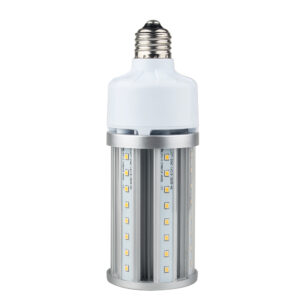
For lighting contractors, the foundation of any successful lighting installation often begins with a thorough understanding of the components involved—chief among them, the light bulb base. The base is the critical interface between the bulb and the fixture, ensuring electrical connectivity, mechanical support, and ease of replacement. In the United States, the standard light bulb base, commonly known as the Edison screw base, dominates residential and commercial lighting applications.
Recognizing the nuances of the standard base types—such as the E26 and E27 screw bases—is essential for contractors aiming to deliver reliable and efficient lighting solutions. These bases are designed to fit securely into sockets, providing consistent electrical contact and mechanical stability. Choosing the correct base type not only ensures compatibility but also influences the longevity and safety of the lighting system.
Moreover, the standardization of light bulb bases simplifies inventory management and streamlines project planning. Contractors who master the specifications and variations of these bases can anticipate client needs, avoid installation errors, and reduce costly callbacks. This technical knowledge forms the bedrock of professional expertise in the lighting industry.
In addition to the practical aspects of installation, understanding light bulb bases also opens up avenues for energy efficiency and sustainability. With the rise of LED technology, many contractors are now faced with the challenge of transitioning from traditional incandescent bulbs to more energy-efficient options. This shift not only requires knowledge of the various base types but also an understanding of how these new bulbs interact with existing fixtures. By selecting LED bulbs that fit standard bases, contractors can help clients reduce energy consumption, lower utility bills, and contribute to a greener environment.
Furthermore, the evolution of smart lighting technology has introduced new base types and configurations, expanding the landscape of lighting solutions available to contractors. Smart bulbs often come with integrated features such as dimming capabilities, color temperature adjustments, and remote control functionalities. By staying informed about these advancements and their compatibility with standard bases, contractors can offer innovative solutions that enhance the user experience while maintaining the integrity of the lighting system. This adaptability not only showcases a contractor’s expertise but also positions them as a forward-thinking professional in a rapidly changing industry.
Technical Proficiency: A Key Differentiator Among Lighting Contractors
Comprehensive Knowledge of Base Types and Their Applications
Top lighting contractors distinguish themselves through an in-depth understanding of various light bulb bases beyond the standard Edison screw. While E26 and E27 bases are prevalent, other types such as bayonet, bi-pin, and GU bases are common in specialty and commercial lighting. Each base type serves specific applications, voltage requirements, and fixture designs.
For example, bayonet bases, favored in certain regions and applications, offer a twist-and-lock mechanism that provides vibration resistance, making them suitable for industrial settings. Bi-pin bases are often used in halogen and LED spotlights, requiring precise socket compatibility. GU bases, with their two-pronged design, are common in track lighting and recessed fixtures.
Contractors who can accurately identify and source the correct base type for a given project demonstrate professionalism and reduce the risk of installation failures. This technical proficiency also enables them to advise clients on optimal lighting solutions tailored to specific environments and usage patterns. Moreover, understanding the nuances of each base type allows contractors to recommend innovative lighting designs that enhance both functionality and aesthetics. For instance, in retail spaces, the choice of a specific base type can significantly influence the ambiance and customer experience, making it essential for contractors to stay informed about the latest trends and technologies in lighting.
Mastery of Electrical Standards and Safety Codes
Adherence to electrical standards and safety codes is non-negotiable in lighting installations. The National Electrical Code (NEC) and Underwriters Laboratories (UL) guidelines dictate the acceptable practices for wiring, grounding, and fixture compatibility. Lighting contractors who stay current with these regulations ensure that installations are safe, compliant, and insurance-friendly.
Understanding the electrical ratings associated with different bulb bases—such as voltage, wattage, and current capacity—is crucial. For instance, installing a bulb with a higher wattage than the socket rating can lead to overheating and potential fire hazards. Top contractors meticulously verify that the bulb base and fixture specifications align to prevent such risks.
Furthermore, knowledge of emerging standards related to energy efficiency and environmental impact, including ENERGY STAR certifications and RoHS compliance, positions contractors as forward-thinking professionals. Clients increasingly seek sustainable lighting solutions, and contractors who integrate these considerations into their projects gain a competitive edge. Additionally, a thorough grasp of local building codes and regulations ensures that contractors can navigate the complexities of permitting and inspections, streamlining the project timeline and enhancing client satisfaction. As the industry evolves, staying abreast of technological advancements—such as smart lighting systems and IoT integration—further empowers contractors to offer cutting-edge solutions that meet modern demands for efficiency and control in lighting design.
Project Management and Client Communication: Elevating Contractor Performance
Accurate Assessment and Planning
Successful lighting projects hinge on precise assessment and meticulous planning. Leading contractors conduct thorough site evaluations to determine the appropriate bulb bases and fixture types required. This includes analyzing existing infrastructure, electrical load capacities, and environmental conditions such as moisture and temperature. An in-depth understanding of these factors not only aids in selecting the right components but also helps in forecasting potential challenges that may arise during installation.
By leveraging detailed assessments, contractors can recommend the most suitable standard bulb bases that optimize performance and durability. For example, in damp locations, selecting bases and fixtures with appropriate ingress protection ratings ensures longevity and safety. Additionally, considering energy efficiency ratings and compatibility with smart lighting systems can enhance the overall functionality of the lighting setup, providing clients with a modern solution that meets their needs for both aesthetics and efficiency.
Effective planning also encompasses inventory management, ensuring that the correct bases and bulbs are available to avoid project delays. Contractors who implement robust supply chain strategies minimize downtime and enhance client satisfaction. Furthermore, proactive scheduling and coordination with suppliers can lead to cost savings, allowing contractors to pass on these benefits to their clients, thereby fostering a collaborative and positive working relationship.
Clear and Transparent Client Communication
Top contractors excel in communicating technical details in an accessible manner. Explaining the significance of choosing the right bulb base, potential energy savings, and maintenance considerations helps clients make informed decisions. Transparency about costs, timelines, and potential challenges builds trust and sets realistic expectations. This open line of communication not only keeps clients informed but also allows them to voice their concerns or preferences, ensuring that the final outcome aligns with their vision.
Moreover, contractors who provide educational insights about standard light bulb bases empower clients to appreciate the value of quality components and professional installation. This rapport often leads to repeat business and referrals, reinforcing the contractor’s reputation. By offering workshops or informational sessions on lighting technology, contractors can further engage clients, turning a simple project into a partnership where both parties feel invested in the outcome. Such initiatives not only enhance client knowledge but also position the contractor as a thought leader in the industry, fostering long-term relationships built on trust and expertise.
Adoption of Advanced Tools and Technologies
Utilizing Digital Tools for Precision and Efficiency
The integration of digital tools has transformed how lighting contractors approach their work. Software applications for lighting design and simulation enable contractors to visualize how different bulb bases and fixtures will perform in a space before installation. This predictive capability reduces errors and optimizes lighting quality.
Inventory management systems help track stock levels of various bulb bases, ensuring timely procurement and reducing waste. Additionally, mobile apps facilitate on-site documentation, real-time communication with suppliers, and instant access to technical specifications.
Contractors who embrace these technologies demonstrate a commitment to precision and efficiency, distinguishing themselves in a competitive market.
Incorporating Energy-Efficient and Smart Lighting Solutions
Modern lighting projects increasingly incorporate LED technology and smart lighting controls. Understanding the compatibility of standard bulb bases with LED replacements is crucial for contractors. LED bulbs often come with the same base types as traditional incandescent bulbs, allowing for straightforward retrofitting without fixture replacement.
Smart lighting systems, which may include dimmers, sensors, and wireless controls, require contractors to ensure that the bulb bases and fixtures support these functionalities. Expertise in integrating standard bases with advanced lighting controls positions contractors as leaders in innovative lighting solutions.
Commitment to Quality and After-Sales Support
Ensuring Long-Term Reliability
Top lighting contractors prioritize quality in every aspect of their work. This includes sourcing bulbs and bases from reputable manufacturers known for durability and performance. Using high-quality components reduces the likelihood of premature failures and maintenance issues.
Contractors also implement best practices during installation, such as proper socket wiring, secure base seating, and adherence to torque specifications. These practices enhance the reliability of the lighting system and extend its service life.
Clients benefit from fewer disruptions and lower maintenance costs, reinforcing the contractor’s value proposition.
Providing Comprehensive After-Sales Services
Exceptional contractors offer robust after-sales support, including maintenance, troubleshooting, and replacement services. They educate clients on proper bulb replacement techniques and recommend schedules for routine inspections.
By maintaining ongoing relationships, contractors can anticipate future lighting needs, recommend upgrades, and ensure continued client satisfaction. This proactive approach fosters loyalty and establishes the contractor as a trusted partner rather than a one-time service provider.
Conclusion: The Hallmarks of Top Lighting Contractors in Standard Light Bulb Base Usage
In the competitive landscape of lighting contracting, mastery of standard light bulb bases is a fundamental differentiator. Top contractors combine technical expertise, adherence to safety standards, strategic project management, and effective client communication to deliver superior lighting solutions.
Their embrace of advanced technologies and commitment to quality further elevate their service, ensuring that installations are safe, efficient, and future-proof. By providing comprehensive after-sales support, these contractors build lasting client relationships that drive sustained success.
For lighting contractors aiming to distinguish themselves, investing in knowledge about standard bulb bases and integrating best practices across all project stages is essential. This foundation enables them to meet evolving client demands and industry trends with confidence and professionalism.
Illuminate Your Projects with LumenWholesale
Ready to elevate your lighting projects with the expertise and quality you deserve? At LumenWholesale, we provide lighting contractors with an extensive selection of top-quality, spec-grade lighting products at unbeatable wholesale prices. Say goodbye to inflated markups and hello to superior lighting that meets the highest industry standards. With free shipping on bulk orders, we ensure that you get the premium lighting you need at the best value — all without hidden fees or compromises. Don’t miss out on the perfect blend of quality, affordability, and convenience. Make LumenWholesale your go-to source for all your lighting needs and Wholesale Lighting at the Best Value.