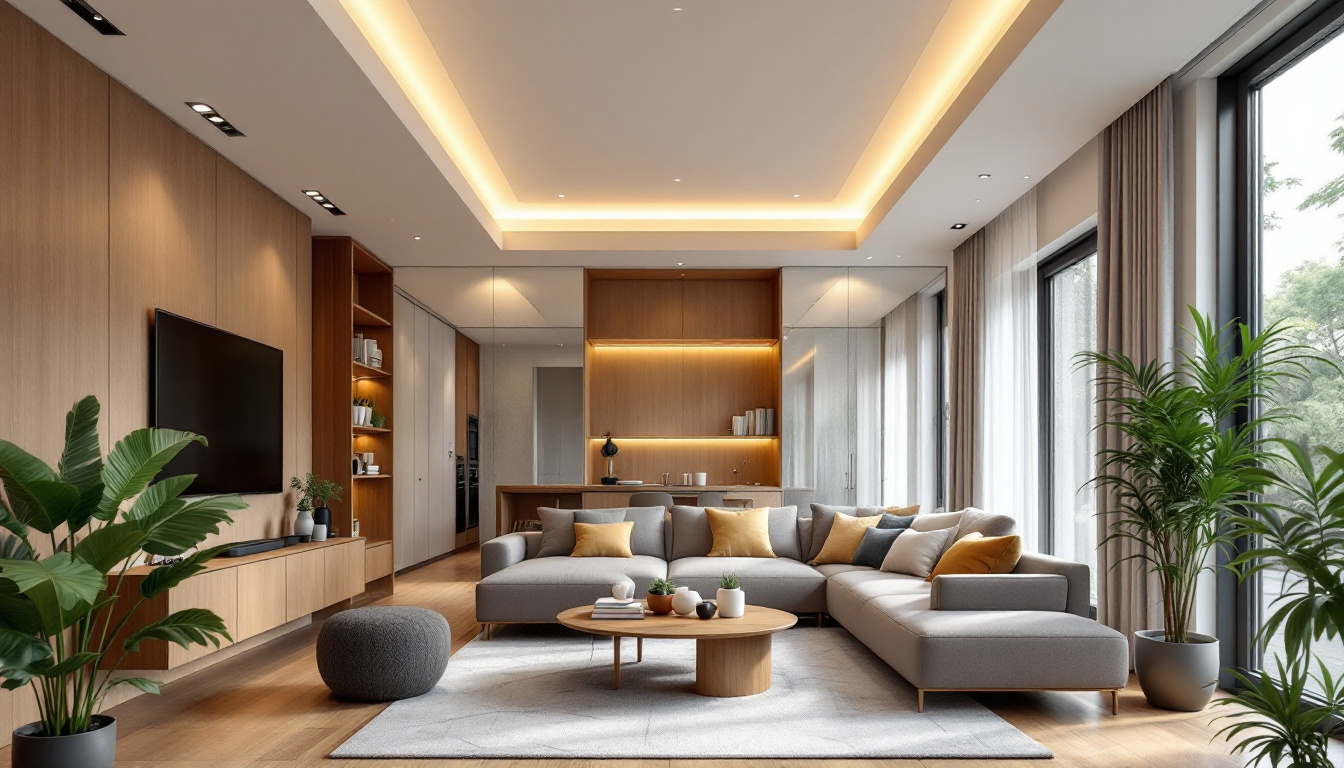
Understanding Recessed Lighting and Its Unique Requirements
Recessed lighting, often referred to as can lighting or downlighting, has become a staple in modern residential and commercial environments. Its sleek, unobtrusive design allows for clean ceilings and focused illumination, making it a favorite among lighting contractors aiming to create both functional and aesthetically pleasing spaces. This type of lighting is particularly effective in areas where a minimalist look is desired, as it can blend seamlessly into the architecture of a room, providing light without the distraction of hanging fixtures or bulky lamps.
However, selecting the right bulb for recessed fixtures involves more than just picking a bulb that fits. The unique housing, heat dissipation needs, beam angles, and dimming capabilities all play critical roles in bulb performance and longevity. For contractors, understanding these nuances is essential to delivering quality installations that meet client expectations and comply with safety standards. Additionally, the choice of color temperature can greatly influence the ambiance of a space, with warmer tones creating a cozy feel, while cooler tones can enhance a more modern, clean aesthetic.
The Anatomy of Recessed Fixtures
Recessed fixtures typically consist of three main parts: the housing, the trim, and the bulb. The housing is installed within the ceiling and may be rated for insulation contact (IC) or non-IC, which affects heat management and bulb compatibility. The trim controls the direction and spread of light, while the bulb provides the illumination source. The variety of trim styles available—from baffle to reflector—allows for customization in light distribution and aesthetic appeal, catering to different design preferences and functional needs.
Because recessed fixtures are often enclosed, heat buildup can be a significant issue. This makes the choice of bulb critical, as some types generate more heat than others, potentially reducing fixture lifespan or posing fire risks if not properly managed. LED bulbs, for instance, are favored for their lower heat output and energy efficiency, making them a safer and more sustainable option. Furthermore, the integration of smart technology into recessed lighting systems is on the rise, allowing for enhanced control over brightness and color settings, which can be adjusted via mobile apps or voice commands, adding a layer of convenience and modernity to lighting design.
Key Bulb Types for Recessed Lighting
Lighting contractors must be familiar with the various bulb technologies suitable for recessed lighting to make informed recommendations. The most common types include incandescent, halogen, compact fluorescent lamps (CFLs), and light-emitting diode (LED) bulbs. Each has distinct characteristics impacting efficiency, color rendering, heat output, and cost.
Incandescent Bulbs
Incandescent bulbs were once the standard for recessed lighting due to their warm light and excellent color rendering index (CRI). However, they are highly inefficient, converting most energy into heat rather than light. This heat can exacerbate issues in enclosed recessed fixtures, especially in non-IC rated housings.
Given their short lifespan and energy inefficiency, incandescent bulbs are now rarely recommended by lighting contractors except in very specific applications where color quality is paramount and energy use is less of a concern.
Halogen Bulbs
Halogen bulbs are a type of incandescent lighting that offers higher efficiency and a slightly longer lifespan. They produce a bright, crisp light with excellent color rendering, making them popular for accent and task lighting within recessed fixtures.
Despite these advantages, halogen bulbs still generate significant heat and consume more energy compared to newer technologies. Their use in recessed lighting requires careful consideration of fixture ratings and ventilation to prevent overheating.
Compact Fluorescent Lamps (CFLs)
CFLs marked a significant improvement in energy efficiency over incandescent and halogen bulbs. They consume less power and have a longer lifespan, which can reduce maintenance costs in commercial installations.
However, CFLs have drawbacks in recessed lighting applications. They often have slower warm-up times, contain mercury (posing disposal challenges), and may not dim smoothly or at all. Additionally, their size and shape can limit compatibility with certain trim designs.
Light-Emitting Diode (LED) Bulbs
LED technology has revolutionized recessed lighting. LEDs offer superior energy efficiency, long lifespans, and minimal heat output, making them ideal for enclosed fixtures. Their compact size allows for versatile designs and beam angle options, enabling contractors to tailor lighting schemes precisely.
Modern LED bulbs come with a wide range of color temperatures and excellent CRI values, allowing for both warm, inviting atmospheres and bright, task-oriented lighting. Furthermore, LEDs are fully dimmable with compatible controls, enhancing client satisfaction and energy savings.
Smart Approaches to Selecting Bulbs for Recessed Lighting
For lighting contractors, the decision-making process involves balancing client needs, fixture specifications, energy codes, and budget constraints. Employing a strategic approach ensures optimal performance and client satisfaction.
Assessing Fixture Compatibility and Safety Ratings
One of the first steps is verifying the fixture’s IC rating. IC-rated housings allow insulation to come into contact with the fixture, enabling safer use of higher heat bulbs like halogens if necessary. Non-IC housings require bulbs that emit less heat, such as LEDs, to prevent fire hazards.
Contractors should also consider the fixture’s voltage requirements (line voltage or low voltage) and ensure the bulb matches these specifications. Using an incompatible bulb can lead to premature failure or electrical issues.
Prioritizing Energy Efficiency and Longevity
Energy efficiency is a critical factor, especially in commercial projects where lighting can represent a significant portion of electricity consumption. LEDs typically offer the best balance of efficiency and lifespan, often lasting tens of thousands of hours compared to a few thousand for incandescents or halogens.
Longer-lasting bulbs reduce maintenance frequency and costs, a selling point for property managers and commercial clients. Contractors who emphasize these benefits can differentiate themselves by offering sustainable, cost-effective solutions.
Considering Light Quality and Aesthetics
Light quality encompasses color temperature, CRI, and beam angle. Warm white light (2700K to 3000K) is generally preferred for residential settings to create cozy environments, while cooler temperatures (3500K to 4100K) suit commercial or task-oriented spaces.
High CRI bulbs (above 80) ensure colors appear natural and vibrant, which is important in retail, hospitality, and art spaces. Beam angle affects how light spreads; narrow beams highlight specific areas, while wider beams provide general illumination. Contractors should match beam angles to the intended lighting effect.
Integrating Dimming and Smart Controls
Modern recessed lighting installations often incorporate dimming capabilities and smart controls to enhance ambiance and energy savings. Not all bulbs are compatible with dimmers, and some require specific dimmer types, such as trailing-edge or LED-compatible dimmers.
Smart bulbs and fixtures that integrate with home automation systems offer additional flexibility, allowing clients to adjust lighting scenes, colors, and schedules via apps or voice commands. Contractors knowledgeable in these technologies can provide added value and future-proof installations.
Practical Examples and Case Studies
Examining real-world applications helps illustrate how these principles come together in practice. Lighting contractors frequently encounter diverse scenarios requiring tailored bulb selections.
Residential Kitchen Remodel
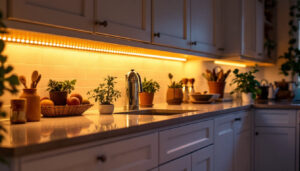
In a kitchen remodel, recessed lighting is often used for general illumination and task lighting over counters and islands. A contractor might select LED bulbs with a warm white color temperature (around 3000K) and a CRI above 90 to ensure food preparation areas are well-lit and colors appear natural.
Choosing dimmable LEDs with a beam angle of 40 to 60 degrees provides broad coverage without harsh shadows. The contractor would verify that the fixtures are IC-rated to safely use these bulbs and recommend compatible dimmer switches for smooth operation.
Commercial Office Space Upgrade
For an office upgrade, energy efficiency and maintenance reduction are top priorities. LEDs with cooler color temperatures (3500K to 4100K) enhance alertness and productivity. High lumen output and narrow beam angles help reduce the number of fixtures needed, lowering installation costs.
Smart lighting controls integrated with occupancy sensors and daylight harvesting systems further optimize energy use. The contractor ensures all bulbs are compatible with these systems and comply with local energy codes.
Hospitality Ambient Lighting
In a hotel lobby or restaurant, ambiance is key. Contractors often choose LEDs with adjustable color temperatures and high CRI to create inviting atmospheres that can shift from warm evenings to brighter daytime settings.
Accent lighting with narrow beam angles highlights architectural features or artwork, while general recessed lighting provides balanced illumination. Integrating smart controls allows staff to easily modify scenes for different events or times of day.
Future Trends and Innovations in Recessed Lighting Bulbs
The lighting industry continues to evolve rapidly, with emerging technologies promising even greater efficiency, control, and design flexibility.
Advances in LED Technology
Ongoing improvements in LED chip design and thermal management are enabling smaller, more powerful bulbs with improved color rendering and tunable white capabilities. These advancements allow contractors to offer clients lighting that adapts dynamically to changing needs and preferences.
Integration with IoT and Smart Building Systems
Recessed lighting is increasingly integrated into Internet of Things (IoT) ecosystems, enabling centralized control, predictive maintenance, and energy analytics. Contractors skilled in these systems can provide comprehensive solutions that enhance building performance and user experience.
Sustainability and Environmental Considerations
As sustainability becomes a priority, contractors are encouraged to specify bulbs with minimal environmental impact, including those free from hazardous materials and designed for recyclability. Energy codes and green building certifications often influence bulb selection, making knowledge of these requirements essential.
Conclusion: The Smart Contractor’s Path to Optimal Recessed Lighting
For lighting contractors, mastering the selection of bulbs for recessed lighting is a critical component of delivering high-quality, safe, and efficient installations. By understanding fixture requirements, evaluating bulb technologies, and considering client needs, contractors can design lighting solutions that excel in performance and aesthetics.
Staying informed about technological advances and industry trends further empowers contractors to provide innovative, sustainable, and future-ready lighting systems. Ultimately, a thoughtful, informed approach to bulb selection enhances client satisfaction and positions contractors as trusted experts in the competitive lighting market.
Get Your Premium Lighting Supplies at LumenWholesale
Ready to elevate your recessed lighting installations with the finest bulbs on the market? Look no further than LumenWholesale, where we provide contractors with exceptional, spec-grade lighting products at the best wholesale prices. Our commitment to quality and affordability ensures that you have access to a vast selection of industry-standard lighting solutions for any project. With the added convenience of free shipping on bulk orders, LumenWholesale is your go-to source for premium lighting without the extra costs. Make the smart choice and explore our collection at LumenWholesale for the best value in wholesale lighting.