Understanding the Role of Junction Boxes in Flood Light Installations
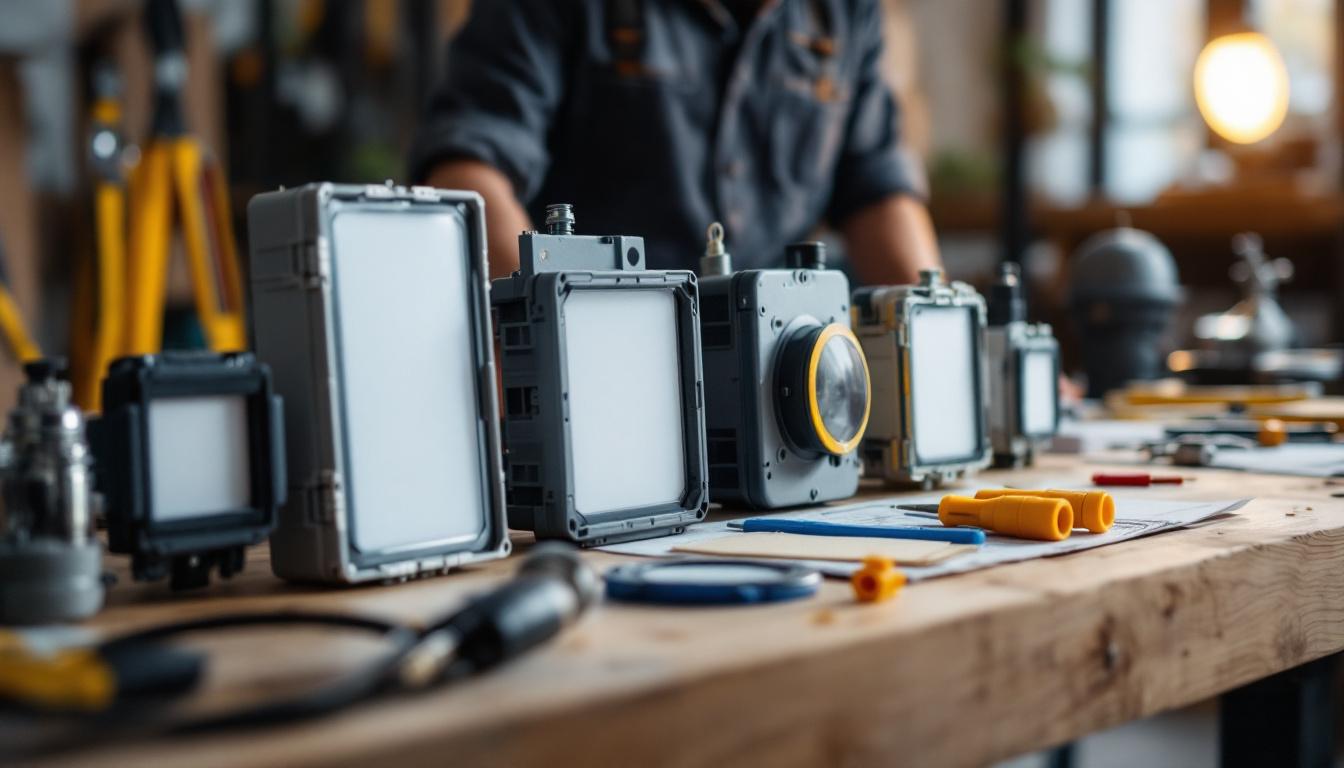
For lighting contractors, the junction box is a critical component in any flood light installation. It serves as the central hub where electrical connections are made, ensuring that power is safely and efficiently distributed to the flood light fixture. Beyond merely housing wires, a properly chosen junction box protects connections from environmental factors, prevents electrical hazards, and facilitates maintenance.
Flood lights are often installed in outdoor or semi-exposed environments, which means the junction box must be robust enough to withstand moisture, dust, temperature fluctuations, and physical impacts. Selecting the right junction box is not just about fitting wires together; it’s about ensuring long-term durability, compliance with electrical codes, and ease of installation.
Why Junction Boxes Matter in Flood Light Safety and Performance
Improperly selected or installed junction boxes can lead to electrical shorts, corrosion of connections, and even fire hazards. For lighting contractors, this translates into potential liability and costly callbacks. A junction box that is too small or lacks the necessary ingress protection rating can compromise the entire lighting system’s reliability.
Furthermore, the right junction box facilitates easier troubleshooting and upgrades. When flood lights need to be replaced or rewired, a well-chosen box with accessible wiring space and proper sealing can save significant time and effort.
Additionally, the material of the junction box plays a pivotal role in its performance. Options such as plastic, metal, or fiberglass each have their own advantages and drawbacks. For instance, while plastic boxes are lightweight and resistant to corrosion, metal boxes offer superior strength and grounding capabilities. Understanding the specific environmental conditions and the electrical load requirements is essential in making the right choice. Moreover, contractors should also consider the ease of installation; some junction boxes come with built-in mounting features that can streamline the process, saving valuable time on the job site.
Another aspect worth noting is the importance of proper sealing and grommets within the junction box. These features are crucial for preventing water ingress, which can lead to short circuits and component failure. Many modern junction boxes are designed with advanced sealing technologies that enhance their protective qualities. This is particularly important in areas prone to heavy rainfall or snow, where moisture can easily infiltrate unprotected electrical connections. By investing in high-quality junction boxes with superior sealing capabilities, contractors can significantly extend the lifespan of their flood light installations and reduce the risk of future maintenance issues.
“`html
Key Factors to Consider When Choosing Junction Boxes for Flood Lights
Choosing the right junction box involves evaluating a range of factors that influence both installation ease and long-term functionality. Lighting contractors should consider the following:
Material and Durability
Junction boxes come in various materials, including plastic, metal (such as aluminum or steel), and fiberglass. For outdoor flood light installations, durability against weather conditions is paramount. Metal boxes offer excellent strength and are often preferred for commercial or industrial settings due to their robustness and grounding capabilities. However, they may be prone to corrosion if not properly coated or maintained.
Plastic and fiberglass boxes are corrosion-resistant and lightweight, making them ideal for wet environments. They also provide electrical insulation, which can be beneficial in certain installations. However, they may not offer the same mechanical protection as metal boxes in high-impact areas. Additionally, the choice of material can affect the thermal performance of the junction box, which is particularly important in high-temperature environments where overheating could lead to failure.
Ingress Protection (IP) Rating
The IP rating indicates how well the junction box resists dust and water ingress. For flood light applications, an IP rating of at least IP65 is generally recommended. This ensures the box is dust-tight and protected against water jets from any direction, which is essential for outdoor exposure.
In environments where the flood light is exposed to heavy rain, standing water, or even direct spray from sprinklers, a higher IP rating (such as IP66 or IP67) may be necessary. Lighting contractors should assess the specific site conditions and select a junction box with an appropriate rating to prevent moisture-related failures. Furthermore, it is advisable to consider the potential for environmental contaminants, such as salt in coastal areas, which can accelerate corrosion and necessitate a more robust IP-rated solution.
Size and Capacity
Junction boxes must provide enough space to accommodate all wiring connections without overcrowding. Overfilled boxes can lead to overheating and difficulty during installation or maintenance. The National Electrical Code (NEC) provides guidelines on box fill calculations, which contractors should follow to ensure safety and compliance.
When selecting a junction box, consider the number and gauge of wires, connectors, and any additional components such as terminal blocks or surge protectors. A box that is too small will complicate wiring and increase the risk of damage to conductors. Additionally, it’s important to factor in future expansions or modifications to the lighting system. Choosing a slightly larger box can provide the flexibility needed for any unforeseen changes, ensuring that the installation remains efficient and safe over time.
Mounting Options and Compatibility
Flood light junction boxes come with various mounting configurations, including wall-mounted, surface-mounted, or recessed options. Contractors should choose a box that aligns with the installation location and the type of flood light fixture being used.
Compatibility with conduit fittings and cable entries is also crucial. Some junction boxes feature multiple knockouts or pre-drilled holes to accommodate different conduit sizes and cable types. This flexibility can simplify installation and reduce the need for additional adapters or modifications. Moreover, considering the mounting height and accessibility for future maintenance is essential; a well-placed junction box can significantly ease the process of replacing bulbs or servicing the flood lights, ultimately enhancing the longevity of the installation.
“`
Types of Junction Boxes Suitable for Flood Light Installations
Understanding the different types of junction boxes available helps lighting contractors make informed decisions tailored to their project needs.
Weatherproof Electrical Boxes
These boxes are specifically designed for outdoor use and come with gaskets and sealed covers to prevent water ingress. They are typically made of corrosion-resistant materials and have an IP rating suitable for harsh environments.
Weatherproof boxes often feature hinged covers with latches for easy access, making them ideal for flood light installations where periodic maintenance is anticipated.
Die-Cast Aluminum Boxes
Die-cast aluminum junction boxes offer superior mechanical strength and excellent heat dissipation. Their rugged construction makes them suitable for industrial flood lighting applications where physical impacts or vibration may be a concern.
Additionally, aluminum boxes provide good electromagnetic interference (EMI) shielding, which can be beneficial in environments with sensitive electronic equipment.
Plastic and Fiberglass Boxes
These boxes are lightweight and corrosion-resistant, making them a popular choice for residential and commercial flood light installations. They are non-conductive, reducing the risk of electrical shock, and often come with high IP ratings.
Plastic boxes are easier to handle and install, but contractors should ensure they are rated for the specific environmental conditions of the installation site.
Installation Best Practices for Junction Boxes in Flood Light Systems
Proper installation of junction boxes is as important as selecting the right box. Lighting contractors should adhere to the following best practices to ensure safety, compliance, and longevity:
Ensure Proper Sealing and Waterproofing
Use appropriate gaskets, sealants, and weatherproof covers to prevent moisture ingress. All cable entries should be sealed with waterproof fittings or conduit seals. This is especially critical in flood light installations exposed to rain, humidity, or irrigation systems.
Follow Electrical Codes and Standards
Compliance with local electrical codes, including the NEC, is mandatory. This includes proper box fill calculations, grounding requirements, and the use of approved materials and components. Adhering to these standards reduces liability and enhances system reliability.
Organize Wiring for Accessibility
Arrange wires neatly within the junction box, using cable ties or wire organizers if necessary. Labeling wires can also aid future maintenance or troubleshooting. Avoid overcrowding and ensure that all connections are secure and insulated.
Use Corrosion-Resistant Hardware
When installing metal junction boxes outdoors, use stainless steel or galvanized screws and fasteners to prevent rust. This extends the lifespan of the installation and maintains structural integrity.
Common Challenges and Solutions When Selecting Junction Boxes
Lighting contractors often encounter challenges during junction box selection and installation. Understanding these issues and how to address them can improve project outcomes.
Challenge: Limited Space in Tight Installations
Solution: Opt for compact yet deep junction boxes designed for confined areas. Modular boxes that can be expanded or combined may also help accommodate wiring without sacrificing accessibility.
Challenge: Exposure to Harsh Chemicals or Saltwater
Solution: Use junction boxes made from high-grade fiberglass or specialized plastics resistant to chemical corrosion. Marine-grade boxes with enhanced sealing are advisable for coastal or industrial environments.
Challenge: Matching Junction Boxes with Diverse Flood Light Fixtures
Solution: Choose junction boxes with versatile mounting options and multiple conduit knockouts. Standardized boxes that comply with common fixture mounting patterns simplify compatibility issues.
Conclusion: Making the Right Choice for Long-Term Success
For lighting contractors, selecting the right junction box for flood light installations is a foundational decision that impacts safety, durability, and client satisfaction. By carefully considering material, size, ingress protection, and installation environment, contractors can ensure reliable performance and reduce maintenance challenges.
Investing time in understanding the specific requirements of each project and adhering to best practices in installation will not only safeguard the electrical system but also enhance professional reputation and operational efficiency. The junction box may be a small component, but its role in flood light systems is undeniably significant.
“`html
Get Your Premium Junction Boxes at LumenWholesale
Ready to enhance your flood light installations with the highest quality junction boxes? Look no further than LumenWholesale, where we provide lighting contractors with spec-grade lighting products at unbeatable wholesale prices. Our selection is designed to meet the most rigorous industry standards, ensuring your projects shine with reliability and performance. Plus, with free shipping on bulk orders, you can stock up on the best lighting solutions without worrying about hidden fees. Don’t compromise on quality or value—visit LumenWholesale today for the best in wholesale lighting.
“`