Understanding LED Light Rate and Its Impact on Lighting Projects
For lighting contractors, mastering the concept of LED light rate is essential to delivering efficient, cost-effective, and high-quality lighting solutions. LED light rate, often referred to as the luminous efficacy or the rate at which an LED converts electrical power into visible light, directly influences energy consumption, fixture performance, and overall client satisfaction.
LED technology has revolutionized the lighting industry by offering superior energy efficiency compared to traditional lighting sources. However, the true value of LED lighting is realized when contractors understand how to leverage light rate metrics to optimize their installations. This means selecting the right LEDs with appropriate lumen output, color temperature, and power consumption tailored to each project’s unique requirements.
By focusing on LED light rate, contractors can ensure that their lighting designs not only meet but exceed client expectations while reducing operational costs and environmental impact. This foundational knowledge sets the stage for real-world applications where LED lighting shines—both figuratively and literally.
Moreover, understanding the nuances of LED light rate allows contractors to make informed decisions about fixture placement and design. For instance, a higher luminous efficacy means that less energy is required to achieve the same level of brightness, enabling designers to create more streamlined and aesthetically pleasing installations. This can be particularly beneficial in commercial spaces where ambiance plays a crucial role in customer experience. The ability to fine-tune the lighting not only enhances the visual appeal but also contributes to energy savings, making it a win-win for both the client and the environment.
Additionally, the advancements in LED technology have led to the development of smart lighting systems that can further optimize energy use based on real-time data. These systems can adjust brightness levels according to occupancy or natural light availability, ensuring that energy is not wasted. For contractors, integrating such smart solutions into their projects not only showcases their expertise but also positions them as forward-thinking professionals in a rapidly evolving industry. As clients increasingly seek sustainable and innovative solutions, a deep understanding of LED light rate becomes a vital asset in meeting these demands effectively.
Case Study 1: Transforming Commercial Spaces with LED Efficiency
Project Overview
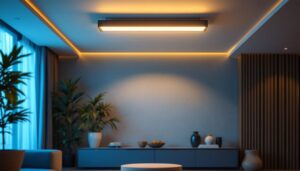
A mid-sized commercial office building sought to upgrade its aging fluorescent lighting system to improve energy efficiency and occupant comfort. The lighting contractor was tasked with designing a retrofit solution that minimized disruption and maximized energy savings. The building, home to several tech startups and creative agencies, required a lighting solution that not only enhanced the aesthetic appeal of the workspace but also fostered an environment conducive to innovation and collaboration. The project aimed to align with the company’s sustainability goals, which included reducing their carbon footprint and promoting a healthier workplace.
Implementation and LED Selection
The contractor selected LED fixtures with a high light rate, focusing on products that delivered over 120 lumens per watt. This choice ensured bright, uniform illumination while significantly reducing power consumption. Additionally, the LED fixtures featured tunable white technology, allowing for adjustments in color temperature to enhance employee productivity and well-being. The implementation process included a detailed analysis of each workspace, ensuring that the lighting design catered to specific tasks, from collaborative areas to quiet zones. The contractor also integrated smart lighting controls, enabling occupancy sensors and daylight harvesting features that further optimized energy use and adjusted lighting levels based on natural light availability.
Results and Benefits
Post-installation, the building experienced a 60% reduction in lighting energy use, translating to substantial cost savings on utility bills. Occupant feedback highlighted improved lighting quality, with fewer complaints about glare or flicker. The contractor’s expertise in leveraging LED light rate metrics was instrumental in achieving these outcomes, showcasing the tangible benefits of LED technology in commercial environments. Furthermore, the enhanced lighting conditions contributed to a noticeable increase in employee satisfaction and productivity, as workers reported feeling more energized and focused. The project not only met the initial energy efficiency goals but also elevated the overall workplace atmosphere, reinforcing the company’s commitment to providing a modern and sustainable work environment. As a result, the building management team began exploring additional energy-saving initiatives, inspired by the success of the LED retrofit.
Case Study 2: Enhancing Outdoor Lighting for Municipal Projects
Project Overview
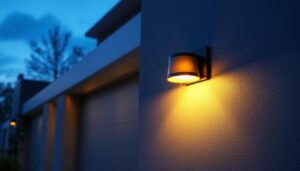
A city municipality aimed to upgrade its street lighting infrastructure to improve public safety and reduce maintenance costs. The lighting contractor faced challenges related to harsh weather conditions and the need for long-lasting, energy-efficient solutions. The project involved a comprehensive assessment of existing lighting conditions, including a detailed analysis of light pollution, which is often overlooked in urban planning. By addressing these factors, the municipality not only sought to enhance visibility but also to create a more aesthetically pleasing nighttime environment that fosters community engagement and safety.
LED Light Rate Considerations
Choosing LEDs with a high light rate and robust build quality was critical. The contractor opted for fixtures with lumen outputs tailored to different street types, ensuring adequate illumination without excessive energy use. The LED fixtures also featured smart controls, enabling dimming during low-traffic hours to further conserve energy. This technology allowed for real-time monitoring of light levels and the ability to adjust settings based on weather conditions or special events, ensuring that the lighting was both efficient and responsive to the community’s needs. Additionally, the use of smart sensors helped in detecting motion, which further optimized energy consumption by increasing brightness only when necessary.
Outcomes and Community Impact
The LED upgrade resulted in a 50% reduction in energy consumption and a significant decrease in maintenance frequency due to the longer lifespan of LED fixtures. Enhanced lighting levels contributed to improved pedestrian and driver safety, demonstrating how understanding and applying LED light rate principles can positively affect public infrastructure projects. The community reported a noticeable increase in evening foot traffic, as residents felt more secure walking in well-lit areas. Moreover, local businesses benefitted from the increased visibility, leading to higher patronage during nighttime hours. The project not only improved safety but also revitalized the neighborhood, fostering a sense of pride among residents and encouraging more outdoor activities and community events.
Case Study 3: Residential Lighting Upgrades with a Focus on Aesthetics and Efficiency
Project Overview
A residential developer sought to incorporate modern, energy-efficient lighting solutions into a new housing development. The goal was to balance aesthetic appeal with sustainability, appealing to environmentally conscious buyers. The project aimed not only to enhance the visual appeal of the homes but also to create a sense of community through thoughtful lighting design that encourages social interaction and outdoor activities.
Strategic LED Integration
The lighting contractor selected LEDs with moderate light rates optimized for residential settings, emphasizing warm color temperatures to create inviting atmospheres. Fixtures were chosen to complement architectural features while delivering consistent illumination. The contractor also educated the developer on the benefits of LED lighting, including lower energy bills and reduced environmental impact. In addition to traditional fixtures, the integration of smart lighting technology allowed homeowners to control their lighting remotely, further enhancing convenience and energy efficiency. This approach not only catered to the aesthetic preferences of the buyers but also aligned with the growing trend of smart home integration, making the homes more appealing to tech-savvy consumers.
Success and Client Satisfaction
The project resulted in a visually appealing neighborhood with energy-efficient lighting that enhanced curb appeal. Homeowners appreciated the reduced energy costs and the quality of light, which contributed to overall comfort and satisfaction. This case highlights the importance of tailoring LED light rate and fixture selection to specific residential needs. Furthermore, the developer received positive feedback from the community, noting that the well-lit pathways and common areas encouraged evening strolls and gatherings, fostering a sense of belonging among residents. The thoughtful integration of lighting not only beautified the homes but also played a crucial role in enhancing the lifestyle of the community, proving that effective lighting design can significantly influence social dynamics in residential developments.
Best Practices for Lighting Contractors Leveraging LED Light Rate
Accurate Assessment of Project Requirements
Understanding the specific lighting needs of each project is paramount. This includes evaluating the space, usage patterns, and desired lighting effects. Contractors should use light rate data to select LEDs that provide the right balance of brightness and energy efficiency.
Prioritizing Quality and Longevity
High light rate LEDs often correlate with better quality and longer lifespan. Contractors should prioritize reputable manufacturers and products that offer consistent performance over time, reducing maintenance costs and enhancing client trust.
Incorporating Smart Controls and Dimming
Integrating smart lighting controls can optimize energy use by adjusting light output based on occupancy or time of day. This approach complements LED light rate advantages by further reducing unnecessary energy consumption.
Continuous Education and Staying Current
The LED lighting industry evolves rapidly. Contractors committed to ongoing education about advances in LED technology, including improvements in light rate, color rendering, and fixture design, position themselves as trusted experts and gain competitive advantages.
Conclusion: LED Light Rate as a Catalyst for Contractor Success
LED light rate is more than a technical specification; it is a critical factor that lighting contractors must understand and apply to achieve successful project outcomes. Real-world examples from commercial, municipal, and residential projects demonstrate how leveraging LED light rate leads to energy savings, improved lighting quality, and enhanced client satisfaction.
By integrating knowledge of LED light rate into project planning and execution, contractors can deliver innovative lighting solutions that meet modern demands for efficiency, sustainability, and aesthetics. This expertise not only benefits clients but also strengthens the contractor’s reputation and business growth in a competitive market.
Illuminate Your Projects with LumenWholesale
Ready to elevate your lighting projects with the efficiency and quality of LED light rate? Look no further than LumenWholesale, where we offer an extensive selection of top-quality, spec-grade lighting products at unbeatable wholesale prices. Say goodbye to inflated markups and hello to reliable, high-performance lighting that meets the highest industry standards. With free shipping on bulk orders, you can ensure your projects shine without breaking the bank. Make the smart choice for your business and explore our wholesale lighting options today to provide your clients with the best value in lighting solutions.