In the world of lighting, G bulbs have emerged as a popular choice for both residential and commercial applications. These versatile bulbs are known for their unique shapes and sizes, making them suitable for a wide range of fixtures. For lighting contractors, understanding G bulbs is essential for providing clients with the best options available. This article delves into everything lighting contractors need to know about G bulbs, from their types and applications to energy efficiency and installation tips.
Understanding G Bulbs
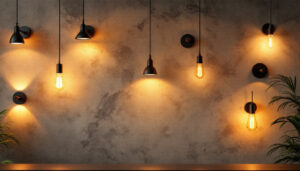
G bulbs, also referred to as globe bulbs, are characterized by their round or spherical shapes. They come in various sizes, with the most common being G16, G25, and G30. The letter “G” stands for “globe,” which reflects their shape. These bulbs are often used in decorative lighting, such as pendant lights, chandeliers, and outdoor fixtures. Their aesthetic appeal makes them a favorite among homeowners and designers alike.
Types of G Bulbs
G bulbs come in several types, each designed for specific lighting needs. The most common types include incandescent, halogen, compact fluorescent (CFL), and light-emitting diode (LED) bulbs. Understanding the differences between these types is crucial for contractors when recommending options to clients.
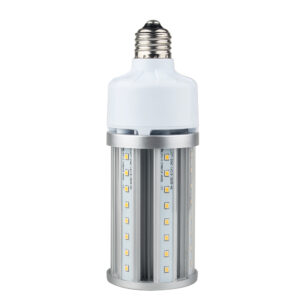
Incandescent G bulbs offer warm light and are typically less energy-efficient. Halogen versions provide a brighter light and have a longer lifespan compared to traditional incandescent bulbs. CFLs are more energy-efficient and have a longer life, but they may not produce the same quality of light. LED G bulbs are the most energy-efficient option available, boasting a long lifespan and low heat output. Furthermore, LED G bulbs are available in a variety of color temperatures, allowing users to choose between warm, soft light for a cozy atmosphere or cooler, daylight-like illumination for task-oriented spaces.
Applications of G Bulbs
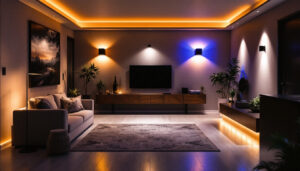
G bulbs are widely used in various applications, making them a versatile choice for contractors. They are commonly found in residential settings, such as living rooms, dining areas, and bedrooms, where their decorative nature enhances the ambiance. In commercial spaces, G bulbs are often used in retail displays, restaurants, and hotels to create inviting atmospheres.
Additionally, outdoor lighting fixtures frequently utilize G bulbs, providing both functionality and aesthetic appeal. Their ability to withstand different weather conditions makes them suitable for patios, gardens, and walkways. Beyond these typical uses, G bulbs can also be integrated into smart lighting systems, allowing users to control brightness and color remotely via mobile apps or voice commands. This modern twist not only enhances convenience but also allows for creative lighting designs that can adapt to any occasion, from intimate gatherings to festive celebrations.
Energy Efficiency and Sustainability
As energy efficiency becomes increasingly important in the lighting industry, G bulbs have evolved to meet these demands. LED G bulbs, in particular, stand out for their energy-saving capabilities. They consume significantly less energy compared to incandescent and halogen bulbs, resulting in lower electricity bills for clients. This shift towards more efficient lighting solutions not only benefits consumers financially but also plays a crucial role in reducing the overall carbon footprint associated with electricity generation.
Understanding Energy Ratings
When selecting G bulbs, it is essential to consider their energy ratings. The Energy Star label is a reliable indicator of energy efficiency, ensuring that the products meet strict guidelines set by the Environmental Protection Agency. Lighting contractors should encourage clients to choose Energy Star-rated G bulbs to promote sustainability and reduce energy consumption. Additionally, understanding the lumens-to-watts ratio can help clients make informed decisions, as this metric indicates how much light a bulb produces for each watt of energy consumed. A higher lumens-to-watts ratio signifies greater efficiency, which is a key factor in maximizing energy savings.
Furthermore, the wattage of G bulbs is an important factor to consider. Lower wattage bulbs can provide the same brightness as higher wattage incandescent bulbs, allowing clients to save on energy costs without sacrificing light quality. This is particularly relevant in commercial settings where lighting can account for a significant portion of energy use. By opting for lower wattage LED G bulbs, businesses can not only reduce their operational costs but also enhance their sustainability profile, which is increasingly important to consumers and stakeholders alike.
The Environmental Impact of G Bulbs
In addition to energy savings, the environmental impact of G bulbs is a significant consideration. Traditional incandescent bulbs have a shorter lifespan and contribute to more waste in landfills. In contrast, LED G bulbs can last up to 25 times longer, reducing the frequency of replacements and minimizing waste. This longevity not only translates to fewer bulbs being discarded but also less frequent manufacturing, which further conserves resources and energy in production processes.
Moreover, many LED bulbs are made from recyclable materials, making them a more sustainable choice overall. Lighting contractors should educate clients on the benefits of choosing environmentally friendly options, as this can influence purchasing decisions. By highlighting the lifecycle of LED G bulbs—from production to disposal—contractors can emphasize the reduced environmental impact compared to traditional lighting solutions. Additionally, the use of innovative technologies in LED manufacturing, such as improved thermal management and advanced optics, enhances performance while contributing to a greener planet. This holistic approach to lighting not only meets the needs of today’s consumers but also paves the way for a more sustainable future in the lighting industry.
Installation Tips for G Bulbs
Proper installation of G bulbs is crucial for optimal performance and longevity. Lighting contractors should follow specific guidelines to ensure that clients receive the best results from their lighting fixtures.
Choosing the Right Fixture
When installing G bulbs, it is essential to select the right fixture that accommodates the bulb’s size and shape. Contractors should consider the fixture’s wattage rating to ensure compatibility with the chosen G bulb. Overloading a fixture can lead to overheating and potential hazards.
Additionally, the placement of the fixture plays a vital role in achieving the desired lighting effect. For instance, G bulbs used in pendant lighting should be hung at an appropriate height to provide adequate illumination without being too harsh or too dim.
Safety Precautions
Safety should always be a priority when working with electrical fixtures. Contractors should ensure that the power is turned off before replacing or installing G bulbs. Using insulated tools and wearing appropriate personal protective equipment can further enhance safety during installation.
It’s also important to educate clients about the proper handling of G bulbs. For example, LED bulbs should not be exposed to extreme temperatures, and contractors should advise clients to avoid touching the glass part of the bulb with bare hands, as oils from the skin can affect performance.
Maintenance and Troubleshooting
Regular maintenance of G bulbs and their fixtures is essential for ensuring longevity and optimal performance. Lighting contractors should inform clients about the importance of routine checks and cleaning.
Cleaning G Bulbs
Dust and dirt can accumulate on G bulbs over time, affecting their brightness and overall appearance. Contractors should recommend that clients clean their bulbs periodically using a soft, dry cloth. If necessary, a damp cloth can be used, but care should be taken to avoid moisture entering the fixture.
For outdoor G bulbs, it’s important to ensure that the fixtures are weatherproof and that any debris is removed to prevent blockages that could lead to electrical issues.
Troubleshooting Common Issues
Despite their durability, G bulbs may encounter issues from time to time. Lighting contractors should be prepared to troubleshoot common problems, such as flickering or dim lighting. Flickering can often be attributed to loose connections or incompatible dimmer switches, while dim lighting may indicate that the bulb is nearing the end of its life.
Contractors should also educate clients on the signs of a failing bulb, such as discoloration or an unusual buzzing sound. Promptly addressing these issues can prevent further complications and ensure a safe lighting environment.
Future Trends in G Bulbs
The lighting industry is continually evolving, with new technologies and trends emerging regularly. Lighting contractors should stay informed about future developments in G bulbs to provide clients with the latest options.
Smart Lighting Integration
One of the most significant trends in lighting is the integration of smart technology. Smart G bulbs allow users to control their lighting remotely through smartphones or voice-activated devices. This technology enhances convenience and can lead to energy savings through automated scheduling and dimming features.
Contractors should familiarize themselves with the various smart G bulb options available and be prepared to assist clients in selecting and installing these innovative products. Educating clients on the benefits of smart lighting can also enhance their overall satisfaction with their lighting choices.
Advancements in LED Technology
As LED technology continues to advance, G bulbs are becoming more efficient and versatile. New developments may include improved color rendering, adjustable color temperatures, and enhanced dimming capabilities. Staying updated on these advancements allows contractors to offer clients the best possible lighting solutions.
Additionally, as manufacturers focus on sustainability, contractors can expect to see more eco-friendly options entering the market. These innovations will not only benefit clients but also contribute to a greener future.
Conclusion
G bulbs are an essential component of modern lighting, offering versatility, energy efficiency, and aesthetic appeal. For lighting contractors, understanding the various types, applications, and installation techniques associated with G bulbs is crucial for delivering exceptional service to clients.
By staying informed about energy efficiency, maintenance practices, and emerging trends, contractors can position themselves as knowledgeable professionals in the field. As the lighting industry continues to evolve, embracing new technologies and sustainable practices will ensure that contractors remain competitive and meet the changing needs of their clients.
Ultimately, G bulbs represent not just a lighting solution, but a pathway to creating beautiful and functional spaces that enhance the quality of life for homeowners and businesses alike.
Illuminate Your Projects with LumenWholesale
Ready to elevate your lighting game with the versatility and energy efficiency of G bulbs? Look no further than LumenWholesale, where we provide lighting contractors like you with top-quality, spec-grade lighting products at unbeatable wholesale prices. Our extensive selection is designed to meet the highest industry standards, ensuring reliable, high-performance lighting for every project. Plus, with free shipping on bulk orders, you can enjoy premium lighting at the best value — without hidden fees or compromises. Don’t miss out on the perfect blend of quality, affordability, and convenience. Visit LumenWholesale today and experience wholesale lighting at the best value for your next project.