In the ever-evolving world of retail, the significance of effective lighting cannot be overstated. As consumers become increasingly discerning, the role of lighting in shaping their shopping experience has gained paramount importance. This article delves into the various aspects of lighting for stores, exploring how it influences customer behavior, enhances product visibility, and contributes to overall store aesthetics.
The Psychological Impact of Lighting
Lighting plays a crucial role in shaping the atmosphere of a retail environment. It affects how customers perceive products and can significantly influence their purchasing decisions. Understanding the psychological impact of lighting is essential for lighting contractors aiming to create effective retail spaces.
Creating Ambiance
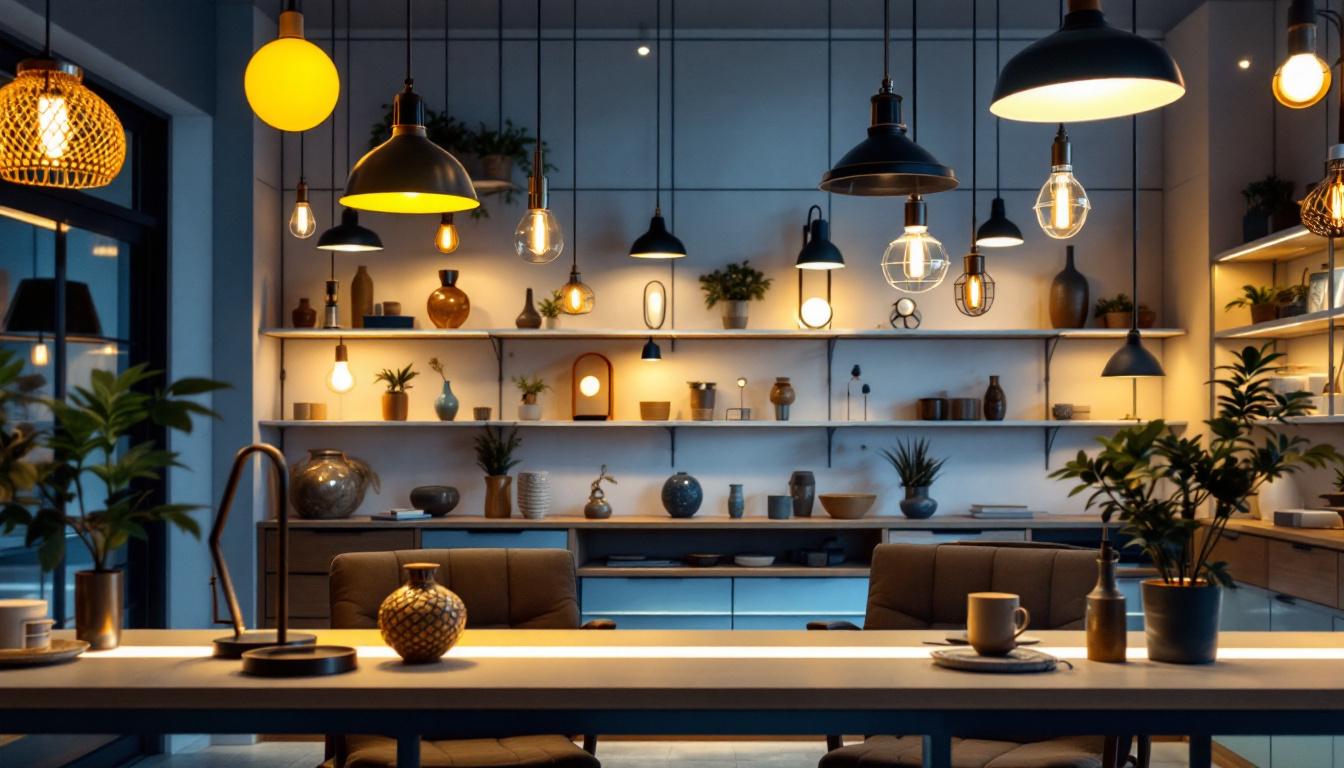
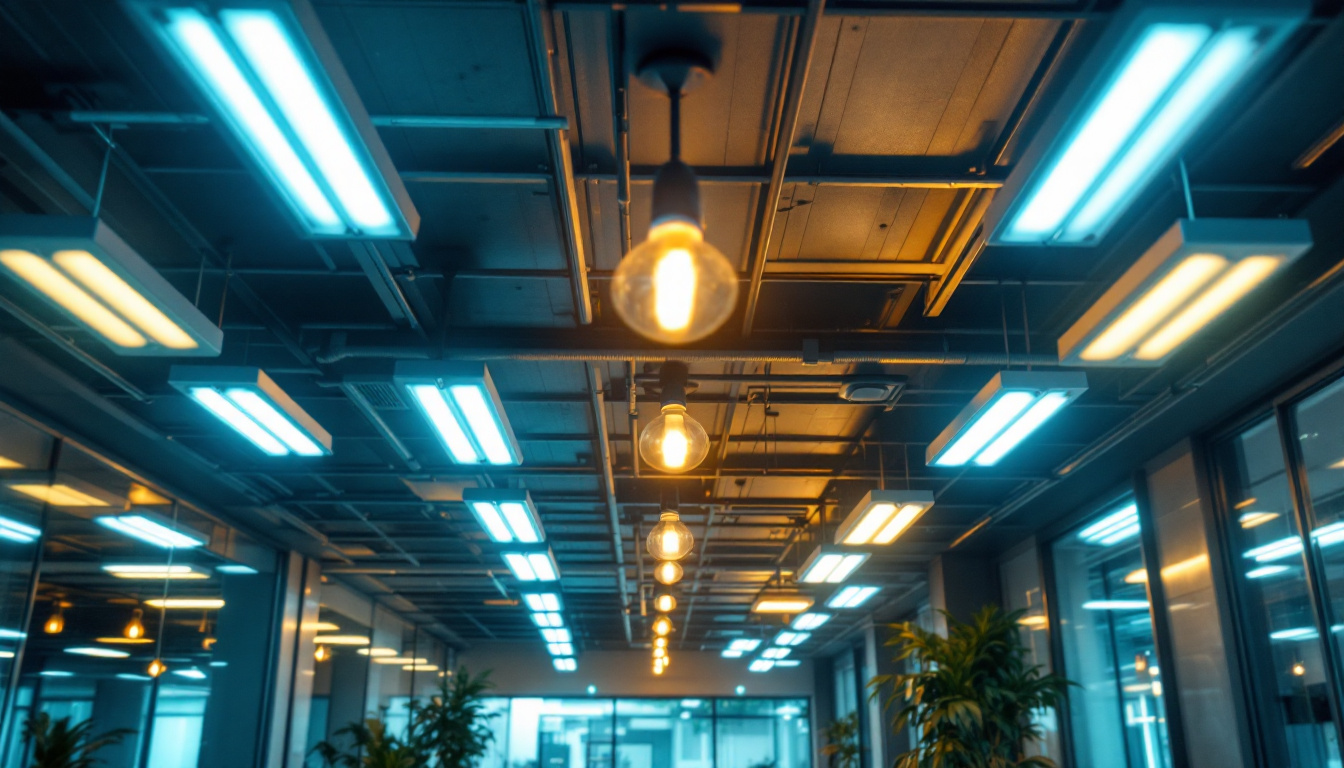
The ambiance of a store can be dramatically altered by the choice of lighting. Warm, soft lights can create a welcoming and cozy atmosphere, encouraging customers to linger longer. In contrast, bright, cool lights can evoke a sense of energy and urgency, motivating quicker purchasing decisions. Retailers must carefully consider their brand identity and target audience when selecting lighting solutions. For instance, a high-end boutique may opt for dim, warm lighting to create an intimate shopping experience, while a tech store might use bright, white lights to convey modernity and innovation. Additionally, the integration of natural light through windows or skylights can further enhance the ambiance, creating a more inviting and dynamic shopping environment.
Highlighting Products
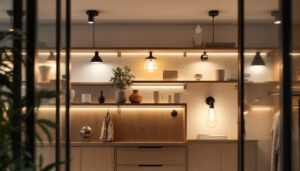
Effective product highlighting is another critical aspect of retail lighting. Strategic placement of lights can draw attention to specific items, making them more appealing to customers. Accent lighting, for instance, can be used to illuminate high-margin products or seasonal displays, ensuring they capture consumer interest. Lighting contractors should be adept at designing lighting layouts that enhance product visibility without overwhelming the overall store design. Moreover, the use of color temperature can also play a significant role in product presentation; for example, warmer tones can make food items look more appetizing, while cooler tones can enhance the sleekness of electronics. Furthermore, incorporating adjustable lighting systems allows retailers to modify the intensity and focus of lights based on the time of day or specific promotions, ensuring that the store remains visually engaging and aligned with marketing strategies throughout the shopping experience.
Energy Efficiency and Sustainability
As the global focus shifts toward sustainability, energy-efficient lighting solutions have become increasingly important in the retail sector. Retailers are not only looking to reduce operational costs but also to align with environmentally conscious consumer values. The growing demand for sustainable practices is prompting retailers to rethink their energy consumption strategies, leading to innovative solutions that not only benefit the environment but also enhance brand loyalty among eco-conscious shoppers.
LED Lighting Solutions
LED technology has revolutionized the lighting industry, offering significant advantages over traditional incandescent and fluorescent options. LEDs consume less energy, have a longer lifespan, and produce less heat, making them a more sustainable choice. Retailers can benefit from reduced energy bills while also contributing to a lower carbon footprint. Furthermore, the versatility of LED lighting allows for creative and dynamic displays that can attract customers and enhance product visibility. Lighting contractors should be well-versed in the latest LED technologies and their applications in retail settings, including color temperature adjustments and smart controls that can further enhance the shopping experience.
Smart Lighting Systems
Smart lighting systems are gaining traction in the retail space, allowing for greater control over lighting conditions. These systems can be programmed to adjust brightness based on the time of day, customer traffic, and even weather conditions. By utilizing smart technology, retailers can optimize energy usage and enhance the shopping experience. Additionally, integrating smart lighting with other smart technologies, such as inventory management systems and customer analytics, can create a more cohesive and efficient retail environment. Lighting contractors must stay updated on the latest advancements in smart lighting solutions to provide their clients with the best options available, ensuring that they can take full advantage of the energy savings and operational efficiencies these systems offer.
Enhancing Customer Experience
Customer experience is at the heart of successful retail operations. Lighting plays an integral role in shaping this experience, influencing not only how products are perceived but also how customers feel while shopping. The right lighting can evoke emotions, create ambiance, and even affect purchasing decisions, making it a vital consideration for retailers aiming to optimize their spaces.
Guiding Customer Flow
Strategically placed lighting can guide customers through a store, encouraging them to explore different sections. Pathway lighting can create a natural flow, leading customers from one display to another. This not only enhances the shopping experience but also increases the likelihood of impulse purchases. Lighting contractors should consider the layout of the store and the desired customer journey when designing lighting plans. For instance, brighter lights can be used in areas where high engagement is expected, such as near promotional displays, while softer lighting can create a more relaxed atmosphere in lounge areas or fitting rooms, allowing customers to feel at ease as they browse.
Creating a Memorable Experience
In a competitive retail landscape, creating a memorable shopping experience is essential for customer retention. Unique lighting designs, such as chandeliers or artistic light installations, can serve as focal points that enhance the store’s identity. These elements not only attract customers but also provide opportunities for social media sharing, further promoting the brand. Lighting contractors should collaborate with retailers to develop custom lighting solutions that reflect the store’s personality. Additionally, incorporating dynamic lighting that changes throughout the day can further engage customers, creating different moods and experiences as they shop. For example, a transition from bright, energizing lights during peak hours to warmer, softer tones in the evening can make the shopping experience feel more inviting and personalized.
Compliance and Safety Standards
As lighting plays a critical role in ensuring safety and compliance within retail environments, it is essential for lighting contractors to be familiar with relevant regulations and standards. Adhering to these guidelines not only protects customers but also mitigates legal risks for retailers.
Illumination Levels
Different areas of a retail space require varying levels of illumination to ensure safety and comfort. For instance, entrance areas and checkout counters should be well-lit to provide clear visibility, while fitting rooms may benefit from softer lighting to create a more flattering environment. Understanding the specific illumination requirements for different store areas is crucial for lighting contractors to design effective lighting plans.
Emergency Lighting Systems
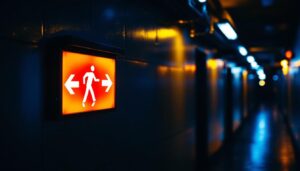
Emergency lighting systems are vital for ensuring safety during power outages or emergencies. Retailers must comply with local regulations regarding emergency lighting, which typically requires adequate illumination in exit pathways and assembly areas. Lighting contractors should be knowledgeable about these requirements and incorporate emergency lighting solutions into their designs to enhance safety and compliance.
Trends in Retail Lighting
The retail lighting landscape is continuously evolving, with new trends emerging that reflect changes in consumer behavior and technological advancements. Staying informed about these trends is essential for lighting contractors to remain competitive and provide innovative solutions to their clients.
Biophilic Design
Biophilic design, which emphasizes the connection between nature and the built environment, is gaining popularity in retail spaces. Incorporating natural light and using lighting that mimics daylight can enhance the shopping experience and improve customer well-being. Lighting contractors should explore ways to integrate biophilic principles into their designs, creating environments that resonate with consumers on a deeper level.
Dynamic Lighting
Dynamic lighting, which changes in intensity and color throughout the day, is becoming increasingly popular in retail settings. This approach not only enhances the aesthetic appeal of a store but also aligns with the circadian rhythms of customers, promoting a more comfortable shopping experience. Lighting contractors should consider how dynamic lighting can be used to enhance the overall atmosphere and appeal of retail spaces.
The Role of Technology in Retail Lighting
Technology is transforming the lighting industry, offering new opportunities for innovation and efficiency. Retailers are increasingly looking to integrate advanced technologies into their lighting solutions to enhance both functionality and aesthetics.
Integration with Retail Management Systems
Integrating lighting systems with retail management systems allows for seamless control and optimization of lighting conditions. Retailers can adjust lighting based on sales data, customer traffic, and other metrics, ensuring that the store is always operating at peak efficiency. Lighting contractors should be familiar with these integration possibilities to provide clients with comprehensive lighting solutions.
Augmented Reality and Lighting
Augmented reality (AR) is making its way into retail, and lighting plays a crucial role in enhancing AR experiences. Proper lighting can ensure that AR displays are visually appealing and effective in showcasing products. Lighting contractors should explore how to incorporate AR-friendly lighting solutions into their designs, creating immersive experiences for customers.
Conclusion
In conclusion, the importance of lighting in the retail industry cannot be underestimated. From creating a welcoming ambiance to enhancing product visibility and ensuring safety, effective lighting solutions are essential for successful retail operations. As the industry continues to evolve, lighting contractors must stay informed about the latest trends, technologies, and compliance standards to provide their clients with innovative and effective lighting designs.
By understanding the psychological impact of lighting, embracing energy-efficient solutions, and leveraging technology, lighting contractors can play a pivotal role in shaping the future of retail spaces. As consumers continue to seek engaging and memorable shopping experiences, the demand for high-quality lighting solutions will only grow, making it an exciting time for professionals in the lighting industry.
Illuminate Your Projects with LumenWholesale
Ready to elevate your retail lighting projects with superior quality and value? At LumenWholesale, we specialize in providing lighting contractors with spec-grade lighting products that blend quality, affordability, and convenience. Say goodbye to inflated markups and hello to our extensive selection of reliable, high-performance lighting solutions. With free shipping on bulk orders, you can trust that you’re getting the best value for your investment. Enhance your retail spaces and create memorable shopping experiences with lighting that meets the highest industry standards. Wholesale Lighting at the Best Value is just a click away. Experience the LumenWholesale difference today!