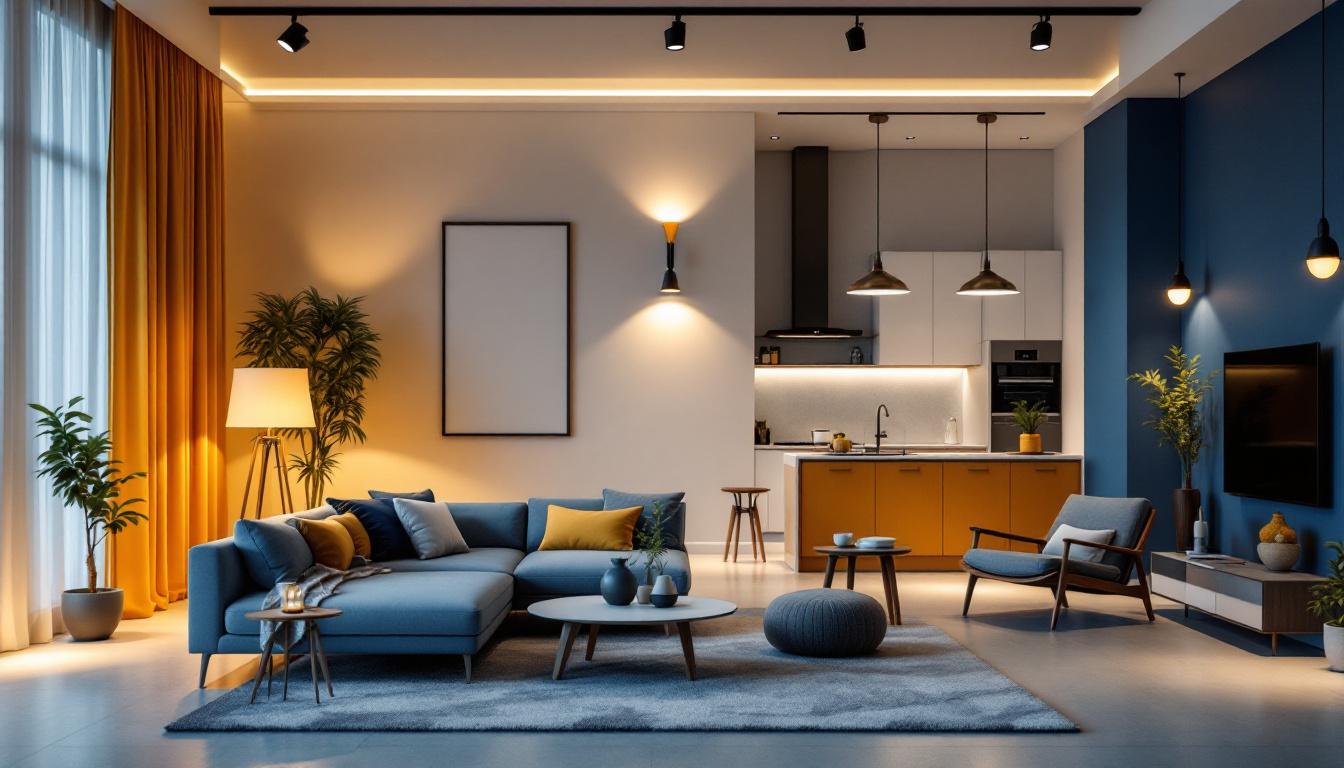
In the world of residential construction and renovation, lighting plays a pivotal role in enhancing both functionality and aesthetics. As a lighting contractor, understanding the best practices for selecting, installing, and maintaining residential lighting fixtures is essential for delivering quality results to your clients. This article explores key considerations and strategies that can elevate your lighting projects and ensure client satisfaction.
Understanding the Basics of Residential Lighting
Before diving into specific fixtures and installation techniques, it’s crucial to grasp the fundamental principles of residential lighting. This knowledge not only informs your design choices but also helps in communicating effectively with clients. A well-thought-out lighting plan can transform a space, making it more functional and aesthetically pleasing. By understanding the interplay of different lighting types, you can create environments that enhance mood and productivity, ultimately elevating the living experience.
Types of Lighting
Residential lighting can be categorized into three primary types: ambient, task, and accent lighting. Ambient lighting provides overall illumination, creating a comfortable level of brightness throughout a space. Task lighting, on the other hand, focuses on specific areas where activities such as reading or cooking take place. Accent lighting is used to highlight particular features, such as artwork or architectural details. Each type serves its purpose, and when combined effectively, they can create a harmonious lighting scheme that caters to the diverse needs of the inhabitants.
Understanding these categories allows contractors to create a balanced lighting scheme that meets the needs of the homeowners while enhancing the overall aesthetic appeal of the space. For instance, in a living room, ambient lighting might be achieved through ceiling fixtures or chandeliers, while floor lamps can provide task lighting for reading. Accent lighting, such as wall sconces or LED strips, can be strategically placed to draw attention to a beautiful painting or a unique architectural element, adding depth and character to the room.
Color Temperature and Lumens
Another critical aspect to consider is the color temperature of light sources, measured in Kelvin (K). Warmer tones (2700K-3000K) are often preferred for residential spaces, as they create a cozy atmosphere. In contrast, cooler tones (4000K-5000K) are more suitable for task-oriented areas like kitchens and workspaces. The choice of color temperature can significantly influence the mood of a room; for example, a warm light in a bedroom can promote relaxation, while a cooler light in a home office can enhance focus and productivity.
Lumens, the measure of light output, also play a significant role in ensuring adequate brightness. When selecting fixtures, it’s essential to calculate the required lumens for each room based on its size and purpose, ensuring that the lighting is both functional and inviting. For instance, a kitchen may require around 300-400 lumens per square meter to ensure safety and efficiency during food preparation, while a bedroom might only need 100-200 lumens per square meter for a more subdued, restful environment. Additionally, the placement of light fixtures can affect how light is distributed throughout a space, making it important to consider both the quantity and quality of light when designing a residential lighting plan.
Selecting the Right Fixtures
Choosing the right fixtures is paramount in achieving the desired lighting effect. The selection process involves considering various factors, including style, functionality, and energy efficiency.
Style and Design Considerations
The style of lighting fixtures should complement the overall design of the home. Whether the residence features a modern, traditional, or eclectic aesthetic, the lighting should enhance the existing decor. For instance, sleek pendant lights may suit a contemporary kitchen, while ornate chandeliers can elevate a dining room’s elegance.
In addition to style, the scale of the fixtures must be appropriate for the space. Oversized fixtures can overwhelm a small room, while tiny fixtures may get lost in a larger area. It’s vital to strike a balance that maintains visual harmony. Furthermore, consider the materials and finishes of the fixtures. A rustic farmhouse may benefit from wrought iron or wood accents, while a minimalist space might call for polished chrome or glass. The right combination can create a cohesive look that ties the entire room together.
Functionality and Versatility
Functionality is another critical aspect of fixture selection. Consider the specific needs of each room. For example, adjustable recessed lighting can provide flexibility in living areas, allowing homeowners to direct light where it’s needed most. Similarly, dimmable fixtures can enhance the ambiance by allowing users to control brightness levels.
Versatile fixtures that can serve multiple purposes are increasingly popular. For instance, wall sconces can provide both ambient and accent lighting, making them a valuable addition to any room. Additionally, smart lighting solutions have emerged as a game-changer in modern homes, offering features such as remote control and programmable settings. These innovations not only enhance convenience but also allow homeowners to customize their lighting according to different activities or moods, from bright task lighting for reading to soft, warm tones for relaxation.
Installation Best Practices
Proper installation is crucial for ensuring that lighting fixtures function as intended and meet safety standards. Following best practices can prevent common pitfalls and enhance the overall quality of the lighting project.
Planning the Layout
Before installation, it’s essential to plan the layout of the lighting fixtures thoroughly. This involves considering the room’s dimensions, existing architecture, and the intended use of the space. A well-thought-out layout can significantly improve the effectiveness of the lighting scheme.
Utilizing tools such as lighting design software can aid in visualizing the placement of fixtures and the resulting light distribution. This step can help identify potential issues before installation begins, saving time and resources.
Electrical Safety and Compliance
Safety should always be a top priority during installation. Adhering to local electrical codes and regulations is essential to ensure the safety of the homeowners and the longevity of the fixtures. This includes proper wiring techniques, using appropriate circuit breakers, and ensuring that fixtures are rated for their intended use.
Additionally, it’s advisable to conduct a thorough inspection of existing electrical systems before installation. This can help identify any potential hazards or upgrades needed to support new lighting fixtures.
Energy Efficiency and Sustainability
In today’s environmentally conscious market, energy efficiency is more important than ever. Lighting contractors can play a significant role in promoting sustainable practices through their choice of fixtures and installation techniques.
Choosing Energy-Efficient Fixtures
LED fixtures have become the standard for energy-efficient lighting. They consume significantly less energy than traditional incandescent bulbs and have a longer lifespan, making them a cost-effective choice for homeowners. When selecting fixtures, prioritize those that are Energy Star certified, as they meet strict efficiency guidelines.
Incorporating smart lighting technology can also enhance energy efficiency. Smart bulbs and fixtures allow homeowners to control their lighting remotely, set schedules, and even adjust brightness levels based on natural light availability.
Promoting Sustainable Practices
Beyond energy-efficient fixtures, contractors can promote sustainable practices by encouraging clients to consider the lifecycle of their lighting choices. This includes selecting fixtures made from sustainable materials and supporting local manufacturers when possible.
Educating homeowners about the benefits of energy-efficient lighting can also foster a sense of responsibility and encourage them to make informed decisions that benefit both their home and the environment.
Maintaining Residential Lighting Fixtures
Maintenance is a crucial aspect of ensuring that residential lighting fixtures continue to perform optimally over time. Educating clients on proper care and maintenance can enhance their satisfaction and prolong the lifespan of the fixtures.
Regular Cleaning and Upkeep
Dust and grime can accumulate on light fixtures, diminishing their performance and aesthetic appeal. Regular cleaning is essential to maintain brightness and clarity. Homeowners should be advised to use soft, dry cloths for cleaning and avoid harsh chemicals that could damage finishes.
Additionally, it’s important to remind clients to check and replace burnt-out bulbs promptly. Regularly assessing the condition of fixtures can prevent larger issues down the line and ensure consistent lighting quality.
Inspections and Upgrades
Encouraging periodic inspections of the lighting system can help identify any potential issues before they become significant problems. This includes checking wiring, connections, and the overall condition of fixtures.
As technology advances, upgrading to newer, more efficient fixtures can also be beneficial. Keeping clients informed about the latest advancements in lighting technology can help them make informed decisions about potential upgrades.
Client Communication and Education
Effective communication with clients is essential for a successful lighting project. Educating clients about their options and the benefits of different fixtures can lead to more informed decisions and greater satisfaction with the final results.
Setting Realistic Expectations
From the outset, it’s important to set realistic expectations regarding the project timeline, costs, and potential challenges. Clear communication can help prevent misunderstandings and ensure that clients feel confident in the process.
Providing a detailed proposal that outlines the scope of work, materials, and estimated timelines can also foster transparency and build trust between the contractor and the homeowner.
Offering Post-Installation Support
After the installation is complete, offering ongoing support can enhance the client experience. This may include providing maintenance tips, answering questions about the fixtures, and being available for future upgrades or repairs.
Establishing a relationship with clients can lead to repeat business and referrals, as satisfied customers are more likely to recommend your services to others.
Conclusion
Residential lighting is a multifaceted field that requires a blend of technical knowledge, design sensibility, and customer service skills. By adhering to best practices in fixture selection, installation, maintenance, and client communication, lighting contractors can elevate their projects and ensure lasting satisfaction for homeowners.
As the landscape of residential lighting continues to evolve, staying informed about the latest trends and technologies will further enhance a contractor’s ability to deliver exceptional results. Embracing these best practices not only benefits the contractor but also enriches the lives of those who inhabit the spaces they illuminate.
Illuminate Your Projects with LumenWholesale
Ready to take your residential lighting projects to the next level? At LumenWholesale, we provide lighting contractors with the superior, spec-grade lighting products you need to outshine the competition. With our unbeatable wholesale prices and commitment to quality, you can access an extensive selection of lighting fixtures that meet the highest industry standards. Say goodbye to inflated markups and hello to hassle-free bulk buying with free shipping. Elevate your lighting solutions today and give your clients the blend of functionality and design excellence they deserve. Discover the value of shopping wholesale and explore our lighting collection now.